
Fishing Knot Tools
Fishing knot tools are designed to help anglers tie, tighten, finish and test fishing knots more neatly and consistently. They are suitable for beginners, regular anglers and experienced fishers who use monofilament, fluorocarbon, braid, hooklengths, leaders, flies, hooks, swivels, snaps, lures or rig components.
The right fishing knot tool depends on the fishing method, line type, hook size, rig style, target species, hand comfort, tool size and whether you need help with knot tying, knot tightening, trimming tag ends or working with small tackle in cold or wet conditions.
- Fishing Knot Tools
RYA Pocket Guide to Boating Knots
Original price was: £8.49.£8.07Current price is: £8.07. *View On Amazon* - Fishing Knot Tools
Knot Tying Practice Kit Pocket Size Rehearse Hand Ties NEW2023
Original price was: £6.00.£5.20Current price is: £5.20. *View On Amazon* - Fishing Knot Tools
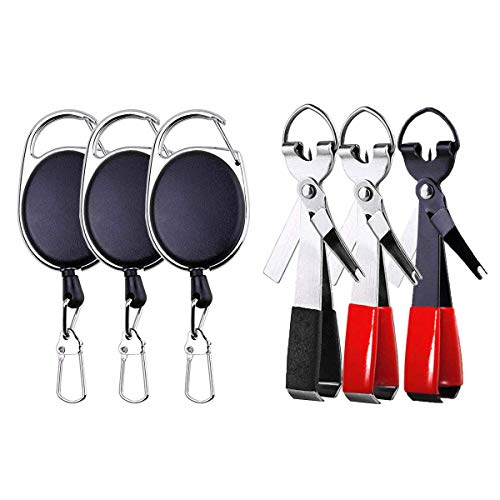
DAUERHAFT Fishing Line Nipper Cutter Clipper with Zinger Retractor
Original price was: £7.59.£6.65Current price is: £6.65. *View On Amazon* - Fishing Knot Tools
TFS Angling Fishing Line Loop Tyer plus Aluminium Disgorger Double Ended 2 Pack
£4.99 *View On Amazon* - Fishing Knot Tools
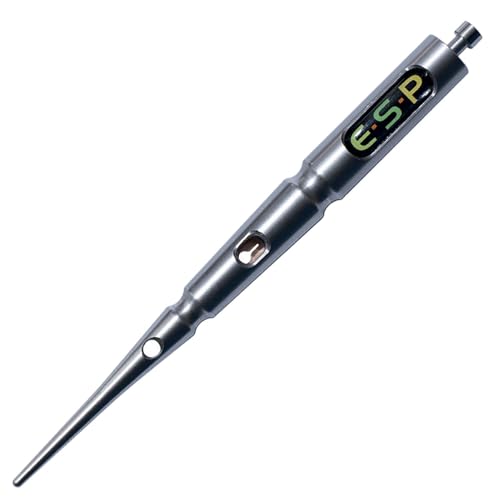
ESP Multi Purpose Rig Tool ETAG01 for Making Carp Fishing Rigs
£7.49 *View On Amazon* - Fishing Knot Tools
NGT Hair Rig Hook Tyer Tool for Making Hair Rigs and Carp Fishing Braid Scissors
£7.95 *View On Amazon* - Fishing Knot Tools
Keenso Metal Fishing Line Cutter, Fly Tying Wire Clipper Nipper, Quick Knot Tool
£6.44 *View On Amazon* - Fishing Knot Tools
OriGlam Fishing Line Knot Tying Tool Hook Threader and Fast Tier Device
£6.88 *View On Amazon* - Fishing Knot Tools
MaoNativey Manual Fish Tool Aluminium Alloy Fishing Hook and Line Knot Tying Accessory
£4.00 *View On Amazon* - Fishing Knot Tools
Fishing Pliers Stainless Steel Multi Functional Fly Fishing Tool
£5.99 *View On Amazon* - Fishing Knot Tools
DASNTERED GT Knotter Knotting Machine for Fishing Lines
Original price was: £12.99.£12.59Current price is: £12.59. *View On Amazon* - Fishing Knot Tools
2pcs Fishing Gear Knot Tying Tool, Hook Tyer, Blue
Original price was: £3.69.£3.59Current price is: £3.59. *View On Amazon* - Fishing Knot Tools
USHXVG 6 Fishing Accessories Blue Fishing Hook Tying Tools
£5.33 *View On Amazon*





What Are Fishing Knot Tools?
Fishing knot tools are small angling tools used to make knot tying easier and more controlled. They can include knot tying tools, knot pullers, loop tools, hook tyers, fly fishing knot tools, line clippers, nippers, rig pullers and tools designed to help tighten or finish knots safely.
Knots are one of the most important parts of any fishing setup. Even good line, hooks and terminal tackle can fail if the knot is weak, poorly tied or not tightened correctly.
Fishing knot tools do not replace learning good knots, but they can make rig work neater, quicker and easier, especially when dealing with fine line, small hooks, stiff leader material or cold hands.
What Are Fishing Knot Tools Used For?
Fishing knot tools are used to help tie line to hooks, swivels, clips, leaders, flies, lures and rig components. They can also help create loops, tighten knots, test connections and trim line ends.
For coarse fishing, knot tools may help with hooklengths, small hooks and fine line. For carp fishing, rig pullers and knot tightening tools can help test hooklinks and strong knots. For predator and lure fishing, knot tools can help with leaders, snaps and lure connections.
Fly anglers may use compact knot tools, nippers and leader tools when changing flies or tying tippet on the bank. Sea anglers may use stronger tools when working with heavier leaders, rigs and shock leader connections.
How To Choose The Right Fishing Knot Tool
Start by thinking about the knots you tie most often. If you regularly tie hooks to fine line, a hook tying tool may be useful. If you build carp rigs, a knot puller or rig tightening tool may be more practical.
Next, consider your line type. Monofilament, fluorocarbon and braid can behave differently when tied and tightened. Some tools are better for gripping thicker materials, while others are designed for fine line and small hooks.
Comfort matters too. A knot tool should feel easy to hold and control, especially if you use it with wet, cold or bait covered hands. Compact tools are useful for mobile anglers, while larger rig tools may suit home rig preparation or tackle stations.
Key Features To Compare
When comparing fishing knot tools, look at tool type, size, grip, material, line compatibility, hook compatibility, cutting features where listed, storage options and whether the tool suits freshwater, saltwater, fly, coarse, carp, predator or sea fishing use.
A small tool may be easy to carry, but it may be awkward with heavy line or larger rigs. A stronger tool may be better for tightening heavy knots, but it may be too bulky for delicate hooklength work.
If the tool includes cutters or clippers, check whether they are suitable for the line you use. Braid, fluorocarbon and heavier mono can need sharper or stronger cutting edges than light nylon line.
Knot Tying Tools, Knot Pullers And Hook Tyers
Knot tying tools help guide line through wraps, loops or hook eyes depending on the design. They can be useful when working with small tackle or when hand tying feels awkward.
Knot pullers and rig pullers help tighten knots and test rig strength. They can be useful for carp rigs, leaders, hooklinks and stronger setups where pulling directly by hand may be uncomfortable or unsafe.
Hook tyers are designed to help tie hooks to line more neatly. They can be especially useful with small hooks, fine hooklengths or anglers who struggle with hand movement or eyesight.
Fishing Knot Tools Compared With General Tools
General tools such as scissors or pliers can help with some rig tasks, but fishing knot tools are designed for line, hooks, rigs and tackle connections. They are usually smaller, more precise and easier to keep in a tackle box.
A general pair of pliers may be too heavy for fine hooklengths, while a proper knot puller or line tool can give better control. Likewise, ordinary scissors may not cut braid cleanly unless they are suitable for that material.
The best choice depends on the job. Fishing knot tools are useful when they make knots neater, safer or quicker without adding unnecessary complication.
Beginner, Regular Angler And Experienced Angler Guidance
Beginners may find fishing knot tools useful because they make early rig tying less frustrating. A simple line cutter, knot tool or hook tyer can help build confidence while learning basic knots.
Regular anglers may want a small selection of tools for different tasks. A knot puller, clippers, hook tyer and rig tool can cover many coarse, carp and feeder fishing situations.
Experienced anglers often use knot tools for consistency. They may tie their knots by hand, then use pullers, tension tools or cutters to finish rigs cleanly and check every connection before fishing.
Knot Tools For Coarse And Feeder Fishing
Coarse and feeder fishing often involves small hooks, fine line, hooklengths, swivels and feeder links. Knot tools can help make these smaller connections easier to manage.
A hook tyer may be useful for spade end hooks or small eyed hooks, depending on the product and fishing style. Line clippers can help trim tag ends neatly so rigs look tidy and perform properly.
For feeder fishing, knot strength matters because casting feeders can put pressure on line and knots. Checking every connection before casting is a good habit.
Knot Tools For Carp Fishing
Carp fishing often uses stronger hooklinks, coated braid, swivels, lead clips, bait screws, rig rings and other components. Knot pullers and rig tools can help tighten knots and test rigs before they are used.
Because carp rigs often rely on careful presentation, neat knots and clean tag ends matter. A rough or bulky knot can affect how a rig sits or behaves in the water.
Rig safety is also important. Knot tools should be used as part of a responsible setup that follows fishery rules and reduces the risk of fish being left towing tackle.
Knot Tools For Predator And Lure Fishing
Predator and lure fishing often involves snaps, swivels, braid, fluorocarbon leaders, wire traces and lure connections. Knot tools can help with leader knots, lure clips and strong connections.
For pike and other toothy fish, bite resistant traces or leaders may be needed. Knot tools may help with some parts of the setup, but wire traces may also require crimping tools depending on the material and rig style.
Lure anglers often change lures regularly, so compact cutters, knot tools and clippers can be useful when moving between swims.
Knot Tools For Fly Fishing
Fly anglers often use knot tools, nippers and tippet tools to change flies, tie leaders, trim tag ends and manage fine line. Compact tools are especially useful because fly anglers often carry kit on a vest, pack or lanyard.
Fine tippet can be difficult to handle in wind, cold or low light. A suitable knot tool can make fly changes quicker and reduce frustration at the water.
Fly fishing knots still need to be tied correctly and tested carefully. A tool can help, but it cannot make a poorly chosen or badly formed knot reliable.
Line Type, Knot Choice And Compatibility
Different line materials can need different knots. Monofilament, fluorocarbon and braid do not always behave the same way when tightened.
Fluorocarbon can be stiffer than some mono lines, while braid can be thinner and more slippery. Some knots work better with one line type than another, so choose knots and tools that suit the material you use.
A knot tool should not damage the line. If the tool leaves marks, flattens the line or causes rough spots, stop using it with that material and check the setup.
Tightening, Testing And Trimming Knots
A knot should be tightened carefully and tested before casting. Pulling too quickly, overheating the line or tightening unevenly can weaken some knots.
Knot pullers can help apply controlled pressure without cutting into your hands. They are especially useful with stronger line, hooklinks and leader material.
Trimming tag ends neatly helps rigs look tidy and reduces unwanted tangles. Avoid cutting too close to the knot unless you are confident the knot is fully seated and secure.
Safety When Using Fishing Knot Tools
Fishing knot tools are often used close to hooks, blades, cutters and sharp tag ends, so they should be handled carefully. Keep fingers clear when tightening knots near hooks or swivels.
Do not pull hooks directly towards your hand, face or body. If a knot slips, the hook or tool can move suddenly.
Store knot tools, cutters and hook tyers safely. Keep them away from children, pets and loose clothing, and avoid leaving them loose on chairs, mats or the ground.
Venue Rules And Responsible Rig Tying
Always check venue rules before tying rigs or leaders for a session. Some waters restrict hook types, hooklength materials, leaders, braid, lead systems, barbs, traces or rig styles.
Responsible rig tying means using tackle strong enough for the fish and conditions. Knots should be neat, tested and suitable for the method.
Take cut off line, tag ends, broken hooks and packaging home with you. Small pieces of fishing line can harm wildlife and should never be left on the bank.
Care, Cleaning And Storage
Fishing knot tools should be kept clean, dry and easy to find. Wipe away bait, mud, moisture and salt after use where suitable.
Check moving parts, cutters, clips and grips regularly. Replace tools that become blunt, rusty, cracked, loose or unsafe to use.
Store knot tools in a tackle box, rig wallet, tool pouch or lanyard. Keeping them organised helps prevent lost tools and makes rig work quicker during a session.
Useful Accessories To Consider
Useful accessories for fishing knot tools include line cutters, scissors, braid cutters, forceps, pliers, hook sharpeners, baiting needles, rig pullers, crimping tools, hooklength boxes, leader wallets, rig wallets and tackle boxes.
For fly fishing, nippers, tippet holders, fly boxes and floatant holders may be useful. For carp fishing, baiting tools, hooklink materials, swivels and fish care equipment can help complete the setup.
The best knot tool setup is one where the tool, line, hook, rig and target species all match the same fishing method.
Why Buy Fishing Knot Tools From YPC?
At YPC, we understand active lifestyles and the need for practical products that work in real use. Fishing knot tools should be chosen carefully because knot quality, line compatibility, grip and control all affect how reliable your setup feels.
Browse the Fishing Knot Tools category at YPC to compare available options, check the details that suit your fishing method and choose tools that help make rig tying more practical and organised.
Fishing Knot Tools FAQs
What are fishing knot tools?
Fishing knot tools are small tools used to help tie, tighten, trim or test fishing knots. They can include knot tyers, hook tyers, knot pullers, line clippers and rig tools.
They are useful for rig building, line connections and tackle preparation.
Are fishing knot tools suitable for beginners?
Yes, fishing knot tools can be useful for beginners. They can make learning knots easier and help reduce frustration when working with small hooks or fine line.
Beginners should still practise proper knot tying and test every knot before fishing.
Do fishing knot tools make knots stronger?
Fishing knot tools do not automatically make a knot stronger. They can help you tie and tighten knots more consistently, but the knot still needs to be suitable for the line and rig.
A badly tied knot can still fail, even if a tool is used.
What is a fishing knot puller?
A fishing knot puller is a tool used to tighten knots and test rigs under controlled pressure. It can help avoid cutting or hurting your hands when pulling strong line or hooklinks.
It is commonly used in carp fishing, leader work and rig preparation.
What is a hook tyer?
A hook tyer is a tool designed to help tie hooks to line. It can be useful for small hooks, fine hooklengths or anglers who find hand tying difficult.
Check that the tool suits the hook sizes and hook types you use.
What is a fly fishing knot tool?
A fly fishing knot tool is a compact tool used to help tie leader, tippet and fly knots. Some may also include nippers or other small features depending on the product.
They are useful when changing flies at the water.
Can knot tools be used with braid?
Some knot tools can be used with braid, but compatibility depends on the tool and line. Braid can be thin and slippery, so the knot must be suitable and tested carefully.
Use cutters that are suitable for braid if trimming tag ends.
Can knot tools be used with fluorocarbon?
Yes, some knot tools can help with fluorocarbon knots and leaders. Fluorocarbon can be stiffer than some mono lines, so careful knot choice and tightening are important.
Check the knot after tightening to make sure the line is not damaged.
Can knot tools be used with monofilament?
Yes, knot tools can be used with monofilament line. They may help tie hooks, tighten knots and trim tag ends neatly.
Avoid pulling too harshly or damaging the line while tightening.
Do I need a knot tool for carp fishing?
You do not always need one, but a knot puller or rig tool can be useful for carp fishing. Carp rigs often use stronger hooklinks and knots that should be tested before use.
A tool can make rig preparation more controlled.
Do I need a knot tool for coarse fishing?
A knot tool can be useful for coarse fishing, especially when tying small hooks, fine hooklengths or neat loops. Beginners may find hook tyers helpful.
For very simple setups, many anglers tie knots by hand.
Do I need a knot tool for lure fishing?
A knot tool can be useful for lure fishing, especially when tying leaders, snaps, swivels or braid connections. Compact cutters and clippers are also useful when changing lures.
The tool should suit the line and leader material being used.
Do I need a knot tool for sea fishing?
Sea anglers may find knot tools useful for tying stronger leaders, rigs and heavy line connections. Heavier line can be harder to pull tight by hand.
Check that the tool is suitable for the line strengths and rig materials you use.
Can knot tools cut fishing line?
Some knot tools include cutters or clippers, but not all do. Cutting ability depends on the product and the type of line being cut.
Braid, heavy mono and fluorocarbon may need suitable sharp cutters.
What knots can I tie with fishing knot tools?
The knots depend on the tool and fishing method. Some tools help with hook knots, loop knots, fly knots, leader knots or general line connections.
Always check the product details and practise with your own line before fishing.
How do I test a fishing knot?
After tying and tightening the knot, apply steady pressure to check it holds. Look for slipping, line damage, rough spots or uneven tightening.
If the knot looks poor or feels weak, cut it off and tie it again.
How should I store fishing knot tools?
Store knot tools clean and dry in a tackle box, rig wallet, tool pouch or lanyard. Keep cutters and sharp parts covered where possible.
Avoid leaving tools wet or loose with hooks and heavy tackle.
What should I check before buying fishing knot tools?
Check the tool type, size, grip, line compatibility, hook compatibility, cutting features where listed, storage options and suitability for your fishing method.
The right knot tool should make your rig work easier without damaging line or making the setup more complicated.
 Getting ready for Summer? View our Home and Garden Products

Heading outdoors this winter? Take a look at our Outdoor Clothing.