
Fishing Reel Lubricants and Cleaners
Fishing reel lubricants and cleaners are essential for maintaining smooth, reliable performance from your reels across all fishing conditions. From preventing corrosion to reducing friction and wear, these products keep your gear running like new, whether you’re casting on a quiet lake, lure fishing in saltwater, or battling big carp on a buzzer. Since 1988, we’ve helped UK anglers protect their investment in reels with trusted maintenance solutions for every style and brand.
- Fishing Reel Lubricants and Cleaners
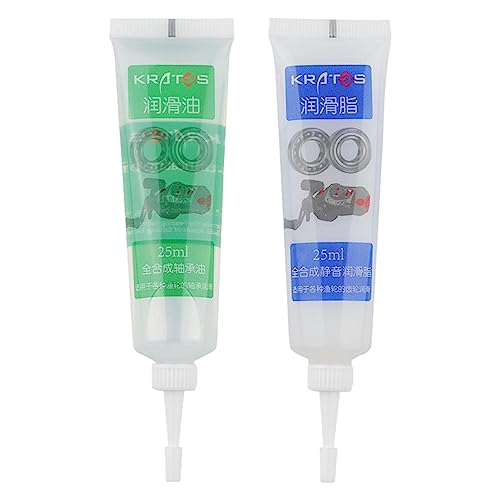
Diogeynu Fishing Reel Oil Set Fishing Reel Maintenance Tool Fishing Wheel Grease Fish Wheel Oil Tool Wheel Maintenance Oil Set
£6.84 *View On Amazon* - Fishing Reel Lubricants and Cleaners
LLHCF Fishing Wheel Grease Fish Wheel Oil Tool Wheel Maintenance Oil Set Fishing Reel Oil Set Fishing Reel Maintenance Tool
£6.84 *View On Amazon* - Fishing Reel Lubricants and Cleaners
bnsggl Fishing Wheel Grease Fish Wheel Oil Tool Wheel Maintenance Oil Set Fishing Reel Oil Set Fishing Reel Maintenance Tool
£3.89 *View On Amazon* - Fishing Reel Lubricants and Cleaners
Reel Maintenance Solution 20ml Grease Oil for Gears & Bearings in Fishing Equipment (Blue)
£3.83 *View On Amazon* - Fishing Reel Lubricants and Cleaners
Vigcebit Fishing Reel Oil – Reel Butter Oil And Grease 25ml | Fishing Accessories, Butter Grease, set For All Types Of Reels Reels Cleaner, Smooth Lubrication
£4.69 *View On Amazon* - Fishing Reel Lubricants and Cleaners
Gear Up with 20ml Fishing Reel Service Parts Effective Grease Oil Solution (Transparent)
£5.39 *View On Amazon* - Fishing Reel Lubricants and Cleaners
BESPORTBLE 2pcs Fishing Reel Maintenance Kit Reel Lubricant Oil Grease Chain Lube Ptfe Grease for Gear Lubrication
£5.99 *View On Amazon* - Fishing Reel Lubricants and Cleaners
Mipcase 4pcs Fishing Reel Oil Lubricant Fish Wheel Grease Tool Reel Maintenance Kit Graphite Lock Lubricant for
£8.79 *View On Amazon* - Fishing Reel Lubricants and Cleaners
Kisangel 2pcs Reel Lubricant Oil Tool Set Ptfe Grease for Fish Wheel Grease Maintenance
£5.99 *View On Amazon* - Fishing Reel Lubricants and Cleaners
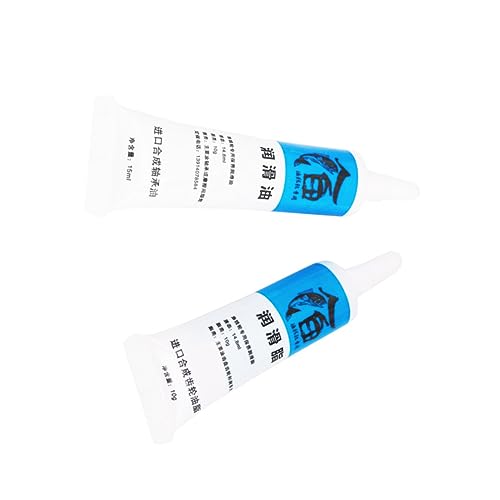
FOXCUP 2pcs Fishing Reel Lubricant Kit – Oil & Grease – Prevent Corrosion – 14.8ml Oil + 10g Grease – 1E+1g – Spinning & Low-Profile Reels
£11.25 *View On Amazon* - Fishing Reel Lubricants and Cleaners
Fishing Wheel Grease Fish Wheel Oil Tool Wheel Maintenance Oil Set Fishing Reel Oil Set Fishing Reel Maintenance Tool
£6.92 *View On Amazon* - Fishing Reel Lubricants and Cleaners
BESPORTBLE 6pcs Fishing Reel Maintenance Oil Kit Ptfe Grease Grease Bearing Lubricant Oil Reel Lubricant Tool Set
£11.49 *View On Amazon* - Fishing Reel Lubricants and Cleaners
Generisch Grease and coil oil, butter oil lubricant cleaner, 2 pieces rollers prevent rust lubricating oil for the fishing boat adapted to all
£9.11 *View On Amazon* - Fishing Reel Lubricants and Cleaners
INOOMP 2pcs Fishing Accessories Kit Reel Lubricant Oil Grease Tool for Maintenance
£5.99 *View On Amazon* - Fishing Reel Lubricants and Cleaners
Marine Fishing Reel Oil – Fishing Reel Cleaning Kit | Fishing Reel Oil and Bearing Lubricant | Fishing Reel Grease 100g Fishing Reel Oil
£8.19 *View On Amazon* - Fishing Reel Lubricants and Cleaners
HUANGING Fishing Reel Oil Fishing Wheel Grease Fishing Reel Lubricants Reel Maintenance Tool Fishing Wheel Oil Grease Tool Set
£6.84 *View On Amazon* - Fishing Reel Lubricants and Cleaners
carotoe Fishing Reel Oil Fishing Wheel Grease Fishing Reel Lubricants Reel Maintenance Tool Fishing Wheel Oil Grease Tool Set
£6.84 *View On Amazon*






Why Use Reel Lubricants and Cleaners?
Your fishing reel is one of the hardest-working parts of your tackle — and without proper care, even premium reels can seize, grind, or corrode. Routine cleaning and lubrication ensure:
Smooth, silent retrieval and casting
Protection against salt, grit, and moisture
Extended lifespan of bearings, gears, and internal components
Reduced risk of jamming or performance loss
Lower long-term maintenance or repair costs
Buying Guide: Choosing the Right Reel Lubricant or Cleaner
Types of Maintenance Products
| Product Type | Best For |
|---|---|
| Reel Oils | Light lubrication for bearings, worm shafts, and spools |
| Reel Grease | Heavier protection for gears, handles, and high-stress components |
| Reel Cleaners/Degreasers | Removing dirt, salt, old grease, and grime from internal and external parts |
| Corrosion Inhibitors | Long-term protection, especially for saltwater or damp storage |
| Maintenance Kits | Pre-packaged oil, grease, applicators, and cloths for all-in-one servicing |
Features to Look For
Low-viscosity oils – for fast-moving reel parts like bearings
Non-toxic, residue-free cleaners – safe for delicate components
Saltwater-safe formulas – prevent oxidation and corrosion
Precision applicator tips – allows targeted maintenance
Multi-environment compatibility – useful for anglers fishing both fresh and saltwater
Subcategory Breakdown
Light Reel Oils
Best for lubricating high-speed parts like spool shafts, handle knobs, and bail arms. Keeps components moving freely without attracting dust.
High-Performance Reel Grease
Ideal for main gears, drag systems, and internal drive components where long-term lubrication is needed under pressure.
Reel Cleaners and Degreasers
Breaks down old grease, salt, and grime. Essential for routine cleaning, especially after sea fishing or during seasonal maintenance.
Complete Maintenance Kits
All-in-one packs with oil, grease, cloths, and applicators — perfect for both home servicing and travel use.
Expert Maintenance Tips
Clean reels after every session, especially after saltwater or muddy conditions
Use oil on moving parts (e.g., bearings, bail arms) and grease on gears and internal components
Never over-lubricate — too much oil or grease can attract dirt
Let degreasers dry fully before applying new lubricant
Service reels at least once per season or more often for heavy use
Common Mistakes to Avoid
❌ Using household oils or WD-40 — not designed for fine reel components
❌ Over-greasing — can slow reel action or gum up drag systems
❌ Skipping cleaning after saltwater fishing — leads to rust and corrosion
❌ Mixing incompatible brands of grease and oil
❌ Not drying reels properly before reassembling
Bestselling Reel Lubricants and Cleaners in Our Range
Shimano Bantam Reel Oil – High-performance oil for bearings and shafts
Daiwa Reel Grease – Thick, saltwater-safe grease for long-term gear protection
Abu Garcia Reel Maintenance Kit – Includes oil, grease, tools, and cloth
Penn Precision Reel Cleaner Spray – Powerful degreaser that won’t damage components
Quantum Saltwater Reel Lube – Designed for reels exposed to marine environments
Korda Maintenance Kit – Compact kit ideal for carp reels and bank-side touch-ups
Savage Gear All-In-One Reel Treatment – Oil and cleaner blend for multi-use protection
Fishing Reel Lubricants and Cleaners – FAQs
1. What’s the difference between reel oil and reel grease?
Oil is thinner and ideal for fast-moving parts like bearings. Grease is thicker, used for gears and high-pressure areas.
2. How often should I lubricate my fishing reel?
For regular use, oil light parts every few sessions and grease internal gears every 1–3 months. After saltwater use, clean and re-lube immediately.
3. Can I use WD-40 on my fishing reel?
No — WD-40 is a water-displacing spray, not a lubricant. It can strip grease and damage delicate reel internals over time.
4. Do I need to clean my reel before lubricating?
Yes — always remove old grease, salt, or dirt using a safe reel cleaner before applying fresh lubricant.
5. Are these products safe for all reel brands?
Most quality lubricants and cleaners are compatible with major brands (Shimano, Daiwa, Abu Garcia, etc.), but always check the label.
6. What happens if I over-grease my reel?
Over-greasing can cause dragging, reduced casting distance, and dirt build-up. Use sparingly for best performance.
7. How do I clean a reel after sea fishing?
Rinse gently with freshwater, wipe down with a cloth, dry completely, then use a cleaner and lubricant to protect internals.
8. Can I maintain my reel without disassembling it?
Yes — basic oiling and external cleaning can be done without full teardown, but deeper maintenance may require partial disassembly.
9. What’s in a reel maintenance kit?
Typically includes oil, grease, applicator tools, and cloths, sometimes with a storage pouch or step-by-step guide.
10. How do I apply reel oil precisely?
Use needle-tip applicators or fine nozzles to apply 1–2 drops directly to moving parts (e.g., handle knobs, bail arm pivots, bearings).
Final Thoughts
Fishing reel lubricants and cleaners are key to protecting your reels from wear, corrosion, and performance loss. Whether you’re prepping for the next big session or performing off-season maintenance, the right oil, grease, or cleaner will keep your reels operating at their best for years to come. With over 35 years of experience supporting UK anglers, we stock only proven maintenance products from the most trusted brands in angling.
 Getting ready for Summer? View our Home and Garden Products

Heading outdoors this winter? Take a look at our Outdoor Clothing.
Amazon Associate Disclosure
As an Amazon Associate I earn from qualifying purchases.