

Football Boots
Football boots are designed to help players move, turn, strike the ball and stay more secure on suitable playing surfaces. They are used for training, matches, school sport, club football and casual games, with different styles available depending on the surface, fit and level of support listed.
Choosing the right football boots is not just about style. The sole type, fit, material, fastening and intended surface all affect how comfortable and practical the boots feel during real play.
- Football Boots
DimaiGlobal Men’s Football Boots Black, High-Top Training Cleats, UK 7.5
Original price was: £32.99.£29.69Current price is: £29.69. *View On Amazon* - Football Boots
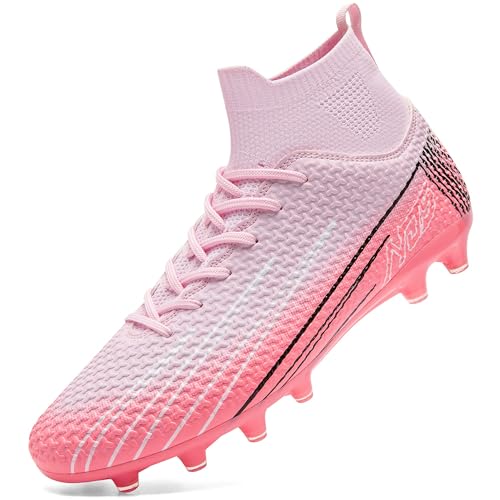
DimaiGlobal Men’s Football Boots High Top Astro Turf Trainers, Pink, 6.5 UK
Original price was: £32.99.£29.69Current price is: £29.69. *View On Amazon* - Football Boots
Kids Football Boots with Hook-and-Loop Closure for Turf and Indoor Play
£25.99 *View On Amazon* - Football Boots
Unisex Kids Football Boots FG/AG Soccer Training Shoes with Velcro Closure
£19.98 *View On Amazon* - Football Boots
NUTTOPL Men’s Low Top Football Boots, Purple, UK 8
Original price was: £9.99.£7.99Current price is: £7.99. *View On Amazon* - Football Boots
NUTTOPL Pink Low Top Football Boots, UK 9
Original price was: £9.99.£7.99Current price is: £7.99. *View On Amazon* - Football Boots
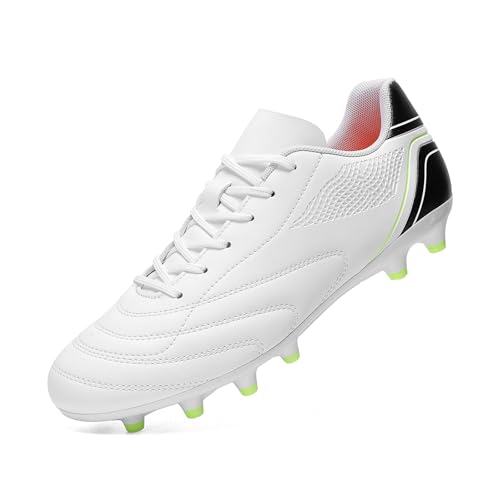
HaloTeam Men’s Football Boots, White, UK 10
Original price was: £12.99.£11.99Current price is: £11.99. *View On Amazon* - Football Boots
DREAM PAIRS Men’s Soccer Cleats, Size 10, Black/Dark Grey
Original price was: £29.99.£19.99Current price is: £19.99. *View On Amazon* - Football Boots
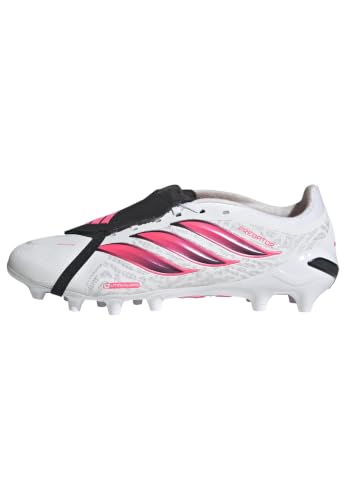
adidas Predator League Fold-Over Tongue Artificial Ground Football Boots, White/Black, UK 13
Original price was: £80.00.£60.87Current price is: £60.87. *View On Amazon* - Football Boots
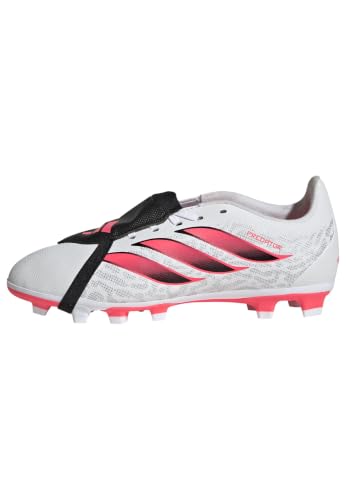
adidas Predator Club Firm Ground/Multi Ground Football Boots, White, UK 5
Original price was: £50.00.£40.50Current price is: £40.50. *View On Amazon* - Football Boots
adidas Predator League Fold-Over Tongue Firm Ground Football Boots, UK 10.5
£80.00 *View On Amazon* - Football Boots
adidas Unisex Predator Club Fold-Over Tongue Football Boots, White, 8 UK
Original price was: £55.00.£39.20Current price is: £39.20. *View On Amazon* - Football Boots
adidas Predator Club Fold-Over Tongue Turf Football Boots, 6 UK
Original price was: £55.00.£42.83Current price is: £42.83. *View On Amazon* - Football Boots
adidas F50 Hyperfast League Firm Ground Football Boots, Black, 5 UK
£50.00 *View On Amazon* - Football Boots
adidas F50 Hyperfast Club Firm Ground Football Boots, White/Purple, UK 9
Original price was: £50.00.£28.11Current price is: £28.11. *View On Amazon* - Football Boots
adidas F50 Messi Club Football Boots, Ivory/Semi Blue Burst/Icey Blue, 7 UK
Original price was: £55.00.£43.59Current price is: £43.59. *View On Amazon*








What Are Football Boots?
Football boots are sports footwear made specifically for playing football. Unlike everyday trainers, they are usually shaped for quick movement, close ball contact and grip on grass, artificial pitches or indoor surfaces, depending on the boot type.
They may include moulded studs, screw in studs, textured uppers, padded collars, lace closures, sock style collars or lightweight designs where listed. Some boots focus on comfort and durability, while others may be made with a closer performance fit.
What Are Football Boots Used For?
Football boots are used to support movement during football training and matches. They help players accelerate, change direction, stop, turn, pass and shoot with more control on the right surface.
They can be used by beginners, school players, club players, five a side players, casual weekend players and more experienced footballers. The key is choosing boots that suit the pitch type and how often they will be worn.
How To Choose The Right Football Boots
Start with the playing surface. Boots designed for firm grass may not be suitable for soft muddy pitches, artificial grass or indoor courts. Check the product details for surface guidance and sole type before buying.
Fit is the next major factor. Football boots should feel secure without crushing the foot. There should be enough comfort for running and turning, but not so much extra space that the foot slides inside the boot. If the player is still growing, comfort matters, but buying too large can affect control and safety.
Also consider how the player uses the boots. A casual player may want comfort, easy care and durability. A regular club player may compare sole type, upper feel and weight more carefully. An experienced player may prefer boots that suit a specific position, surface or style of play.
Key Features To Compare
When comparing football boots, look at sole type, stud pattern, upper material, fit shape, fastening style, collar height and weight where listed. These features affect comfort, grip and how the boot feels when controlling the ball.
The upper is important because it affects touch, flexibility and support. Some uppers may feel softer, while others may feel more structured. Textured areas can sometimes help with ball contact where listed, but comfort and fit should still come first.
Studs and soleplates should match the surface. Moulded studs may suit some grass or artificial surfaces depending on the product. Screw in studs may be intended for softer ground where listed. Flat or dimpled soles may be more suitable for indoor or turf use where stated.
Fastening also matters. Traditional laces allow adjustment across the foot. Some boots may include covered lacing or sock style collars where listed, which can affect fit and feel.
Football Boots Compared With Trainers And Turf Shoes
Football boots are different from normal trainers because they are built around football movement and surface grip. Trainers may be comfortable for general exercise, but they may not provide suitable grip or control on grass pitches.
Turf shoes are usually designed for artificial turf or harder synthetic surfaces where listed. They often have many small rubber grips rather than longer studs. They can be useful for training centres, small sided football and certain artificial pitches.
Indoor football shoes are different again. They usually have flatter soles for sports halls or indoor courts where suitable. Wearing the wrong sole type can reduce grip, damage surfaces or feel uncomfortable, so always match the footwear to the pitch.
Guidance For Beginner Regular And Experienced Players
Beginner players should choose football boots that are comfortable, suitable for the playing surface and easy to wear. A secure fit and sensible sole type are more important than advanced features.
Regular players should compare durability, grip, comfort and how the boot performs over repeated training sessions and matches. If playing on more than one surface, it may be worth considering different boot types where suitable.
Experienced players may look more closely at weight, upper feel, stud layout and position specific preferences. For example, some players may prioritise agility, while others may prefer protection, support or a more cushioned feel, depending on the product.
Use Cases By Player Type And Activity
For junior players, comfort, secure fastening and correct sizing are important. Growing feet need careful fitting, and boots should not be painfully tight or overly loose.
For casual players, practical boots that suit the usual pitch are often the right choice. Easy cleaning and comfortable fit can matter more than advanced performance details.
For club players, regular use means durability, surface compatibility and fit become more important. Boots that feel good over a full match or training session can make a real difference to confidence.
For five a side and training, check whether the surface is indoor, astro turf, artificial grass or outdoor grass. The correct sole type is essential for safe and practical use.
For goalkeepers, defenders, midfielders and forwards, preferences may vary. Some players want stability and support, while others want lighter boots or a closer touch on the ball.
Fit Compatibility And Comfort
Football boots should fit securely around the heel and midfoot without causing painful pressure. The toes should have enough room to move slightly, but the boot should not feel loose when sprinting or changing direction.
Check sizing guidance where available, especially when buying for children or switching between brands. Football boot fit can vary, and some styles may be narrower or wider depending on the product.
Compatibility means matching the boot to the pitch, the player and the rules of the venue or club. Some artificial pitches may have specific footwear requirements. Some leagues or schools may also have guidance on acceptable studs, so check before buying where needed.
Safety Care Maintenance And Storage
Using football boots on the correct surface can help support grip and reduce avoidable slipping. Boots designed for one surface may not perform safely on another, so always check the product information and venue rules.
After use, remove mud and debris from the sole and upper. Let boots dry naturally in a well ventilated place. Avoid leaving them wet in a bag for long periods, as this can affect freshness and material condition.
Do not dry football boots against direct heat unless the care instructions allow it. Excess heat can damage some materials. Store boots clean and dry, ideally away from heavy items that could bend or distort them.
Useful Accessories To Consider
Useful accessories can include football socks, shin pads, a boot bag, spare laces, training cones, a football and cleaning brushes. Replacement studs may also be useful where compatible and where the boot design allows them.
For regular players, keeping a simple care kit in a sports bag can make boots easier to maintain after training or matches. For children, a named boot bag can help keep kit together for school and club sessions.
Why Buy Football Boots From YPC?
At YPC, we understand active lifestyles and the need for practical products that work in real use. Football boots can vary by surface type, fit, sole design, material and player need, so comparing the details is important before choosing.
YPC helps you browse football footwear with a practical buyer mindset, whether you are buying for school sport, weekend matches, training nights or regular club football. Explore the Football Boots category to browse the available options and compare the features that matter most for your game.
FAQs
What type of football boots do I need?
Choose football boots based on the surface you play on most often. Grass, soft ground, artificial grass, turf and indoor surfaces may all need different sole types, depending on the product and venue rules.
Can I wear firm ground football boots on artificial grass?
Only use firm ground boots on artificial grass if the product and pitch rules say they are suitable. Some artificial surfaces need specific footwear, so check the boot description and venue guidance before playing.
Should football boots be tight?
Football boots should feel secure, but they should not be painfully tight. A good fit should hold the foot in place while still allowing enough comfort for running, turning and kicking.
Are expensive football boots always better?
Not always. The right football boots are the ones that fit well, suit the correct surface and match the player’s needs. More expensive boots may offer different materials or features, but they are not automatically the right choice for every player.
What football boots are best for beginners?
Beginners should look for comfortable boots with a suitable sole for their playing surface. Simple, practical boots are often a sensible starting point, especially for school sport, casual games or first club sessions.
How do I clean football boots?
Remove loose mud after use, wipe the uppers as needed and let the boots dry naturally. Follow the product care instructions and avoid direct heat unless the manufacturer says it is suitable.
Can children wear football boots with room to grow?
A little growing room can be useful, but boots that are too large may feel unstable and affect control. Children’s football boots should still fit securely and comfortably.
Do I need different boots for different pitches?
You may need different boots if you regularly play on different surfaces. Grass, soft ground, artificial grass, turf and indoor courts can require different sole types, so check each product carefully before buying.
 Getting ready for Summer? View our Home and Garden Products

Heading outdoors this winter? Take a look at our Outdoor Clothing.
