
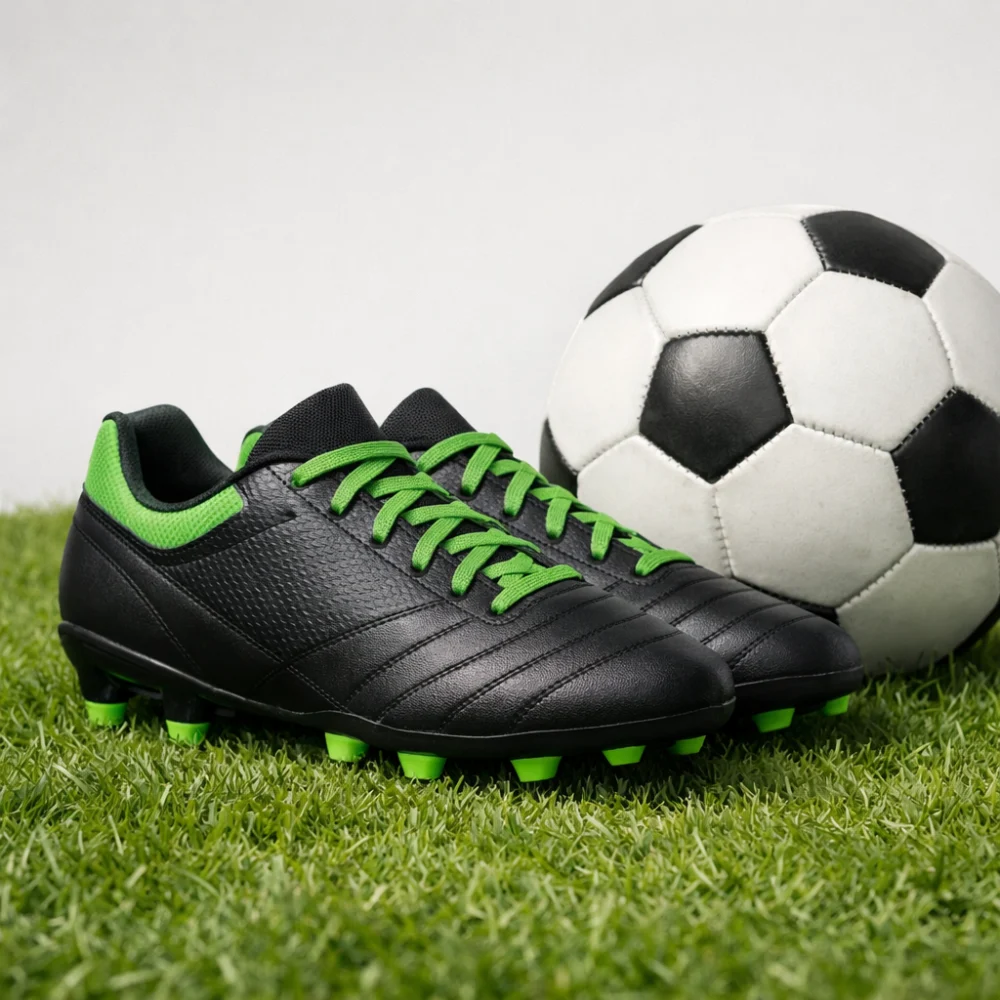
Football boots can make a big difference to comfort, grip and confidence, but the right choice depends on where you play and how often you use them. A pair that feels ideal on one surface can feel less suitable on another, so the first step is to match the boot to the pitch rather than the brand name.
This guide helps you compare the main choices without getting lost in model names or styling. It focuses on the practical details that matter most when you are buying for match play, training or general use.
Because the category covers a wide range of boots, it is worth separating surface compatibility, fit and comfort before looking at design details. Specifications vary by model, so always check the individual product page before buying.
What should you look for first?
Start with the surface you will play on most often, then narrow the choice by fit, upper feel and how much structure you want. For many buyers, that order matters more than colour, collection name or the latest style update. A sensible starting point is to choose the correct soleplate for your main playing surface, then make sure the boot shape and fastening style suit your foot.
| Feature | What it means | Why it matters | What to check |
|---|---|---|---|
| Playing surface | The ground the boot is designed to be used on most often | Grip, comfort and wear depend on the surface | Check the soleplate description and whether it matches firm ground, artificial ground or multi-ground use |
| Fit | How the boot matches the shape and length of your foot | A poor fit can feel cramped, loose or distracting during play | Look for size guidance, width notes and whether the boot is described as narrow, regular or roomier where available |
| Upper feel | The material and overall feel of the part that wraps the foot | It affects touch on the ball, comfort and how structured the boot feels | Read the product description for material and construction details |
| Support and lockdown | How securely the boot holds the foot in place | Some players prefer a close, controlled feel; others want more freedom | Check collar shape, lacing style and any mention of a more locked-in fit |
| Durability | How well the boot is likely to stand up to repeated use | Regular training can wear boots differently from occasional kickabouts | Consider the materials, the pitch type and how often you will wear them |
| Intended use | Whether the boot is aimed at match play, training or general football use | Different use patterns place different demands on comfort and wear resistance | Look at the product title and description for the intended level or use case |
Key decision criteria
1. Surface compatibility
This is usually the most important decision. Football boots are typically chosen for the surface you play on most, because the sole and stud layout are part of what makes the boot feel stable and responsive. If you mainly play on artificial surfaces, for example, you may want to look for a boot that is described as suitable for that environment rather than assuming any football boot will do.
2. Fit and foot shape
Fit affects both comfort and performance. Some boots feel more snug and streamlined, while others may feel more forgiving. If you know you prefer a bit more room at the forefoot, or you usually need a close fit to stop slipping, let that guide your shortlist. A boot that is technically suitable for the pitch but uncomfortable on your foot is unlikely to be a good buy.
3. Upper material and touch
The upper influences how the boot feels when you control, pass and strike the ball. Some buyers prefer a softer feel, while others want a firmer, more structured upper. The description on the product page should give you the clearest clue about this, but avoid assuming that a particular term always means the same feel across all models.
4. Lockdown and support
How a boot secures the foot can change the overall experience more than many buyers expect. A closer fit can feel more precise, while a slightly more relaxed feel may suit players who prioritise comfort over a tightly wrapped sensation. Lacing style, collar shape and the general cut of the boot all contribute to this balance.
5. Durability and frequency of use
If you play often, especially on harder or more abrasive surfaces, durability becomes a bigger consideration. A boot for occasional weekend use may suit a different balance of comfort and materials from one intended for repeated training sessions. Think about your actual playing routine rather than assuming one boot should handle every situation equally well.
Common football boot types and variants
The main variations in this category are usually about surface and fit rather than completely different product categories. You may see boots described for firm ground, artificial ground or multi-ground use, and those differences matter because they relate to traction and wear.
- Firm ground boots are generally aimed at natural grass pitches that are in good condition. They suit many traditional outdoor players, but they are not automatically the right choice for every surface.
- Artificial ground or multi-ground boots are intended to be more adaptable across different pitches. They can be useful if you move between surfaces, but you should still check the product description carefully.
- Entry-level and performance-oriented boots usually differ in feel, materials and the amount of structure they provide. The right choice depends on whether you want a straightforward boot for casual use or something more focused on match performance.
Which football boots suit different buyers?
| Buyer need | What to prioritise | What to avoid overlooking |
|---|---|---|
| Regular match player | Surface match, secure fit and a balanced feel | Do not ignore how the boot behaves on the pitch you use most |
| Training-focused buyer | Comfort and durability for repeated sessions | Check whether the boot is suitable for the surface and frequency of use |
| Occasional recreational player | Comfort, ease of wear and straightforward fit | Do not overpay for features you are unlikely to notice |
| Buyer with a specific fit preference | Width, toe room and how secure the boot feels | Read the description closely rather than choosing only by appearance |
| Gift buyer | Versatile styling and a sensible surface match | Size and fit matter more than a generic football label |
Common mistakes and misunderstandings
- Choosing by looks alone. A boot that looks right may still be a poor match for the pitch or the foot shape.
- Assuming all football boots suit every surface. The sole and stud pattern are central to how the boot performs and wears.
- Focusing only on the latest model name. Practical fit and intended use usually matter more than the headline range name.
- Ignoring the difference between snug and tight. A secure feel can be helpful, but a boot should not feel restrictive or uncomfortable.
- Buying for one use but expecting another. A boot for occasional casual play may not be the best choice for frequent training.
Safety and suitability caveats
Football boots should be suitable for the intended pitch and the way they will be used. If a product page gives surface guidance, treat that as an important part of the buying decision rather than an optional detail. It is also sensible to think about comfort, stability and foot shape, especially if the wearer will use the boots regularly or for longer sessions.
Maintenance, storage and lifespan
General care can help boots stay usable for longer, but the exact needs depend on the materials and construction. After use, it is sensible to remove dirt and let the boots dry naturally before storing them. Frequent use, abrasive surfaces and poor storage conditions can all shorten their useful life, so it is worth choosing a boot that matches how often you actually play.
How to compare football boots efficiently
- Start with the surface you play on most often.
- Check the fit and think about whether you prefer a snug or more relaxed feel.
- Compare the upper and the level of structure you want from the boot.
- Look at durability in the context of how often you will wear them.
- Read the individual product page carefully before deciding.
Summary buyer decision checklist
- Have you matched the boot to the main playing surface?
- Does the fit suit your foot shape and comfort preference?
- Is the boot intended for the type of use you have in mind?
- Have you checked the upper, support and general feel description?
- Have you considered how often you will wear them?
- Does the product page give any extra details that affect your choice?
Frequently asked questions
What is the most important thing to check before buying football boots?
The surface is usually the first thing to check, because it has the biggest effect on traction and wear. After that, focus on fit, since a boot that matches the wrong surface but feels comfortable is still not the right choice. Specifications vary by model, so always check the individual product page before buying.
Should football boots fit snugly?
Many players prefer a secure fit, but snug should not mean painful or restrictive. The right amount of close contact depends on your foot shape and preference. If you are between sizes or unsure about width, use the product description to help narrow the choice.
Can I use the same boots on different surfaces?
Some boots are designed to be more versatile than others, but not every boot is suitable for every surface. If you move between pitch types, look carefully for wording that indicates multi-ground or broader surface use. Even then, it is still worth checking the product page rather than assuming full interchangeability.
Do more expensive football boots always perform better?
Not necessarily. Higher-priced boots may offer different materials, construction or feel, but the best choice is the one that suits your surface, fit and use pattern. A simpler boot can be a better buy if it matches what you actually need.
How do I choose football boots as a gift?
Try to find out the wearer’s usual size, foot width and the surfaces they play on. If you cannot confirm those details, a versatile style may still be useful, but fit should remain the main concern. A football boot that looks good but does not suit the recipient’s foot will be disappointing.
What if I only play occasionally?
For occasional use, comfort and a sensible surface match usually matter more than advanced features. You may not need a highly specialised boot if you only play now and then. Focus on a straightforward pair that feels comfortable and suits the surface you will use most.

