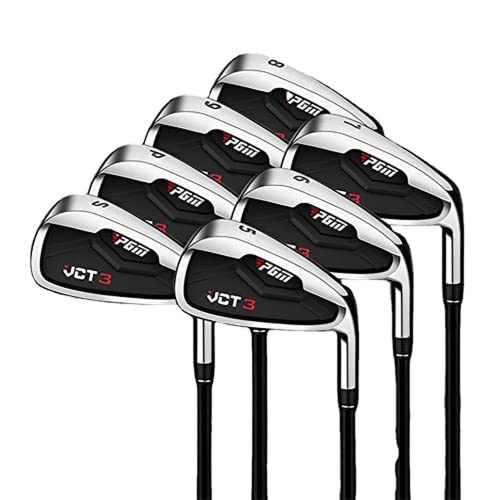
Golf Club Irons
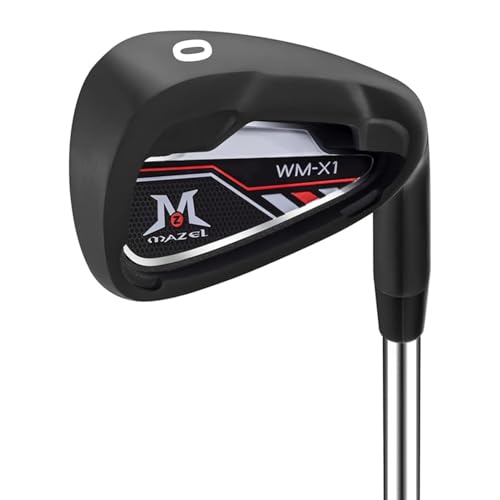
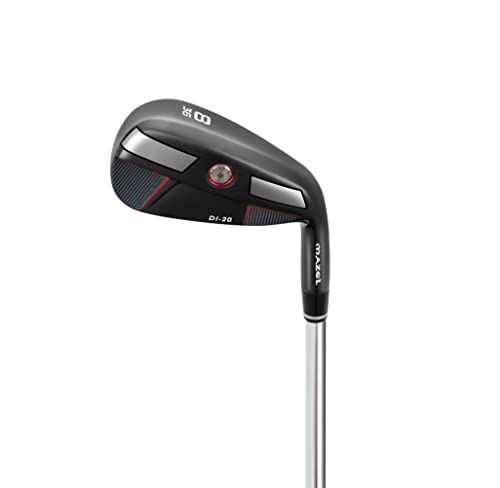
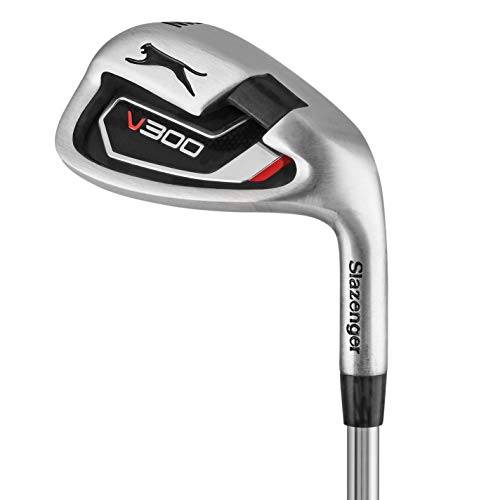
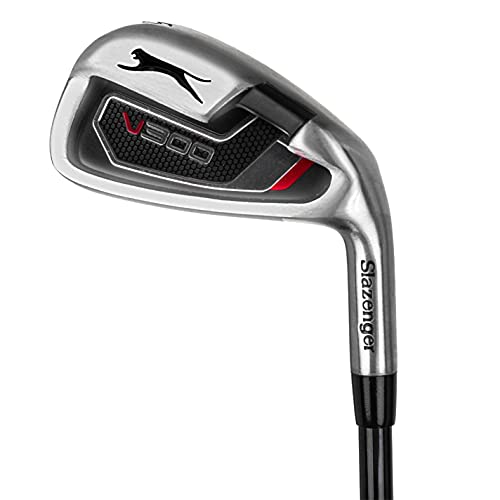
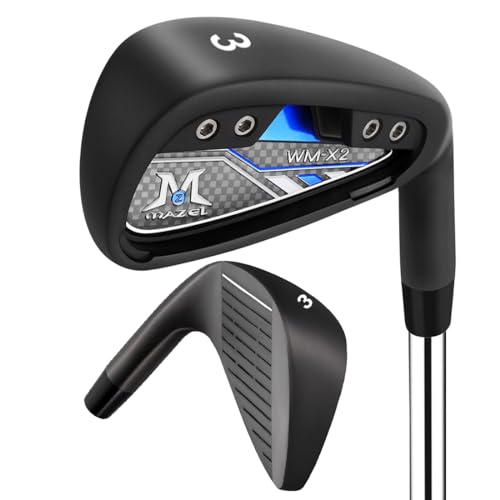
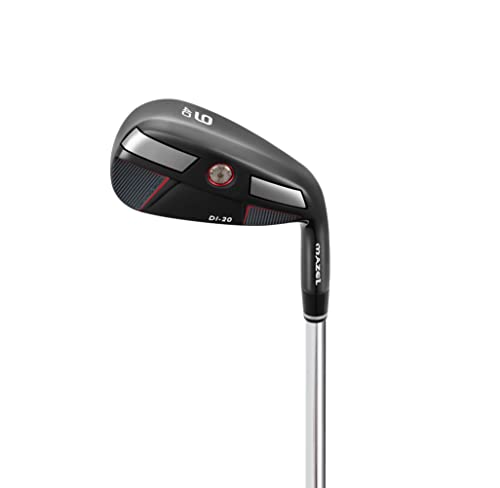
Golf club irons are essential golf clubs used for approach shots, tee shots on shorter holes, fairway shots, recovery shots and controlled play into the green. This category is ideal if you need golf iron sets, beginner irons, forgiving irons, individual replacement irons, graphite shaft irons, steel shaft irons, senior irons, women’s irons, men’s irons or junior golf irons.
The right golf irons depend on your experience level, swing speed, height, strength, strike consistency and the type of shots you want to play. A beginner may need forgiving irons that are easier to launch, while a regular golfer may want irons that offer better distance control, feel, accuracy or confidence at address.
What Are Golf Club Irons?
Golf irons are clubs with relatively narrow heads compared with drivers, fairway woods and hybrids. They are usually used when the golfer wants more control over distance and direction.
Irons are commonly numbered, with lower numbered irons designed for longer shots and higher numbered irons designed for shorter, more controlled shots. Many iron sets also include or work alongside wedges for short approach shots and shots around the green.
Irons are some of the most used clubs in a golf bag because they cover many situations between long tee shots and putting.
What Are Golf Irons Used For?
Golf irons are used for a wide range of shots. They can be used from the fairway, rough, teeing area, light trouble lies and approach positions around the course.
A golfer may use an iron to hit towards the green, lay up short of a hazard, play a controlled tee shot, escape from light rough or manage distance on a par 3 hole.
The main strength of irons is control. They help golfers choose a club for a specific distance and play a more measured shot than a driver or fairway wood.
How To Choose The Right Golf Irons
Start with your ability level. Beginners usually benefit from irons that are forgiving, easy to launch and confidence inspiring. More experienced golfers may want irons that offer more feel, workability and distance control.
Forgiveness is one of the most important buying factors. A forgiving iron can help reduce the effect of off centre strikes, which is useful when ball striking is still developing.
Also think about shaft type, club length, lie angle, grip size and set composition. Golf irons should feel comfortable to swing and should suit the golfer using them, not just look good in the bag.
Golf Iron Sets
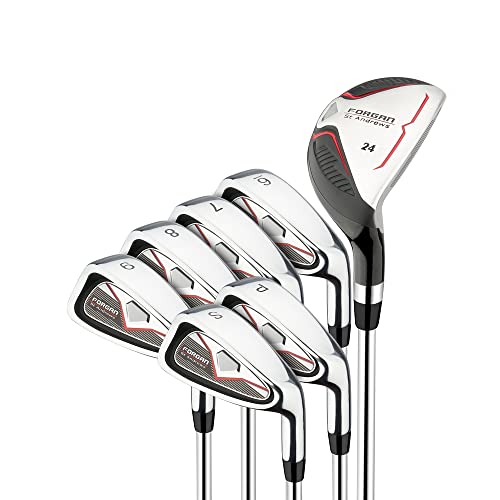
Golf iron sets usually include several irons designed to work together with consistent spacing between clubs. A set may include long irons, mid irons, short irons and sometimes wedges, depending on the product.
Buying an iron set can be easier than choosing individual irons because the clubs are designed to match in feel, shaft type, grip and appearance.
Iron sets are useful for beginners, improving players and regular golfers who want a consistent setup through the bag.
Individual Golf Irons
Individual golf irons are useful if you need to replace a missing club, add a specific distance option or complete a set. They can also be useful if one club in the bag is worn, damaged or no longer suits your game.
When buying an individual iron, check loft, shaft type, shaft flex, length, grip and whether it fits with the rest of your clubs.
A single iron should make sense within your distance gaps. It should not overlap too much with another club or leave a large gap to the next one.
Long Irons, Mid Irons And Short Irons
Long irons are used for longer shots, but they can be harder to launch and control. Many golfers now replace some long irons with hybrids because hybrids can feel easier to hit.
Mid irons are useful for approach shots from moderate distances. They often form the heart of an iron set because they balance distance and control.
Short irons are used for shorter approach shots and more controlled play into the green. They are generally easier to launch than long irons and can help with accuracy from closer distances.
Forgiving Irons And Game Improvement Irons
Forgiving irons are designed to help golfers when the strike is not perfect. They often have larger heads, wider soles or design features that make the club feel easier to launch.
Game improvement irons are popular with beginners, higher handicap golfers and improving players who want more confidence from the fairway and tee.
The main benefit is consistency. A forgiving iron can help make mishits less punishing and make the game feel more enjoyable.
Cavity Back Irons, Muscle Back Irons And Blade Style Irons
Cavity back irons have weight distributed around the back of the club head. They are usually more forgiving and are common in beginner and improvement focused iron sets.
Muscle back and blade style irons are usually more compact and are often chosen by stronger ball strikers who want more feel and control. They can be less forgiving on off centre hits.
The better choice depends on ability and confidence. Most beginners and many regular golfers are better suited to forgiving cavity back or game improvement irons.
Steel Shaft Or Graphite Shaft Irons?
Steel shafts are common in many iron sets and often feel stable and controlled. They can suit golfers who prefer a heavier feel or more traditional response.
Graphite shafts are usually lighter and may suit golfers who want easier swing speed, less weight or a softer feel. They are often popular with seniors, juniors, women golfers and players who prefer lighter clubs.
The right shaft depends on the golfer. Weight, flex, feel and control all matter.
Shaft Flex, Club Length And Grip Size
Shaft flex affects how the iron feels during the swing. A shaft that is too stiff may feel hard to launch, while a shaft that is too flexible may feel difficult to control.
Club length affects posture, strike and comfort. Taller golfers may need longer clubs, while shorter golfers may benefit from shorter clubs.
Grip size matters too. A grip that is too small or too large can affect hand comfort and club control. Worn grips should be replaced when they become smooth, hard or slippery.
Loft, Lie And Distance Gapping
Loft affects how high and far the ball is likely to travel. Lower loft irons usually go further, while higher loft irons usually fly shorter and higher.
Lie angle affects how the club sits on the ground at address and impact. A lie angle that does not suit the golfer can affect direction and strike quality.
Distance gapping means having sensible distance differences between clubs. A good iron setup should help you choose the right club without large gaps or unnecessary overlap.
Irons Or Hybrids?
Hybrids are often easier to launch than long irons and can be useful from the tee, fairway and light rough. Many golfers replace lower numbered irons with hybrids for more confidence.
Irons can offer more control and a more traditional feel, especially in the mid and short part of the set. They are useful when distance accuracy matters.
The best setup may include both. Hybrids can replace harder long irons, while irons remain useful for controlled approach shots.
Irons Or Wedges?
Irons are generally used for longer and mid range approach shots. Wedges are used for shorter approach shots, chips, pitches, bunker shots and shots around the green.
Many iron sets include a pitching wedge, but golfers may add specialist wedges for more short game options.
The right mix depends on distance gaps and the shots you play most often. Irons should blend naturally into the wedges at the shorter end of the bag.
Men’s, Women’s, Senior And Junior Golf Irons
Men’s golf irons, women’s golf irons, senior irons and junior irons may differ in club length, shaft weight, shaft flex, grip size and head design.
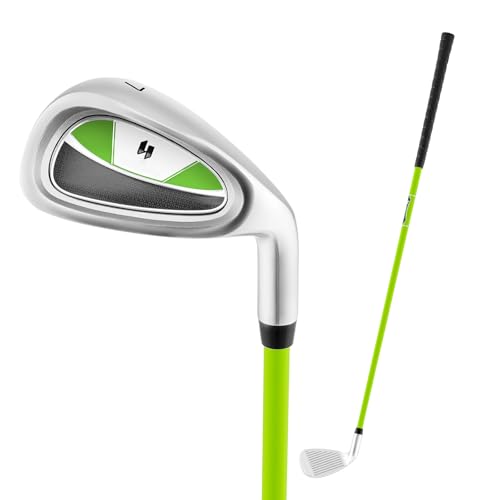
Women’s and senior irons often use lighter shafts or more flexible designs to support launch and comfort. Junior irons should be shorter, lighter and suitable for a child’s height and strength.
Do not choose only by label. Choose irons that fit the person using them and help them swing with confidence.
Left Handed And Right Handed Golf Irons
Golf irons are normally made in right handed and left handed versions. A right handed golfer needs right handed irons, while a left handed golfer needs left handed irons.
Choosing the correct handedness is essential. A club built for the wrong side will not be suitable.
If buying for someone else, check which way they play before choosing an iron set or individual iron.
Golf Irons For Beginners
Beginners should choose irons that are forgiving, comfortable and easy to launch. A cavity back or game improvement style iron set is usually a sensible starting point.
It is usually better to choose irons that make the game easier rather than advanced irons that require perfect ball striking.
A beginner may not need every iron straight away. A practical set with useful distance coverage can be enough while technique and confidence develop.
Golf Irons For Regular Players
Regular golfers may want irons that improve consistency, feel and distance control. If you play often, the right irons can help you feel more confident on approach shots and par 3 holes.
Think about where your current irons are holding you back. Are long irons difficult to launch? Are distances inconsistent? Do short irons feel hard to control? Do the shafts feel too heavy or too light?
A useful upgrade should solve a real problem in your game rather than simply being newer.
Golf Irons For Practice And The Driving Range
Irons are excellent clubs for practice because they help golfers work on strike, posture, alignment and distance control.
Driving range practice can help you learn how far each iron travels and which clubs feel most reliable. Shorter irons can help build confidence before moving into mid irons and longer clubs.
Practice with purpose. Hitting the same iron repeatedly without a target may be less useful than working on distance, direction and consistency.
Looking After Golf Irons
Golf irons should be kept clean and dry. Dirt, grass and mud can build up on the face and grooves during a round.
Use a towel or club brush to clean the face after shots, especially from wet grass, bunkers or muddy lies. Dry clubs properly after wet rounds.
Check grips regularly and replace them when worn. Store irons safely in a golf bag and avoid leaving clubs damp in a car boot, shed or garage for long periods.
Useful Accessories To Consider
Useful accessories to pair with golf irons include golf balls, tees, golf gloves, golf bags, towels, club brushes, iron covers, rangefinders, alignment sticks and practice nets.
A towel and brush help keep iron faces and grooves cleaner. A rangefinder or GPS device can help with distance decisions. Practice aids can help with alignment, strike and swing consistency.
Choose accessories that support your iron play and make your rounds more organised.
Why Buy Golf Club Irons From YPC?
At YPC, we understand active lifestyles and the need for practical sports equipment that works in real play. Golf irons should feel comfortable, suit your ability and give you confidence from the fairway, tee and approach positions.
Browse the Golf Club Irons range, compare the options and choose the iron set or individual irons that fit your game, distance gaps and playing routine.
Golf Club Irons FAQs
What are golf irons used for?
Golf irons are used for approach shots, tee shots on shorter holes, fairway shots, recovery shots and controlled play into the green.
What irons does a beginner need?
Beginners usually need forgiving irons that are easy to launch and comfortable to swing. A starter iron set or package set can be a practical choice.
What is the difference between long irons and short irons?
Long irons are designed for longer shots but can be harder to hit. Short irons are designed for shorter, more controlled approach shots.
Are long irons hard to hit?
Long irons can be harder to launch and control than mid or short irons. Many golfers replace some long irons with hybrids.
What are game improvement irons?
Game improvement irons are designed to be more forgiving and easier to launch, making them useful for beginners, higher handicap golfers and improving players.
What are cavity back irons?
Cavity back irons have weight distributed around the back of the club head to help increase forgiveness compared with more compact blade style irons.
What are blade style irons?
Blade style irons are more compact and usually aimed at confident ball strikers who want more feel and control. They are often less forgiving.
Should I choose steel or graphite shaft irons?
Steel shafts often feel stable and traditional. Graphite shafts are usually lighter and may suit golfers who want easier swing speed or a softer feel.
What shaft flex should I choose for irons?
Shaft flex should suit your swing speed, strength and feel preference. A shaft that is too stiff or too soft can make control harder.
Do I need custom fitted irons?
Custom fitting can be useful, especially if standard clubs feel awkward or you play regularly. Beginners can still start with forgiving standard sets if they suit their size and swing.
Are hybrids better than irons?
Hybrids can be easier to launch than long irons, but irons can offer more control for approach shots. Many golfers use both.
How many irons should I carry?
This depends on your set, distance gaps and the other clubs in your bag. Make sure your irons fit sensibly alongside woods, hybrids, wedges and putter.
Do irons count towards the club limit?
Yes, irons count as clubs in your golf bag. If playing under standard rules, make sure your total club count stays within the allowed limit.
Can I buy one golf iron instead of a full set?
Yes, individual irons can be useful for replacing a missing club, filling a distance gap or adding a specific option to your bag.
How do I know if my irons are too long or too short?
Irons may be the wrong length if your posture feels awkward, strike pattern is poor or setup feels uncomfortable. Club fitting or advice from a professional can help.
When should I replace golf irons?
Replace irons when they are worn, damaged, uncomfortable, no longer suit your swing or leave distance gaps that make course management difficult.
How do I clean golf irons?
Wipe the club face after shots, clean grooves with a brush when needed and dry the clubs properly after wet rounds.
What accessories go well with golf irons?
Useful accessories include golf balls, tees, gloves, towels, club brushes, rangefinders, golf bags, alignment sticks and practice nets.
Getting ready for Summer? View our Home and Garden Products
Heading outdoors this winter? Take a look at our Outdoor Clothing.