

Tennis Racket Strings
Tennis racket strings are a key part of how a racket feels and performs during play. Whether you are replacing broken strings, adjusting your setup or choosing string for a new racket, the right tennis racket strings can help you find a better balance of comfort, control, power and durability.
This category can include individual string sets, reels, synthetic strings, multifilament strings, polyester strings and hybrid string options, depending on the products listed. Features vary by product, so always check the listed string type, gauge, length and suitability before buying.
- Tennis Racket Strings
24-Day Tennis Advent Calendar with 2D Acrylic Ornaments
£4.38 *View On Amazon* - Tennis Racket Strings
vvchwei 4-Piece Strawberry Tennis Racket Vibration Dampeners
£6.99 *View On Amazon* - Tennis Racket Strings
Your Racket Is Not the Problem: A Materials Scientist’s Guide to Tennis Gear
£3.71 *View On Amazon* - Tennis Racket Strings
UZEXYO Tennis Racket Dampeners, 2 Pack String Shock Absorbers
£5.99 *View On Amazon* - Tennis Racket Strings
CYSFETENA 3-Piece Silicone Tennis and Badminton Racket Dampeners
£7.09 *View On Amazon* - Tennis Racket Strings
XIXILINRUIYUN 4-Piece Tennis Racket Shock Absorber Set, Red and Blue
£3.59 *View On Amazon* - Tennis Racket Strings
Luxilon Alu Power 128 RG Set Racket String, Blue/White, 12.2 m
£24.59 *View On Amazon* - Tennis Racket Strings
PATIKIL Tennis Dampener 6 Pack Silicone Racquet String Dampers
£9.89 *View On Amazon* - Tennis Racket Strings
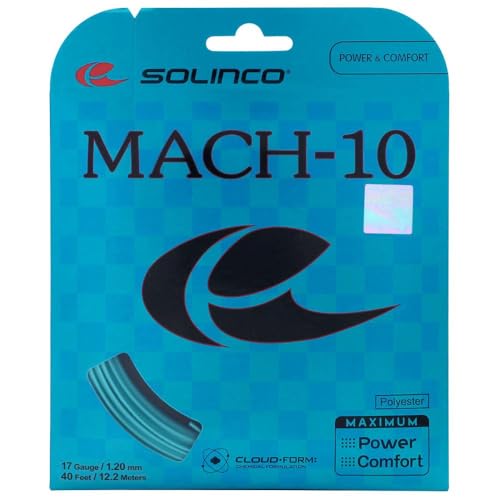
YONEX POLYTOUR REV 120 White Tennis String Set 12M 1.20mm
£16.95 *View On Amazon*




What Are Tennis Racket Strings?
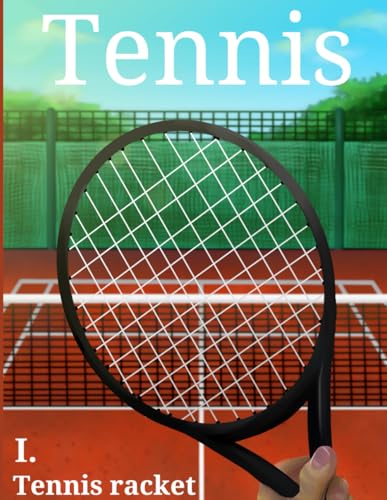
Tennis racket strings are the material fitted across the head of a tennis racket. They form the hitting surface that makes contact with the ball.
Strings have a major influence on how a racket feels in the hand. They can affect ball response, comfort, spin potential, control, power and durability, depending on the string type, tension and playing style. Even the same racket can feel noticeably different with a different string setup.
What Are Tennis Racket Strings Used For?
Tennis racket strings are used to restring tennis rackets when the original strings break, lose feel or no longer suit the player. They are also used by players who want to adjust how their racket plays.
A player who wants more comfort may look for a softer string where suitable. A player who wants more durability may compare firmer string types. A player who hits with heavy topspin may look at strings designed to support spin potential where listed. The right choice depends on the player, the racket and the type of tennis being played.
How To Choose The Right Tennis Racket Strings
Start by thinking about your playing level and style. A beginner may want a comfortable, forgiving string that feels easy to use. A regular player may compare durability, control and feel. An experienced player may be more specific about string type, gauge and tension.
Next, consider comfort. Some strings may feel softer on contact, while others may feel firmer and more controlled. If you have experienced arm discomfort, it is sensible to choose carefully and consider advice from a coach, stringer or suitable professional where needed.
Durability is another important factor. Players who break strings often may want to compare stronger or thicker options where suitable. Players who rarely break strings may place more importance on feel, comfort or touch.
Also check whether you need a single set or a reel. A single set may suit occasional restringing, while a reel may be more practical for frequent restringing or club use where suitable.
Key Features To Compare
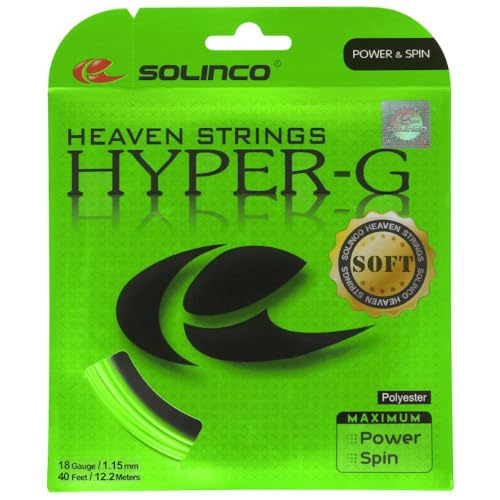
String type is one of the most important comparison points. Synthetic gut strings are often chosen as versatile all round options. Multifilament strings may appeal to players looking for a softer feel where listed. Polyester and co polyester strings may be chosen by players who want a firmer response or extra durability, depending on the product.
Gauge is also worth comparing. Thinner strings may offer more feel or response, while thicker strings may offer more durability, depending on the material and player style. Always check the gauge listed in the product details.
String length matters too. Some products may be sold as individual sets, while others may be supplied as reels. Make sure the product provides enough string for the intended restringing job.
Other useful details to compare include colour, material, coating, tension guidance, hybrid suitability, comfort notes, control feel and whether the string is intended for regular play, training or performance focused use where stated.
Tennis Racket Strings Compared With Replacement Grips And Other Racket Accessories
Tennis racket strings affect the ball contact and playability of the racket. Replacement grips and overgrips affect how the racket feels in the hand. Both matter, but they do different jobs.
Changing your grip can improve hand comfort, hold and feel, but it will not change the ball response in the same way as restringing. Changing your strings can make the racket feel livelier, softer, firmer or more controlled, depending on the string choice and tension.
The main trade off is where you want the improvement. If the racket slips in your hand, look at grips. If the racket feels dull, harsh, too powerful or lacking control, strings may be the better place to start.
Different Types Of Tennis Racket Strings
Synthetic gut strings are often used as versatile strings for a wide range of players. They can be a practical choice for beginners, casual players and those who want a straightforward restringing option.
Multifilament strings are usually chosen by players looking for comfort and a more cushioned feel where listed. They may suit players who prefer a softer response from the string bed.
Polyester and co polyester strings are often selected by players who hit harder, swing faster or want a firmer feel. They may offer good durability for some players, but they can feel less forgiving than softer strings.
Hybrid string setups use different strings in the mains and crosses. This can help blend characteristics such as durability, control, comfort or feel, depending on the strings used and the product guidance.
Guidance For Beginners, Regular Players And Experienced Players
Beginners should usually focus on comfort, ease of use and good all round playability. A forgiving string can make the racket feel easier to control while basic technique develops.
Regular players may want to compare string type, gauge and durability more carefully. If you play every week, changes in tension, feel and string condition become easier to notice.
Experienced players often have stronger preferences. They may choose specific strings for spin, touch, control, firmness, comfort or match consistency. They may also experiment with hybrid setups or different tensions through a qualified stringer where suitable.
Use Cases By Player Type And Activity
For casual tennis, a comfortable and versatile string may be the most practical choice. The aim is usually a racket that feels pleasant and dependable without needing too much technical fine tuning.
For club tennis, players may want a string that balances comfort, control and durability. Regular match play can expose weaknesses in a string setup, especially if the player hits with more pace or spin.
For coaching and training, durability and consistent feel can matter because rackets may be used often. Players who practise frequently may benefit from monitoring when their strings start to feel tired.
For competitive play, players may compare more specific details such as tension feel, string movement, ball pocketing, control and response. A reliable string setup can help the racket feel predictable during important points.
For junior players, comfort and suitability should come first. Avoid choosing a string only because it is used by advanced adults, as younger players may need a more forgiving option.
Fit, Compatibility And Stringing Considerations
Not every string is suitable for every player or racket setup. Always check the product details and your racket requirements before buying.
String length should be suitable for the racket and the intended stringing method. If using a hybrid setup, make sure each string is suitable for its intended position in the racket.
Tension is also important. Strings fitted at different tensions can feel very different. Lower tensions may feel more powerful or comfortable for some players, while higher tensions may feel firmer or more controlled. Always follow racket guidance and use a skilled stringer where appropriate.
If you are unsure which string to choose, it may help to speak with a coach, stringer or experienced player who understands your racket and playing style.
Comfort And Safety Considerations
The wrong string setup can feel uncomfortable, especially if the string is too firm, too tight or unsuitable for the player. This is particularly important for players who have had arm, wrist or shoulder discomfort.
Strings cannot prevent injury, but a more suitable setup may feel easier to play with. If discomfort continues, stop playing and seek appropriate advice.
Players should also avoid using badly worn, frayed or damaged strings for too long. Worn strings may feel inconsistent and can break during play.
Care, Maintenance And Restringing
Tennis racket strings naturally lose tension and feel over time, even if they do not break. How quickly this happens depends on playing frequency, string type, tension, storage conditions and hitting style.
Check your strings regularly for fraying, notching, movement or loss of response. If the racket starts to feel dull, harsh or unpredictable, restringing may help.
Avoid leaving rackets in very hot, cold or damp places for long periods, as this can affect the strings and racket. Store the racket in a suitable bag where possible and keep it away from unnecessary impact.
Storage Tips For Tennis Strings
Unused tennis strings should be stored in a dry, sensible place away from unnecessary heat, moisture and sharp objects. Keep sets in their packaging until needed so they stay clean and easy to identify.
If buying reels, store them carefully so the string does not become tangled or damaged. Check the string type, gauge and colour before cutting or supplying it for restringing.
For players with more than one racket, it can help to keep a note of which strings and tensions are used in each racket. This makes it easier to repeat a setup that feels right.
Useful Accessories To Consider
Useful accessories may include replacement grips, overgrips, vibration dampeners, racket bags, tennis balls, string savers where suitable and court clothing. Players who restring regularly may also want to compare reels and spare sets.
A fresh grip and fresh strings can make a racket feel much more pleasant to use. If your racket feels tired, it may be worth checking both the string bed and the handle grip before deciding what needs replacing.
Why Buy From YPC?
At YPC, we understand active lifestyles and the need for practical products that work in real use. Tennis racket strings can vary by material, gauge, comfort, durability, feel and suitability, so it helps to compare the details carefully before choosing.
YPC makes it easier to browse tennis racket strings in a practical way, with options that can be compared by listed features, playing style and restringing needs. Whether you are buying a single set, comparing string types or looking for strings for regular play, you can browse and compare tennis racket strings at YPC to find suitable options for your racket.
FAQs
What tennis racket strings should I choose?
Choose based on your playing level, comfort needs, durability requirements and preferred feel. Beginners often benefit from versatile, comfortable strings, while regular players may compare material, gauge and tension more closely.
What is the difference between synthetic gut and polyester tennis strings?
Synthetic gut strings are often chosen as versatile all round strings. Polyester strings usually feel firmer and may appeal to players who want more durability or control, depending on the product and playing style.
Are multifilament tennis strings good for comfort?
Multifilament strings may be a good option for players looking for a softer feel where listed. They are often chosen by players who prefer comfort over a very firm string bed.
What does tennis string gauge mean?
Gauge refers to the thickness of the string. Thinner strings may offer more feel or response, while thicker strings may offer more durability, depending on the material and player style.
How often should tennis racket strings be replaced?
This depends on how often you play, your string type and your hitting style. Replace strings when they break, feel dead, lose control, become badly worn or no longer feel comfortable.
Can I use any string in any tennis racket?
Not always. You should check your racket requirements, string length, tension guidance and product details before choosing. A qualified stringer can help if you are unsure.
What is a hybrid tennis string setup?
A hybrid setup uses one type of string in the main strings and another type in the cross strings. This can help blend different playing characteristics, depending on the strings used.
Do tennis strings affect power and control?
Yes, strings can affect how powerful, controlled, comfortable or responsive a racket feels. The result depends on string type, gauge, tension, racket design and how the player hits the ball.
 Getting ready for Summer? View our Home and Garden Products

Heading outdoors this winter? Take a look at our Outdoor Clothing.
