

Walking Insoles
Walking Insoles for Comfort, Fit and Everyday Hiking
Walking Insoles can help improve the feel of compatible walking boots, hiking shoes and trail footwear by replacing worn factory footbeds or changing the level of cushioning and support inside the shoe. They can be useful for everyday countryside walks, longer hikes and outdoor footwear that is otherwise comfortable but would benefit from a different internal fit.
The category may include cushioned insoles, supportive footbeds, heel-cushioning designs, moisture-managing options and trim-to-fit insoles for different shoe and boot sizes. When comparing products, consider length, width, thickness, arch shape, heel cup, cushioning, footwear volume and whether the insole can be trimmed. A thicker insole can make footwear noticeably tighter, so compatibility is important.
Walking Insoles should complement correctly fitting footwear rather than compensate for boots or shoes that are fundamentally the wrong size. Explore Walking Insoles at YPC to compare practical options for walking boots, hiking shoes and trail footwear.
- Walking Insoles
Men’s Gel Sports Insoles for Football and Rugby Boots
Original price was: £8.99.£6.99Current price is: £6.99. *View On Amazon* - Walking Insoles
FootActive COMFORT Premium Full-Length Orthotic Insoles – S, Blue, UK 5/6.5
£21.00 *View On Amazon* - Walking Insoles
Work Boot Insoles for Men, Memory Foam Anti-Fatigue for Standing All Day-E
£14.99 *View On Amazon* - Walking Insoles
Memory Foam Insoles for Men & Women with Arch & Heel Support, Green, UK 10/11
Original price was: £7.99.£6.99Current price is: £6.99. *View On Amazon* - Walking Insoles
riemot 2 Pairs Memory Foam Insoles Black 8UK/42EU
Original price was: £8.99.£7.63Current price is: £7.63. *View On Amazon* - Walking Insoles
Footmaster Plantar Fasciitis Pain Relief Insoles with Arch Support
Original price was: £11.98.£10.18Current price is: £10.18. *View On Amazon* - Walking Insoles
riemot Massage Insoles for Men and Women, Black 7 UK / 41 EU
Original price was: £6.99.£5.69Current price is: £5.69. *View On Amazon* - Walking Insoles
Memory Foam Insoles for Women Pink 6 UK
Original price was: £7.99.£6.79Current price is: £6.79. *View On Amazon* - Walking Insoles
Sorbothane Cush N Step Insoles – Arch Support, Plantar Fasciitis, UK 7
£8.41 *View On Amazon*


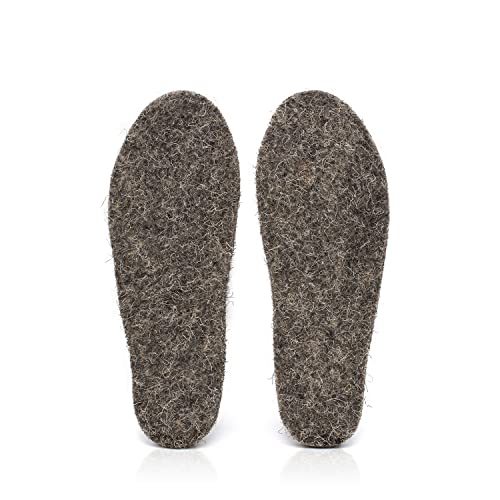


How to Choose Walking Insoles
Walking Insoles sit inside walking boots, hiking shoes and trail footwear to provide a surface between the foot and the shoe’s midsole. Most outdoor footwear already includes a factory footbed, but this can become compressed, damaged or uncomfortable over time, or simply provide a different feel from the one a particular walker prefers.
Replacing the original insole can alter cushioning, arch feel, heel position and the overall amount of space inside the footwear. That makes choosing the correct insole more important than simply finding one in the same shoe size.
A thicker, more cushioned insole may feel comfortable beneath the foot but can reduce toe room and create pressure over the instep. A thinner replacement may create too much space and allow the heel to move. A heavily shaped arch may suit one person but feel uncomfortable to another.
When comparing Walking Insoles, consider:
- Shoe or boot size
- Footwear type
- Internal length
- Forefoot width
- Heel width
- Insole thickness
- Arch shape
- Heel cup depth
- Cushioning
- Firmness
- Flexibility
- Moisture management
- Materials
- Whether the insole can be trimmed
- Whether the original insole is removable
- Available internal footwear volume
- Intended walking distance
- Terrain
- Sock thickness
The objective is not to fill the shoe with as much cushioning as possible. The aim is to create a comfortable fit without making the footwear too tight or unstable.
Main Types of Walking Insoles
Walking Insoles are available in several styles, ranging from simple replacement footbeds to more structured designs.
Cushioned Walking Insoles
Cushioned insoles are intended to provide a softer surface beneath the foot.
They may use materials such as:
- Foam
- Gel sections
- EVA-style cushioning
- Mixed-density materials
They can be useful for walkers who prefer additional softness beneath the heel and forefoot.
Potential advantages may include:
- Softer underfoot feel
- Additional comfort on hard surfaces
- Replacement for compressed factory insoles
Potential limitations can include:
- Reduced internal footwear space
- More movement if the cushioning is excessively soft
- Greater heat retention in some materials
Cushioning should be considered alongside stability.
Supportive Walking Insoles
Supportive insoles typically use firmer structures or more pronounced shaping.
They may include:
- Defined arch areas
- Structured heel cups
- Firmer midfoot sections
- Multi-density materials
Some walkers prefer this more structured feel, particularly in footwear where the original insole is flat or very soft.
A supportive retail insole should not automatically be treated as a medical orthotic.
If you require prescribed correction or have persistent pain, consult an appropriate healthcare professional.
Heel-Cushioning Insoles
Some insoles place additional cushioning beneath the heel.
These may suit walkers who prefer a softer feel when the heel strikes the ground.
They can be useful for:
- Long-distance walking
- Hard-packed paths
- Urban sections of mixed walks
However, additional heel thickness raises the foot inside the footwear and can affect heel hold.
Check that the heel remains securely positioned below the boot collar.
Full-Length Insoles
Full-length insoles run from the heel to the toes.
They are the most common replacement for factory hiking footbeds.
A full-length insole can alter:
- Heel fit
- Arch position
- Forefoot cushioning
- Overall footwear volume
The shape should closely match the interior of the footwear.
Three-Quarter Insoles
Three-quarter insoles generally support the heel and midfoot but stop before the toes.
They may leave more space in the forefoot.
However, they can create an edge beneath the foot if the design does not integrate smoothly with the footwear.
Check whether the product is intended for hiking or walking use.
Trim-to-Fit Walking Insoles
Trim-to-fit insoles are supplied slightly larger and can be cut to match the footwear.
This can be useful where:
- The shoe has an unusual shape
- Several sizes are covered by one product
- A close match to the original footbed is needed
Always follow the trimming guidance.
Cutting too much material cannot easily be reversed.
Size-Specific Insoles
Some Walking Insoles are manufactured to a specific shoe size and are intended to be used without trimming.
These can be convenient but still require a compatible internal shape.
A size-specific insole may be:
- Too narrow
- Too broad
- Too long
- Too short
for certain footwear despite matching the labelled shoe size.
Low-Volume Insoles
Low-volume insoles are relatively thin.
They can suit footwear with:
- Limited internal space
- Close-fitting uppers
- Thick socks
They may also be useful where a walker wants to replace a factory insole without significantly changing the overall fit.
High-Volume Insoles
Higher-volume insoles are generally thicker or more structured.
They may suit roomier footwear.
However, they can create excessive pressure if fitted into boots that already fit closely.
Moisture-Managing Insoles
Some insoles use materials intended to help move perspiration away from the foot or reduce moisture build-up.
These may include:
- Mesh surfaces
- Perforated foam
- Wicking fabrics
They can be useful for:
- Summer walking
- Long hikes
- Warm footwear
Moisture-managing does not mean the foot will remain completely dry.
Odour-Control Insoles
Some insoles include materials or treatments intended to reduce everyday shoe odour.
These may use:
- Charcoal
- Fragrance
- Odour-control treatments
Check the product information.
Odour-control insoles do not replace regular cleaning and drying of footwear.
Thermal Walking Insoles
Thermal insoles are designed to provide additional insulation beneath the foot.
They may include:
- Reflective layers
- Wool-style materials
- Insulating foam
These can be useful in cold conditions where compatible.
Additional thickness can make winter footwear tighter, so fit must be checked carefully.
Gel Walking Insoles
Gel sections may be used beneath the heel or forefoot for cushioning.
Gel can create a soft feel but may be heavier than simple foam.
Check whether the gel is distributed across the full footbed or only specific areas.
Memory Foam Walking Insoles
Some insoles use memory-style foam that compresses beneath the foot.
These may feel soft initially.
However, softness alone does not guarantee suitable walking support.
Check how the material behaves after prolonged use.
Walking Insoles Versus Factory Footbeds
Most walking boots and hiking shoes are supplied with a removable or fixed factory insole.
The original footbed may be perfectly suitable.
Replacement is more relevant when:
- The original becomes worn
- Cushioning has compressed
- The insole is damaged
- The fit could be improved slightly
- A different level of cushioning is preferred
Do not replace a suitable factory footbed simply because a replacement looks more technical.
The original may have been designed around the footwear’s internal volume.
Should You Remove the Original Insole?
In most cases, a full-length replacement insole should replace the original removable footbed rather than be placed on top of it.
Adding one on top of another can:
- Make the boot too tight
- Raise the heel
- Reduce toe room
- Create pressure
- Affect stability
Check the insole manufacturer’s instructions.
If the original is permanently fixed, confirm whether the replacement product is intended to sit above it.
Choosing Walking Insoles by Footwear Type
Walking Boots
Walking boots often have more internal volume than low hiking shoes, but this varies.
Replacement insoles can be useful where:
- The factory footbed is worn
- Extra cushioning is preferred
- A firmer underfoot feel is wanted
Check that the heel still sits correctly beneath the boot collar.
Hiking Shoes
Hiking shoes may have less internal space.
A thick insole can create pressure across the top of the foot.
Low-volume insoles may be more suitable where the shoe already fits closely.
Trail Shoes
Trail shoes often use lightweight factory footbeds.
Replacement insoles should not:
- Make the shoe too tight
- Reduce flexibility excessively
- Raise the foot too high
Check whether the trail shoe is intended for running as well as walking, because the original geometry may be important to fit.
Leather Walking Boots
Leather boots can sometimes have generous internal volume, but they may also fit closely once broken in.
Check the insole thickness before changing the footbed.
Waterproof Hiking Footwear
A replacement insole can be used inside waterproof footwear where compatible.
The insole itself does not normally affect the waterproof membrane, but excessive thickness can change how the foot sits and may increase rubbing.
Men’s Hiking Footwear
Men’s boots and shoes often use larger and sometimes higher-volume lasts, but this varies significantly.
Choose by dimensions rather than relying on the men’s label alone.
Women’s Hiking Footwear
Women’s footwear may use a different heel and forefoot shape.
A unisex insole can still work if the dimensions fit correctly.
Children’s Walking Footwear
Children’s Walking Insoles should be chosen carefully because growing feet require enough space.
Avoid adding thick insoles that make footwear tight.
Check fit regularly.
Getting the Correct Walking Insole Size
Walking Insoles are generally sized using the same type of shoe-size ranges as footwear.
However, shoe size is only part of the equation.
Two boots labelled UK size 9 can have different:
- Internal lengths
- Toe box shapes
- Heel widths
- Overall volumes
The original removable insole provides one of the most useful templates for comparison.
Using the Original Insole as a Template
If the old footbed is removable:
- Take it out.
- Place it on top of the replacement.
- Align the heels.
- Compare the edges.
- Mark the new insole where trimming is permitted.
- Cut gradually.
Do not assume the marked size line on a trim-to-fit product exactly matches your footwear.
Trimming Walking Insoles
Only trim if the manufacturer states that the insole is designed for it.
Use:
- Sharp scissors
- A stable work surface
- The original insole as a guide
Trim conservatively.
It is easier to remove a little more material than replace what has been cut away.
What Happens if an Insole Is Too Long?
An overlong insole may:
- Curl at the toe
- Bunch
- Move backwards
- Create pressure beneath the toes
Do not force it into the footwear.
Trim it if allowed or choose the correct size.
What Happens if an Insole Is Too Short?
An insole that is too short can leave a gap inside the shoe.
This may create:
- An uncomfortable edge
- Movement
- Reduced support
Choose a larger or better-matched replacement.
Insole Width
Width is just as important as length.
If the insole is too narrow, the foot may sit over the edge.
If it is too wide, it may curl along the sides.
Compare the forefoot width with the original footbed.
Heel Width
The heel section should sit flat within the shoe.
A heel cup that is too wide may fold or distort.
One that is too narrow may feel uncomfortable.
Walking Insole Thickness
Thickness can dramatically affect fit.
Thin Insoles
Thin designs may suit:
- Close-fitting boots
- Trail shoes
- Thick socks
- Low-volume feet
Medium-Thickness Insoles
These may provide a balance between cushioning and space.
Thick Insoles
Thicker designs may offer more cushioning but can reduce internal room.
Always recheck fit after installation.
How Insole Thickness Changes Boot Fit
A few millimetres of extra thickness may:
- Lift the heel
- Tighten the instep
- Reduce toe height
- Increase ankle-collar contact
This can turn comfortable footwear into an uncomfortable pair.
Do not assume an expensive insole will improve a boot if it changes the fit negatively.
Arch Shape
Walking Insoles may offer:
- Low arch
- Medium arch
- High arch
or simply use a general contoured design.
The arch shape should feel supportive rather than intrusive.
Persistent pressure or pain indicates that the shape may not suit your foot.
High-Arch Walking Insoles
Higher-arched designs may suit some users who prefer more support under the midfoot.
They can feel uncomfortable if the arch is positioned incorrectly or is too prominent.
Low-Arch Walking Insoles
Lower-profile designs can feel less intrusive.
They may suit walkers who prefer a flatter footbed.
Again, comfort is personal.
Arch Support and Medical Claims
General Walking Insoles should not automatically be used to diagnose or treat:
- Plantar fasciitis
- Flat feet
- Arthritis
- Tendon problems
- Foot deformities
unless a specific product is medically indicated and appropriate advice has been obtained.
Persistent pain should be assessed properly.
Heel Cups
A heel cup is the shaped area that surrounds the heel.
Deeper heel cups may help:
- Centre the heel
- Reduce sideways movement
- Create a more secure feel
However, a deep cup can raise the edges around the heel.
Check that it does not rub.
Heel Cushioning
Walking places repeated load through the heel.
Some insoles provide extra heel cushioning using:
- Softer foam
- Gel
- Additional material layers
This may improve comfort for some users.
Too much heel lift can affect overall footwear fit.
Forefoot Cushioning
Some insoles include additional cushioning beneath the ball of the foot.
This can be useful on hard surfaces.
However, excessive thickness in the forefoot can reduce toe space.
Full-Foot Cushioning
Some products use the same cushioning across the entire insole.
This can provide an even feel.
Others use different densities in specific zones.
Neither arrangement is universally preferable.
Soft Versus Firm Walking Insoles
Soft Insoles
Potential advantages:
- Comfortable initial feel
- Good cushioning
- Useful on hard surfaces
Possible limitations:
- Can compress
- May feel unstable
- May wear faster
Firm Insoles
Potential advantages:
- Stable feel
- Better shape retention
- More direct ground feedback
Possible limitations:
- May feel less cushioned
The best choice depends on preference and footwear.
Walking Insoles for Different Terrain
Countryside Paths
Moderately cushioned insoles can suit straightforward walking on mixed surfaces.
Woodland Trails
A stable footbed can help maintain a secure feel on uneven ground.
Hill Walking
Long climbs and descents can make heel hold and toe space particularly important.
Choose an insole that does not raise the foot too high.
Moorland
The insole itself provides little additional protection from mud or water, but moisture management can improve comfort.
Rocky Terrain
Some walkers prefer firmer insoles on rocky routes.
Very soft cushioning can feel less stable.
Hard-Packed Trails
Additional cushioning can be useful where the surface is firm.
Urban Walking
Walking routes that include substantial pavement can make heel and forefoot cushioning more noticeable.
Walking Insoles for Different Distances
Short Walks
For brief walks, the original factory footbed may be perfectly adequate.
Full-Day Walks
Longer outings can make:
- Cushioning
- Heel security
- Moisture management
more important.
Long-Distance Hiking
Multi-day walking exposes small fit issues quickly.
Test new insoles before departure.
Do not fit an untested pair immediately before a long-distance route.
Walking Insoles for Backpacking
A heavier backpack increases load through the feet.
Some walkers prefer a firmer or more supportive footbed under load.
Others prioritise cushioning.
Test the complete footwear system with the actual backpack weight where practical.
Walking Insoles for Dog Walking
Regular dog walking can involve repeated daily use.
A durable replacement footbed may be useful where original insoles become compressed.
Moisture management can also help with year-round outdoor use.
Walking Insoles for Travel
Replacement insoles can improve comfort during holidays involving:
- Sightseeing
- Hiking
- Long airport walks
Check that they fit both your walking footwear and any shoes you intend to use.
Do not repeatedly transfer one insole between very different shoe shapes unless it fits both correctly.
Walking Insoles for Summer
Summer priorities may include:
- Breathability
- Moisture management
- Lower thickness
Perforated or lightweight materials can help where listed.
Walking Insoles for Winter
Winter walkers may prefer:
- Additional insulation
- Slightly thicker cushioning
Check that the footwear still has enough internal room for winter socks.
A tight boot can reduce comfort and circulation.
Thermal Walking Insoles
Thermal insoles may include insulating layers.
They can help reduce heat loss through the sole where suitable.
They do not turn ordinary footwear into specialist winter boots.
Technical winter terrain may require purpose-designed footwear.
Walking Insoles and Walking Socks
The insole and sock must work together.
A thicker sock plus a thick insole can make footwear too tight.
Consider:
- Sock thickness
- Material
- Cushioning
- Season
Test the full system.
Lightweight Socks
Thin walking socks leave more internal space.
These may pair well with thicker insoles in some footwear.
Thick Walking Socks
Thick winter socks take up more space.
A lower-volume insole may be preferable.
Insoles and Heel Rubbing
Replacing an insole can sometimes alter heel position.
A thicker footbed may raise the heel closer to the collar.
This can either improve or worsen fit.
Stop using the replacement if it creates new rubbing.
Insoles and Toe Pressure
Additional insole thickness can reduce vertical space above the toes.
If the toes feel compressed, the insole may be too thick for the footwear.
Insoles and Instep Pressure
A thick insole lifts the entire foot upwards.
This can create pressure beneath the laces.
If numbness or tingling develops, stop and reassess fit.
Insoles and Heel Slip
A slightly thicker insole can sometimes reduce internal volume and improve heel security.
However, this should only be a small adjustment.
Do not use an excessively thick insole to compensate for footwear that is clearly too large.
Walking Insoles and Footwear Volume
Footwear volume describes the internal space available.
High-volume boots have more room around:
- Forefoot
- Instep
- Heel
Low-volume shoes fit more closely.
Choose an insole that complements this space.
Breaking In New Walking Insoles
Walking Insoles may need a short adaptation period, particularly where the arch shape is different from the old footbed.
Introduce them gradually:
- Wear them at home.
- Take a short walk.
- Increase duration.
- Check for pressure.
- Monitor heel and toe fit.
A mild change in feel is normal.
Pain, numbness or persistent pressure is not.
Testing Insoles Before a Long Walk
Before a demanding route, test the new insole on:
- Flat ground
- Hills
- Descents
- Several hours of walking
This helps identify problems before they become difficult to manage outdoors.
Walking Insoles and Blisters
An insole can affect blister risk by changing:
- Foot position
- Heel movement
- Internal friction
A poorly fitting replacement may create new rubbing.
Check hot spots early.
Insoles and Moisture
Feet produce perspiration during walking.
Some insoles use:
- Perforations
- Mesh
- Wicking surfaces
to help manage moisture.
The footwear and socks also affect overall breathability.
Ventilated Walking Insoles
Perforated insoles may improve air movement where the footwear design allows it.
Ventilation holes do not guarantee a cool foot inside heavily waterproof footwear.
Odour Control
Walking Insoles can absorb perspiration and develop odour over time.
Helpful steps include:
- Removing them after wet walks
- Drying them fully
- Cleaning where permitted
- Alternating footwear
- Replacing worn insoles
Some insoles include odour-control materials where listed.
Cleaning Walking Insoles
Cleaning depends on the material.
Some insoles can be:
- Wiped
- Hand washed
- Brushed
Others may not be washable.
Follow the product instructions.
Do not assume machine washing is suitable.
Hand Washing Walking Insoles
Where permitted:
- Use mild cleaning methods.
- Avoid soaking longer than necessary.
- Rinse where instructed.
- Press out excess water gently.
- Air dry fully.
Do not twist foam aggressively.
Machine Washing Walking Insoles
Only machine wash if the manufacturer specifically allows it.
Machine washing may affect:
- Foam
- Adhesives
- Gel sections
- Shape
Drying Walking Insoles
Allow insoles to dry naturally.
Avoid:
- Radiators
- Tumble dryers
- Hairdryers
- Open fires
unless permitted.
High heat can deform or separate materials.
Drying After Wet Walks
After a wet hike:
- Remove the insole.
- Shake off loose moisture.
- Place it somewhere ventilated.
- Dry the footwear separately.
- Refit only when both are dry.
Leaving wet insoles inside boots can slow drying and encourage odour.
Cleaning Gel Insoles
Check the care instructions.
Some gel products should only be wiped.
Do not puncture or cut gel sections.
Cleaning Charcoal Insoles
Charcoal-containing insoles may have specific care requirements.
Do not soak them unless the manufacturer allows it.
Cleaning Thermal Insoles
Reflective or layered thermal insoles may be damaged by harsh washing.
Follow the product-specific guidance.
When Walking Insoles Need Replacing
There is no universal replacement period.
Replacement depends on:
- Walking frequency
- User weight
- Terrain
- Materials
- Moisture exposure
- Cushioning type
Consider replacement when:
- Foam is permanently compressed
- Heel cushioning has collapsed
- Surface fabric tears
- Arch structure cracks
- Insole curls
- Odour cannot be removed
- Material separates
- The insole no longer lies flat
Compressed Walking Insoles
Foam gradually loses some resilience with repeated use.
A visibly compressed heel or forefoot may no longer provide the same cushioning.
Compare old and new thickness where useful.
Cracked Insoles
Structured plastic or composite sections can crack.
Stop using the product if the crack creates:
- Sharp edges
- Instability
- Movement
Torn Insole Covers
The fabric surface can wear through.
A small tear may not immediately affect performance, but it can enlarge and create rubbing.
Replace the insole if the surface becomes rough or uncomfortable.
Curling Insoles
A curling insole can move inside the footwear.
This may occur due to:
- Incorrect size
- Heat
- Moisture
- Material fatigue
Do not use an insole that repeatedly bunches under the foot.
Common Walking Insole Problems
The New Insole Makes My Boots Too Tight
The replacement is probably thicker or higher-volume than the original.
Try:
- A thinner insole
- Returning to the original
- A different model
Do not continue if the boot causes numbness or pressure.
The Insole Slides Around
Check whether:
- It is too small
- The footwear base is smooth
- The shape does not match
A properly sized full-length insole should generally sit securely.
The Heel Feels Too High
The insole may have excessive heel thickness.
This can raise the foot towards the collar.
Choose a lower-profile design if required.
The Arch Feels Painful
The arch may be:
- Too high
- In the wrong position
- Too firm
Stop use if discomfort persists.
The Insole Bunches at the Toes
It may be too long.
Trim only if allowed.
Otherwise choose the correct size.
The Insole Feels Too Narrow
The forefoot may extend beyond the edge.
Choose a wider design.
My Feet Feel Hotter
Some thick foam or gel insoles can reduce internal airflow.
A lighter, more ventilated option may suit warm-weather use.
My Feet Still Hurt
General retail Walking Insoles cannot resolve every source of foot pain.
Persistent discomfort should be assessed properly rather than repeatedly trying different products.
Walking Insoles and Foot Health
Walking Insoles can affect comfort but should not be treated as a universal solution to medical problems.
Seek appropriate professional advice for:
- Persistent pain
- Numbness
- Tingling
- Swelling
- Reduced sensation
- Recurrent blisters
- Changes in gait
People with diabetes, circulation problems or significant foot conditions may need more specific footwear advice.
Walking Insoles and Plantar Fascia Pain
Some products are marketed around arch or heel support.
Do not rely on general claims as a diagnosis or treatment.
Persistent heel or arch pain should be discussed with an appropriate healthcare professional.
Walking Insoles and Flat Feet
Foot shape varies naturally.
A pronounced arch insole is not automatically appropriate for someone with low arches.
Choose based on comfort and professional guidance where needed.
Walking Insoles and High Arches
Higher-arched feet may feel more comfortable with additional shaping, but a very rigid support can create pressure.
Test gradually.
Walking Insoles and Orthotics
Prescription orthotics are different from general retail insoles.
If you use orthotics:
- Check footwear volume
- Follow professional guidance
- Avoid stacking extra insoles underneath unless advised
The orthotic may replace the factory insole.
Walking Insoles for Older Walkers
Older walkers may prioritise:
- Cushioning
- Stability
- Easy fit
- Secure heel positioning
Needs vary considerably.
Anyone with balance or foot-health concerns should seek appropriate advice.
Walking Insoles for Children
Children’s feet are still developing and growing.
Check:
- Size
- Thickness
- Available toe room
regularly.
Do not use a thick insole to make oversized footwear seem smaller.
Correctly sized footwear remains important.
Walking Insoles and Safety Footwear
Do not automatically fit a general Walking Insole into safety footwear.
Industrial safety shoes may rely on:
- Tested internal volume
- Anti-static properties
- Protective design
- Certified components
Changing the insole can potentially affect performance.
Use manufacturer-approved replacements where required.
Walking Insoles and Waterproof Boots
The insole generally sits above the waterproof membrane.
Replacing it should not directly affect waterproofing if done correctly.
However, do not damage the internal lining when removing a factory footbed.
Walking Insoles and Crampon-Compatible Boots
Specialist winter footwear may have tightly controlled fit.
Replacing the insole can alter:
- Heel hold
- Toe space
- Boot volume
Check the boot manufacturer’s advice.
Walking Insoles and Walking Sandals
Most walking sandals have integrated footbeds rather than removable insoles.
Do not add a conventional insole to an open sandal unless the design specifically supports it.
Walking Insoles and Trail Shoes
Trail shoes often have lower internal volume.
Choose lightweight, thin insoles where appropriate.
Avoid raising the foot so high that heel security is reduced.
Walking Insoles and Hiking Boots
Traditional hiking boots may accommodate more substantial footbeds, but this should never be assumed.
Check the original insole thickness.
How to Fit Walking Insoles Correctly
A sensible fitting process is:
- Remove the original footbed where appropriate.
- Clean loose debris from inside the shoe.
- Compare the new insole with the original.
- Trim if permitted.
- Insert the new insole heel-first.
- Press it flat.
- Check the toe area.
- Put on normal walking socks.
- Lace the footwear normally.
- Walk around indoors.
The insole should not:
- Fold
- Curl
- Move
- Create sharp pressure
- Make the shoe excessively tight
Checking Fit After Installation
Once fitted, check:
Heel
It should remain secure without excessive upward pressure.
Toes
They should have enough room.
Instep
Laces should not suddenly feel excessively tight.
Arch
Support should feel comfortable rather than painful.
Forefoot
The sides of the foot should not spill over the insole edge.
Testing Insoles on Slopes
Walking downhill can reveal fit problems not obvious on level ground.
Test:
- Toe movement
- Heel movement
- Forefoot pressure
before a major hike.
Wearing Time
Introduce heavily structured insoles gradually.
The foot may need time to become accustomed to a different shape.
However, do not persist through pain.
Keeping a Spare Pair
Regular walkers may choose to keep spare insoles.
This can be useful when:
- One pair is drying
- Footwear is used daily
- Travelling
Check that each pair fits properly.
Moving Insoles Between Shoes
An insole may be transferable between different pairs if it fits each one correctly.
However, different shoes may have different:
- Length
- Width
- Volume
- Heel shape
Do not assume one trimmed insole will fit every pair.
Walking Insoles for Multi-Day Hiking
For multi-day trips, test the insole beforehand.
Useful considerations include:
- Drying speed
- Cushion retention
- Odour control
- Weight
Carrying a spare pair may be useful for some walkers, but adds bulk.
Walking Insoles for Wet Conditions
In wet weather, choose insoles that:
- Dry reasonably quickly
- Can be removed
- Tolerate moisture where listed
Do not leave them permanently wet.
Walking Insoles for Hot Conditions
For warm-weather walking, consider:
- Perforated surfaces
- Lightweight materials
- Moisture-wicking covers
Avoid excessively thick designs if they make the footwear hot and tight.
Walking Insoles for Cold Conditions
For winter, some walkers prefer:
- Thermal layers
- Additional insulation
Check that thicker winter insoles do not create pressure when combined with heavy socks.
Insoles and Boot Dryers
If using an electrical boot dryer, remove the insoles where instructed.
Some inserts can be damaged by heat.
Follow both the footwear and dryer instructions.
Insoles and Shoe Deodorisers
Shoe Deodorisers may be used with compatible Walking Insoles where permitted.
Do not apply strong chemical sprays directly to an insole unless the product is suitable.
Allow everything to dry before use.
Storage
Store spare Walking Insoles:
- Flat
- Dry
- Away from excessive heat
- Away from direct sunlight
- Away from moisture
Do not leave them:
- Folded
- Compressed under heavy objects
- Damp in a sealed bag
This can distort the shape.
Travelling with Spare Insoles
Place spare insoles flat inside luggage if practical.
Avoid bending heavily structured arch sections.
A pair can often be stored inside spare footwear.
Cleaning Before Storage
Before long-term storage:
- Remove dirt.
- Clean where permitted.
- Dry fully.
- Inspect for damage.
- Store flat.
Do not store damp insoles inside closed boots.
Safety Around Children
Loose insoles themselves present few unusual hazards, but some products may contain:
- Gel sections
- Small removable components
Keep damaged products away from young children.
Do not allow children to pull apart or chew foam and gel materials.
Safety Around Pets
Dogs may chew:
- Foam
- Gel
- Fabric
- Plastic arch supports
Store spare and drying insoles out of reach.
If a pet swallows material from an insole, contact a veterinary professional and retain the packaging.
Allergies and Skin Sensitivity
Insoles can use:
- Foams
- Fabrics
- Adhesives
- Fragrance treatments
Stop use if you notice:
- Skin irritation
- Rash
- Burning
- Unusual discomfort
Check product information where you have known material sensitivities.
Fragrance Sensitivity
Odour-control or fragranced insoles may not suit everyone.
Look for fragrance-free options where available.
Do not assume natural or hypoallergenic wording means a product cannot cause sensitivity.
Fire and Heat Considerations
Keep Walking Insoles away from:
- Open flames
- Radiators
- Camping stoves
- Heaters
High heat can:
- Melt foam
- Deform plastic
- Damage adhesives
Do not dry insoles directly on intense heat.
Environmental Considerations
Replacing a worn insole can sometimes extend the useful life of otherwise comfortable footwear.
This can be preferable to replacing an entire pair of boots simply because the internal footbed has worn out.
However, insoles should not be used to compensate for structurally damaged footwear.
When an insole reaches the end of its life, disposal options depend on its materials.
Products may combine:
- Foam
- Fabric
- Gel
- Plastic
- Adhesive
This can make recycling difficult.
Check local requirements.
Reusable Versus Disposable Insoles
Most Walking Insoles are reusable until worn.
They are not generally intended as single-use products.
Replacement frequency depends on condition rather than a universal time period.
Avoiding Unnecessary Replacement
You may not need a new insole if the existing footbed is:
- Comfortable
- Undamaged
- Still supportive
Clean and dry the original where suitable.
Replace only when there is a genuine need.
Walking Insoles Versus Heel Cups
Heel cups provide localised cushioning or support around the heel.
Full-length Walking Insoles affect the entire foot.
A heel cup may suit a specific fit adjustment, while a full-length insole provides a continuous surface.
Do not stack products unless the manufacturer confirms compatibility.
Walking Insoles Versus Heel Grips
Heel grips attach around the rear or sides of the footwear.
They are used primarily to reduce minor heel movement or rubbing.
Walking Insoles affect the whole foot position.
Using both may change fit substantially.
Walking Insoles Versus Orthotics
Retail Walking Insoles are generally designed for comfort and everyday support.
Orthotics may be:
- Prescribed
- Custom moulded
- Designed for a medical purpose
They should not be treated as interchangeable.
Cushioned Versus Supportive Walking Insoles
Cushioned Insoles
May suit walkers wanting:
- Softer feel
- Extra padding
- Comfort on hard surfaces
Supportive Insoles
May suit walkers wanting:
- Firmer structure
- More pronounced arch shaping
- Defined heel positioning
Personal comfort is more important than labels.
Thin Versus Thick Walking Insoles
Thin Insoles
Potential advantages:
- Preserve internal space
- Good for close-fitting shoes
- Work with thicker socks
Thick Insoles
Potential advantages:
- More cushioning
- Can reduce excess volume slightly
Possible limitation:
- Can make footwear too tight
Foam Versus Gel Walking Insoles
Foam
Potential advantages:
- Lightweight
- Broad cushioning
- Easy trimming in some models
Gel
Potential advantages:
- Soft impact cushioning
- Localised heel or forefoot pads
Potential limitations:
- Heavier
- May not trim easily
Full-Length Versus Three-Quarter Insoles
Full-Length
Provides a continuous surface from heel to toe.
Three-Quarter
Leaves the forefoot largely unchanged.
This may preserve toe space but can create an edge if poorly matched.
Walking Insoles for Beginners
If choosing replacement insoles for the first time:
- Start by checking the existing footbed.
- Compare thickness.
- Choose the correct size.
- Avoid extreme arch shaping initially.
- Test on short walks.
Do not assume more cushioning automatically means more comfort.
Walking Insoles for Experienced Hikers
Experienced walkers may compare:
- Volume
- Arch profile
- Cushion density
- Heel cup depth
- Weight
- Drying time
The preferred feel often comes from experience.
Building a Complete Walking Footwear System
Walking comfort depends on the combination of:
- Hiking footwear
- Walking Insoles
- Walking socks
- Lacing
- Gaiters where used
Changing one component can alter the rest.
For example, adding a thicker insole may require thinner socks.
Useful Related Products
Products commonly used alongside Walking Insoles may include:
- Hiking Footwear
- Mens Hiking Footwear
- Men’s Trail Shoes
- Women’s Hiking Footwear
- Children’s Hiking Footwear
- Walking Boots
- Hiking Shoes
- Walking Socks
- Hiking Footwear Accessories
- Spare Laces
- Gaiters
- Shoe Deodorisers
- Boot Bags
- Footwear Cleaning Products
Check compatibility whenever changing the internal fit of walking footwear.
Why Buy Walking Insoles from YPC?
At YPC, we understand active lifestyles and the need for practical products that work in real use.
Our Walking Insoles category helps customers compare cushioned, supportive, trim-to-fit, moisture-managing and replacement footbeds for compatible walking boots and hiking shoes. Review sizes, widths, thickness, arch shape, heel construction and footwear volume to find an insole that works with your existing outdoor footwear.
Frequently Asked Questions
Should I remove the original insole before fitting Walking Insoles?
Usually, a full-length replacement insole should replace the original removable footbed rather than sit on top of it. Stacking both can make footwear too tight, so check the insole and footwear manufacturer’s instructions.
Can I cut Walking Insoles to fit my boots?
Only if the product is specifically designed to be trimmed. Where permitted, use the original insole as a template, cut small amounts at a time and make sure the finished replacement lies completely flat.
Can Walking Insoles make hiking boots fit better?
They can make small changes to internal volume, cushioning and heel position, but they should not be used to fix footwear that is fundamentally too large, too small or the wrong shape. A replacement that is too thick can actually make a previously comfortable boot too tight.
How often should Walking Insoles be replaced?
There is no fixed replacement interval. Replace them when cushioning becomes heavily compressed, the surface tears, the structure cracks, the insole stops lying flat or it no longer provides the comfort it did when new.
Are Walking Insoles the same as orthotics?
No. General Walking Insoles are usually designed to alter cushioning, comfort or everyday support, while orthotics may be prescribed or specifically designed for medical needs. Persistent foot pain or a requirement for corrective support should be discussed with an appropriate healthcare professional.
 Getting ready for Summer? View our Home and Garden Products

Heading outdoors this winter? Take a look at our Outdoor Clothing.
