

Women's Trail Shoes
Women’s Trail Shoes for Off-Road Walking and Hiking
Women’s Trail Shoes are designed for walking and moving comfortably across off-road surfaces such as woodland paths, gravel tracks, countryside trails and mixed terrain. Compared with ordinary trainers, they may provide deeper outsole tread, improved underfoot protection and uppers designed to cope with uneven ground, dirt and changing outdoor conditions.
The category may include lightweight trail shoes, waterproof trail shoes, cushioned designs and more rugged options for longer hikes or rougher routes. When comparing products, consider size, width, heel fit, toe room, outsole grip, cushioning, flexibility, weight, upper materials, toe protection and weather resistance where listed. Some designs prioritise ventilation and quick drying, while others focus more on protection from wet conditions.
The right footwear should suit both your feet and the trails you normally walk. Explore Women’s Trail Shoes at YPC to compare practical options for woodland paths, countryside trails, fast hiking and everyday outdoor use.
- Women's Trail Shoes
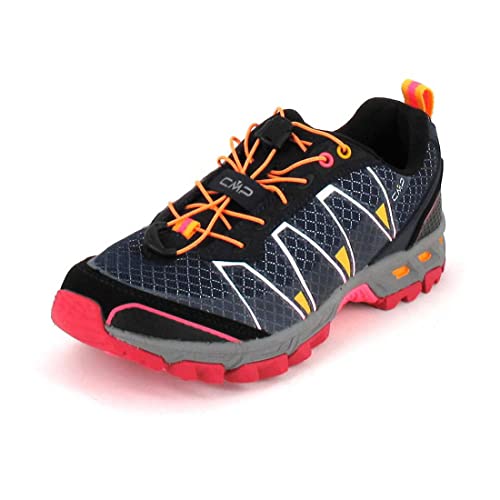
CMP Women’s ALTAK WMN Trail Shoes – Asphalt-Gloss, 5.5 UK
£53.12 *View On Amazon* - Women's Trail Shoes
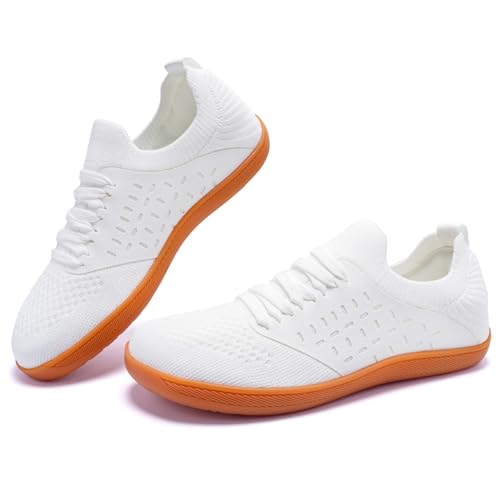
Women’s Barefoot Shoes Wide Toe Box Trail Running Trainers White UK 6
£29.88 *View On Amazon* - Women's Trail Shoes
gitzing Barefoot Shoes – Unisex Classic Black 9 UK (43 EU)
Original price was: £39.99.£31.99Current price is: £31.99. *View On Amazon* - Women's Trail Shoes
HOBIBEAR Barefoot Shoes, Wide Toe Box, Zero Drop Sole, Red, 6
£36.99 *View On Amazon* - Women's Trail Shoes
HOBIBEAR Trail Running Shoes White
Original price was: £22.78.£21.50Current price is: £21.50. *View On Amazon* - Women's Trail Shoes
ALTRA Women’s AL0A85RY Experience Wild 3 Trail Running Shoe Navy/Black
£109.29 *View On Amazon* - Women's Trail Shoes
Altra Women’s AL0A85PR Lone Peak 9 Trail Running Shoe, Green, 4
£125.00 *View On Amazon* - Women's Trail Shoes
HOBIBEAR Unisex Wide Toe Trainers for Men Women Outdoor Trail Running Minimalist Walking Shoes Lightweight Breathable Camouflage Blue
Original price was: £39.99.£35.99Current price is: £35.99. *View On Amazon* - Women's Trail Shoes
KEEN Women’s Hightrail Low Height Hiking Shoes, Birch/Daffodil, 5
Original price was: £125.00.£81.21Current price is: £81.21. *View On Amazon* - Women's Trail Shoes
Skechers Women’s Trego Trail Destiny Trainer, Brown, 6 UK
£74.99 *View On Amazon* - Women's Trail Shoes
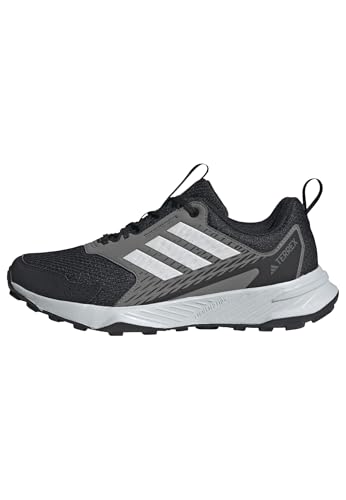
adidas Women’s Eastrail 2.0 RAIN.RDY Hiking Shoes, Core Black/Carbon/Grey Four, 7 UK
£56.69 *View On Amazon* - Women's Trail Shoes
Barefoot Trail Running Shoes, Pink, 7 UK
Original price was: £36.99.£31.44Current price is: £31.44. *View On Amazon* - Women's Trail Shoes
Berghaus Women’s Revolute Active Hiking Trail Shoes, Size 7
£77.00 *View On Amazon* - Women's Trail Shoes
Skechers Women’s Trail Altitude 2.0 Ravine Slate 4 UK
Original price was: £74.00.£49.67Current price is: £49.67. *View On Amazon* - Women's Trail Shoes
adidas Women’s Terrex Tracefinder 2 Trail Running Shoes, Core Black/Core Black/Dash Grey, 4.5 UK
Original price was: £60.00.£42.00Current price is: £42.00. *View On Amazon* - Women's Trail Shoes
adidas Women’s Tracerocker 2.0 Trail Running Shoes – Aurora Plum/Glory Grey/Semi Impact Orange, 5 UK
Original price was: £85.00.£71.99Current price is: £71.99. *View On Amazon* - Women's Trail Shoes
Mountain Warehouse Lakeside Trail Running Womens Shoes Light Gr 7
£49.99 *View On Amazon* - Women's Trail Shoes
Salomon Ultra Flow Gore-Tex Women’s Trail Running Shoes
Original price was: £140.00.£117.00Current price is: £117.00. *View On Amazon* - Women's Trail Shoes
ALTRA Women’s Lone Peak 8 Trail Running Shoes Navy/Coral Size 6.5
Original price was: £125.00.£96.02Current price is: £96.02. *View On Amazon*






How to Choose Women’s Trail Shoes
Women’s Trail Shoes are low-cut outdoor shoes designed for walking, hiking and moving across off-road surfaces. They generally provide more grip, protection and trail-focused construction than ordinary everyday trainers while remaining lighter and more flexible than many traditional walking boots.
They can be a practical choice for woodland paths, countryside trails, gravel tracks, dry hills, travel and faster-paced hiking. Some products are designed primarily for trail running, while others are intended more specifically for walking or lightweight hiking. Because these categories can overlap considerably, the individual product description matters more than the name alone.
Fit should always be the starting point. The heel should feel reasonably secure, the toes should have enough room to move and the shoe should not create uncomfortable pressure across the forefoot or instep.
When comparing Women’s Trail Shoes, consider:
- UK shoe size
- Width
- Heel fit
- Toe box shape
- Internal volume
- Outsole tread
- Lug depth
- Rubber compound
- Cushioning
- Midsole firmness
- Flexibility
- Upper materials
- Waterproofing where listed
- Breathability
- Toe protection
- Weight
- Fastening system
- Intended terrain
- Expected walking distance
- Seasonal use
Trail shoes vary greatly. A highly cushioned lightweight model designed for dry routes can feel very different from a waterproof, rugged trail shoe intended for wet woodland and rocky ground.
What Are Women’s Trail Shoes?
Trail shoes are generally low-cut shoes designed for natural and uneven surfaces.
Compared with standard road trainers, they may include:
- Deeper tread
- More pronounced outsole lugs
- Reinforced toe areas
- More durable upper materials
- Increased lateral stability
- Underfoot protection
- Water-resistant or waterproof construction where listed
- More secure lacing systems
Some trail shoes prioritise speed and flexibility, while others are closer to low hiking shoes in construction.
The right choice depends on how you intend to use them.
Women’s Trail Shoes Versus Ordinary Trainers
Ordinary trainers are usually intended for:
- Pavements
- Roads
- Gyms
- Casual everyday use
Trail shoes are more likely to be designed for:
- Woodland
- Gravel
- Grass
- Mud
- Dirt paths
- Loose ground
- Uneven trails
One of the biggest differences is usually the outsole.
A road trainer often has a relatively flat or shallow tread pattern designed for hard surfaces. A trail shoe may use deeper, more widely spaced lugs intended to improve traction on softer ground.
Trail shoes may also include tougher uppers and reinforced sections around the toes and sides.
However, no trail shoe should be regarded as slip-proof. Wet rock, polished stone, ice, wet roots and algae can remain slippery regardless of the outsole design.
Women’s Trail Shoes Versus Hiking Shoes
Trail shoes and hiking shoes overlap significantly.
Trail Shoes Often Prioritise
- Lower weight
- Flexibility
- Faster movement
- Breathability
- Responsive cushioning
Hiking Shoes Often Prioritise
- Durability
- More substantial uppers
- Firmer support
- Increased protection
These are general tendencies rather than fixed rules.
A rugged trail shoe may actually be heavier and more protective than a lightweight hiking shoe.
Compare the individual product rather than relying only on the category title.
Women’s Trail Shoes Versus Walking Boots
Walking boots extend above the ankle, while Women’s Trail Shoes usually sit below it.
Trail Shoes May Offer
- Lower weight
- Greater freedom of ankle movement
- Faster drying
- Easier packing
- Better ventilation
- More natural movement on easy trails
Walking Boots May Offer
- Greater ankle coverage
- More protection from mud
- More protection from trail debris
- Better coverage in long vegetation
- More substantial construction
Low-cut trail shoes can be excellent for many routes, but deep mud, cold weather, prolonged rain or very rough terrain may make enclosed boots more suitable.
Women’s Trail Shoes Versus Walking Sandals
Walking sandals provide even greater ventilation than trail shoes.
They may suit:
- Hot weather
- Travel
- Easy summer routes
- Campsites
Trail shoes generally offer more protection from:
- Stones
- Roots
- Mud
- Vegetation
- Trail debris
For warm but rough trails, trail shoes often provide a useful balance between ventilation and protection.
Women’s Trail Shoe Sizing
Your normal everyday shoe size is a useful starting point, but it should not be treated as definitive.
Brands use different:
- Last shapes
- Internal lengths
- Heel widths
- Toe box designs
- Instep volumes
A UK size 6 in one brand may therefore fit differently from a UK size 6 in another.
Check the manufacturer’s sizing guidance where available.
Women’s-Specific Trail Shoe Fit
Some Women’s Trail Shoes are designed around lasts shaped differently from equivalent men’s models.
Depending on the brand, this may involve:
- Narrower heels
- Different forefoot proportions
- Lower internal volume
- Different collar shaping
- Different arch placement
These are only general tendencies.
Not every woman has a narrow heel or low-volume foot, and some may find unisex or men’s models more comfortable.
Fit should take priority over marketing labels.
Toe Room
Toe space becomes particularly important on descents.
Your toes should not repeatedly hit the front of the shoe.
Too Little Toe Room Can Cause
- Pressure
- Rubbing
- Bruised toenails
- Discomfort downhill
Too Much Toe Room Can Cause
- Sliding
- Friction
- Reduced control
- Instability
You should be able to move your toes naturally without the foot moving excessively inside the shoe.
Heel Fit
The heel should remain reasonably secure during walking.
Repeated heel lifting can lead to:
- Friction
- Blisters
- Reduced stability
If you experience heel movement, consider:
- Shoe size
- Heel shape
- Lacing
- Sock thickness
A shoe that only stays on securely when the laces are painfully tight may not match your foot shape.
Width
Women’s feet vary considerably in width.
Some trail shoes use:
- Narrower performance fits
- Standard widths
- Wide toe boxes
- Dedicated wide-fit options
The forefoot should not feel compressed.
At the same time, excessive width can allow lateral movement on uneven ground.
Wide-Fit Women’s Trail Shoes
Wide-fit trail shoes may suit walkers who experience:
- Little-toe pressure
- Forefoot compression
- Tingling
- Side rubbing
A wide shoe should still hold the heel securely.
Do not simply size up in length to gain width unless the manufacturer recommends it.
Narrow-Fit Women’s Trail Shoes
Some women need a narrower heel or lower-volume shoe.
Look for:
- Close-fitting heel cups
- Adjustable lacing
- Lower internal volume
If the foot slides sideways despite secure lacing, a narrower design may be better.
Toe Box Shape
Toe boxes can be:
- Tapered
- Rounded
- Broad
- Foot-shaped
A broader toe box may allow more natural toe spread.
A narrower, more precise shape may suit technical terrain.
Comfort and foot shape should guide the choice.
Instep and Internal Volume
A high instep may feel pressure beneath the laces.
A low-volume foot may move excessively if there is too much space.
Alternative lacing can help to some extent, but it cannot completely change the shoe’s shape.
Persistent pressure or numbness suggests the fit should be reconsidered.
Trying Trail Shoes with Walking Socks
Try Women’s Trail Shoes with socks similar to those you expect to wear.
Sock thickness can significantly alter fit.
Consider whether you intend to use:
- Thin summer socks
- Midweight walking socks
- Wool blends
- Synthetic trail socks
A thick winter sock may make a previously comfortable shoe feel tight.
Foot Swelling on Long Walks
Feet can swell slightly during prolonged walking or warm weather.
Footwear should have enough room to accommodate normal swelling.
However, intentionally buying much larger shoes can create excessive movement.
Fit should balance security with space.
Main Types of Women’s Trail Shoes
Lightweight Trail Shoes
Lightweight trail shoes prioritise low weight and movement.
They may suit:
- Fast hiking
- Day walks
- Summer use
- Travel
- Dry trails
Potential limitations may include:
- Less protection
- Thinner uppers
- Reduced durability on abrasive terrain
Cushioned Trail Shoes
Cushioned models use thicker midsoles to improve comfort.
They may suit:
- Long walks
- Gravel
- Hard-packed trails
- Repeated daily use
Some walkers prefer softer cushioning, while others prefer firmer ground feel.
Rugged Women’s Trail Shoes
Rugged trail shoes may include:
- Stronger uppers
- More substantial toe protection
- Deep tread
- Firmer midsoles
These can suit rougher trails but may weigh more.
Waterproof Women’s Trail Shoes
Waterproof models use a waterproof membrane or other protective construction where listed.
They may suit:
- Wet grass
- Rain
- Damp woodland
- Mud
Possible limitations include:
- Increased warmth
- Slower internal drying
- Reduced airflow
Non-Waterproof Women’s Trail Shoes
Non-waterproof designs often prioritise:
- Breathability
- Lower weight
- Quick drying
They may suit:
- Summer
- Dry trails
- Hot climates
- Fast hiking
Women’s Trail Running Shoes
Some products are designed primarily for running.
They may include:
- Lightweight uppers
- Responsive cushioning
- Flexible soles
- Aggressive tread
Many people also use trail-running shoes for walking, but suitability depends on personal comfort and terrain.
Hiking-Oriented Trail Shoes
Some trail shoes sit closer to lightweight hiking footwear.
They may provide:
- Firmer midsoles
- More substantial uppers
- Greater toe protection
- Increased durability
These may appeal to walkers who want a low-cut shoe but prefer more protection than a typical running-focused trail shoe.
Choosing Women’s Trail Shoes by Terrain
Woodland Trails
Woodland can involve:
- Mud
- Wet leaves
- Tree roots
- Loose soil
- Stones
A suitable outsole and secure fit are important.
Wet roots can be extremely slippery, so move carefully regardless of tread depth.
Gravel Tracks
Loose gravel can move beneath the foot.
Useful features may include:
- Stable midsoles
- Secure heel hold
- Moderate cushioning
- Tread suitable for loose surfaces
Very soft or unstable shoes may feel less secure on larger stones.
Muddy Paths
Deeper, widely spaced outsole lugs can help on mud.
They may penetrate soft ground and clear mud more effectively.
However, extremely deep or slick mud can challenge any shoe.
Dry Hard-Packed Trails
Dry compact surfaces may suit moderate tread rather than very deep lugs.
Cushioning can become more important where the ground is firm.
Rocky Trails
Rocky terrain may increase the importance of:
- Toe protection
- Stable midsoles
- Firm underfoot protection
- Secure lacing
Some shoes include rock plates where listed.
Moorland
Moorland can involve:
- Bog
- Peat
- Wet grass
- Heather
- Mud
Waterproof trail shoes may be useful, but water can still enter over the low collar.
Gaiters may help reduce debris and splashes entering from above.
Coastal Paths
Coastal trails can involve:
- Sand
- Salt
- Loose rock
- Mud
- Grass
Clean salt and sand from footwear after use where appropriate.
Hills
Hill walking requires:
- Good toe room
- Secure heel fit
- Appropriate grip
- Stable cushioning
Long descents often reveal fit problems more quickly than level walking.
Road-to-Trail Routes
Some routes combine pavement and natural paths.
Very aggressive trail lugs may feel uncomfortable or wear faster on tarmac.
A moderate road-to-trail tread can be useful for mixed routes.
Outsole Grip
The outsole is one of the main features that distinguishes trail footwear.
Important factors include:
- Lug depth
- Lug spacing
- Rubber compound
- Tread pattern
- Flexibility
No outsole performs equally well on every surface.
Deep Lugs
Deep lugs may help on:
- Mud
- Loose soil
- Soft ground
They can provide greater penetration into softer surfaces.
Potential disadvantages include:
- Less smooth feel on pavement
- Faster wear on hard surfaces
Shallow Lugs
Shallower tread can suit:
- Gravel
- Dry trails
- Mixed road use
- Hard-packed paths
It may feel more natural on firm ground.
Widely Spaced Lugs
Wider gaps between lugs can help mud release from the sole.
Tightly packed tread may hold mud more readily.
Performance still depends on soil type.
Rubber Compounds
Softer rubber may offer greater grip on some rocky surfaces.
Harder rubber may provide greater wear resistance.
Trade-offs may exist between:
- Grip
- Durability
- Flexibility
Check product-specific information.
Grip on Wet Rock
Wet rock is challenging for any footwear.
Grip can vary with:
- Rock type
- Surface smoothness
- Algae
- Rubber compound
- Walking angle
Do not rely on tread alone.
Move carefully and use shorter, controlled steps.
Midsole Cushioning
The midsole influences both comfort and stability.
Common materials may include EVA-style and polyurethane foams.
Soft Cushioning
Can suit:
- Long distances
- Hard-packed trails
- Walkers who prefer a softer feel
Possible limitation:
- Reduced stability for some users on uneven ground
Firm Cushioning
Can suit:
- Rocky trails
- Uneven terrain
- Walkers who prefer more ground control
Personal preference is important.
Stack Height
Stack height refers to the amount of material between the foot and the ground.
Higher-stack shoes may provide:
- More cushioning
- Greater isolation from rough ground
Lower-stack shoes may provide:
- More ground feel
- Lower profile
Higher shoes can feel less stable to some users.
Heel-to-Toe Drop
Some trail shoe descriptions state heel-to-toe drop.
This is the difference in height between the heel and forefoot.
Different users have different preferences.
If changing significantly from your normal footwear style, introduce the new shoe gradually.
Rock Plates
Some Women’s Trail Shoes include a protective layer beneath the foot.
This may help reduce pressure from:
- Sharp stones
- Rocky tracks
Rock plates can make a shoe feel firmer.
Not every route or walker requires them.
Toe Protection
Trail shoes may include reinforced toe sections.
These can help protect against:
- Roots
- Rocks
- Trail debris
Reinforcement may use:
- Rubber
- Synthetic overlays
- Toughened fabric
This is not the same as an industrial safety toe cap unless specifically stated.
Heel Protection
A structured heel counter can help hold the foot and maintain shoe shape.
It should feel secure without causing pressure around the Achilles area.
Upper Materials
Trail shoe uppers commonly use:
- Mesh
- Synthetic fabrics
- Moulded overlays
- Reinforced textiles
- Rubber sections
The construction affects:
- Weight
- Breathability
- Protection
- Drying time
- Durability
Mesh Trail Shoes
Mesh can improve airflow.
It may suit:
- Warm-weather walking
- Fast hiking
- Dry trails
Fine mesh can be more vulnerable to:
- Brambles
- Rocks
- Abrasion
Reinforced Uppers
Reinforcement may be added to:
- Toes
- Sides
- Heel
- Lacing areas
This can improve durability but may also add weight.
Waterproof Membranes
Some Women’s Trail Shoes use waterproof membranes.
They can help prevent external water entering through the upper.
Potential advantages include:
- Better protection from wet grass
- Comfort in rain
- Increased suitability for muddy paths
Possible limitations include:
- More warmth
- Reduced ventilation
- Slower internal drying
Water-Resistant Trail Shoes
Water-resistant footwear offers some protection from moisture but should not automatically be considered waterproof.
It may cope with:
- Light rain
- Damp grass
- Brief splashes
Check the product wording carefully.
Breathability
Breathability is important during energetic walking.
A heavily waterproof shoe may feel warmer.
A non-waterproof mesh model may allow heat and perspiration to escape more easily.
Consider your normal walking season and pace.
Drying Speed
Synthetic low-cut shoes often dry faster than heavy boots.
This can be useful for:
- Travel
- Multi-day routes
- Summer rain
A waterproof membrane can slow drying if the shoe becomes wet internally.
Fastening Systems
Traditional Laces
Traditional laces allow gradual adjustment across the foot.
They are widely replaceable.
Quick-Lace Systems
Some trail shoes use pull-cord systems.
These allow fast adjustment.
Replacement components may be manufacturer-specific.
Lace Pockets
Some designs include a place to tuck excess lace or cord away.
This can reduce loose ends catching on vegetation.
Lacing for Heel Security
Lacing can sometimes reduce minor heel movement.
The forefoot should remain comfortable.
Do not tighten so much that you experience:
- Tingling
- Numbness
- Pressure
Persistent heel movement may indicate the shoe shape is wrong.
Women’s Trail Shoes for Different Seasons
Spring
Spring trails can alternate between:
- Mud
- Dry ground
- Standing water
- Damp grass
Waterproof or water-resistant models may be useful.
Summer
Summer priorities may include:
- Breathability
- Low weight
- Quick drying
Non-waterproof mesh trail shoes can be comfortable in warm conditions.
Autumn
Autumn often brings:
- Wet leaves
- Mud
- Rain
Tread and weather protection become increasingly important.
Winter
Low trail shoes may still suit some low-level winter routes.
However, colder and wetter conditions may make:
- Waterproof footwear
- Warmer socks
- Gaiters
more practical.
Technical snow and ice can require specialist footwear.
Trail Shoes for Hot Weather
For warm conditions, look for:
- Breathable mesh
- Lower weight
- Lightweight socks
- Non-waterproof designs
Feet may swell more in heat.
Allow enough fit room without excessive movement.
Trail Shoes for Wet Conditions
Waterproof trail shoes can be useful in rain and wet vegetation.
Remember that low collars can allow water to enter from above.
Once water gets inside waterproof footwear, drying can take longer.
Women’s Trail Shoes for Long-Distance Walking
Long-distance walkers often value:
- Low weight
- Toe room
- Cushioning
- Low friction
- Drying speed
Test footwear thoroughly before beginning a long-distance route.
Small hot spots can become significant over repeated days.
Women’s Trail Shoes for Fast Hiking
Fast hikers may prefer:
- Lightweight construction
- Responsive cushioning
- Flexible soles
- Secure tread
The shoe should still provide enough protection for the terrain.
Women’s Trail Shoes for Backpacking
Trail shoes can suit lightweight backpacking.
Consider:
- Pack weight
- Terrain
- Experience
- Midsole stability
Some walkers prefer firmer footwear when carrying heavier loads.
Women’s Trail Shoes for Dog Walking
Trail shoes can be very practical for everyday dog walking.
Useful features may include:
- Mud grip
- Water resistance
- Easy cleaning
- Quick fastening
For repeated short outings, convenience may matter as much as weight or technical performance.
Women’s Trail Shoes for Travel
Trail shoes can be useful travel footwear because they may combine:
- Low weight
- Comfortable walking
- Off-road grip
- Everyday versatility
They are generally easier to pack than full walking boots.
Women’s Trail Shoes for Everyday Outdoor Use
Some trail shoes can also suit:
- Parks
- Outdoor events
- Campsites
- Country shows
- General casual wear
Aggressive trail tread may wear faster if used mainly on pavement.
Women’s Trail Shoes for Older Walkers
Older walkers may value:
- Moderate cushioning
- Stable soles
- Easy fastening
- Low weight
Needs vary considerably.
Anyone with significant mobility, circulation or foot-health issues should seek appropriate professional advice.
Pregnancy and Changes in Foot Size
Foot size and width can change during and after pregnancy.
If older trail shoes suddenly feel tight or uncomfortable, reassess fit.
Do not assume your previous size will remain suitable.
Seek appropriate medical advice where swelling is severe, persistent or concerning.
Breaking In Women’s Trail Shoes
Most trail shoes require less break-in than heavy leather walking boots, but they should still be tested.
A sensible approach is:
- Wear them indoors where appropriate.
- Try a short local walk.
- Use them on mixed surfaces.
- Test gentle hills.
- Check for rubbing.
- Adjust laces.
- Increase distance gradually.
Painful rubbing should not be treated as a normal part of breaking footwear in.
Blister Prevention
Blisters are usually caused by friction combined with heat or moisture.
Reduce risk by:
- Choosing the right size
- Wearing suitable socks
- Securing the heel
- Keeping feet reasonably dry
- Addressing hot spots early
- Testing footwear before long routes
Carry blister treatment on longer walks.
Walking Socks for Women’s Trail Shoes
Socks can affect both fit and comfort.
Possible options include:
- Lightweight trail socks
- Midweight hiking socks
- Wool blends
- Synthetic fabrics
Avoid folds and bunching.
A thick sock can make the shoe feel substantially tighter.
Insoles
Many trail shoes use removable insoles.
Replacement insoles may change:
- Cushioning
- Arch shape
- Internal volume
- Heel position
A thicker insole can make the shoe tighter.
Anyone using prescribed orthotics should check compatibility carefully.
Women’s Trail Shoes and Gaiters
Low gaiters can help reduce:
- Small stones
- Sand
- Mud
- Vegetation
entering around the collar.
Check the attachment method.
Some gaiters use:
- Lace hooks
- Heel straps
- Adhesive connection points
Compatibility varies.
Women’s Trail Shoes and Walking Poles
Walking Poles can provide extra contact points on:
- Hills
- Mud
- Uneven terrain
- Descents
They should complement suitable footwear rather than compensate for worn or unsuitable soles.
Cleaning Women’s Trail Shoes
Regular cleaning helps maintain the footwear and makes wear easier to identify.
A general routine may include:
- Remove loose mud.
- Take out removable insoles.
- Loosen the laces.
- Brush the outsole.
- Clean the upper using a compatible method.
- Allow the shoes to dry naturally.
- Inspect for wear or damage.
Always follow manufacturer instructions.
Cleaning Mud
Mud can become trapped in deep outsole lugs.
Remove it using:
- A brush
- Water where suitable
Avoid using sharp tools that could damage rubber or upper materials.
Cleaning Mesh Uppers
Mesh can hold fine dirt.
Use a soft brush or cloth.
Avoid aggressive scrubbing that may damage fine fibres.
Washing Trail Shoes
Do not automatically put trail shoes in a washing machine.
Machine washing may affect:
- Adhesives
- Foam
- Shape
- Waterproof membranes
- Upper materials
Check the care instructions first.
Drying Women’s Trail Shoes
After cleaning or wet use:
- Remove insoles
- Loosen laces
- Open the tongue
- Place the shoes in a ventilated area
Avoid direct intense heat.
Radiators, fires and hairdryers can damage:
- Foam
- Glue
- Synthetic fabrics
- Waterproof membranes
Drying Very Wet Trail Shoes
Absorbent paper may help draw moisture from inside where suitable.
Replace it when damp.
Do not pack the shoe tightly, as airflow is also important.
Cleaning Insoles
Remove insoles where suitable.
Depending on the product, they may be:
- Wiped
- Hand washed
- Air dried
Follow the care instructions.
Allow them to dry fully before replacing them.
Cleaning Laces
Laces can be removed and cleaned separately where appropriate.
Replace them if they become:
- Frayed
- Cut
- Difficult to tighten
- Damaged
Reproofing Women’s Trail Shoes
Waterproof or water-resistant models may benefit from periodic reproofing.
Use a product compatible with the upper material.
A spray suitable for synthetic mesh may not be appropriate for every shoe.
Follow both the footwear and treatment manufacturer’s instructions.
Waterproofing Spray Safety
Some sprays contain aerosols or solvents.
Use them:
- In a ventilated area
- Away from heat
- Away from flames
- Away from children
- Away from pets
Avoid inhaling the mist.
Allow the footwear to dry fully before use.
Shoe Deodorisers
Trail shoes can develop odour if worn frequently.
A compatible Shoe Deodoriser may help after cleaning and drying.
Check compatibility with:
- Lining materials
- Insoles
- Waterproof membranes
A deodoriser should not replace proper cleaning or drying.
Storage
Store Women’s Trail Shoes:
- Clean
- Dry
- Somewhere ventilated
- Away from excessive heat
- Away from prolonged direct sunlight
Avoid leaving wet footwear sealed inside:
- Sports bags
- Plastic bags
- Cars
This can encourage odour and material deterioration.
Long-Term Storage
Before storing for a season:
- Clean the shoes.
- Dry them thoroughly.
- Remove debris.
- Check the outsole.
- Inspect laces and insoles.
- Store in a dry area.
Avoid crushing lightweight uppers under heavy items.
Checking Trail Shoes Before a Walk
Before longer outings, inspect:
- Tread
- Outsole
- Midsole
- Upper
- Laces
- Eyelets
- Toe cap
- Heel
- Sole bonding
Check for:
- Cracks
- Tears
- Separation
- Excessive wear
Small problems can become much worse during a long walk.
Outsole Wear
Trail lugs gradually become shallower.
Signs of heavy wear include:
- Rounded lugs
- Smooth tread
- Uneven wear
- Exposed midsole
Grip can reduce as the tread wears.
Uneven Wear
Uneven outsole wear can change how the shoe feels underfoot.
If the shoe no longer sits or flexes normally, replacement may be appropriate.
Sole Separation
Adhesives can deteriorate due to:
- Age
- Heat
- Moisture
- Repeated flexing
Do not rely on badly separated footwear for remote walking.
Professional repair may be possible in some cases.
Midsole Deterioration
Foam midsoles compress with repeated use.
Signs may include:
- Reduced cushioning
- Permanent creases
- Cracking
- Uneven feel
- Loss of stability
A trail shoe can therefore be worn out internally even when the upper still looks acceptable.
Upper Damage
Mesh and fabric uppers can tear.
Small holes can enlarge with continued use.
Damage may affect:
- Fit
- Protection
- Waterproofing
Check whether repair is practical.
When to Replace Women’s Trail Shoes
There is no fixed lifespan.
Wear depends on:
- Terrain
- Frequency of use
- User weight
- Walking style
- Construction
- Maintenance
Consider replacement when:
- Tread is badly worn
- Midsole cushioning has deteriorated
- Upper damage affects fit
- Sole separation develops
- Waterproof construction is compromised
- The shoe no longer feels stable
Common Problems with Women’s Trail Shoes
My Heels Rub
Possible causes include:
- Shoe too large
- Heel cup too wide
- Loose lacing
- Unsuitable socks
Address rubbing before attempting longer walks.
My Toes Hit the Front
The shoe may be:
- Too short
- Too loose
- Too high-volume
This often becomes more noticeable downhill.
My Feet Slide Sideways
The shoe may be too wide or too loosely laced.
A more secure fit can improve confidence on uneven ground.
The Shoes Feel Tight Across the Forefoot
Consider:
- Wider fitting
- Different last shape
- Alternative lacing
Do not assume the footwear will stretch enough to solve persistent pressure.
The Shoes Feel Slippery in Mud
The tread may be too shallow or clogged.
Deeper, widely spaced lugs can be more effective in softer ground.
The Shoes Feel Slippery on Rock
Wet rock can be slippery regardless of tread.
Rubber compound, surface texture and walking technique all affect grip.
Stones Keep Getting Inside
Low-cut trail shoes allow more debris entry than boots.
Low gaiters may help.
My Feet Get Wet in Waterproof Trail Shoes
Possible causes include:
- Water entering over the collar
- Perspiration
- Membrane damage
- Wet socks
Identify the likely cause before assuming the product has failed.
The Shoes Smell
Clean and dry the footwear thoroughly.
Remove and clean insoles where suitable.
Use a compatible deodoriser if required.
Trail Shoe Safety
Trail shoes can improve grip but cannot eliminate outdoor hazards.
Take particular care on:
- Wet rock
- Mud
- Wet roots
- Algae
- Ice
- Metal
- Timber bridges
No ordinary trail shoe should be considered slip-proof.
Ice and Snow
General trail shoes may provide limited traction on hard ice.
Some conditions require:
- Specialist footwear
- Traction devices
- Crampons
Check compatibility carefully.
Do not attach technical equipment to footwear unless the manufacturer confirms suitability.
Children and Household Safety
Trail footwear itself presents few unusual hazards, but care products should be stored securely.
Keep away from children:
- Waterproofing sprays
- Shoe cleaners
- Deodorisers
- Replacement lace locks
Loose footwear left in walkways can also create a trip hazard.
Pets and Trail Shoes
Dogs may chew:
- Laces
- Insoles
- Foam midsoles
- Mesh uppers
Store shoes and treatment products safely.
Do not allow pets to lick freshly treated footwear.
Fragrance and Skin Sensitivity
Some new shoes and care products can have noticeable odours.
Allow them to air where necessary.
Stop using any treatment that causes:
- Redness
- Itching
- Burning
- Irritation
Seek appropriate medical advice if symptoms persist.
Foot Health Considerations
Trail shoes should not cause persistent:
- Pain
- Numbness
- Tingling
- Skin damage
If discomfort continues despite correct sizing and adjustment, consider a different fit or seek appropriate professional advice.
People with conditions affecting circulation, sensation or foot health may need specialist footwear guidance.
Environmental Considerations
Good care can help extend the useful life of Women’s Trail Shoes.
Useful measures include:
- Regular cleaning
- Proper drying
- Replacing laces
- Replacing insoles
- Repairing suitable minor damage
Do not continue using structurally unsafe footwear simply to prolong its life.
Repairing Women’s Trail Shoes
Minor issues may sometimes be repairable.
Examples can include:
- Replacement laces
- Replacement insoles
- Certain upper repairs
- Some sole repairs
Check whether the manufacturer or a competent footwear repairer supports the repair.
Improvised repairs may not be reliable on demanding terrain.
Disposal and Recycling
Trail shoes can contain mixed materials including:
- Rubber
- Foam
- Textile
- Plastic
- Metal
This can make normal household recycling difficult.
Check local footwear collection or recycling schemes where available.
Comparing Waterproof and Non-Waterproof Women’s Trail Shoes
Waterproof Trail Shoes
Potential advantages:
- Better protection from wet grass
- Useful in rain
- More comfortable in shallow mud
Potential limitations:
- Warmer
- Slower drying
- Water can still enter from above
Non-Waterproof Trail Shoes
Potential advantages:
- More breathable
- Faster drying
- Often lighter
Potential limitations:
- Water enters more easily
Comparing Cushioned and Firm Women’s Trail Shoes
Cushioned Shoes
May suit:
- Long distances
- Hard-packed trails
- Walkers who prefer softness
Firmer Shoes
May suit:
- Rocky ground
- Uneven terrain
- Walkers who prefer stability
Neither is universally better.
Comparing Deep and Shallow Tread
Deep Tread
May suit:
- Mud
- Soft ground
- Loose trails
Shallow Tread
May suit:
- Gravel
- Dry trails
- Mixed road use
Choose according to the routes you walk most often.
Comparing Lightweight and Rugged Women’s Trail Shoes
Lightweight Trail Shoes
Potential advantages:
- Easier movement
- Lower weight
- Improved ventilation
Rugged Trail Shoes
Potential advantages:
- More protection
- Tougher uppers
- More substantial construction
The right balance depends on terrain.
Choosing Women’s Trail Shoes for Beginners
If you are buying trail shoes for the first time, prioritise:
- Fit.
- Comfort.
- Terrain-appropriate grip.
- Suitable weather protection.
- Manageable weight.
Do not assume that the most aggressive or technical shoe is the most suitable.
A comfortable trail shoe with moderate tread may be ideal for ordinary countryside paths.
Choosing Women’s Trail Shoes for Experienced Walkers
Experienced walkers may compare more detailed features such as:
- Stack height
- Heel-to-toe drop
- Rock plates
- Rubber compounds
- Lug depth
- Shoe weight
- Toe box shape
These features can significantly change how footwear feels.
Personal experience becomes increasingly important.
Choosing Women’s Trail Shoes for UK Walking
UK trails can change rapidly within a single route.
You may encounter:
- Tarmac
- Mud
- Grass
- Gravel
- Woodland
- Rock
A versatile trail shoe can therefore be very useful.
For year-round walking, consider whether your priorities are:
- Waterproofing
- Breathability
- Mud grip
- Mixed-surface comfort
No one design performs equally well everywhere.
Useful Related Products
Products commonly used alongside Women’s Trail Shoes may include:
- Women’s Hiking Footwear
- Women’s Walking Boots
- Women’s Walking Sandals
- Walking Socks
- Hiking Backpacks
- Walking Poles
- Walking Pole Accessories
- Gaiters
- Waterproof Jackets
- Waterproof Trousers
- Replacement Insoles
- Spare Laces
- Shoe Deodorisers
- Footwear Cleaning Brushes
- Waterproofing Treatments
- Shoe and Boot Bags
Check compatibility before applying cleaning, waterproofing or deodorising treatments.
Why Buy Women’s Trail Shoes from YPC?
At YPC, we understand active lifestyles and the need for practical products that work in real use.
Our Women’s Trail Shoes category helps customers compare lightweight, cushioned, waterproof and more rugged trail footwear for different outdoor conditions. Review sizes, widths, outsole tread, cushioning, upper materials, weight and weather protection to find shoes suited to woodland paths, countryside trails, hills and longer outdoor walks.
Frequently Asked Questions
What is the difference between Women’s Trail Shoes and hiking shoes?
Trail shoes are often lighter, more flexible and designed for faster movement, while hiking shoes may use firmer soles and more substantial uppers. There is considerable overlap, so compare the individual product’s construction and intended terrain.
Are Women’s Trail Shoes suitable for walking rather than running?
Yes, many trail shoes can be suitable for walking and hiking where the fit, cushioning, grip and protection suit the user. Some models are designed mainly for running, so check the product information before buying.
Should Women’s Trail Shoes be waterproof?
Waterproof trail shoes can be useful for wet grass, rain and muddy UK paths, but they can feel warmer and may dry more slowly internally. Non-waterproof shoes can be preferable in warm, dry conditions where breathability and faster drying are more important.
How should Women’s Trail Shoes fit?
The heel should feel secure, the toes should have enough room to move and the shoe should not create pressure across the forefoot or instep. Try them with suitable walking socks and allow for a small amount of normal foot swelling on longer walks.
How long do Women’s Trail Shoes last?
There is no fixed lifespan because wear depends on terrain, frequency of use, construction, walking style and maintenance. Inspect the outsole, midsole, upper and sole bonding regularly, and replace the shoes when wear or structural damage affects comfort, grip or stability.
 Getting ready for Summer? View our Home and Garden Products

Heading outdoors this winter? Take a look at our Outdoor Clothing.