
Walking Clothing
Walking Clothing for Comfortable Outdoor Adventures
Walking Clothing is designed to help you stay comfortable and prepared for changing conditions on countryside paths, woodland trails, hills and longer hiking routes. Suitable layers can help manage warmth, moisture, wind and rain while allowing enough freedom of movement for steady walking over varied terrain.
The category includes walking trousers, shorts, base layers, fleeces, insulated jackets, waterproof jackets, waterproof trousers, walking shirts, hats, gloves and other outdoor clothing for men, women and children. When comparing products, consider fit, fabric, breathability, weather resistance, insulation, stretch, drying time, pocket layout and whether the garment is intended for warm, cold or wet conditions.
A flexible layering system is usually more practical than relying on one heavy garment for every situation. Explore Walking Clothing at YPC to compare practical outdoor layers for everyday walks, day hikes, hill routes and longer adventures.

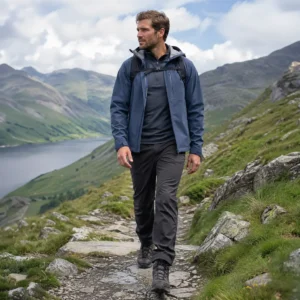
How to Choose Walking Clothing
Walking Clothing should help you stay comfortable while allowing you to adapt to changing weather, terrain and activity levels. A short summer stroll on a dry country path places very different demands on clothing from a long winter hike across exposed hills, which is why there is no single outfit that works equally well for every walk.
The most practical approach is usually to think in layers. Rather than wearing one very heavy item, walkers can combine a base layer, insulating mid layer and protective outer layer, adding or removing clothing as conditions change.
When comparing Walking Clothing, consider:
- Season
- Temperature
- Wind
- Rain
- Walking intensity
- Route exposure
- Distance
- Fit
- Fabric
- Breathability
- Drying speed
- Stretch
- Insulation
- Weather resistance
- Pocket layout
- Hood design
- Ventilation
- Packability
- Weight
- Compatibility with backpacks and other equipment
Comfort should come before appearance or the longest feature list. Clothing that moves naturally, manages moisture and suits the expected conditions is usually more useful than a garment with features you do not need.
Main Types of Walking Clothing
Walking Clothing covers a broad range of garments for different weather conditions, seasons and levels of activity.
Walking Trousers
Walking trousers are designed to provide freedom of movement while coping with outdoor use.
Depending on the product, they may include:
- Stretch panels
- Quick-drying fabrics
- Reinforced knees
- Multiple pockets
- Water-resistant finishes
- Adjustable waists
- Articulated knees
- Zip-off lower legs
Walking trousers can be used throughout much of the year when combined with suitable base layers or waterproof overtrousers.
Walking Shorts
Walking shorts can be comfortable during warmer weather.
They may suit:
- Summer walks
- Travel
- Lower-level routes
- Dry conditions
Consider exposure to:
- Sun
- Nettles
- Brambles
- Ticks
- Insects
Long trousers may offer more protection on overgrown paths.
Convertible Walking Trousers
Convertible trousers use zips to remove the lower legs, creating shorts.
They can be useful where temperatures change during the day.
Advantages may include:
- Versatility
- Reduced need to carry separate shorts
- Easy adaptation
Check whether the zip sits comfortably around the leg and whether the lower sections are clearly marked left and right.
Waterproof Trousers
Waterproof trousers are usually worn over normal walking trousers.
They can provide additional protection during prolonged rain or wet conditions.
Useful features may include:
- Side zips
- Adjustable ankles
- Elasticated waist
- Reinforced panels
- Packable construction
If you expect to put them on while wearing walking boots, check whether the leg openings are wide enough.
Walking Leggings
Walking leggings are designed for close-fitting comfort and stretch.
They can suit:
- Fast hiking
- Dry trails
- Travel
- Everyday outdoor walking
Some may include reinforced panels or pockets.
Close-fitting fabrics can provide freedom of movement but may offer less protection from thorns or abrasive vegetation.
Base Layers
Base layers are worn next to the skin.
Their main purpose is generally to help move perspiration away from the body.
Materials may include:
- Synthetic fibres
- Merino wool
- Blended fabrics
Base layers are available in:
- Short-sleeve tops
- Long-sleeve tops
- Leggings
- Thermal designs
The appropriate weight depends on the season and activity level.
Walking Shirts
Walking shirts may be designed for:
- Warm weather
- Travel
- Sun protection
- Layering
Features can include:
- Roll-up sleeves
- Ventilation panels
- Quick-drying fabrics
- Chest pockets
Some shirts use lightweight synthetic fabrics that dry faster than ordinary cotton.
Walking T-Shirts
Technical walking T-shirts can provide a lighter alternative to shirts.
They may use moisture-managing fabrics suitable for active use.
Choose according to:
- Fit
- Fabric
- Sleeve length
- Temperature
Fleeces
Fleece garments are common mid layers.
They can provide insulation while remaining relatively lightweight.
Fleece weights vary.
Lightweight Fleeces
Useful for:
- Mild weather
- Active walking
- Layering beneath a waterproof
Midweight Fleeces
May provide more warmth for:
- Cooler conditions
- Autumn and spring walking
Heavy Fleeces
Can provide substantial insulation but may become bulky underneath a fitted outer shell.
Insulated Jackets
Insulated jackets can provide warmth during:
- Cold walks
- Rest stops
- Winter conditions
They may use:
- Synthetic insulation
- Down insulation
Each has different strengths.
Synthetic Insulated Jackets
Synthetic insulation can retain useful insulating properties when damp, depending on the design.
It may also dry relatively quickly.
Down Jackets
Down can provide high warmth for relatively low weight.
However, untreated down generally performs less effectively when wet.
Check the garment’s construction and care instructions.
Softshell Jackets
Softshells usually prioritise:
- Wind resistance
- Stretch
- Breathability
- Comfort
They may provide some water resistance but should not automatically be treated as fully waterproof.
They can suit dry or changeable conditions where freedom of movement is important.
Waterproof Jackets
Waterproof jackets form the outer protective layer.
They can help shield the walker from:
- Rain
- Wind
depending on construction.
Important features may include:
- Waterproof rating where stated
- Breathability
- Hood
- Pit zips
- Adjustable cuffs
- Hem drawcords
- Pack-compatible pockets
Waterproof does not mean that moisture can never build up inside from perspiration.
Windproof Jackets
Windproof layers reduce heat loss caused by moving air.
They can be particularly useful on:
- Exposed hills
- Coastal routes
- Cold dry days
Some lightweight windproof jackets pack into a very small space.
Gilets
Gilets provide insulation around the torso while leaving the arms free.
They can be useful as:
- Mid layers
- Lightweight outer layers
- Extra warmth at rest stops
They may use fleece, synthetic insulation or down.
Walking Hoodies
Walking hoodies may provide casual warmth and comfort.
Some technical designs use quick-drying or stretch fabrics.
Ordinary cotton hoodies can retain moisture and may become cold when wet, so they are less suitable for demanding routes in poor weather.
Walking Socks
Walking socks are an important part of the clothing system.
They can provide:
- Cushioning
- Moisture management
- Warmth
Sock thickness should work with the internal volume of the footwear.
Hats
Walking hats vary by season.
Options may include:
- Warm beanies
- Sun hats
- Caps
- Waterproof hats
The right style depends on conditions.
Gloves
Walking gloves may provide:
- Warmth
- Wind protection
- Waterproofing where listed
- Dexterity
Some walkers use a thin liner glove beneath a more protective outer glove.
Neck Gaiters
Neck gaiters can provide flexible protection from:
- Cold
- Wind
- Sun
They can often be worn in several ways.
Understanding the Layering System
Layering is one of the most useful principles in outdoor clothing.
A common system includes:
- Base layer
- Mid layer
- Outer layer
Each performs a different job.
Base Layer
The base layer sits next to the skin.
Its main role is to manage moisture.
A good base layer should help move perspiration away from the body so it can evaporate.
Cotton often holds moisture for longer than synthetic or wool-based technical fabrics.
This can become uncomfortable in cold or windy conditions.
Mid Layer
The mid layer provides insulation.
Typical examples include:
- Fleece
- Synthetic jacket
- Down jacket
The amount of insulation required depends on:
- Temperature
- Wind
- Activity level
A person walking uphill generates significantly more heat than someone standing still.
Outer Layer
The outer layer provides protection from weather.
This may be:
- Waterproof shell
- Windproof jacket
- Softshell
depending on conditions.
A waterproof shell is generally carried even when rain is not forecast on longer or more exposed routes.
Why Layering Works
Layering allows you to make small changes.
If you become warm:
- Remove a mid layer
- Open ventilation
- Loosen cuffs
If conditions worsen:
- Add insulation
- Put on a waterproof shell
This is usually more adaptable than wearing one thick coat.
Choosing Walking Clothing for Men
Men’s Walking Clothing may include:
- Walking trousers
- Shorts
- Base layers
- Fleeces
- Waterproofs
- Insulated jackets
Fit varies between brands.
Consider:
- Waist
- Chest
- Leg length
- Sleeve length
- Shoulder width
Do not assume your usual size will fit identically across all outdoor brands.
Choosing Walking Clothing for Women
Women’s Walking Clothing may use different:
- Waist-to-hip proportions
- Shoulder shapes
- Leg cuts
- Sleeve dimensions
Comfort and movement should guide sizing.
Check product-specific measurements.
Choosing Walking Clothing for Children
Children require clothing that fits correctly and allows movement.
Avoid buying excessively oversized outdoor clothing in an attempt to make it last several years.
Too-large garments can:
- Catch on objects
- Allow cold air inside
- Restrict movement
- Make waterproof layers less effective
Check children’s sizes regularly as they grow.
Walking Clothing Fit
Outdoor clothing should allow enough room for movement and layering.
Too Tight
Clothing that is too tight can:
- Restrict movement
- Compress insulation
- Make layering difficult
Too Loose
Clothing that is excessively loose can:
- Flap in wind
- Catch vegetation
- Allow cold air inside
- Interfere with backpack straps
Look for a comfortable balance.
Jacket Fit
A walking jacket should allow:
- Arm movement
- Layering beneath
- Backpack straps
Raise your arms and reach forwards to check mobility.
The hem should not ride excessively upwards.
Trouser Fit
Walking trousers should allow comfortable:
- Steps
- Squats
- Climbing
- Stepping over obstacles
Articulated knees and stretch fabrics can help.
Sleeve Length
Sleeves should cover the wrist adequately without extending so far that they interfere with the hands.
Adjustable cuffs can improve fit.
Trouser Length
Walking trousers should reach the footwear without dragging along the ground.
Excess fabric can:
- Collect mud
- Catch under boots
- Become wet
Shorter leg options may be available.
Stretch Fabrics
Stretch can improve freedom of movement.
This can be particularly useful for:
- Steep climbs
- Scrambling-style movement
- Large steps
Check whether the stretch is:
- Two-way
- Four-way
where listed.
Breathability
Breathability helps moisture vapour escape.
This is important during active walking.
Breathability can be affected by:
- Fabric
- Membranes
- Temperature
- Humidity
- Layering
Even highly breathable waterproof clothing may feel damp during hard uphill walking.
Ventilation features can help.
Ventilation
Useful ventilation features may include:
- Pit zips
- Mesh pockets
- Side vents
- Leg zips
Opening these can help release heat.
Moisture Management
Moisture can come from:
- Perspiration
- Rain
- Wet vegetation
A good clothing system manages both internal and external moisture.
Base layers move sweat away.
Outer layers resist rain.
Ventilation helps excess heat escape.
Quick-Drying Fabrics
Quick-drying fabrics can be useful for:
- Summer
- Multi-day hiking
- Travel
- Wet conditions
They may include synthetic materials.
Drying time varies by fabric thickness and construction.
Cotton for Walking
Cotton can be comfortable in warm, dry conditions.
However, it absorbs moisture and can remain wet for a long time.
In cold or exposed conditions, this may become uncomfortable.
For demanding hikes, many walkers prefer technical synthetic or wool-based fabrics.
Merino Wool
Merino wool is often used in base layers and socks.
Potential advantages may include:
- Warmth
- Moisture management
- Odour resistance
It can be more delicate than some synthetic fabrics.
Follow care instructions.
Synthetic Fabrics
Synthetic materials may include:
- Polyester
- Nylon
- Elastane
Potential advantages include:
- Quick drying
- Durability
- Stretch
- Lightweight construction
Performance varies by garment.
Fleece Materials
Fleece is usually synthetic.
It provides insulation by trapping air.
Fleece remains useful when damp but is not generally windproof unless specifically designed.
Down Insulation
Down traps air efficiently.
It can provide excellent warmth-to-weight performance.
Keep it dry.
Some products use treated down, but performance varies.
Synthetic Insulation
Synthetic fill can be useful in damp climates.
It usually retains more insulating ability when wet than untreated down.
It may be heavier or bulkier.
Waterproof Fabrics
Waterproof garments may use:
- Membranes
- Coatings
- Laminates
Performance varies.
Check product-specific claims.
Waterproof Ratings
Some products state a hydrostatic head or similar waterproof measurement.
Higher numbers can indicate greater resistance to water pressure, but fit, seam sealing and garment design also matter.
Do not judge a jacket on one number alone.
Breathability Ratings
Some garments list breathability figures.
Different test methods can make direct comparisons difficult.
Use these figures as guidance rather than absolute guarantees.
Seam Sealing
Waterproof garments may use taped or sealed seams.
This helps reduce water entering through stitching.
Check product descriptions.
Water-Resistant Clothing
Water-resistant garments may cope with:
- Light rain
- Brief showers
- Damp vegetation
They are not necessarily suitable for prolonged heavy rain.
Durable Water Repellent Finishes
Some outer garments use a surface treatment that causes water to bead.
This treatment can gradually wear.
Reproofing may restore performance where suitable.
Follow garment care guidance.
Wind Resistance
Wind can make cool temperatures feel much colder.
A wind-resistant outer layer can reduce heat loss.
This can be particularly useful on:
- Hilltops
- Moorland
- Coastal routes
- Winter walks
Insulation
Insulation should suit both temperature and activity level.
Too much insulation can cause:
- Excessive sweating
- Damp clothing
Too little can cause:
- Chilling
- Discomfort
Carry extra layers where conditions may change.
Packability
Packable clothing can be compressed into a backpack.
This is useful for:
- Waterproof jackets
- Insulated layers
- Windproof shells
Check packed size and weight where listed.
Weight
Lightweight clothing is attractive for long walks.
However, lighter fabrics may sometimes be:
- Less durable
- Less protective
Consider the balance.
Pocket Design
Walking Clothing may include:
- Hand pockets
- Chest pockets
- Thigh pockets
- Internal pockets
Consider whether pockets remain accessible when wearing a:
- Backpack hip belt
- Climbing-style harness where relevant
Zipped Pockets
Zipped pockets help secure:
- Keys
- Phone
- Wallet
They may also provide ventilation in some designs.
Hood Design
A useful waterproof hood should:
- Move with the head
- Provide vision
- Adjust securely
Features may include:
- Peak
- Rear adjustment
- Face drawcords
A hood that is too large can obstruct side vision.
Adjustable Cuffs
Cuffs can help reduce:
- Rain entry
- Cold air
They may use:
- Hook-and-loop
- Elastic
- Press studs
Adjustable Hems
A drawcord hem can help reduce cold air entering beneath a jacket.
Avoid overtightening.
Reinforced Areas
Walking trousers and jackets may reinforce:
- Knees
- Seat
- Shoulders
- Elbows
This can improve durability.
Reinforcement can also add weight.
Walking Clothing for Spring
Spring weather can change quickly.
Useful clothing may include:
- Lightweight base layer
- Fleece
- Waterproof jacket
- Walking trousers
A spare warm layer can be useful.
Walking Clothing for Summer
Summer priorities often include:
- Lightweight fabrics
- Breathability
- Sun protection
- Quick drying
Useful items may include:
- Walking shorts
- Lightweight trousers
- T-shirt
- Sun hat
Carry a waterproof layer even on warm days where conditions can change.
Walking Clothing for Autumn
Autumn brings:
- Rain
- Wind
- Cooler temperatures
- Mud
Layering becomes increasingly important.
Consider:
- Midweight fleece
- Waterproof jacket
- Walking trousers
- Waterproof trousers
Walking Clothing for Winter
Winter walking may require:
- Thermal base layers
- Insulating mid layers
- Waterproof shells
- Warm hat
- Gloves
Conditions on hills can be much colder than in nearby towns.
Walking Clothing for Hot Weather
During hot conditions, prioritise:
- Loose-fitting breathable clothing
- Lightweight fabrics
- Sun protection
Consider:
- Long lightweight sleeves
- Sun hat
- Sunglasses
Hydration is also important.
Walking Clothing for Cold Weather
Cold-weather clothing should help retain warmth without trapping excessive perspiration.
Use several adjustable layers.
Keep a dry insulating layer in the backpack where appropriate.
Walking Clothing for Rain
For wet conditions, consider:
- Waterproof jacket
- Waterproof trousers
- Suitable hood
- Gaiters
Waterproof clothing should still allow ventilation.
Walking Clothing for Wind
Windproof clothing can make a significant difference in exposed conditions.
A light windproof shell may be useful even when rain is unlikely.
Walking Clothing for Snow
Snow can create cold, wet conditions.
Wear:
- Warm base layers
- Insulation
- Waterproof outerwear
Technical winter routes may require specialist equipment beyond ordinary Walking Clothing.
Walking Clothing for Countryside Paths
Easy countryside walks may only require:
- Comfortable trousers
- T-shirt
- Light fleece
- Waterproof jacket
depending on the weather.
Walking Clothing for Woodland
Woodland can be:
- Muddy
- Shaded
- Overgrown
Long trousers can provide protection from vegetation and insects.
Walking Clothing for Moorland
Moorland can be exposed to:
- Wind
- Rain
- Bog
Weatherproof outer layers can be particularly useful.
Walking Clothing for Hill Walking
Hill routes can involve large temperature changes between climbs and rest stops.
Layering is especially important.
Carry:
- Waterproof outerwear
- Additional insulation
where appropriate.
Walking Clothing for Mountain Routes
Mountain weather can change rapidly.
Choose clothing suited to:
- Wind
- Rain
- Temperature changes
Do not rely solely on the forecast from a nearby town.
Walking Clothing for Coastal Routes
Coastal paths can be exposed to:
- Wind
- Salt spray
- Sun
Windproof layers can be useful.
Protect exposed skin.
Walking Clothing for Long-Distance Hiking
Long-distance walkers often prioritise:
- Low weight
- Quick drying
- Comfort
- Layering
Avoid carrying duplicate clothing unless necessary.
Walking Clothing for Multi-Day Hiking
Multi-day trips increase the importance of:
- Drying speed
- Odour management
- Packability
Choose garments that work together.
Walking Clothing for Dog Walking
Dog walking may involve:
- Mud
- Rain
- Repeated short outings
Practical priorities may include:
- Waterproofs
- Easy-clean trousers
- Warm layers
- Useful pockets
Walking Clothing for Travel
Walking Clothing can be useful for holidays where you need garments for:
- Sightseeing
- Countryside walks
- Travel days
Quick-drying, lightweight clothing can be particularly practical.
Walking Clothing for Family Walks
Family walks often require more spare clothing.
Children can become:
- Cold
- Wet
- Muddy
more quickly.
Carry spare layers where appropriate.
Walking Clothing for Older Walkers
Older walkers may value:
- Easy zips
- Comfortable fit
- Lightweight garments
- Warmth
Needs vary by individual.
Walking Clothing and Backpacks
Backpacks can affect clothing choice.
Shoulder and hip straps may rub against:
- Jacket shoulders
- Pockets
- Waistbands
Check pocket placement.
Durable shoulder panels may be useful for regular pack use.
Jacket Pockets and Hip Belts
Low hand pockets can become inaccessible beneath a backpack hip belt.
Higher chest pockets may remain usable.
Hoods and Backpacks
A backpack should not prevent the hood moving freely.
Check collar fit while wearing the pack.
Walking Clothing and Walking Poles
Poles increase upper-body movement.
Jackets and fleeces should allow unrestricted arm swing.
Avoid overly tight shoulders.
Walking Clothing and Gaiters
Gaiters can be worn over:
- Walking trousers
- Waterproof trousers
Check that trouser hems sit comfortably inside.
Walking Clothing and Hiking Footwear
Trouser length should work with the footwear.
Avoid:
- Large gaps in wet weather
- Excess fabric dragging over soles
Choosing Walking Trousers
Consider:
- Fit
- Stretch
- Weight
- Pockets
- Drying speed
- Weather resistance
For all-season use, medium-weight trousers can provide versatility.
Walking Trousers for Warm Weather
Lightweight trousers may provide:
- Airflow
- Sun protection
- Faster drying
They can be more practical than shorts in insect-prone areas.
Walking Trousers for Winter
Winter trousers may use:
- Heavier fabric
- Brushed lining
- Wind resistance
Base-layer leggings can also provide warmth.
Walking Shorts for Hiking
Shorts can provide excellent ventilation.
Check:
- Pocket security
- Length
- Fabric
- Stretch
Avoid exposed skin on overgrown routes where necessary.
Choosing Base Layers
Base layers should fit relatively close without restricting movement.
A loose base layer may not move moisture as effectively.
Choose thickness according to season.
Short-Sleeve Base Layers
Useful for:
- Summer
- High activity
Long-Sleeve Base Layers
Useful for:
- Cooler weather
- Sun protection
- Layering
Thermal Base Layers
Designed for colder conditions.
Avoid wearing heavy thermal layers during hard exercise if they cause excessive sweating.
Choosing Fleeces
Compare:
- Weight
- Zip length
- Collar
- Pockets
- Fit
A full-zip fleece is easier to ventilate than a pullover.
Half-Zip Fleeces
Half-zips can be:
- Lightweight
- Simple
- Warm
They provide less ventilation than full-zip styles.
Full-Zip Fleeces
Full zips allow easier:
- Temperature control
- Layer changes
Choosing Waterproof Jackets
Important considerations include:
- Fit
- Hood
- Breathability
- Waterproof performance
- Ventilation
- Pockets
- Weight
A jacket intended for hill walking may use a more protective design than a lightweight emergency shell.
Lightweight Waterproof Jackets
Can suit:
- Summer
- Travel
- Emergency use
Potential limitations may include lower durability.
Robust Waterproof Jackets
May suit:
- Regular hill walking
- Winter use
- Harsh weather
They may weigh more.
Choosing Waterproof Trousers
Look for:
- Leg zips
- Waist adjustment
- Reinforced areas
- Packability
Boot-compatible side zips can be particularly useful.
Choosing Softshells
Softshells can be useful for:
- Dry cold conditions
- Wind
- Active walking
They generally prioritise breathability over complete waterproofing.
Choosing Insulated Jackets
Consider:
- Warmth
- Weight
- Packability
- Damp performance
Synthetic and down insulation suit different priorities.
Choosing Hats
Warm Hats
Choose materials suited to:
- Cold
- Wind
Sun Hats
Look for:
- Brim coverage
- Ventilation
Choosing Gloves
For cool conditions, a lightweight glove may be sufficient.
For winter, consider:
- Insulated gloves
- Waterproof outer gloves
- Liner gloves
Choosing Walking Socks
Walking socks should fit without bunching.
Consider:
- Thickness
- Cushioning
- Material
- Season
Sock fit affects boot fit.
Walking Clothing for Layering
Each layer should fit comfortably over the one beneath.
Do not choose every layer in an oversized cut.
This can create unnecessary bulk.
Avoiding Overheating
One of the most common mistakes is wearing too much clothing at the start.
It can be better to begin slightly cool and warm up through movement.
Remove layers before becoming excessively sweaty.
Avoiding Chilling
During stops, body heat production falls.
Add an insulating layer before you become cold.
Managing Perspiration
Open:
- Zips
- Pit vents
- Cuffs
where practical.
Remove layers early.
Clothing During Rest Stops
A lightweight insulated jacket can be useful during breaks.
Put it on promptly in cold conditions.
Wet Clothing
Wet clothing loses some insulating effectiveness.
Carry dry spare layers where necessary.
Spare Clothing
On remote or long walks, consider carrying:
- Spare warm layer
- Dry gloves
- Dry socks
depending on conditions.
Clothing Visibility
Bright or reflective details can improve visibility.
They can be useful for:
- Road sections
- Low light
- Dog walking
Reflective trim is supplementary and should not replace proper lighting.
Walking Clothing and Roads
When walking beside traffic, consider:
- Visibility
- Reflective details
- High-visibility garments
where appropriate.
Sun Protection
Clothing can provide physical sun protection.
Consider:
- Long sleeves
- Trousers
- Hats
Some garments include stated UPF ratings.
Do not assume all fabrics provide equal protection.
Insect Protection
Long trousers and sleeves can reduce exposed skin.
Some garments may include insect-repellent treatments where listed.
Follow care instructions.
Tick Awareness
Ticks can occur in:
- Long grass
- Woodland
- Moorland
Long trousers can reduce exposure.
Check skin after walking.
Walking Clothing and Nettles
Long trousers offer more protection than shorts.
Light fabrics may still allow stings through.
Walking Clothing and Brambles
Tougher fabrics can resist snagging better.
Avoid very delicate leggings on heavily overgrown routes.
Walking Clothing for Wet Grass
Water-resistant trousers can help during brief contact.
For prolonged wet vegetation, waterproof overtrousers may be more appropriate.
Walking Clothing and Mud
Mud is easier to manage on:
- Quick-drying
- Easy-clean fabrics
Check washing instructions.
Cleaning Walking Clothing
Follow the garment care label.
Outdoor clothing can use specialised:
- Membranes
- Insulation
- Treatments
that require specific cleaning methods.
Washing Base Layers
Wash according to the fabric.
Avoid excessive detergent.
Some wool garments require:
- Lower temperatures
- Wool-specific cycles
Washing Fleeces
Close zips before washing.
Avoid high temperatures.
Check whether fabric conditioner is permitted.
Washing Waterproof Jackets
Waterproof garments often require:
- Specialist detergent
- Gentle cycle
- Correct temperature
Ordinary fabric conditioner may affect some technical finishes.
Check the care label.
Washing Waterproof Trousers
Use similar precautions to waterproof jackets.
Close:
- Zips
- Fasteners
before washing where instructed.
Washing Down Jackets
Down requires careful cleaning and drying.
Some garments can be machine washed with appropriate products.
Others may need specialist care.
Follow the garment instructions exactly.
Washing Synthetic Insulation
Synthetic insulated jackets may be easier to wash than down, but still require suitable care.
Avoid high heat.
Drying Walking Clothing
Drying method depends on material.
Some garments can be:
- Air dried
- Tumble dried at low heat
where specified.
Do not assume high heat is suitable.
Drying Waterproof Clothing
Some waterproof garments benefit from controlled heat to reactivate surface treatment, but only where the care label permits it.
Drying Down Jackets
Down must be dried thoroughly to prevent clumping.
Follow product instructions.
Drying Fleeces
Fleece generally dries relatively quickly.
Avoid high heat that may damage synthetic fibres.
Reproofing Waterproof Clothing
Waterproof outer garments may need periodic reproofing.
This can restore surface water repellency.
Products may be:
- Wash-in
- Spray-on
Check garment compatibility.
Signs Reproofing May Be Needed
Water may:
- Stop beading
- Soak into outer fabric
This does not always mean the waterproof membrane has failed.
Cleaning Before Reproofing
Clean the garment first where instructed.
Dirt can interfere with treatment.
Waterproofing Spray Safety
Use spray products:
- In a ventilated area
- Away from flames
- Away from children
- Away from pets
Follow the label.
Storing Walking Clothing
Store clothing:
- Clean
- Dry
- Away from damp
- Away from direct heat
Do not compress insulated jackets unnecessarily for long-term storage.
Storing Waterproof Jackets
Hang where practical.
Avoid leaving heavily compressed for extended periods.
Storing Down Jackets
Down usually benefits from loose storage rather than permanent compression.
Check the garment instructions.
Storing Walking Trousers
Ensure they are clean and dry.
Check pockets before storage.
Packing Walking Clothing
Pack according to expected conditions.
Useful principles include:
- Keep waterproofs accessible
- Protect spare clothing in dry bags
- Avoid burying emergency layers
Packing Waterproofs
Waterproof clothing should be easy to reach quickly.
Do not place it at the bottom of a fully loaded backpack if rain is likely.
Packing Insulation
Keep insulating layers dry.
Use a dry bag where appropriate.
Packing Spare Socks
Store spare socks somewhere waterproof.
Wet replacement socks are of little use.
Common Walking Clothing Problems
I Get Too Hot Uphill
Remove layers earlier.
Open ventilation.
Choose more breathable fabrics.
My Waterproof Jacket Feels Wet Inside
This may be:
- Perspiration
- Condensation
- Water leakage
Improve ventilation and check the garment condition.
Water No Longer Beads on My Jacket
The surface treatment may need cleaning or reproofing.
Follow the garment care instructions.
My Fleece Smells
Perspiration and damp can cause odour.
Wash according to the care label and dry thoroughly.
My Walking Trousers Feel Restrictive
The cut may not suit your movement.
Look for:
- Stretch
- Articulated knees
- Different sizing
My Base Layer Feels Clammy
The fabric may be saturated or unsuitable for the activity.
Try a more moisture-managing material.
My Waterproof Trousers Are Difficult to Put On
Check for:
- Side zips
- Wider cuffs
that can fit over boots.
My Jacket Hood Blocks My Vision
Adjust:
- Rear drawcord
- Face cords
If the hood remains unsuitable, consider a different design.
My Gloves Get Wet Inside
Moisture may come from:
- Rain
- Perspiration
Carry spare gloves where necessary.
My Clothing Takes Too Long to Dry
Heavy fabrics dry slowly.
Consider quicker-drying garments for multi-day use.
Walking Clothing Safety
Clothing supports comfort and protection but does not eliminate outdoor hazards.
Do not rely on ordinary garments as:
- Protective workwear
- Fire protection
- Chemical protection
- Specialist climbing protection
unless specifically designed and certified for that purpose.
Fire Safety
Keep synthetic Walking Clothing away from:
- Campfires
- Stoves
- Open flames
Some synthetic fibres can melt.
Clothing Around Camping Stoves
Loose sleeves can catch flames.
Keep garments clear.
High-Visibility Clothing
Reflective or bright Walking Clothing may improve visibility.
It does not replace:
- Road awareness
- Lighting
- Safe route choices
Waterproof Clothing and Thunderstorms
Waterproof jackets do not protect against lightning.
If thunderstorms are forecast, avoid exposed routes and follow appropriate safety guidance.
Clothing for River Crossings
Waterproof clothing does not make deep or fast-flowing water safe.
Do not attempt dangerous crossings because you are wearing waterproof garments.
Children and Walking Clothing Safety
Children’s garments should fit correctly.
Avoid:
- Excessively long cords
- Oversized sleeves
- Large loose hoods
that may snag.
Check age-specific product information.
Drawcord Safety
Some garments include elastic cords around:
- Hoods
- Hems
- Waists
Keep loose ends secured.
Children’s products may use different safety designs.
Pets and Walking Clothing
Keep cleaning and waterproofing products away from pets.
Do not allow animals to chew:
- Gloves
- Hats
- Insulated clothing
Some fills or small components can be hazardous if swallowed.
Fragrance and Skin Sensitivity
Some clothing treatments or detergents may cause irritation.
Use fragrance-free or sensitive-skin products where appropriate.
Stop wearing a garment if it causes persistent skin discomfort.
Allergies
Wool can irritate some skin.
Synthetic fabrics or treatments can also cause reactions.
Check material information.
Environmental Considerations
Good care can extend the useful life of Walking Clothing.
Useful habits include:
- Washing only when needed
- Following care labels
- Repairing small tears
- Reproofing waterproofs
- Replacing damaged zips where possible
Do not continue using clothing that no longer provides the required protection on demanding routes.
Repairing Walking Clothing
Minor repairs may include:
- Patches
- Zip repairs
- Sewing small tears
Check whether repair affects:
- Waterproofing
- Insulation
- Seam sealing
Professional repair may be worthwhile for technical garments.
Recycling and Disposal
Walking Clothing can contain mixed materials.
These may include:
- Polyester
- Nylon
- Elastane
- Wool
- Down
- Metal zips
Check local textile recycling options.
Walking Clothing for Beginners
A straightforward starter wardrobe may include:
- Walking trousers.
- Technical T-shirt or base layer.
- Fleece.
- Waterproof jacket.
- Waterproof trousers.
- Walking socks.
- Hat and gloves where seasonal.
There is no need to buy every specialist garment immediately.
Build clothing around the walks you actually do.
Walking Clothing for Regular Hikers
Regular hikers may want:
- Multiple base layers
- Different fleece weights
- Lightweight and robust waterproofs
- Seasonal trousers
- Insulated jacket
This allows greater flexibility.
Walking Clothing for Experienced Walkers
Experienced walkers may compare more detailed features such as:
- Fabric weight
- Waterproof ratings
- Breathability
- Pocket position
- Hood adjustment
- Reinforcement
Personal experience will influence priorities.
Building a Basic Summer Walking Outfit
A typical warm-weather combination may include:
- Lightweight top
- Walking shorts or trousers
- Walking socks
- Sun hat
- Lightweight waterproof jacket
Adjust according to route and weather.
Building a Basic Winter Walking Outfit
A colder-weather combination may include:
- Thermal base layer
- Fleece
- Insulated layer
- Waterproof shell
- Walking trousers
- Waterproof overtrousers
- Warm hat
- Gloves
Technical winter terrain may require additional specialist equipment.
Building a Wet-Weather Walking Outfit
For prolonged rain:
- Waterproof jacket
- Waterproof trousers
- Quick-drying base layers
- Gaiters
may be useful.
Avoid cotton where prolonged wet conditions are expected.
Building a Layering System
A practical system should let you:
- Add warmth
- Remove heat
- Block wind
- Resist rain
without replacing the entire outfit.
Useful Related Products
Products commonly used alongside Walking Clothing may include:
- Hiking Footwear
- Walking Boots
- Men’s Trail Shoes
- Walking Sandals
- Walking Poles
- Walking Pole Accessories
- Hiking Backpacks
- Gaiters
- Walking Socks
- Base Layers
- Waterproof Jackets
- Waterproof Trousers
- Gloves
- Hats
- Hydration Equipment
Choose clothing that works as part of the complete system rather than considering every garment in isolation.
Why Buy Walking Clothing from YPC?
At YPC, we understand active lifestyles and the need for practical products that work in real use.
Our Walking Clothing category helps customers compare walking trousers, shorts, base layers, fleeces, waterproof jackets, waterproof trousers, insulated layers and outdoor accessories for different seasons and conditions. Review sizes, fabrics, insulation, weather protection, stretch, breathability and packability to find clothing suited to countryside walks, hiking and longer outdoor adventures.
Frequently Asked Questions
What clothing should I wear for walking?
A layered system is usually the most flexible choice. Start with a moisture-managing base layer, add insulation such as a fleece where needed and carry a suitable waterproof outer layer for changing weather.
Are walking trousers better than jeans for hiking?
Walking trousers are generally more suitable for longer or wetter hikes because many are lighter, stretch more and dry faster. Denim can become heavy and uncomfortable when wet, although it may be adequate for short, dry casual walks.
Do I need waterproof trousers for hiking?
They are useful where prolonged rain, wet grass or exposed conditions are possible. Lightweight overtrousers can be carried in a backpack and put on when required rather than worn throughout the walk.
Is cotton suitable for Walking Clothing?
Cotton can be comfortable in warm, dry conditions but absorbs moisture and dries relatively slowly. For colder, wetter or more demanding walking, synthetic or wool-based technical fabrics may manage moisture more effectively.
How should I wash waterproof Walking Clothing?
Always follow the garment care label. Many waterproof garments require specialist detergent and may be affected by ordinary fabric conditioner, while some also benefit from periodic reproofing to restore surface water repellency.
 Getting ready for Summer? View our Home and Garden Products

Heading outdoors this winter? Take a look at our Outdoor Clothing.