
DJI Drones
DJI drones are camera focused drones used for aerial photography, video, outdoor flying and creative content. This category is ideal if you want a drone for travel footage, landscapes, social media, hobby flying, outdoor activities or learning how to capture smoother shots from above.
The right DJI drone depends on your skill level, filming goals and where you plan to fly. A compact DJI drone may suit beginners and travellers, while a more advanced model may offer stronger camera performance, longer flight time, better stabilisation or more creative control.
Drones Buyers Guide
This Buyers Guide explains key differences across the drone category and outlines the main factors commonly considered when comparing drone options.
- DJI Drones
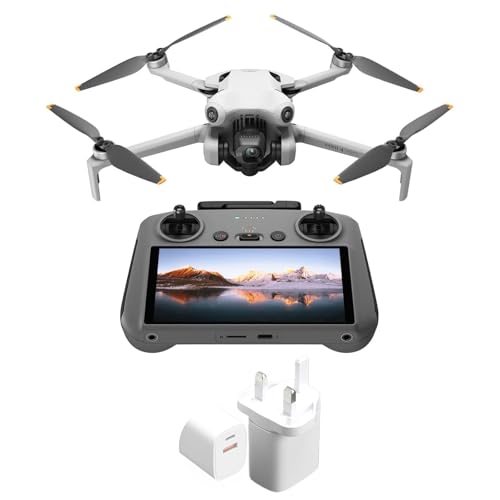
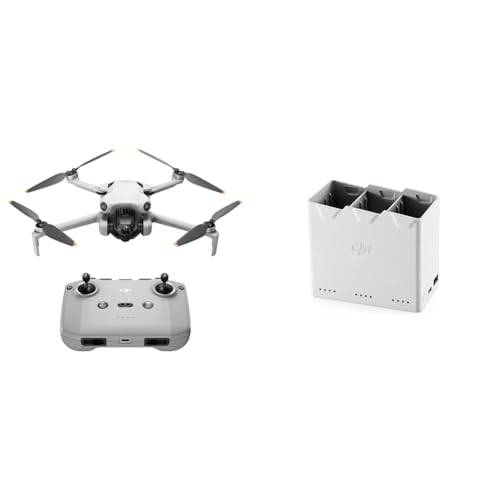
DJI Mini 3 (DJI RC) Lightweight Foldable Mini Camera Drone with 4K HDR Video, 38 min Flight Time, True Vertical Shooting and Intelligent Features (Renewed)
Original price was: £459.00.£414.99Current price is: £414.99. *View On Amazon* - DJI Drones
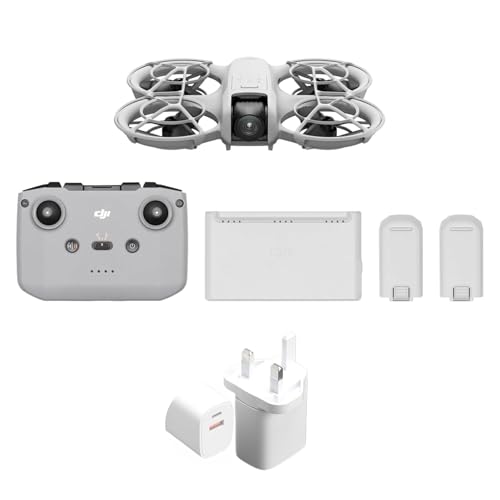
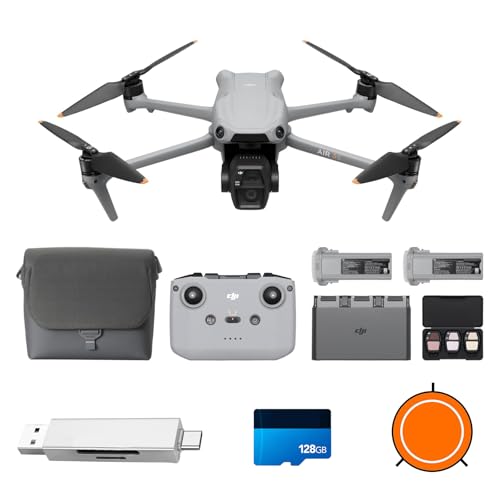
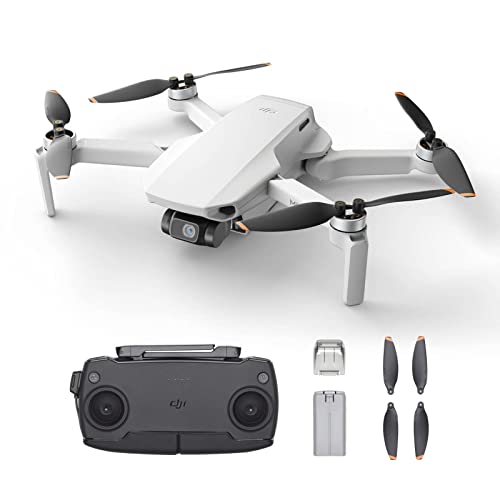
DJI Mini 4K Fly More Combo Drone with 4K UHD Camera
Original price was: £409.00.£389.00Current price is: £389.00. *View On Amazon*









What Are DJI Drones Used For?
DJI drones are used to capture photos and videos from the air. They can help you record wide landscape views, moving outdoor scenes, property views, holiday footage, event clips, creative social content and hobby flying sessions.
Different DJI drone ranges suit different users. Some are designed to be small and portable. Some focus on stronger camera quality and smoother filming. Others are built around immersive flying, creative movement or more advanced controls.
How To Choose The Right DJI Drone
Start with how you want to use the drone. If you are new to flying, look for simple controls, stable hovering, clear setup and a drone that feels manageable. If you are buying mainly for video, compare camera quality, gimbal stabilisation, flight time, battery options and how easy it is to transfer footage.
Weight is also important. In the UK, drone rules can depend on the drone’s weight, class mark and whether it has a camera. Before buying or flying, check whether you need a Flyer ID, Operator ID or any other permission for the drone and location you plan to use.
Portability matters too. A folding DJI drone can be easier to carry on walks, holidays and outdoor days out. A larger drone may offer more features, but it may also need more space, more care and a more confident pilot.
DJI Mini, Air, Mavic Or FPV Style Drone?
A DJI Mini style drone is usually chosen for portability, everyday flying and travel friendly use. It can be a good option if you want a smaller drone that is easier to carry and less intimidating to learn with.
A DJI Air style drone may suit buyers who want a stronger balance between portability, camera features and flight performance. It can be a sensible step up if you want better footage without moving straight to a larger setup.
A DJI Mavic style drone is often chosen by more serious users who want stronger image quality, better flight capability and more advanced creative options. The trade off is that larger or higher specification drones can cost more and may be less convenient to carry.
An FPV or Avata style drone is more about immersive flying and dynamic movement. It can create exciting footage, but it may not be the easiest starting point for someone who simply wants steady aerial photos and simple video.
Camera Quality And Stabilisation
For many shoppers, the camera is the main reason to buy a DJI drone. Compare photo quality, video quality, frame rates, low light ability, colour options and how much control you have over the final image.
Stabilisation is just as important as resolution. A good camera is far less useful if the footage looks shaky or difficult to watch. Gimbal stabilisation can help keep video smoother while the drone moves, turns or deals with light wind.
If you mainly want casual clips, simple stable footage may be enough. If you want more serious content, look more closely at camera sensor size, recording options, gimbal movement, storage and editing workflow.
Key Features To Compare
When comparing DJI drones, look at camera quality, flight time, battery options, weight, portability, controller type, transmission range, obstacle sensing, GPS support, return to home features, subject tracking, app support and spare parts availability.
Flight time affects how long you can practise or record before changing batteries. Obstacle sensing can help with awareness, but it does not replace careful flying. Return to home can be useful, but it should not be treated as a guarantee against mistakes.
Controller choice also matters. Some users prefer a simple phone connected controller. Others may prefer a controller with a built in screen for convenience. The better choice depends on how often you fly and how much you value a quicker setup.
Beginner, Traveller Or Content Creator?
Beginners should focus on ease of use, stable flight, clear instructions and a drone that helps them build confidence. A simpler DJI drone can be a better first buy than a more advanced model that feels stressful to fly.
Travellers may prefer a compact folding drone with good battery life, easy storage and quick setup. Content creators may want stronger camera quality, smoother gimbal footage, tracking features, reliable app control and enough storage for higher resolution video.
The best DJI drone is not always the most expensive one. It is the one that fits your confidence level, your filming goals, your budget and the places where you will actually fly.
Flying DJI Drones Responsibly In The UK
DJI drones should be flown safely, legally and with respect for other people. Before flying outdoors in the UK, check the current CAA rules, registration requirements and local restrictions.
Do not assume that a drone can be flown anywhere just because it is small. Weight, camera use, airspace, people nearby, privacy and location all matter. Avoid flying near airports, restricted areas, crowds, private property or places where people may reasonably expect privacy.
Weather also matters. Wind, rain, poor visibility and low light can make flying harder and can affect footage quality. Learn the controls in a safe open area before trying more ambitious shots.
Useful DJI Drone Accessories To Consider
Useful DJI drone accessories can include spare batteries, memory cards, replacement propellers, charging hubs, landing pads, carry cases and screen shades.
Spare batteries help extend flying sessions. Memory cards are important for saving photos and video. A carry case helps protect the drone, controller and accessories when travelling. Replacement propellers are useful because small knocks can happen, especially while learning.
Choose accessories around how you actually fly. A casual user may only need spare storage and a case, while a regular outdoor creator may benefit from extra batteries, better carrying protection and a more organised charging setup.
Why Buy DJI Drones From YPC?
At YPC, we have used a lot of outdoor equipment ourselves in real activity settings, so we understand why practical kit matters. A drone needs to be more than exciting on a product page. It needs to suit your ability, your filming plans and the places where you can safely use it.
Browse the DJI Drones range, compare the options and choose the drone that fits your aerial filming, outdoor flying and creative plans.
DJI Drones FAQs
What are DJI drones used for?
DJI drones are used for aerial photography, video recording, outdoor flying, travel footage, social content and hobby use. Different models suit beginners, creators and more confident drone users.
Are DJI drones good for beginners?
Some DJI drones are suitable for beginners because they offer stable flight, simple controls and helpful safety features. New flyers should still learn the controls carefully and check UK drone rules before flying.
What should I look for when buying a DJI drone?
Look at camera quality, flight time, weight, battery options, portability, controller type, obstacle sensing, GPS support, storage, app support and whether the drone suits your experience level.
What is the difference between DJI Mini and DJI Mavic drones?
DJI Mini style drones are usually smaller and more portable, while DJI Mavic style drones are often chosen by users who want stronger camera performance and more advanced features. Always compare the exact model before buying.
Do I need a licence to fly a DJI drone in the UK?
You may need a Flyer ID, Operator ID or both, depending on the drone’s weight, class mark and whether it has a camera. Always check the latest CAA rules before flying.
Are DJI drones good for video?
Many DJI drones are designed with video in mind, especially models with camera stabilisation and gimbal support. The best option depends on the footage quality, flight time and creative features you need.
Do DJI drones need memory cards?
Many DJI drones use memory cards for photo and video storage. Check the required card type, capacity and speed before buying, especially if you plan to record higher resolution video.
Can DJI drones fly in windy weather?
Some DJI drones handle wind better than others, but wind can make flying harder, reduce battery life and affect footage. Beginners should avoid flying in difficult weather.
Is a DJI drone better than an action camera?
A DJI drone is better for aerial views and overhead footage. An action camera is better for mounted, hands free and close up activity footage. Many outdoor creators use both for different angles.
Is the most expensive DJI drone always the best choice?
No. A more expensive DJI drone may offer better camera quality or more advanced features, but the best choice is the model that matches your skill level, filming needs, budget and legal flying requirements.
 Getting ready for Summer? View our Home and Garden Products

Heading outdoors this winter? Take a look at our Outdoor Clothing.