
Weather Stations
Weather stations help you monitor local conditions such as temperature, humidity, rainfall, wind and air pressure. This category is ideal if you want a clearer picture of the weather around your home, garden, greenhouse, outdoor workspace, campsite, smallholding or activity area.
The right weather station depends on what you want to measure and how detailed you want the readings to be. A simple indoor and outdoor thermometer may be enough for everyday use, while a more advanced weather station can give extra information such as wind speed, rainfall, pressure trends and app based monitoring.
Weather Stations Buyers Guide
A practical guide explaining how to compare weather stations based on accuracy, display readability, ease of setup, and suitability for home use.
- Weather Stations
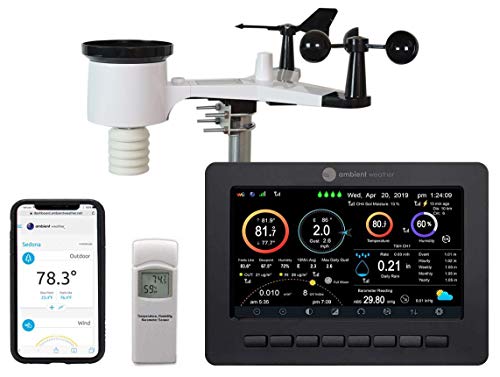
Ambient Weather WS-2000 Smart Weather Station with WiFi Remote Monitoring and Alerts
£260.00 *View On Amazon* - Weather Stations
Radio Controlled 2026 MSF UK Projection Alarm Clock with Outdoor Sensor
Original price was: £39.99.£25.99Current price is: £25.99. *View On Amazon* - Weather Stations
ECOWITT Console HP2560 for Weather Stations
Original price was: £139.00.£128.00Current price is: £128.00. *View On Amazon* - Weather Stations
Bresser MeteoTemp BF Wireless Weather Station with Touch Screen
£38.54 *View On Amazon* - Weather Stations
Kalawen Latest Weather Station for Home with One Wireless Outdoor Sensor
Original price was: £42.99.£36.54Current price is: £36.54. *View On Amazon* - Weather Stations
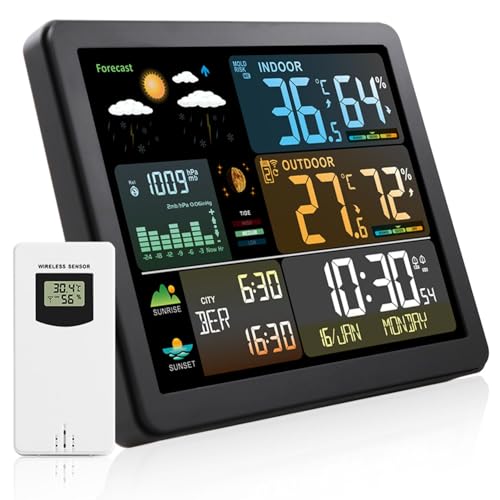
OFFCUP Wireless Weather Station with Sensor, Radio Controlled, Indoor Outdoor Temperature Thermometer, Humidity, Barometric Pressure, Sunrise and Sunset Times
Original price was: £22.94.£21.72Current price is: £21.72. *View On Amazon* - Weather Stations
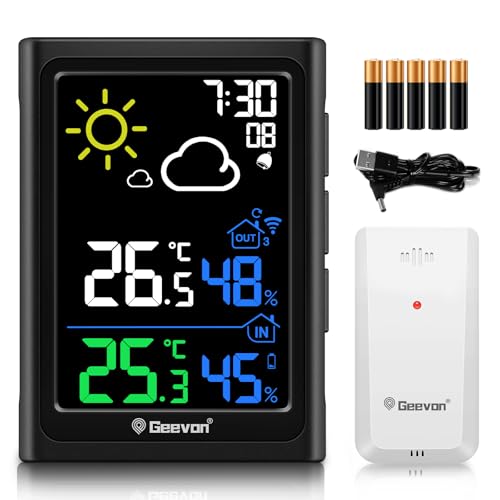
JSUDQR Weather Forecast Station Touch Button with Outdoor Sensor
£19.53 *View On Amazon*






What Is A Weather Station?
A weather station is a set of sensors used to measure local weather conditions. Depending on the model, it may include indoor temperature, outdoor temperature, humidity, barometric pressure, wind speed, wind direction, rainfall, time, date, forecast icons and wireless sensor data.
Home weather stations are useful because they show conditions where you actually are. That can be helpful for gardening, greenhouse care, outdoor hobbies, camping preparation, heating decisions, ventilation, drying clothes, planning outdoor work or simply understanding your local microclimate.
How To Choose The Right Weather Station
Start with the information you really need. If you only want to know indoor and outdoor temperature, a basic wireless weather station may be enough. If you care about gardening, outdoor work or changing conditions, look for humidity, pressure, rainfall and wind readings.
Sensor placement is important. Outdoor sensors need to be positioned sensibly so readings are not distorted by direct sunlight, walls, roofs, heating vents or sheltered corners. A poorly placed sensor can make even a good weather station less useful.
Display style also matters. Some people prefer a clear indoor screen with large numbers. Others want Wi-Fi, app access, alerts, history graphs or smart home style features. The best choice is the one you will actually check and understand.
Basic Weather Station Or Full Sensor Setup?
A basic weather station is usually best for everyday home use. It may show indoor temperature, outdoor temperature, humidity and a simple weather trend. It is easy to set up and suits buyers who want useful information without lots of extra sensors.
A full sensor setup is better if you want more detailed outdoor readings. Wind speed, wind direction, rainfall and pressure trends can be useful for gardeners, outdoor workers, weather hobbyists and anyone who wants to track changing conditions more closely.
The trade off is setup. More sensors can give more information, but they also need better positioning, more maintenance and a little more patience to install correctly.
Key Features To Compare
When comparing weather stations, look at indoor temperature, outdoor temperature, humidity, air pressure, rainfall measurement, wind speed, wind direction, wireless range, display size, app support, power source, sensor type and ease of setup.
Wireless range matters if the outdoor sensor will be placed away from the house. Battery life matters because outdoor sensors can be affected by cold weather and regular data transmission. A clear display is important if you want quick readings at a glance.
If you want rainfall or wind readings, check whether the weather station includes the correct outdoor sensors. Not every weather station measures everything, even if it looks advanced at first glance.
Weather Station Or Weather App?
A weather app gives a forecast for your general area. It is useful for planning ahead, checking warnings and seeing broader weather trends.
A home weather station shows local readings from your own sensors. This can be more useful for checking what is happening in your garden, greenhouse, driveway or outdoor space right now.
For most people, the two work best together. Use official forecasts for wider weather planning and a home weather station for your own local conditions.
Useful For Gardens, Greenhouses And Outdoor Spaces
Weather stations can be especially useful for gardeners because temperature, humidity, rainfall and frost risk all affect plants. Greenhouse users may want to monitor heat and humidity more closely, especially during summer, winter or sudden weather changes.
For outdoor hobbies, a weather station can help you understand when conditions are changing. Wind, pressure and rainfall readings can be useful for planning activities, drying kit, checking shelter and deciding whether outdoor jobs should wait.
A weather station will not control the weather, but it can help you make better decisions before the weather catches you out.
Beginner, Gardener Or Weather Enthusiast?
Beginners should look for a weather station with a clear screen, simple setup and the main readings they will use every day. Temperature, humidity and basic trend information may be enough.
Gardeners may benefit from outdoor temperature, humidity, rainfall and frost style alerts where available. Weather enthusiasts may want wind readings, pressure history, app data, graphs, multiple sensors and more detailed records.
The best weather station is not always the most complicated one. It is the one that gives you useful readings, is easy to understand and suits the place where it will be installed.
Using Weather Station Readings Sensibly
A home weather station is useful for local readings, but it should not replace official weather warnings, professional forecasts or safety advice. Your garden readings may differ from the nearest official forecast because of buildings, shade, wind exposure and local geography.
Treat readings as practical guidance. They can help you spot trends, compare conditions and understand your own outdoor space, but accuracy depends on sensor quality, positioning and maintenance.
Check sensors occasionally, replace batteries when needed and keep rain gauges or outdoor units clear of dirt, leaves and debris where relevant.
Useful Weather Station Accessories To Consider
Useful accessories can include spare sensors, mounting poles, wall brackets, batteries, screen protectors, weather shields and replacement outdoor units where supported.
A good mounting position can make the weather station more useful. A sensor placed too close to a wall or in direct sun may give misleading readings. Mounting accessories can help position sensors more sensibly.
Choose accessories that match your exact weather station model because sensors, mounts and replacement parts are not always universal.
Why Buy Weather Stations From YPC?
At YPC, we have used a lot of outdoor equipment ourselves in real activity settings, so we understand why practical local information matters. A weather station should be clear, useful and suited to the space where you actually plan to use it.
Browse the Weather Stations range, compare the options and choose the model that fits your home, garden, outdoor hobbies or weather monitoring needs.
Weather Stations FAQs
What does a weather station measure?
A weather station can measure conditions such as temperature, humidity, air pressure, rainfall, wind speed and wind direction, depending on the model and included sensors.
Are home weather stations accurate?
Home weather stations can give useful local readings, but accuracy depends on sensor quality, setup, placement and maintenance. Poor positioning can affect temperature, wind and rainfall readings.
What should I look for when buying a weather station?
Look at the readings you need, sensor type, wireless range, display size, app support, battery life, power source, outdoor sensor design and how easy it is to install.
Do weather stations need Wi-Fi?
Not all weather stations need Wi-Fi. Basic models may use a wireless outdoor sensor and indoor display. Wi-Fi models can offer app access, remote viewing, history graphs or online data features.
Where should I place an outdoor weather sensor?
Place outdoor sensors where they can measure conditions sensibly, away from direct heat sources, sheltered corners and surfaces that may distort readings. Follow the product instructions for best results.
Can a weather station predict the weather?
Some weather stations show trend based forecast icons using pressure changes and sensor data. These can be useful as a guide, but they should not replace official forecasts or weather warnings.
Is a weather station useful for gardening?
Yes, a weather station can be useful for gardening because it can help monitor temperature, humidity, rainfall and changing conditions around your own garden.
Do weather stations measure rainfall?
Some weather stations include a rain gauge, but not all do. Check the product details if rainfall measurement is important.
Do weather stations measure wind speed?
Some weather stations include wind sensors for speed and direction, while simpler models do not. Check whether the model includes an anemometer or wind sensor setup.
What is the difference between a weather station and a thermometer?
A thermometer measures temperature. A weather station can measure several conditions, such as temperature, humidity, pressure, wind and rainfall, depending on the model.
Are weather stations suitable for greenhouses?
Yes, some weather stations or sensor systems can be useful for greenhouse monitoring. Temperature and humidity readings can help you understand growing conditions more clearly.
Do weather stations need maintenance?
Yes, some basic maintenance may be needed. Replace batteries, check sensor placement, clean rain gauges where fitted and keep outdoor units clear of dirt, leaves or obstruction.
 Getting ready for Summer? View our Home and Garden Products

Heading outdoors this winter? Take a look at our Outdoor Clothing.