
Cat Collars and Accessories
Cat collars and accessories are designed to help owners add identification, visibility, style or practical features to a cat’s daily routine. They can include collars, bells, ID tags, reflective accessories, charms, replacement parts and related cat collar items, depending on the products listed.
The right cat collar should suit the cat’s size, behaviour, environment and comfort needs. Fit, fastening type, breakaway safety, material, adjustability, visibility, accessory compatibility and care needs are all worth comparing before choosing.
- Cat Collars and Accessories
Amabro Diamond Cat Chain Collar, Metal Cuban Link Dog Collar with Secure Buckle 12mm Wide Cat Pet Necklace Chain Pet Collar Jewelry Accessories for Small Medium Dogs Cats Puppy Kittens 8inch(Gold)
Original price was: £4.79.£4.29Current price is: £4.29. *View On Amazon* - Cat Collars and Accessories
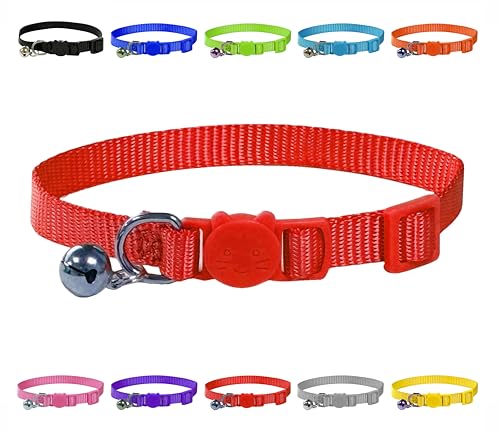
Vibrant Soft Nylon Kitten/Cat Collar with Bell and Safety Release Buckle (Red)
£3.49 *View On Amazon* - Cat Collars and Accessories
JZK 10 x Quick Release Cat Collar With Bell and Bow Tie, Multi Colors Breakaway Collars With Safety Release Buckle, for Cats and Small Size Dogs
Original price was: £7.79.£7.49Current price is: £7.49. *View On Amazon* - Cat Collars and Accessories
2 Pack Safety Cat Collars Quick Release with Bell & Reflective Cat Collars with Bells (Black)
£3.99 *View On Amazon* - Cat Collars and Accessories
2 Pack Safety Cat Collars Quick Release with Bell & Reflective Cat Collars with Bells (Navy Blue)
£4.29 *View On Amazon* - Cat Collars and Accessories
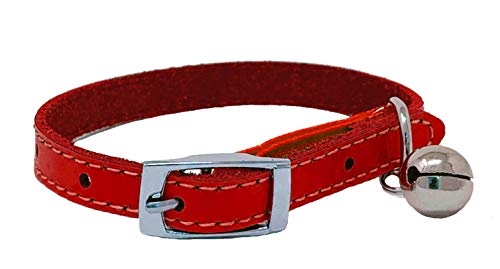
Cat Collar Real Leather with Safety Elastic, Bell, Available (Red)
£4.25 *View On Amazon* - Cat Collars and Accessories
Ancol Gloss Reflective Cat Collar with safety buckle Blue
£4.95 *View On Amazon* - Cat Collars and Accessories
Leather cat/ kitten collar pink, blue, brown and red safety elastic (blue)
£4.39 *View On Amazon* - Cat Collars and Accessories
Ancol Adjustable Cat Collar with Safety Bell and Break Apart Buckle Pink Leopard Print Pattern
Original price was: £3.99.£2.39Current price is: £2.39. *View On Amazon* - Cat Collars and Accessories
PUPTECK – 2 Pack Soft Genuine Leather Cat & Kitten Collars with Bells Adjustable for Cats & Puppies, Boys & Girls – Pink & Blue
£12.79 *View On Amazon* - Cat Collars and Accessories
tonyg-p 3 Pcs Bow Tie Cat Collar with Bells, Adjustable Bow Cats Collars for Kitten Puppy Small Pets
Original price was: £5.49.£4.99Current price is: £4.99. *View On Amazon* - Cat Collars and Accessories
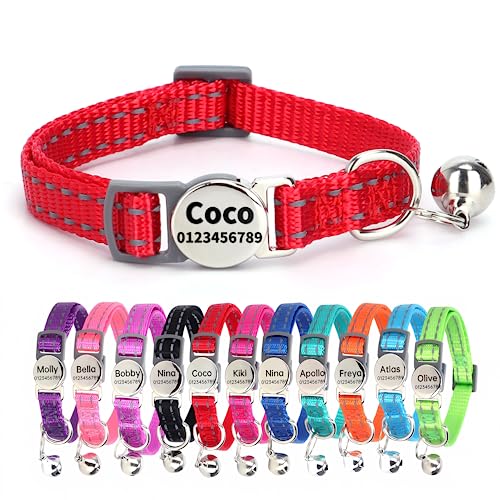
4 PCS Cat Collars, Reflective Cat Collars with Quick Release,Moons Stars Cats Collar, Bell for Sound, Adjustable, Durable Cats Accessories for Pet Dog Kittens Puppy (4 Color)
Original price was: £4.79.£4.59Current price is: £4.59. *View On Amazon* - Cat Collars and Accessories
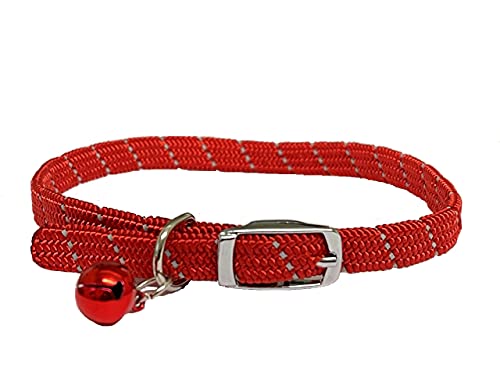
Cat/Kitten Reflective Softweave Collar with Safety Elastic & Bell with Safety Release (Red)
£3.99 *View On Amazon*







What Are Cat Collars and Accessories?
Cat collars are wearable neck accessories made specifically for cats. They are usually lightweight and adjustable, with designs that may include quick release fastenings, reflective details, bells, name tags, decorative patterns or soft materials where listed.
Cat collar accessories are the extra items that may be used with a collar, such as ID tags, bells, charms, trackers where compatible, replacement clips, safety lights, reflective attachments or decorative items depending on the product range available.
Cat collars should always be chosen with comfort and safety in mind. Cats climb, squeeze through gaps, groom themselves and move differently from dogs, so collars need to be suitable for feline use rather than simply being small pet collars.
What Are Cat Collars and Accessories Used For?
Cat collars and accessories are used for identification, visibility, everyday wear, outdoor awareness and personal style. An ID tag can help show that a cat has a home, while reflective details where listed may help make the cat more noticeable in low light.
A bell may be used by some owners to help hear where a cat is or to alert wildlife, although not every cat will tolerate one comfortably. Decorative collars can add colour or personality, but comfort and safe fit should always come first.
For indoor cats, a collar may be used mainly for identification or routine familiarity. For outdoor cats, safety fastening, visibility and secure but comfortable fit become especially important.
How To Choose The Right Cat Collar
Start with safety. A cat collar should usually be designed for cats and include a quick release or breakaway style fastening where listed. This helps the collar release if it becomes caught, depending on the product design.
Next, check fit. The collar should sit securely without being tight. It should not rub, restrict breathing or interfere with eating, grooming or movement. As a general guide, many owners check that there is comfortable space between the collar and the cat’s neck, but always follow the product sizing guidance.
Material is also worth comparing. Soft fabric collars may feel comfortable for everyday wear, while reflective materials or stitching where listed may help with visibility. Leather style, nylon style, patterned and padded collars can all feel different, so choose based on the cat’s comfort and the product details.
Also think about the cat’s behaviour. A kitten, older cat, indoor cat, outdoor explorer or nervous cat may each need a different approach. Some cats adapt to collars quickly, while others need gradual introduction and careful supervision.
Key Features To Compare
When comparing cat collars and accessories, look at size range, adjustability, fastening type, collar width, material, weight, reflective details, bell inclusion, ID tag compatibility and care instructions.
Adjustability is important because cats vary in neck size and coat thickness. A collar that can be adjusted properly is more likely to sit comfortably and safely.
Fastening type matters. Buckles, clips and quick release fastenings can all feel different in use. For cats, a breakaway style design where listed is often worth considering because of climbing and exploring behaviour.
Weight is another useful detail. Heavy collars, bulky tags or large accessories may annoy a cat or make the collar less comfortable. Choose accessories that suit the cat’s size and activity level.
Visibility features can be useful for cats that go outside. Reflective strips, bright colours or light up accessories where listed may help a cat stand out more, although they do not remove the need for wider safety awareness.
Cat Collars Compared With Harnesses Tags And Trackers
A cat collar is usually worn around the neck and may be used for ID, visibility or holding small accessories. It is often intended for everyday wear where suitable.
A cat harness is different. It fits around the body and is usually used with a lead for supervised outdoor time or travel training where appropriate. A harness should not be replaced by a collar for lead walking, unless the product clearly supports that use and it is safe for the cat.
An ID tag is an accessory that attaches to a collar. It can provide visible contact information where suitable, but it needs a compatible collar and should not be too heavy or sharp edged.
A tracker may attach to a collar where compatible. Trackers can be useful for some owners, but they add weight and size, so collar strength, breakaway function and cat comfort must be checked carefully.
For many cats, a simple, comfortable, safety focused collar with suitable ID is the most practical starting point.
Guidance For First Time Regular And Experienced Cat Owners
First time cat owners should choose a simple, lightweight collar designed for cats. Comfort, safe fastening and adjustability are more important than decorative extras.
Regular cat owners may want to compare reflective details, tag compatibility, material durability and how easy the collar is to clean. If a cat goes outdoors often, visible details and safety release features are worth checking closely.
Experienced cat owners may already know whether their cat tolerates bells, tags, trackers or decorative accessories. They may choose different collars for indoor use, outdoor visibility or special occasions where suitable.
If a cat repeatedly removes collars, scratches at them or seems distressed, stop using the collar and reassess fit, weight, material and suitability.
Use Cases By Cat Type And Lifestyle
For outdoor cats, quick release fastening, visibility and secure but comfortable fit are important. Reflective details where listed may be useful for low light conditions.
For indoor cats, a soft and lightweight collar may be enough if the main goal is identification or routine wear. Indoor cats should still be introduced to collars gradually where needed.
For kittens, choose only products that are suitable for young cats where listed. Kittens grow quickly, so fit should be checked often. A collar that fitted last week may become too tight as the kitten grows.
For older cats, comfort and low weight may matter more than decorative features. A collar should not rub against thinner fur or sensitive skin.
For nervous cats, start slowly and avoid heavy bells, dangling charms or anything that may startle them. Calm introduction and careful observation are important.
For multi cat homes, different colours, tags or accessories may help identify each cat more easily, provided each collar remains comfortable and safe.
Fit Compatibility And Collar Comfort
A cat collar should fit around the neck without pressing into the skin. It should not be so loose that the cat can catch a leg or jaw through it, and it should not be so tight that it causes discomfort.
Check the size guide where listed and measure the cat carefully before buying. Long haired cats may need extra attention because fur can hide how the collar sits against the neck.
Compatibility with accessories matters too. If you plan to add an ID tag, bell or tracker, make sure the collar has a suitable ring or attachment point where listed. Keep the total weight sensible for the cat.
Watch the cat after fitting a new collar. Check for scratching, rubbing, skin irritation, fur loss, chewing, catching or changes in behaviour. Remove the collar if it appears uncomfortable or unsafe.
Bells Tags Reflective Details And Accessories
Bells can be useful for some owners, but they do not suit every cat. Some cats ignore them, while others may find the sound annoying or stressful. If using a bell, check that it is securely attached and not too heavy.
ID tags can be helpful because they show that a cat has an owner and may provide contact details where suitable. Choose a tag that is light, smooth and securely attached.
Reflective details can support visibility in low light where listed. They may be useful for outdoor cats, but they do not make a cat fully safe around roads, vehicles or other hazards.
Decorative accessories should be chosen carefully. Charms, bows or embellishments should not be sharp, heavy or easy to catch. Comfort and safety should always come before appearance.
Safety Care Maintenance And Storage
Cat collars should be checked regularly for fit, wear and safe function. Look for frayed fabric, cracked clips, loose bells, damaged tags or sharp edges.
Breakaway fastenings should be kept clean and checked according to the product guidance. If a collar no longer fastens properly or releases too easily, it may need replacing.
Remove or adjust collars if the cat shows signs of discomfort, skin irritation, fur loss or distress. If irritation continues, seek advice from a vet.
Clean collars according to the care instructions. Some collars may be wipe clean, while others may need gentle washing. Let collars dry fully before putting them back on the cat.
Store spare collars, bells and tags safely away from pets and children. Small accessories can be choking hazards if chewed or swallowed.
Useful Accessories To Consider
Useful accessories can include cat ID tags, bells, reflective attachments, replacement clips where compatible, collar lights where suitable, cat harnesses, leads, grooming brushes, flea combs, cat carriers and travel bowls.
For outdoor cats, an ID tag and reflective collar where suitable may be useful. For supervised outdoor time, a proper cat harness and lead may be more appropriate than relying on a collar.
For kittens or cats new to collars, keeping a spare lightweight collar can be useful in case one is lost during normal use.
Why Buy Cat Collars and Accessories From YPC?
At YPC, we understand active lifestyles and the need for practical products that work in real use. Cat collars and accessories can vary by fit, fastening, material, visibility, weight, comfort and accessory compatibility, so comparing the details helps you choose with more confidence.
YPC helps you browse cat collar products with real pet care needs in mind, whether you are buying for an indoor cat, outdoor cat, kitten, older cat, identification, visibility or everyday comfort. Explore the Cat Collars and Accessories category to browse the available options and compare the features that matter most for your cat’s routine.
FAQs
What should I look for in a cat collar?
Look for a collar designed for cats, with suitable sizing, comfortable material, adjustability and a quick release or breakaway fastening where listed. Check that it is light enough for your cat and suitable for any accessories you want to add.
Are breakaway collars important for cats?
Breakaway collars can be useful because cats climb, squeeze through spaces and explore tight areas. A quick release design where listed may help the collar come away if it becomes caught.
How tight should a cat collar be?
A cat collar should feel secure but not tight. It should not press into the neck, restrict movement or allow the cat to catch a leg or jaw through it. Always follow the product size guidance.
Can kittens wear collars?
Some collars may be suitable for kittens where listed, but fit must be checked very often because kittens grow quickly. Choose lightweight, kitten appropriate products and supervise carefully.
Should outdoor cats wear reflective collars?
Reflective collars or reflective details where listed may help an outdoor cat stand out more in low light. They do not remove outdoor risks, but they can be a useful visibility feature.
Are bells on cat collars a good idea?
Bells can help owners hear a cat and may alert wildlife, but they do not suit every cat. If a bell causes stress, discomfort or constant irritation, it may be better to remove it.
Can I attach an ID tag to a cat collar?
Many cat collars include a ring or attachment point where listed, but not all do. Choose a light, smooth tag and make sure it is securely attached without making the collar too heavy.
Can a cat collar hold a tracker?
Some collars may be compatible with trackers where listed. Check the collar strength, attachment method, tracker weight and breakaway function before use.
How often should I check my cat’s collar?
Check the collar regularly for fit, wear, rubbing, loose accessories and safe fastening. This is especially important for kittens, outdoor cats and cats with long or thick fur.
How do I clean a cat collar?
Follow the product care instructions. Wipe or wash the collar where suitable, remove dirt and debris, and let it dry fully before putting it back on your cat.
 Getting ready for Summer? View our Home and Garden Products

Heading outdoors this winter? Take a look at our Outdoor Clothing.