
Cat Supplies
Cat supplies are products used to feed, care for, clean up after and enrich the lives of cats at home. They can include cat food, bowls, litter, trays, beds, scratching posts, toys, grooming tools, carriers, treats and practical care accessories, depending on the products listed.
The right cat supplies depend on your cat’s age, size, personality, health needs, indoor or outdoor routine and home setup. Suitability, safety, hygiene, material, ease of cleaning and everyday practicality are all worth comparing before choosing.
-

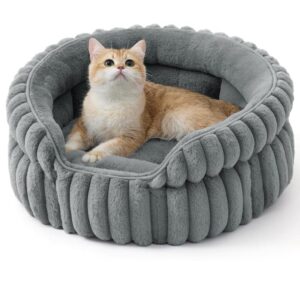
Cat Beds and Bedding100 Products
-
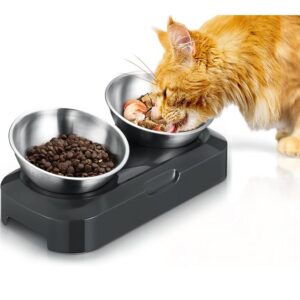
Cat Bowls and Feeders166 Products
-
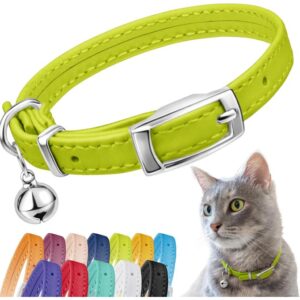
Cat Collars and Accessories159 Products
-
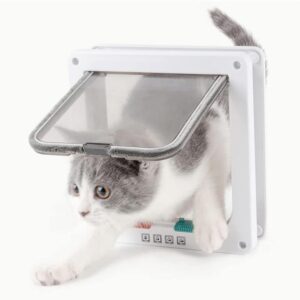
Cat Flaps98 Products
-
Cat Food184 Products
-
Cat Grooming288 Products
-
Cat Health and Hygiene490 Products
-
Cat ID Tags and Safety75 Products
-
Cat Litter and Trays210 Products
-
Cat Toys201 Products
-
Cat Travel217 Products
-
Cat Treats64 Products
-
Cat Trees and Scratching Posts292 Products



What Are Cat Supplies?
Cat supplies are everyday products and accessories designed to support cat ownership. They help with feeding, drinking, toileting, sleeping, playing, grooming, travel and general care.
Products in this category may include dry cat food, wet cat food, cat treats, food bowls, water bowls, litter trays, cat litter, litter scoops, beds, blankets, scratchers, cat trees, collars, toys, grooming brushes, nail care items, cleaning products and carriers where listed.
Because cats can be very particular, it is worth choosing supplies that suit the individual cat rather than buying only by appearance or price.
What Are Cat Supplies Used For?
Cat supplies are used to support daily routines and keep cats comfortable, stimulated and properly cared for. Food and bowls support feeding. Litter trays and litter help with toileting. Beds and blankets create resting spots. Scratching posts and toys support natural behaviour and play.
For kittens, supplies may need to be smaller, gentler and easier to access. For adult cats, durability, comfort and routine may matter more. For older cats, low entry trays, softer bedding and easy access feeding areas may be useful where suitable.
Cat supplies are also useful when bringing a new cat home, improving an existing setup or replacing worn items.
How To Choose The Right Cat Supplies
Start with the basics your cat needs every day. Food, water access, toileting, somewhere comfortable to sleep and safe enrichment items are usually the priority. Extra accessories can then be added based on your cat’s behaviour and your home.
Next, think about your cat’s age and lifestyle. Indoor cats may need more enrichment, scratching areas and play items. Outdoor cats may still need indoor comfort, feeding supplies and safe resting spaces. Kittens, adult cats and senior cats can all need different product choices.
Safety is important. Check materials, small parts, cords, loose pieces, sharp edges and product suitability where listed. Cats may chew, scratch, climb, chase and squeeze into small spaces, so products should be chosen with normal cat behaviour in mind.
Cleaning is also a major factor. Litter trays, bowls, beds, carriers and toys should be easy to clean or maintain according to the product guidance.
Key Features To Compare
When comparing cat supplies, look at suitability, size, material, ease of cleaning, durability, comfort, safety guidance, pack quantity and intended use.
For feeding products, compare bowl size, material, shape and cleaning guidance. Some cats prefer shallow bowls, while others may need slow feeders or raised bowls where suitable and listed.
For litter products, compare litter type, tray size, odour control wording where listed, dust levels where stated and how easy the tray is to clean. The best option depends on your cat’s preference and your home routine.
For beds and blankets, softness, washability, size and warmth may matter. Some cats like enclosed beds, while others prefer open mats or raised resting spots.
For toys and scratching products, check material, stability, size and whether the product suits your cat’s play style. A toy that suits one cat may not interest another.
Cat Supplies Compared With Dog Supplies And General Pet Products
Cat supplies are different from dog supplies because cats have different behaviour, feeding habits, toileting needs and enrichment preferences. A dog bed, dog toy or dog bowl may not suit a cat unless the product is clearly suitable.
General pet products can sometimes be useful, but they should still match the cat’s size and needs. For example, a pet carrier must be secure and suitable for a cat, not just any small animal.
Cat specific products often focus on scratching, climbing, hiding, litter use, grooming and smaller feeding routines. These details matter because they support normal cat behaviour and make daily care easier.
For the safest choice, match the product to the species, size, routine and intended use.
Guidance For New Regular And Experienced Cat Owners
New cat owners should focus on essentials first. Suitable food, bowls, litter tray, litter, bed, scratching post, toys, grooming items and a secure carrier are practical starting points.
Regular cat owners may want to compare products that make daily care easier, such as washable beds, better litter tray layouts, spare bowls, durable scratchers and storage for food or litter.
Experienced cat owners may choose more specific supplies based on personality and behaviour. A nervous cat may prefer covered resting spots. A playful cat may need more toys and climbing areas. A senior cat may benefit from easier access items where suitable.
Every cat is different, so careful observation is often the best guide.
Use Cases By Cat Type And Home Routine
For kittens, choose supplies that are safe, appropriately sized and easy to access. Smaller litter trays, soft bedding, gentle toys and kitten suitable food where listed may be useful.
For indoor cats, enrichment is especially important. Scratching posts, climbing furniture, interactive toys, puzzle feeders and comfortable window resting spots can help support a more interesting home environment.
For outdoor cats, practical feeding, grooming, bedding and cleaning products still matter. Outdoor cats may bring in dirt, shed fur or need a warm indoor resting space after being outside.
For multi cat homes, extra bowls, litter trays, beds and scratching areas can help reduce competition. Cats often prefer having their own spaces and resources.
For senior cats, comfort and access become more important. Low sided litter trays, soft beds, easy access feeding areas and gentle grooming tools may be worth comparing where suitable.
Feeding Water And Treat Practicality
Cat food and feeding products should be chosen carefully. Check whether the product is suitable for the cat’s life stage, diet needs and feeding routine where listed. Kittens, adults and senior cats may have different nutritional needs.
Fresh water should be available where appropriate. Some cats prefer bowls, while others may use pet fountains where suitable. Water products should be cleaned regularly to help maintain hygiene.
Treats should be used sensibly. They can be useful for bonding, training style routines or occasional rewards, but they should not replace a suitable main diet unless the product instructions clearly support that use.
If your cat has allergies, weight concerns, medical conditions, dental issues or specialist diet needs, seek advice from a qualified vet before changing food or adding supplements.
Litter Hygiene And Home Cleanliness
Cat litter and litter trays are essential for many cat owners. The right setup should be comfortable for the cat and practical for the home.
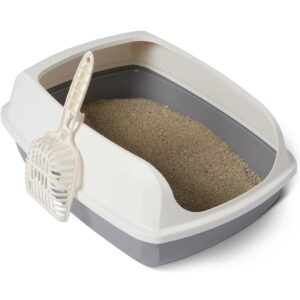
Tray size, entry height, covered or open design, litter type and cleaning routine can all affect whether a cat uses the tray happily. Some cats dislike sudden changes in litter or tray position, so changes may need to be made gradually where suitable.
Keep litter areas clean and accessible. Scoops, liners, mats, odour control products where listed and cleaning sprays can help make the routine easier.
Avoid using harsh cleaning products around cat areas unless they are clearly suitable and used exactly as instructed. Cats have sensitive noses, and strong smells may put some cats off using a tray.
Play Scratching And Enrichment
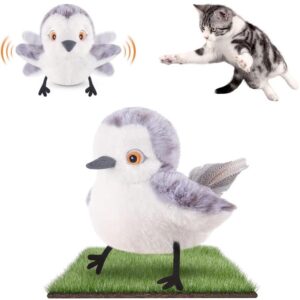
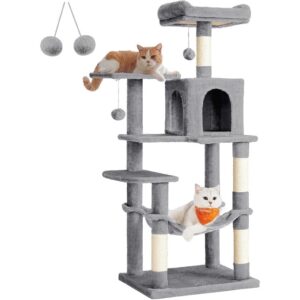
Play and scratching products help cats express natural behaviours. Scratching posts, boards, cat trees, teaser toys, balls, tunnels and interactive toys can all be useful depending on the cat’s age, energy level and personality.
Scratching products should be stable and suitable for the cat’s size. A wobbly scratcher may not be used, especially by larger or more confident cats. Different cats may prefer vertical posts, horizontal scratchers or angled boards.
Toys should be checked regularly for loose parts, fraying, broken pieces or anything that could be swallowed. Supervision may be needed with string, feather, battery powered or small toy parts where suitable.
Rotating toys can help keep play interesting without overcrowding the home.
Grooming Travel And Everyday Care
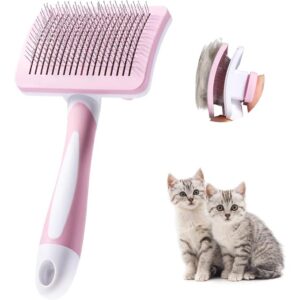
Grooming supplies can include brushes, combs, nail clippers, wipes, shampoos where suitable, grooming gloves and fur removal tools. The right choice depends on coat length, shedding, skin sensitivity and how comfortable your cat is with grooming.
Long haired cats may need more regular grooming than short haired cats. Some cats enjoy grooming, while others need a gentle and gradual approach.
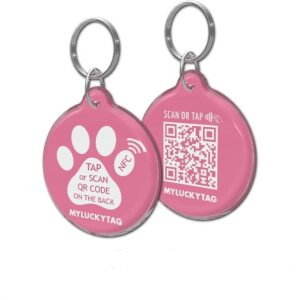
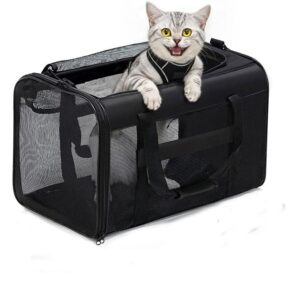
Travel supplies can include carriers, travel bowls, blankets, ID tags where suitable and cleaning items. A carrier should be secure, well ventilated and suitable for the cat’s size. It should allow safe transport to the vet, cattery or other necessary journeys.
For health concerns, grooming difficulties, skin problems, fleas, dental issues or behaviour changes, seek advice from a qualified vet.
Safety Care Maintenance And Storage
Cat supplies should be checked regularly for wear, damage and cleanliness. Broken toys, loose scratcher fibres, cracked bowls, sharp edges or damaged carriers should be replaced if they could cause harm.
Wash bowls, beds, blankets, litter trays and accessories according to the product guidance. Keeping cat supplies clean helps support a more comfortable home routine.
Store cat food sealed, dry and away from pests. Keep litter, treats, grooming products and cleaning products safely stored where children and pets cannot access them unsupervised.
Avoid leaving plastic bags, loose cords, small accessories or packaging where cats may chew or get tangled.
Useful Accessories To Consider
Useful accessories can include cat food storage tubs, litter mats, scoops, spare bowls, grooming brushes, blankets, scratching posts, cat trees, toys, travel carriers, cleaning sprays, pet hair removers and feeding mats.
For new cats, a starter setup with food and water bowls, litter tray, litter, bed, scratcher, toys and carrier is practical. For established cats, replacement toys, better cleaning accessories and extra resting spaces may be useful.
For multi cat homes, extra trays, bowls and beds can help each cat have their own space where suitable.
Why Buy Cat Supplies From YPC?
At YPC, we understand active lifestyles and the need for practical products that work in real use. Cat supplies can vary by size, material, suitability, safety guidance, hygiene needs, comfort, durability and daily practicality, so comparing the details helps you choose with more confidence.
YPC helps you browse cat care products with real home routines in mind, whether you are buying for a kitten, adult cat, senior cat, indoor cat, outdoor cat or multi cat household. Explore the Cat Supplies category to browse the available options and compare the features that matter most for everyday cat care.
FAQs
What are cat supplies used for?
Cat supplies are used for feeding, drinking, toileting, sleeping, grooming, play, scratching, travel and everyday cat care. They help support normal routines and a comfortable home setup.
What cat supplies do new owners need?
New owners usually need suitable cat food, food and water bowls, a litter tray, cat litter, a bed, scratching post, toys, grooming items and a secure carrier.
Are all cat foods suitable for every cat?
No. Cat food can vary by life stage, ingredients, format and diet suitability. Kittens, adults, senior cats and cats with health needs may require different food, so check the product details and seek vet advice if unsure.
How do I choose the right litter tray?
Choose a litter tray based on your cat’s size, age, mobility and preference. The tray should be easy to access, large enough to use comfortably and easy to clean.
Are scratching posts necessary?
Scratching posts can be very useful because scratching is a natural cat behaviour. They can help give cats a suitable place to scratch, stretch and mark territory.
What toys are best for cats?
The best cat toys depend on the cat’s personality and play style. Some cats like chasing toys, some prefer teaser toys, and others enjoy tunnels or puzzle feeders. Check safety and suitability before use.
How often should cat bowls be cleaned?
Cat bowls should be cleaned regularly to help maintain hygiene, especially wet food bowls and water bowls. Follow product care guidance and refresh food and water as needed.
What should I look for in a cat carrier?
Look for a secure, well ventilated carrier that suits your cat’s size and is easy to clean. It should close safely and be practical for vet visits or travel.
Are cat treats necessary?
Cat treats are not always necessary, but they can be used sensibly as occasional rewards where suitable. They should not replace a balanced main diet unless the product guidance clearly says so.
When should cat supplies be replaced?
Replace cat supplies when they become damaged, cracked, frayed, unsafe, unhygienic or uncomfortable. Check toys, beds, scratching posts, bowls, litter trays and carriers regularly.
 Getting ready for Summer? View our Home and Garden Products

Heading outdoors this winter? Take a look at our Outdoor Clothing.