
Cat Flaps
Cat Flaps are the category for home access products that allow cats to move in and out of doors, panels, and similar entry points as part of everyday household routine.
This page is for you if you are looking for home access products rather than travel carriers, wearable accessories, or cat bedding. It brings together the main cat flap options people compare when they want to manage everyday entry and exit in a practical way at home. The sections below explain how the category is structured so you can understand the main differences in size, fitting style, and opening type before comparing individual products.
- Cat Flaps
PetSafe Original 2 Way Pet Door – Manual Lock, Durable Frame, Multiple Colours – Medium, White
Original price was: £33.99.£21.99Current price is: £21.99. *View On Amazon* - Cat Flaps
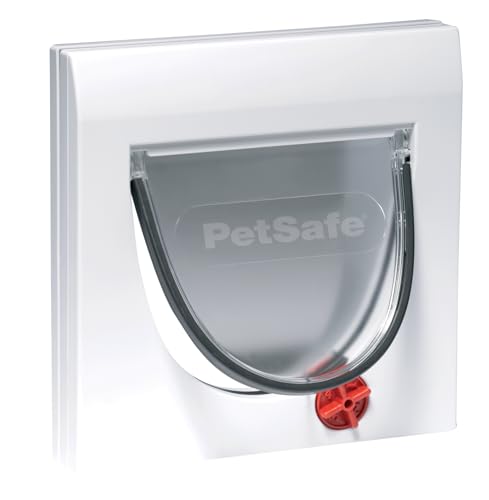
PetSafe Manual 4 Way Locking Classic Cat Flap – Flexible Access, Durable Design – White, Tunnel included
Original price was: £24.99.£11.99Current price is: £11.99. *View On Amazon* - Cat Flaps
WeeGoo Large Cat Flap (OD 25 x 23.5 cm) Lockable Cat Flaps Pet Door for Cats and Small Dogs, 4Way Locking Dog Flap Doors for Interior Exterior, Easy Fitting Weatherproof Silent (White)
Original price was: £16.99.£14.39Current price is: £14.39. *View On Amazon* - Cat Flaps
Roxanex Cat Door Large 18.5cm x 18cm Flap Easy to Fit, Safety Pet Sliding Door with 4 Way Lock, Weatherproof Cat Flap for Inside Outside Door Wall Fence, White
Original price was: £14.99.£12.99Current price is: £12.99. *View On Amazon* - Cat Flaps
ZeroMOUSE 2.0 – Smart Add‑On for Microchip Cat Flaps | Prey‑Detection Module (Mice & Birds) for Microchip‑Activated/Electronic Cat‑Flaps | App Control | Weatherproof | Fast, Easy Install
Original price was: £199.00.£169.15Current price is: £169.15. *View On Amazon* - Cat Flaps
Cat Door for Windows, Pet Doors and Sliding Door, Safety Pet Door with 4 Way Lock, Weatherproof Cat Flap for Thin Door and Wall(Medium, Outer Size 7.76 * 7.5 * 0.78in)
Original price was: £10.99.£9.99Current price is: £9.99. *View On Amazon* - Cat Flaps
Cat Flap Tunnel Extender – Grey
Original price was: £7.99.£6.79Current price is: £6.79. *View On Amazon* - Cat Flaps
Sure Petcare SureFlap Microchip Pet Door Connect, RFID Collar Tag & Microchip Compatible, Mobile App Control – Installation Accessories Sold Separately – Install in Doors, Windows & Walls, White
Original price was: £149.99.£131.49Current price is: £131.49. *View On Amazon*




What This Category Includes
Cat Flaps includes products designed to create a dedicated entry and exit point for cats within doors, panels, and similar home access settings. That can include flap units in different sizes, opening styles, and fitting formats intended for routine household use.
The main differences usually come down to flap size, fitting setting, opening type, frame style, and how the product is intended to work within the home layout. Some options are simpler in design, while others offer a more structured access format. Specifications vary — see individual product listings for details.
Key Functional Roles
The main role of this category is to group together products used to manage a cat’s regular movement through a home boundary. These items help create a more defined access point and support a routine way for cats to move between spaces.
This category also helps separate fixed home access products from other parts of cat care. That matters because cat flap choices are usually based on opening style, fitting setting, and household routine rather than feeding, bedding, toys, or travel.
Typical Use Scenarios
You might use this category when adding a cat access point to a door, replacing an older flap, or comparing different opening styles for a home setup. It is also useful when you know you need a fixed access product but have not yet narrowed it down to one exact flap style.
Some people come here looking for a straightforward everyday access option. Others are comparing products that better suit the layout of the door or panel involved and the kind of home routine they want to support.
Buyer Considerations
A practical starting point is to think about where the cat flap will be fitted and what type of access point you are working with. That usually narrows the category quickly, because fitting setting and opening style often shape the most relevant product differences early on.
It also helps to consider flap size, frame style, ease of cleaning, and how the opening works within your normal household routine. Some households want a simple everyday design, while others are more focused on fit, layout, or the way the flap integrates with the surrounding surface. Specifications vary — see individual product listings for details.
Safety, Suitability and Best Practices
Good practice starts with choosing products clearly intended for cats and checking the individual listing for the details that matter most to your home setup. Size, fitting information, and intended use can all affect how suitable a cat flap feels for the access point you have in mind.
It also helps to review the product’s condition over time and keep the access area clean and easy to use. Checking wear, cleaning when appropriate, and confirming that the flap still suits your household routine can make the category easier to shop with confidence.
Category Boundaries
Cat Flaps is the category for fixed home entry and exit products for cats. It is focused on access through doors, panels, and similar household points rather than transport products, wearable accessories, resting products, or toileting setup.
That means related items belong elsewhere in named categories such as Cat Travel, Cat Collars and Accessories, Cat Beds and Bedding, and Cat Litter and Trays. It also sits separately from Cat Toys, which serves a different everyday purpose.
FAQs
What does the Cat Flaps category include?
This category covers home access products that allow cats to move in and out through a dedicated opening point. It is the main place for comparing cat flap products rather than travel or collar accessories.
How do I narrow down the right cat flap?
Start with where the flap will be fitted and the kind of opening style you want. That usually gives you the clearest first filter before you compare size, frame design, and other details.
Is this category only for doors?
Not always. Cat flaps can be compared by fitting setting as well as by flap style. The individual listing is the best place to confirm the intended fitting surface and exact details.
How is Cat Flaps different from Cat Travel?
Cat Flaps is focused on fixed home access products. Cat Travel is the separate category for products used to transport and move around with cats during journeys.
What should I compare first when browsing cat flaps?
Fitting setting, flap size, and opening style are usually the most useful starting points. Those details often narrow the range much faster than appearance alone.
Does this category include wearable cat accessories?
No. Wearable products belong in Cat Collars and Accessories. This page is focused on home access products only.
Practical Insights and Real World Context
In real use, people usually choose cat flaps around household layout and daily routine rather than appearance alone. What matters most is often where the flap will be fitted, how it works with the space, and whether the opening style suits the way the cat moves in and out as part of normal home life.
A strong category page should therefore help you think in terms of fitting setting and routine first. Once that is clear, the smaller differences in size, frame design, and opening style become easier to compare without drifting into travel products or general cat accessories.
How This Category Fits Into Your Gear and Equipment
Within the wider Cat Supplies structure, this category sits as the branch for fixed home entry and exit products used as part of everyday feline household routine.
 Getting ready for Summer? View our Home and Garden Products

Heading outdoors this winter? Take a look at our Outdoor Clothing.