
Cat Food
Cat Food is the category for food products made to support a cat’s regular diet, everyday meals, and routine feeding needs.
This page is for you if you are choosing food for a cat and want to compare the main feeding formats and everyday options in one place. It covers the products used for regular meals, whether you are shopping for a day to day feeding routine, a new food format, or a more specific dietary preference. The sections below explain how Cat Food is structured so you can understand the main differences between options before looking at individual products.
- Cat Food
GOURMET Gold Savoury Cake Chicken Wet Cat Food 85g (Pack of 12)
Original price was: £7.68.£7.05Current price is: £7.05. *View On Amazon* - Cat Food
Sheba Cat Wet Food – Fresh and Fine – Cat Pouches Poultry in Gravy – 50 x 50 g Pack
Original price was: £17.99.£15.44Current price is: £15.44. *View On Amazon* - Cat Food
WHISKAS Adult Dry Cat Food 7kg with Chicken
Original price was: £19.99.£18.19Current price is: £18.19. *View On Amazon* - Cat Food
SHEBA Sauce Lover Cat Food Trays Mixed Collection 32 x 85 g
Original price was: £16.92.£15.00Current price is: £15.00. *View On Amazon* - Cat Food
IAMS Adult Wet Cat Food Land & Sea in Gravy 12 x 85g
Original price was: £5.29.£4.35Current price is: £4.35. *View On Amazon* - Cat Food
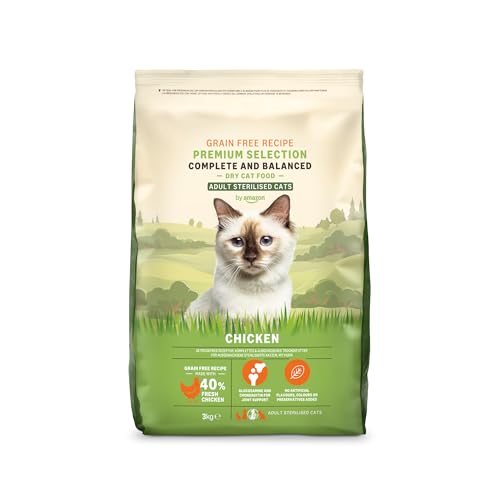
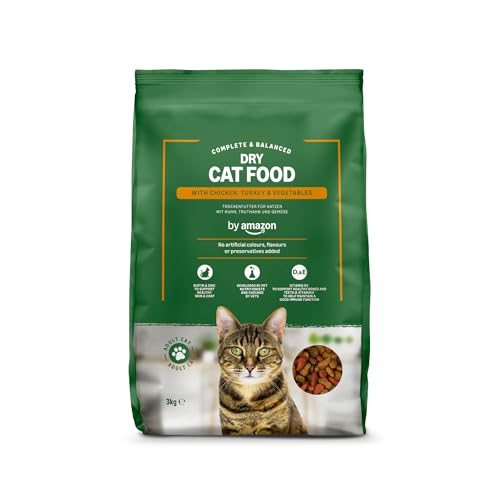
by Amazon Dry Cat Food for Sterilised Cats, Grainfree Light Recipe with Fresh Chicken, 1 Pack of 3kg (Previously a Lifelong brand, same product)
Original price was: £10.20.£9.18Current price is: £9.18. *View On Amazon* - Cat Food
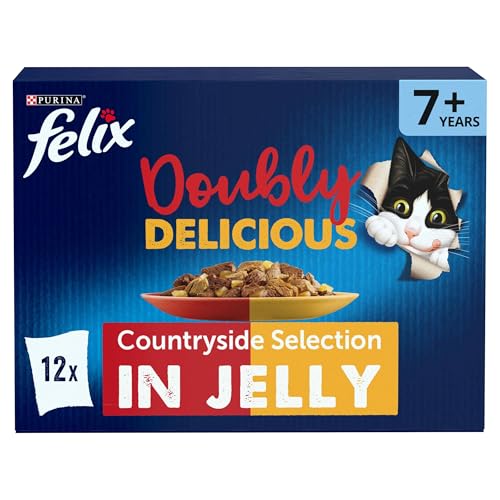
FELIX Doubly Delicious 7+ Countryside Selection in Jelly Wet Cat Food 12x85g
Original price was: £6.00.£4.98Current price is: £4.98. *View On Amazon* - Cat Food
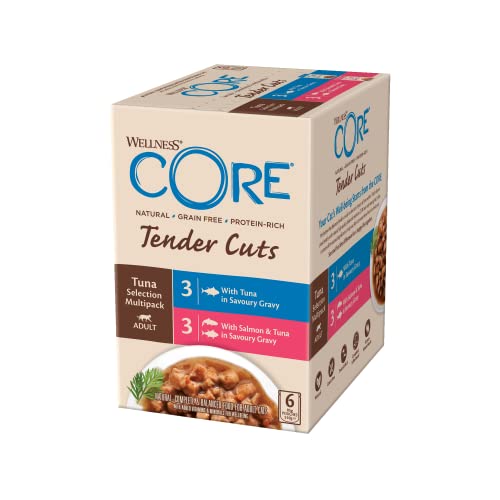
Wellness CORE Tender Cuts 6 x 85g, Tuna Selection Mix – Wet Cat Food, Tender Pieces in Sauce, Grain-Free, Natural, Hypoallergenic, Protein-Rich, High Fish Content
Original price was: £7.49.£6.59Current price is: £6.59. *View On Amazon* - Cat Food
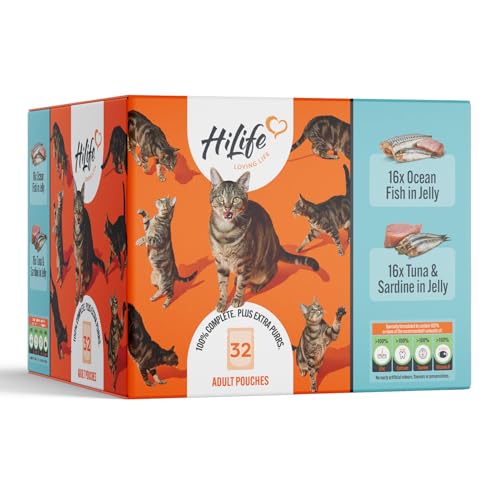
HiLife It's Only Natural Cat Pouch Multipack The Big Chicken One In Jelly 32x70g
Original price was: £25.16.£14.40Current price is: £14.40. *View On Amazon* - Cat Food
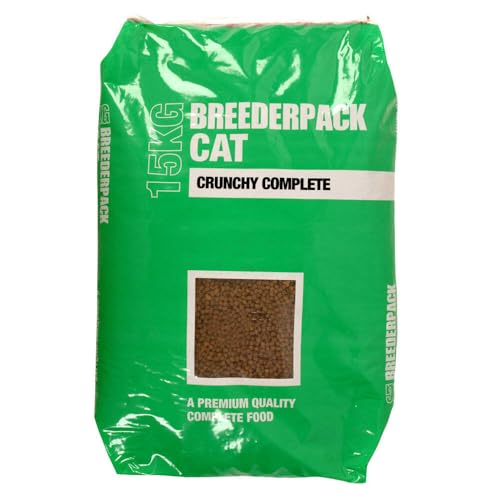
Breederpack Complete Crunchy Dry Cat Food, 15 kg
Original price was: £31.99.£29.75Current price is: £29.75. *View On Amazon* - Cat Food
SUPACAT ADULT CHICKEN & DUCK 10KG
Original price was: £38.39.£29.27Current price is: £29.27. *View On Amazon*








What This Category Includes
Cat Food includes the main meal products used as part of a cat’s regular feeding routine. That can include dry food, wet food, mixed feeding options, and other food formats intended for everyday diet support.
Within the category, products often vary by format, ingredient profile, recipe style, pack size, and life stage focus. Some are aimed at general daily feeding, while others are grouped around more specific preferences or routines. Specifications vary — see individual product listings for details.
Key Functional Roles
The main role of this category is to provide the food products that make up a cat’s normal meals. It helps organise routine feeding choices in a way that is easier to browse and compare than searching across all cat care products more broadly.
It also gives you a clearer route into the feeding side of cat ownership. That matters because cat food choices are often made around practical things such as format, consistency, portion routine, and how feeding fits into everyday life.
Typical Use Scenarios
You might use this category when setting up a feeding routine for a new cat, replacing an existing food, or comparing different meal formats. It is also useful when you want to browse by broad food type before deciding which individual product details matter most to you.
Some people come here looking for a straightforward everyday option. Others are comparing dry and wet feeding styles, checking life stage suitability, or trying to make sense of how different food formats fit around their normal schedule.
Buyer Considerations
A good starting point is to think about feeding format first. Dry, wet, and mixed feeding routines can suit different households, storage preferences, and meal patterns, so it helps to begin with the kind of routine you actually want to manage day to day.
It is also worth checking whether the food is aimed at a particular life stage, size range, or ingredient preference. If you already know your priorities, such as consistency, pack format, or a simpler ingredient style, that can narrow the category quickly and make product comparison easier. Specifications vary — see individual product listings for details.
Safety, Suitability and Best Practices
Good practice starts with choosing food that is clearly intended for cats and checking the individual listing for the details that matter to your feeding routine. Product descriptions are the right place to confirm format, intended use, and any suitability information before making a choice.
It also helps to keep feeding changes measured and well observed in everyday care. Store food appropriately, monitor freshness, and review product suitability as age, routine, or household needs change. Specifications vary — see individual product listings for details.
Category Boundaries
Cat Food is the category for routine cat meal products. It is focused on the food itself rather than wider cat feeding accessories, rewards, or care products.
That means related areas belong in other named categories such as Cat Treats, Cat Bowls and Feeders, Kitten Supplies, Cat Health and Hygiene, and Cat Grooming. Cat Food also sits within the broader Cat Supplies branch rather than covering all cat care needs on its own.
FAQs
What does the Cat Food category include?
Cat Food covers the products used for a cat’s regular meals and routine diet. It is the main category for comparing everyday food options rather than treats or feeding accessories.
What is the difference between Cat Food and Cat Treats?
Cat Food is focused on main meal products for regular feeding. Cat Treats is a separate category for rewards, occasional extras, and non meal products.
How do I narrow down the right type of cat food?
Start with the feeding format that suits your routine best, then look at life stage, ingredient preferences, and pack style. That usually gives you a much clearer shortlist before you compare individual listings.
Can I use this category if I am still deciding between dry and wet food?
Yes. This category is a good starting point when you want to compare the broad formats used in everyday feeding. It helps you understand the category first before moving into specific products.
Does Cat Food include feeding bowls or storage items?
No. Feeding accessories belong elsewhere in Cat Bowls and Feeders or other related categories. Cat Food is focused on the meal products themselves.
Is Cat Food the right place for kitten feeding?
It can be a starting point, but if your main focus is early life stage products, Kitten Supplies may offer a more targeted route. The individual product listing is still the place to check exact suitability.
Practical Insights and Real World Context
Most people do not choose cat food by technical detail alone. They usually start with a practical question such as what fits the cat’s routine, what is easy to store, and what feels manageable for regular feeding at home. That is why broad category clarity matters more than trying to overload the page with specifics that vary from product to product.
In real use, the category works best when it helps you form a simple decision path. Pick the feeding format first, then look at life stage and product style, and only after that compare the finer listing details. That keeps the process clearer and reduces the chance of browsing the wrong part of the cat range.
How This Category Fits Into Your Gear and Equipment
Within the wider Cat Supplies structure, this category sits as the main branch for routine feeding products and everyday meal choices for cats.
 Getting ready for Summer? View our Home and Garden Products

Heading outdoors this winter? Take a look at our Outdoor Clothing.