
Cat Grooming
Cat Grooming is the category for products used to brush, maintain, tidy, and care for a cat’s coat and general appearance as part of everyday routine upkeep.
This page is for you if you are looking for coat care and grooming products rather than wider hygiene or health related items. It brings together the main tools and grooming essentials people compare when managing brushing, coat maintenance, loose hair, and general appearance at home. The sections below explain how the category is structured so you can understand the main differences between grooming product types before comparing individual listings.
- Cat Grooming
oneisall Quiet Cat Clippers for Matted Fur, Cat Grooming Kit 3 in1 with LCD Display, 3 Speed, Cordless Cat Paw Trimmer, IPX7 Waterproof Cat/Dog Clippers for Paw/Butt/Back/Face/Ear
Original price was: £35.99.£22.94Current price is: £22.94. *View On Amazon* - Cat Grooming
Cat Steam Brush 3 in 1 Dog Defur Comb Grooming Rechargeable Rechargeable Self-Cleaning Pet Shedding Brush with Massage Spray Comb Pet Shedding Eliminate Flying Long Short Hair for Kitten Rabbit
Original price was: £6.99.£5.48Current price is: £5.48. *View On Amazon* - Cat Grooming
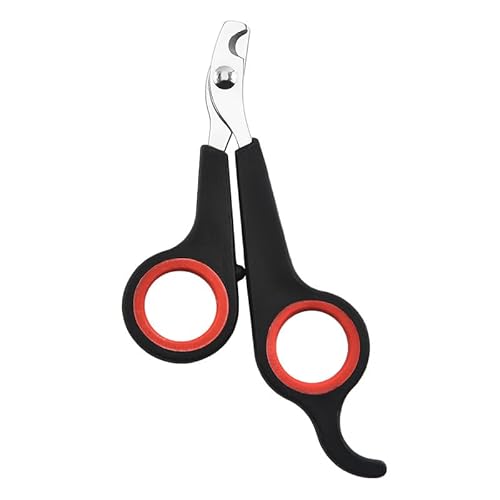
Mikki Dog, Cat Claw Clipper, Trim, Scissor for Grooming – for Puppy, Dog, Cat, Kitten, Small Animal
Original price was: £8.08.£7.87Current price is: £7.87. *View On Amazon* - Cat Grooming
Mr. Pen- Cat Nail Clipper, Kitten Nail Trimmers, Pet Nail Cutter
£3.95 *View On Amazon* - Cat Grooming
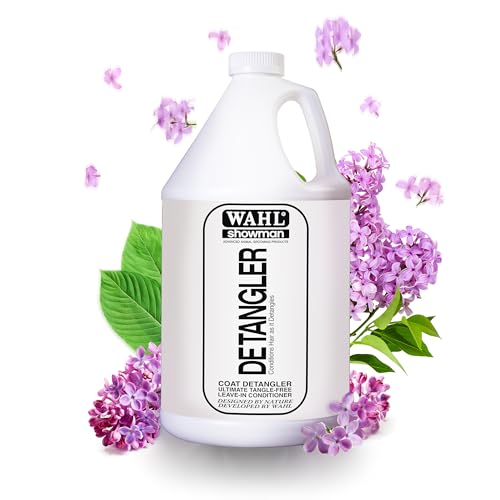
Wahl Easy Groom Detangler – Leave-In Conditioner for Dogs, Cats & Horses, De-Mats Coats Without Pulling, Pleasant Scent, Suitable for Manes, Tails & All Coat Lengths – 3.8L
Original price was: £33.99.£32.40Current price is: £32.40. *View On Amazon*

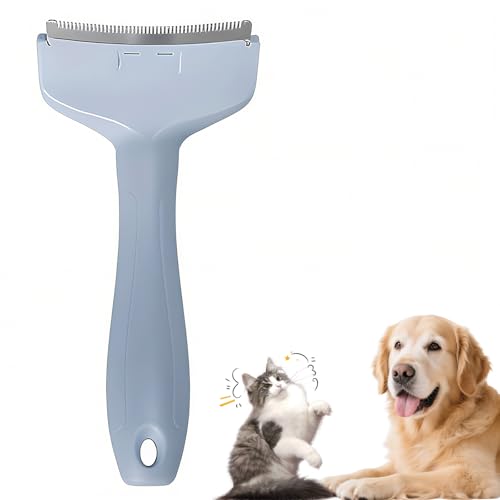


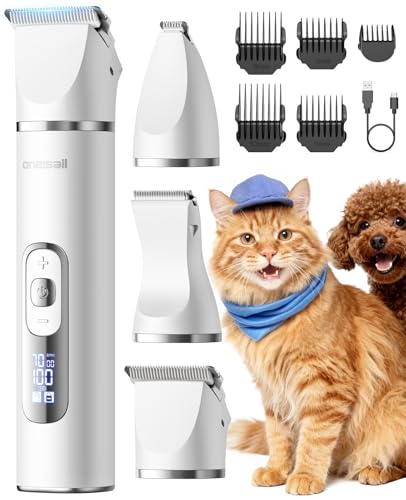


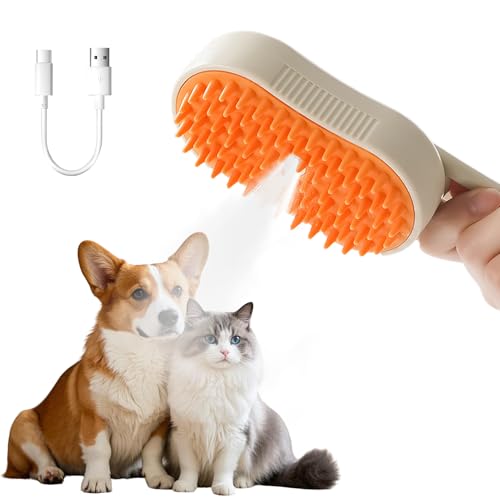

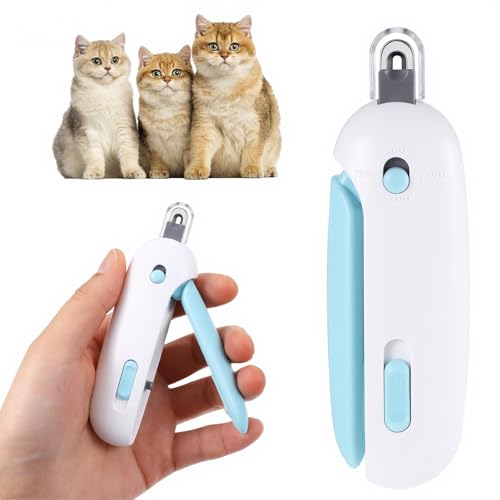






What This Category Includes
Cat Grooming includes a range of products used for coat care and routine grooming. That can include brushes, combs, grooming gloves, trimming accessories, washing related grooming items, and other tools designed to help with regular maintenance.
The main differences usually come down to coat type, grooming task, material, handle style, and how the product is intended to be used in a normal routine. Some options are suited to everyday brushing, while others are aimed at more focused coat management or tidying. Specifications vary — see individual product listings for details.
Key Functional Roles
The main role of this category is to group together the products used to maintain a cat’s coat and general appearance. Grooming items support regular brushing, help manage loose hair, and make it easier to keep coat care as part of a normal routine.
This category also helps separate grooming from other parts of cat care. That matters because grooming choices are usually based on coat type, maintenance habits, and the kind of upkeep you want to manage at home rather than feeding, travel, bedding, or litter routines.
Typical Use Scenarios
You might use this category when setting up a grooming routine for a new cat, replacing worn tools, or choosing products better suited to a particular coat type. It is also useful when you want to compare different grooming approaches before deciding which product style best matches your usual routine.
Some people come here looking for an everyday brush or comb for regular upkeep. Others want products that help manage heavier coats, seasonal shedding, or tidier maintenance between more occasional grooming sessions.
Buyer Considerations
A useful starting point is to think about the main grooming task first. Are you mainly brushing, detangling, managing loose hair, tidying the coat, or looking for a more general all round grooming tool? That usually narrows the category quickly and makes comparisons much easier.
It also helps to consider coat length, coat texture, handle comfort, and how often the product will be used. Some households want simple everyday tools, while others are looking for something that better suits thicker coats or more frequent grooming sessions. Specifications vary — see individual product listings for details.
Safety, Suitability and Best Practices
Good practice starts with choosing grooming products that suit your cat’s coat type and the grooming task you have in mind. The individual listing is the best place to confirm the details that matter most, especially where size, material, or intended use varies.
It also helps to keep grooming sessions calm, regular, and manageable. Cleaning tools where appropriate, replacing worn items, and reviewing whether your current setup still suits your cat’s coat can make this category easier to shop with confidence.
Category Boundaries
Cat Grooming is the category for coat care and appearance maintenance products. It is focused on brushing, tidying, and general grooming tools rather than broader hygiene, health related, or household cleaning items.
That means related products belong elsewhere in named categories such as Cat Health and Hygiene and Cat Cleaning and Odour Control. It also sits separately from Cat Beds and Bedding and Kitten Supplies, even if some people browse across those areas as part of a wider care routine.
FAQs
What does the Cat Grooming category include?
Cat Grooming covers products used for coat care, brushing, tidying, and everyday grooming maintenance. It is the main category for grooming tools rather than broader hygiene or health products.
How do I choose the right grooming product?
Start with the grooming task you want to handle and your cat’s coat type. That usually gives you the clearest first filter before you compare materials, shapes, or handle styles.
Is Cat Grooming the same as Cat Health and Hygiene?
No. Cat Grooming is focused on coat care and appearance maintenance. Cat Health and Hygiene is a separate category for wider care products that sit beyond routine grooming tools.
Can I use this category for everyday brushing?
Yes. Many products in this category are chosen for regular coat maintenance and simple day to day grooming. The individual listing will help you narrow the range further.
Do grooming products vary by coat type?
Yes. Coat type is often one of the most useful ways to narrow the category because different grooming tools can suit different coat textures and maintenance routines. Check the individual listing for exact details.
What should I look at first when comparing cat grooming tools?
Begin with the task, then look at coat type, material, and how often you expect to use the product. That usually makes the category easier to compare in a practical way.
Practical Insights and Real World Context
In real use, people usually get the best results from grooming products when they match them to coat type and routine rather than trying to find one tool for everything. A simple brush used regularly can be more useful than a more specialised option that does not fit the cat’s coat or your normal schedule.
A strong category page should therefore help you think in terms of task and coat first. Once that is clear, the smaller differences in material, shape, and handling feel become easier to compare without drifting into broader hygiene or treatment focused categories.
How This Category Fits Into Your Gear and Equipment
Within the wider Cat Supplies structure, this category sits as the branch for coat care and routine grooming products used as part of everyday feline upkeep.
 Getting ready for Summer? View our Home and Garden Products

Heading outdoors this winter? Take a look at our Outdoor Clothing.