
Cat Litter and Trays
Cat litter and trays are everyday essentials for indoor cats, kittens, older cats and cats that need a reliable toilet area at home. They help support cleaner routines, easier waste management and a more comfortable space for cats to use, depending on the tray style, litter type and home setup.
The right cat litter and tray should suit your cat’s size, age, habits and confidence. It should also work for your home, cleaning routine and available space. Tray size, entry height, hooded or open design, litter material, odour control, dust level and ease of cleaning are all worth comparing before buying.
- Cat Litter and Trays
back-2-nature Small Animal Bedding & Litter 30L
Original price was: £17.99.£14.99Current price is: £14.99. *View On Amazon* - Cat Litter and Trays
Breeder Celect All-Natural Cat Litter (30L) – 99% Recycled Paper, Highly Absorbent Kitten Cat Litter/Bedding, Excellent Odour Control, Non-Clumping, Biodegradable & Compostable
Original price was: £20.99.£14.69Current price is: £14.69. *View On Amazon* - Cat Litter and Trays
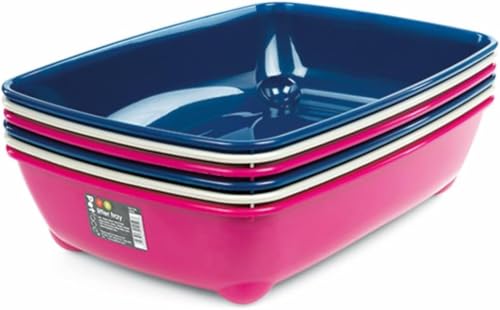
Petface Cat Litter Tray, 42 cm, Suitable for All Cats, Assorted Colour at Random (Pack of 1)
£4.31 *View On Amazon* - Cat Litter and Trays
Simple Solution Cat Litter Odour Eliminator with enzymatic cleaning, 500 ml
£4.46 *View On Amazon* - Cat Litter and Trays
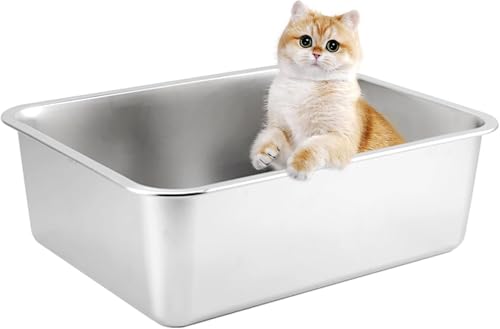
PKBD Extra Large XL Stainless Steel Cat Litter Box with Removable Lid, 60 x 40x 30 CM High-Sided Anti-Leakage Odor-Free Metal Litter Pan for Big Cats, Included Scoop and Mat, Easy Cleaning (Grey)
Original price was: £39.99.£35.99Current price is: £35.99. *View On Amazon* - Cat Litter and Trays
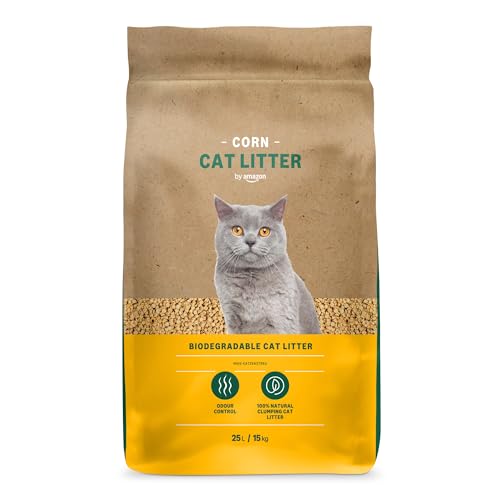
by Amazon Clumping Corn Cat Litter, Unscented, 25 L (Pack of 1) (Previously a Lifelong brand, same product)
Original price was: £23.99.£19.99Current price is: £19.99. *View On Amazon* - Cat Litter and Trays
Ever Clean Clumping Cat Litter, Scented Cat Litter, Litterfree Paws, Long-lasting Freshness, Dust-Free Formula, 10 l (Pack of 1)
Original price was: £18.99.£16.69Current price is: £16.69. *View On Amazon* - Cat Litter and Trays
Biokatʼs Classic Fresh 3in1 with spring fragrance – Clumping cat litter with 3 different grain sizes – 1 bag (1 x 10 L)
Original price was: £10.99.£10.19Current price is: £10.19. *View On Amazon* - Cat Litter and Trays
30L Highly Absorbent Cat Litter Odour Controlled Natural Soft Pet Bedding (1 x 30L)
£11.95 *View On Amazon* - Cat Litter and Trays
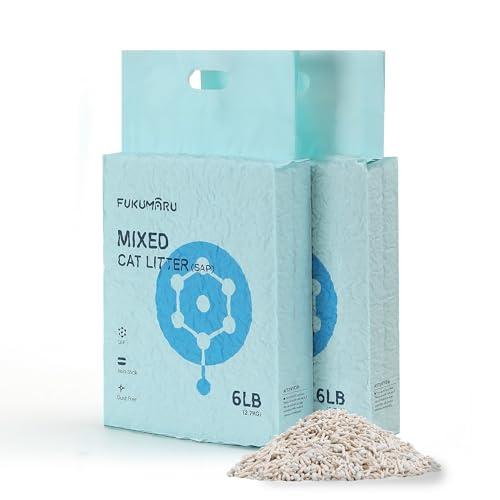
FUKUMARU Tofu Cat Litter Super Ultra Absorbent, Dust Free Cat Litter, Flushable, Lightweight, Quick Clumping, Low Tracking, Odor Control, White Tea Light Aroma Mixed Litter, 5.4Kg
Original price was: £21.98.£15.95Current price is: £15.95. *View On Amazon* - Cat Litter and Trays
KCT Enclosed Hooded Large Cat Litter Box/Tray/Pet Loo – Black
£15.95 *View On Amazon*










What Are Cat Litter and Trays?
Cat litter and trays are products used to create a suitable indoor toileting area for cats. A litter tray holds the litter material, while the litter absorbs moisture, helps manage waste and may support odour control depending on the product.
Products in this category may include open litter trays, hooded trays, corner trays, high sided trays, litter boxes, litter liners, scoops, litter mats and different types of cat litter where listed.
Cat litter may include clumping litter, non clumping litter, wood based litter, paper based litter, clay litter, silica or crystal style litter and other materials depending on the products available. Each type can feel different under a cat’s paws and may suit different cleaning routines.
What Are Cat Litter and Trays Used For?
Cat litter and trays are used to give cats a clean, accessible and familiar place to toilet indoors. They are essential for indoor cats and can also be useful for outdoor cats during bad weather, illness, recovery, overnight routines or when access outside is limited.
For kittens, a suitable tray can help with early toilet training and routine building. For adult cats, the right setup can support consistent use and easier home cleaning. For older cats, low entry trays or larger trays may be more comfortable where suitable.
Litter trays are also important in multi cat homes. Some cats prefer their own space, and tray placement can make a big difference to how confidently they use it.
How To Choose The Right Cat Litter And Tray
Start with the cat. A kitten may need a smaller tray with low sides, while a larger adult cat may need more space to turn around comfortably. An older cat or cat with reduced mobility may find a low entry tray easier to use.
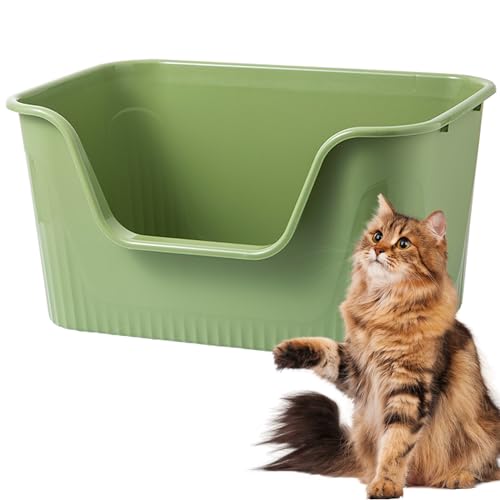
Next, think about tray style. Open trays are simple, easy to access and easy to clean. Hooded trays can offer more privacy and may help contain litter scatter where suitable, but some cats dislike enclosed spaces. High sided trays may help reduce mess for cats that dig or kick litter, but they may not suit every cat.
Then compare litter type. Clumping litter can make it easier to remove wet patches where listed, while non clumping litter may be changed in a different way. Wood, paper, clay and crystal style litters all vary in weight, texture, absorbency, scent and cleaning needs.
Also consider your home. A tray in a quiet, accessible place is usually more inviting than one in a noisy or difficult area. The tray should be easy for the cat to reach and easy for you to clean.
Key Features To Compare
When comparing cat litter and trays, look at tray size, side height, entry point, hood style, litter depth, material, dust level, odour control, clumping ability, tracking, weight and cleaning guidance.
Tray size is one of the most important factors. A cat should have enough room to step in, turn around and dig comfortably. If the tray feels cramped, some cats may avoid using it.
Entry height also matters. A high entry may help keep litter inside the tray, but it can be difficult for kittens, older cats or less mobile cats. A lower entry may be easier to use but may allow more litter scatter.
For litter, texture can affect acceptance. Some cats prefer finer litter, while others may tolerate larger pellets. Scented litter may appeal to owners, but some cats may prefer unscented options. Always watch how your cat responds when changing products.
Ease of cleaning is practical for owners. Scoops, liners, smooth tray surfaces and litter mats may make daily care easier depending on the setup.
Cat Litter Types Compared
Clumping litter forms clumps around wet areas where listed, which can make daily scooping more straightforward. It may suit owners who want to remove waste regularly without emptying the whole tray as often, depending on the product guidance.
Non clumping litter absorbs moisture differently and may need more frequent full changes depending on use and product instructions. It can be a practical option for some homes and cats.
Wood based litter may come in pellet or granule form where listed. It can feel different from clay litter and may be lighter or have a natural material feel depending on the product.
Paper based litter may be softer and lighter where listed, which can suit some cats and situations. It may be worth considering for sensitive paws where appropriate, but always check product suitability.
Silica or crystal style litter may focus on absorption and odour control where listed, but texture and cat preference should be considered carefully.
The right litter is the one your cat will use consistently and that you can manage hygienically.
Open Trays Compared With Hooded Trays And High Sided Trays
Open litter trays are simple, affordable and easy to clean. They give cats clear access and make it easy for owners to see when cleaning is needed. They may allow more litter scatter depending on the cat and litter type.
Hooded trays offer more coverage and may help contain odours or litter movement where suitable. They can also provide privacy, but some cats may feel trapped or dislike the enclosed design, especially in multi cat homes.
High sided trays can be useful for cats that dig, kick or spray litter over the edge. They may help keep the surrounding area tidier, but they need an entry point that the cat can use comfortably.
Corner trays may help make better use of space in smaller rooms, but they still need to be large enough for the cat.
Guidance For Kittens Adult Cats And Older Cats
Kittens usually need easy access, gentle introduction and a tray they can climb into without difficulty. A low sided tray may be more practical at the start, depending on the kitten’s size.
Adult cats often need enough tray space, a litter they accept and a quiet location. Sudden changes in litter type, tray style or tray position can unsettle some cats, so gradual changes may be better where possible.
Older cats may benefit from lower entry points, larger trays and a location that is easy to reach. If a senior cat starts avoiding the tray, struggles to get in or changes toileting habits, it may be worth seeking veterinary advice.
For rescue cats or nervous cats, simple and familiar setups are often best at first. Too many changes can make settling in harder.
Use Cases By Home And Cat Routine
For indoor cats, a litter tray is a daily essential. It should be placed somewhere quiet, accessible and away from food and water where possible.
For multi cat homes, more than one tray may be useful. Some cats do not like sharing, and competition around trays can create stress. Tray placement should allow cats to use them without being blocked by another pet.
For small homes, compact trays, corner trays or covered designs may help manage space, but comfort should still come first. A tray that is too small is unlikely to be a good solution.
For kittens, choose a tray that supports easy learning and regular cleaning. Accidents can happen, so cleaning supplies and spare litter may be useful.
For older cats, convenience and comfort are key. A tray should be easy to enter, easy to exit and placed where the cat does not need to climb stairs or pass stressful areas.
For travel, vet recovery or temporary indoor routines, disposable trays or portable litter solutions may be useful where listed.
Fit Compatibility And Practical Placement
A cat litter tray should fit both the cat and the room. It should be large enough for comfortable use but positioned somewhere that feels safe and private.
Avoid placing trays beside loud appliances, busy doorways or areas where dogs or children may disturb the cat. Cats usually prefer a place where they can use the tray without being startled.
If using a litter mat, make sure it does not block entry or make the cat feel unsure about stepping in. Mats can help catch litter from paws, but they should be easy to clean.
If using tray liners, check whether they fit the tray and whether your cat tolerates them. Some cats scratch through liners, while others use them without issue.
When changing litter type, mix or transition gradually where suitable. A sudden change in smell or texture may cause some cats to avoid the tray.
Hygiene Care Maintenance And Storage
Cat litter trays should be cleaned regularly to support hygiene and encourage use. Scoop waste frequently where suitable and change litter according to the product instructions, number of cats and how often the tray is used.
Wash trays as needed using suitable cleaning methods. Avoid strong smelling cleaners that may put cats off using the tray, unless the product guidance says they are safe and appropriate.
Replace trays when they become cracked, heavily scratched, stained or difficult to clean. Scratches can hold odours and make cleaning less effective over time.
Store unused litter in a dry place, sealed where appropriate, and away from moisture. Keep litter bags, liners, scoops and cleaning products safely stored, especially around children and pets.
If your cat suddenly stops using the litter tray, urinates outside the tray, strains, cries, or shows a change in toileting behaviour, seek veterinary advice. Litter tray issues can sometimes be linked to stress, discomfort or health concerns.
Useful Accessories To Consider
Useful accessories can include litter scoops, litter mats, tray liners, odour control products where suitable, spare trays, cleaning cloths, pet safe cleaning products, storage tubs and waste bags.
For multi cat homes, extra trays and scoops can make cleaning easier. For cats that scatter litter, a mat or high sided tray may help where suitable. For smaller spaces, a covered tray or corner tray may be worth comparing.
For kittens and older cats, low entry trays, easy clean surfaces and gentle cleaning products can make routines simpler and more comfortable.
Why Buy Cat Litter And Trays From YPC?
At YPC, we understand active lifestyles and the need for practical products that work in real use. Cat litter and trays can vary by size, shape, litter type, odour control, dust level, cleaning method, entry height and cat suitability, so comparing the details helps you choose with more confidence.
YPC helps you browse cat care products with real home routines in mind, whether you are buying for a kitten, indoor cat, senior cat, multi cat home, litter change or replacement tray. Explore the Cat Litter and Trays category to browse the available options and compare the features that matter most for your cat and home.
FAQs
What are cat litter and trays used for?
Cat litter and trays are used to provide cats with an indoor toilet area. The tray holds the litter, while the litter absorbs moisture and helps manage waste and odours depending on the product.
What type of litter tray is best for cats?
The best litter tray depends on your cat’s size, confidence, age and habits. Open trays are simple and easy to access, while hooded or high sided trays may help with privacy or litter scatter where suitable.
How big should a cat litter tray be?
A litter tray should be large enough for your cat to step in, turn around, dig and use comfortably. Larger cats usually need larger trays, while kittens may need lower sides for easier access.
Is clumping or non clumping cat litter better?
Neither is automatically better for every cat. Clumping litter can make waste removal easier where listed, while non clumping litter may suit different cleaning routines. Cat preference and hygiene should guide the choice.
Should I use scented cat litter?
Some owners prefer scented litter, but some cats dislike strong smells. If your cat is sensitive or avoids the tray, an unscented litter may be worth considering where available.
How often should I clean a litter tray?
Waste should be removed frequently where suitable, and the tray should be cleaned according to the litter type, product guidance and number of cats using it. A clean tray encourages regular use.
How many litter trays do I need for more than one cat?
Multi cat homes often benefit from more than one tray, especially if cats prefer their own space. Tray placement is important so each cat can use a tray without feeling blocked or stressed.
Why has my cat stopped using the litter tray?
A cat may avoid the tray because of stress, dirty litter, tray location, litter type, discomfort or health concerns. If the behaviour is sudden or unusual, seek veterinary advice.
 Getting ready for Summer? View our Home and Garden Products

Heading outdoors this winter? Take a look at our Outdoor Clothing.