
Cat Travel
Cat travel products are designed to help make moving, transporting and travelling with cats safer, calmer and more practical. They can be used for vet visits, car journeys, holidays, house moves, cattery trips and short everyday journeys, depending on the product type and features listed.
The right cat travel setup should suit your cat’s size, temperament, journey length and transport method. Carrier size, ventilation, access points, security, comfort, cleaning, portability and storage are all worth comparing before choosing.
- Cat Travel
BELLE VOUS (3 Pack Pink Pet Carrier Travel Bags – Soft-Sided Airline-Approved Portable and Foldable Bags for Cats, Puppies or Dogs – Breathable Mesh
Original price was: £18.69.£14.95Current price is: £14.95. *View On Amazon* - Cat Travel
Storystore Dog Car Seats, Pet Car Booster Seat for Small Dogs & Cats with Storage Pocket, Plush & Cosy Car Dog Bed with Safety Leash, Waterproof Liner & Non-Slip Base Pet Travel Carrier Bed, Black
Original price was: £28.99.£27.99Current price is: £27.99. *View On Amazon* - Cat Travel
Conlun Cat Carrier Airline Approved, Soft-Sided Dog Carrier with Inner Safety Leash, Pet Transport Carrier for Small-Medium Cats Puppies up to 7KG, Collapsible Travel Kitten Carrier Bag,Black(M)
Original price was: £15.99.£14.99Current price is: £14.99. *View On Amazon* - Cat Travel
VOUNOT Pet Carrier Bag Portable Foldable Dog Cat Travel Carrier Bag, 3 Entry Doors, Breathable Mesh and Padded Handles, M Beige
Original price was: £39.99.£35.59Current price is: £35.59. *View On Amazon* - Cat Travel
Large Cat Carrier for 2 Cats, Double Compartment Large Pet Carrier for Long Distance Car Travel, Foldable Multi-Cat Travel for Road Trips & Camping
Original price was: £34.99.£29.99Current price is: £29.99. *View On Amazon* - Cat Travel
rabbitgoo Cat Harness and Lead Set, Adjustable Escape Proof Cat Lead for Walking, Reflective Kitten Harness Set, Soft and Comfortable for Small Cats, Black, XS
Original price was: £16.99.£11.88Current price is: £11.88. *View On Amazon* - Cat Travel
KODASNY Cat Calming Pheromone Spray Kit Feline Calm Pheromones Vet Recommended Drug-Free Anxiety Relief for Multi-Cat Homes,Stops Scratching & Urine Marking,60-Day Supply | Drug-Free (2)
Original price was: £14.99.£12.61Current price is: £12.61. *View On Amazon* - Cat Travel
Cat Carrier Travel Backpack, Cat Backpack Carrier for Small and Medium Cat and Dog, Large Mesh Portable Transport Bag Breathable Transparent Spacious Foldable (Pink)
Original price was: £18.99.£17.59Current price is: £17.59. *View On Amazon* - Cat Travel
pecute Cat Backpack Large Space, Cat Carrier Backpack Breathable, Stable Bubble Pet Carrier, Pet Backpack With Sun Protection Roller Blinds, Dog Backpack for Hiking, Walking, Travelling, Black
Original price was: £45.99.£39.09Current price is: £39.09. *View On Amazon*




What Is Cat Travel Equipment?
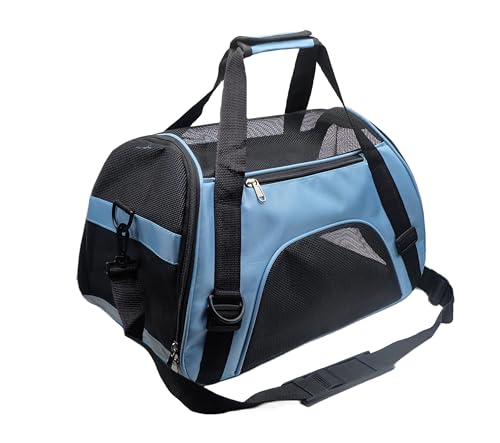
Cat travel equipment includes products made to help transport cats securely and comfortably away from home. This can include cat carriers, travel crates, soft sided bags, hard shell carriers, cat backpacks, travel bowls, pet blankets, seat covers, harnesses, leads and journey accessories, depending on what is listed.
A good travel product should help keep the cat contained, protected and easier to manage during movement. Cats should not travel loose in a car, public space or unfamiliar environment, as this can be stressful and unsafe.
Different products suit different journeys. A hard carrier may be practical for vet visits, while a soft carrier or backpack may suit shorter controlled journeys where suitable.
What Are Cat Travel Products Used For?
Cat travel products are used to move cats safely between home and other locations. The most common use is a vet visit, but they can also be useful for moving house, taking a cat to a cattery, travelling by car, short trips, emergencies or planned holidays where suitable.
They help reduce escape risk and make handling easier. A secure carrier can also give a cat a familiar space during a stressful journey, especially if it contains a blanket or bedding with a familiar scent.
For owners, travel products make transport more organised. Handles, shoulder straps, removable liners, washable mats and easy access doors can all make a difference when trying to move a cat calmly and safely.
How To Choose The Right Cat Travel Product
Start with the type of journey. For vet visits and short car trips, a secure carrier with good ventilation and easy access is usually the most practical choice. For longer journeys, comfort, cleaning and space become more important.
Next, think about your cat’s size. A carrier should give the cat enough room to stand, turn and lie down comfortably, but it should not be so large that the cat slides around during movement. Check product dimensions carefully before buying.
Access is another important factor. Top opening carriers can make it easier to lift a reluctant cat in or out. Front opening carriers may be simple for cats that walk in willingly. Some products include both where listed.
Also consider how confident your cat is. Nervous cats may prefer a more enclosed carrier that feels sheltered, while curious cats may cope better with mesh panels or windows where suitable. Security should always come before appearance.
Key Features To Compare
When comparing cat travel products, look at size, structure, material, ventilation, door style, locking system, handles, shoulder straps, internal padding, cleaning access and storage.
Ventilation is essential. A carrier should allow good airflow while still keeping the cat safely enclosed. Mesh panels, vents and open sections should be secure enough to prevent escape or damage from scratching.
Security matters at every stage. Doors, zips, clips and fastenings should close properly and feel reliable. A carrier that pops open too easily can create a serious escape risk.
Cleaning is also important. Cats may shed, drool, have accidents or become travel sick. Removable mats, wipe clean surfaces and washable bedding where listed can make the product easier to maintain.
Portability should match the user. A carrier may feel fine when empty but much heavier with a cat inside. Compare handle comfort, strap design and overall weight before choosing.
Cat Carriers Compared With Cat Backpacks And Travel Crates
Cat carriers are usually the most common choice for vet visits and everyday transport. They can be hard sided or soft sided and are generally designed to keep the cat secure during short journeys.
Cat backpacks may be useful for some owners who want hands free carrying where suitable. They should be chosen carefully, with attention to ventilation, space, stability and whether the cat is comfortable with that style of transport.
Travel crates may offer more room and can be useful for longer journeys, house moves or temporary containment where suitable. They may take up more space and are not always as easy to carry as a standard carrier.
Harnesses and leads are different again. They can be useful for controlled handling where suitable, but they should not replace a secure carrier for most travel situations. Many cats can escape poorly fitted harnesses, so fit and supervision are essential.
Guidance For Kittens Adult Cats And Senior Cats
Kittens need secure, cosy travel products that are easy to clean. They may be more adaptable than older cats, but they still need careful handling, gentle introduction and safe containment.
Adult cats often have strong preferences. If your cat already dislikes the carrier, try leaving it out at home with familiar bedding so it becomes less unusual before travel. A carrier that opens easily can make journeys less stressful for both cat and owner.
Senior cats may need softer bedding, easier access and more careful lifting. A top opening carrier can be useful where suitable because it may reduce the need for pulling or awkward handling.
Cats with medical issues, anxiety, travel sickness or mobility problems may need advice from a vet before longer journeys. Comfort and safety should always come before convenience.
Use Cases By Journey Type
For vet visits, a secure carrier with easy access is usually the most practical option. Top opening designs can help when the cat is nervous or reluctant to come out.
For car journeys, the carrier should be placed securely and not allowed to slide around. Follow vehicle and product guidance where listed, and never allow a cat to roam loose inside the car.
For moving house, a sturdy carrier or travel crate can help keep the cat contained during a busy and stressful day. Familiar bedding and a quiet room before and after travel can be useful.
For cattery trips, a carrier should be easy to carry and clean. A familiar blanket may help the cat feel more settled during the journey.
For holidays or longer travel, check space, ventilation, access, cleaning and comfort more carefully. If travelling by public transport or air, check the transport provider’s rules before buying any carrier.
For emergencies, having a suitable carrier ready at home can make urgent travel easier and safer.
Fit Compatibility And Practical Setup
A cat travel product should fit the cat, the journey and the person carrying it. Check internal measurements, weight guidance where listed and door size before buying.
The carrier should be large enough for comfort but manageable enough to lift safely. If the carrier is too heavy or awkward, it may be difficult to use during stressful moments.
Think about where the carrier will be stored at home. Some products fold flat where listed, while hard carriers may need more storage space. A carrier that is easy to access is useful when a vet visit or emergency comes up.
Compatibility with bedding matters too. A mat or blanket should fit inside without blocking airflow, doors or locking points. Avoid overfilling the carrier with loose items that could make movement unsafe or uncomfortable.
Safety Care Maintenance And Hygiene
Cat travel products should be checked before every journey. Look for broken clips, loose screws, damaged zips, cracked plastic, torn mesh, weak handles or any gap where the cat could escape.
Do not leave cats unattended in cars, especially in warm or cold weather. Temperatures inside vehicles can become unsafe quickly.
Keep journeys calm where possible. Avoid loud music, sudden handling and unnecessary delays. Covering part of the carrier with a light breathable cloth may help some cats feel more sheltered, but airflow must not be blocked.
Clean the carrier after use, especially if there has been an accident, travel sickness or stress shedding. Follow the product care instructions and let everything dry fully before storage.
If your cat becomes very distressed during travel, speak to a vet for suitable advice. Do not use sedatives, calming products or restraint methods unless advised by a qualified professional and suitable for your cat.
Useful Accessories To Consider
Useful accessories can include cat blankets, washable mats, travel bowls, pet wipes, litter trays for longer journeys, cat harnesses, leads, carrier liners, seat covers and cleaning products where suitable.
A familiar blanket can make a carrier smell more like home. Spare bedding can be useful for longer journeys or cats that may have accidents while travelling.
For car journeys, seat protection and secure placement can make travel cleaner and safer. For vet visits, a small towel, wipes and spare bedding can help if the cat becomes stressed or unwell.
For cats that travel more regularly, keeping a small travel kit together can make each journey easier to prepare for.
Why Buy Cat Travel Products From YPC?
At YPC, we understand active lifestyles and the need for practical products that work in real use. Cat travel products can vary by size, structure, access, ventilation, comfort, portability, cleaning needs and journey suitability, so comparing the details helps you choose with more confidence.
YPC helps you browse cat travel products with real pet care needs in mind, whether you are buying for vet visits, car journeys, cattery trips, moving house, holidays or everyday safe transport. Explore the Cat Travel category to browse the available options and compare the features that matter most for your cat and routine.
FAQs
What do I need for travelling with a cat?
Most cats need a secure carrier, comfortable bedding and good ventilation for travel. Depending on the journey, you may also need wipes, a travel bowl, spare bedding or a larger crate where suitable.
What type of cat carrier is best?
The best cat carrier depends on your cat and journey. Hard carriers can be practical for vet visits, soft carriers may be easier to carry, and top opening designs can help with nervous cats where suitable.
How big should a cat carrier be?
A cat carrier should allow your cat to stand, turn and lie down comfortably. It should not be so large that the cat slides around during travel. Check internal dimensions where listed.
Can cats travel loose in a car?
Cats should not travel loose in a car. A loose cat can distract the driver, become injured or escape when a door opens. A secure carrier is usually the safer option.
Are cat backpacks safe?
Cat backpacks may be suitable for some cats where the design has secure fastenings, good ventilation and enough space. They are not right for every cat, especially nervous cats or cats that dislike movement.
How can I make a cat carrier less stressful?
Leave the carrier out at home, add familiar bedding and let your cat explore it before travel. Calm handling and short practice sessions can help some cats become more comfortable.
Can I use a dog carrier for a cat?
Only use a dog carrier if it is suitable for cats, secure enough to prevent escape and correctly sized. Cat specific access, ventilation and safety features are often more practical.
How do I clean a cat travel carrier?
Remove bedding, wipe or wash surfaces according to the product guidance and let everything dry fully before storing. Clean the carrier promptly after accidents, travel sickness or stressful journeys.
 Getting ready for Summer? View our Home and Garden Products

Heading outdoors this winter? Take a look at our Outdoor Clothing.