
Guinea Pig Cages and Hutches
Guinea Pig Cages and Hutches are the category for housing structures used to create a defined everyday living space for guinea pigs.
This page is for you if you are looking for guinea pig housing rather than exercise areas, bedding layers, or feeding accessories. It brings together the main cage and hutch styles people compare when setting up a practical guinea pig living area at home or in an outdoor space. The sections below explain how the category is structured so you can understand the main differences in size, layout, and placement before comparing individual products.
- Guinea Pig Cages and Hutches
CHARLES BENTLEY Frame Wooden, Outdoor, Triangle, Portable, Pet Hutch, Guinea Pig, Ferret, Run, Natural FSC Wood, Open Bottom For Grazing, Removable Doors, Shut Sleeping Area, Waterproof (118x50x45cm)
Original price was: £49.99.£44.99Current price is: £44.99. *View On Amazon* - Guinea Pig Cages and Hutches
Ferplast Rabbit cage, Guinea pig cage, MODULAR 4, Extendable, Large cage, Included accessories, Easy to Clean, 179 x 72 x h 56 cm
£199.90 *View On Amazon* - Guinea Pig Cages and Hutches
PawHut 2 in 1 Rabbit Hutch Outdoor Guinea Pig Hutch Bunny Run Double Main House with Run, No-Leak Tray 259 x 64 x 92cm, Grey
£209.99 *View On Amazon* - Guinea Pig Cages and Hutches
Aivituvin 36" Rabbit Hutch Bunny Cage Indoor Outdoor Guinea Pig Cage 2 Story Wth 2 Tray, Trap Door and Wheels (Grey, AIR77)
£109.99 *View On Amazon* - Guinea Pig Cages and Hutches
BUNNY BUSINESS The Grove Double Decker Rabbit/Guinea Pig Hutch and Run EXTRA DEPTH WITH FLOOR (COVER ONLY NO HUTCH)
Original price was: £29.99.£24.17Current price is: £24.17. *View On Amazon* - Guinea Pig Cages and Hutches
BeBeJoJo 2 Pack Guinea Pig Cage Liner,Washable Guinea Pig Bedding,Reusable Guinea Pig Mat,Waterproof Super Absorbent Guinea Pig Mat,Brown,142x70CM
Original price was: £28.98.£24.63Current price is: £24.63. *View On Amazon* - Guinea Pig Cages and Hutches
KCT Double Level 100cm Indoor Cage Pet Animal Rabbit Guinea Pig Hutch – Dark Grey
£79.95 *View On Amazon* - Guinea Pig Cages and Hutches
2 TIER Double Decker Rabbit/Guinea Pig Hutch With Sliding Tray BB-36-DDD-TR
£74.99 *View On Amazon* - Guinea Pig Cages and Hutches
Actiaspet 2-Level Indoor Rabbit Hutch, Black Metal Frame with Wooden Ladder, 100 x 52 x 100 cm
£71.99 *View On Amazon* - Guinea Pig Cages and Hutches
PawHut Rabbit Hutch Outdoor Guinea Pig Hutch Bunny Cage with No-Leak Trays, Divider, 136 x 50 x 93cm, Orange
£108.99 *View On Amazon* - Guinea Pig Cages and Hutches
Bunny Business Rabbit/Guinea Pig Outdoor Hutch, Double Decker Rabbit Hutches on legs BB-36-DDL
£84.99 *View On Amazon* - Guinea Pig Cages and Hutches
PawHut Wooden Indoor Rabbit Hutch Guinea Pig House Bunny Small Animal Cage W/Wheels Enclosed Run 110 x 50 x 88 cm, Grey
£121.99 *View On Amazon* - Guinea Pig Cages and Hutches
KCT Dark Blue Single Level Indoor Pet Cage Animal Enclosure – 60cm
£27.95 *View On Amazon* - Guinea Pig Cages and Hutches
BUNNY BUSINESS 41" 2-Tier Double Decker Rabbit/Guinea Pig Hutch Hutches with Sliding Trays & Ramp (GREY)
£94.99 *View On Amazon*

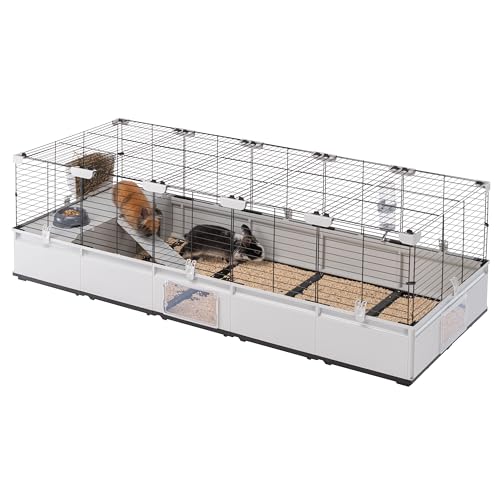


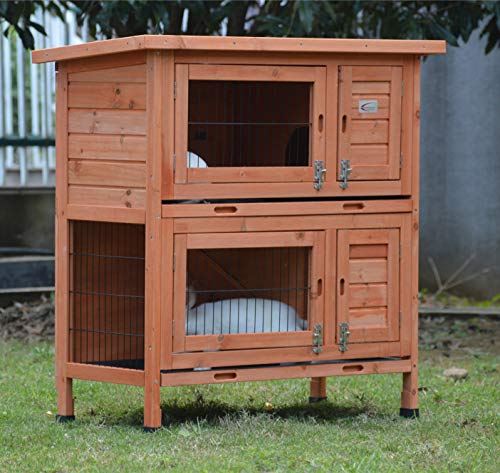


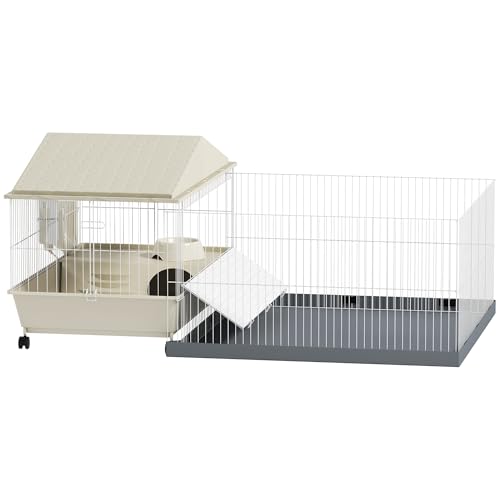
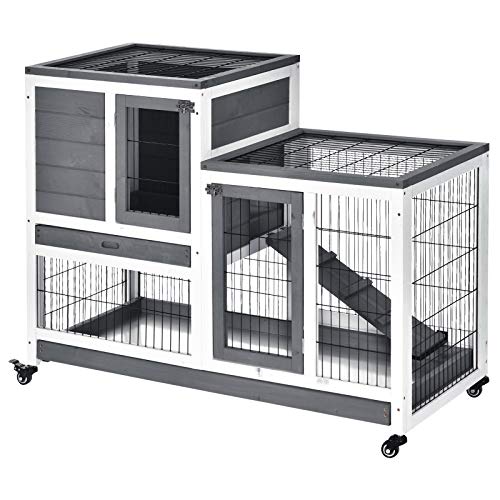


What This Category Includes
Guinea Pig Cages and Hutches includes housing products designed to provide guinea pigs with a defined day to day living space. That can include cages, hutches, and other structured housing formats intended for indoor or outdoor placement depending on the product design. Specifications vary — see individual product listings for details.
The main differences usually come down to size, layout, material, number of sections, access points, and where the structure is intended to be placed. Some options are more compact and simple, while others provide a more substantial housing arrangement with a broader overall footprint. Specifications vary — see individual product listings for details.
Key Functional Roles
The main role of this category is to group together the products used to create a guinea pig’s main housing setup. These structures define where the guinea pig lives day to day and help organise the practical side of space, access, and routine care.
This category also helps separate housing structures from other parts of guinea pig care. That matters because cage and hutch choices are usually based on space, structure, and placement rather than feeding, grooming, toys, or bedding on their own.
Typical Use Scenarios
You might use this category when setting up for new guinea pigs, replacing an older housing unit, or reviewing a different layout that better suits your available space. It is also useful when you know you need a main housing structure but have not yet narrowed it down to one exact format.
Some people come here looking for a straightforward cage or hutch for everyday use. Others are comparing larger housing setups, different access arrangements, or products that better match an indoor or outdoor routine.
Buyer Considerations
A practical starting point is to think about where the housing will be placed and how much space you have available. That usually narrows the category quickly, because overall footprint, structure, and access layout become easier to compare once the intended location is clear.
It also helps to consider material, ease of cleaning, entry points, and how open or enclosed you want the setup to feel. Some people prioritise a simpler compact structure, while others want a larger arrangement with a more defined internal layout. Specifications vary — see individual product listings for details.
Safety, Suitability and Best Practices
Good practice starts with choosing products clearly intended for guinea pigs and checking the individual listing for the details that matter to your setup. Dimensions, materials, and intended placement can all affect how suitable a housing product feels for your available space and routine.
It also helps to think about general upkeep and condition over time. Keeping the area clean, reviewing wear, and checking whether the housing still suits your guinea pigs and your routine can make the category easier to shop with confidence.
Category Boundaries
Guinea Pig Cages and Hutches is the category for fixed guinea pig housing structures. It is focused on the main living space rather than exercise areas, comfort layers, feeding accessories, or enrichment products.
That means related products belong elsewhere in named categories such as Guinea Pig Runs and Playpens, Guinea Pig Bedding and Litter, Guinea Pig Bowls and Feeders, and Guinea Pig Toys. It also sits separately from Guinea Pig Grooming and Guinea Pig Health and Hygiene, which serve different routine purposes.
FAQs
What does Guinea Pig Cages and Hutches include?
This category covers the main housing structures used to create a guinea pig’s everyday living space. It includes cages and hutches rather than runs, bedding, or feeding accessories.
How do I choose between a cage and a hutch?
Start with where the housing will be placed and the kind of setup you want to create. The most useful first comparison is usually overall structure, footprint, and access layout rather than the name alone.
What should I compare first when browsing guinea pig housing?
Size, layout, material, and placement setting are usually the most useful starting points. Those details often help you narrow the range faster than smaller design differences.
Is this category for indoor and outdoor guinea pig housing?
It can include both, depending on the product design. The individual listing is the best place to confirm exact intended placement and structure details.
Does this category include guinea pig runs?
No. Exercise space products belong in Guinea Pig Runs and Playpens. This category is focused on the main housing structure itself.
Can I use this category when replacing an older guinea pig home?
Yes. Many people browse this category when they want a new housing setup, a different layout, or a structure that better suits their current space and routine.
Practical Insights and Real World Context
In real use, people usually choose guinea pig housing around space and routine rather than appearance alone. What matters most is often where the structure will go, how easy it is to manage day to day, and whether the layout feels practical for the way the guinea pigs are actually kept. That simple starting point usually makes comparison much easier.
A strong category page should therefore help you think in terms of location and structure first. Once that is clear, the smaller differences in materials, access, and overall layout become easier to compare without drifting into runs, bedding, or other unrelated guinea pig products.
How This Category Fits Into Your Gear and Equipment
Within the wider Guinea Pig Supplies structure, this category sits as the branch for fixed housing products used as part of a broader everyday guinea pig care setup.
 Getting ready for Summer? View our Home and Garden Products

Heading outdoors this winter? Take a look at our Outdoor Clothing.