
Guinea Pig Food
Guinea pig food is designed to support the daily nutritional needs of guinea pigs as part of a balanced diet. It can include complete nuggets, pellets, forage, hay, healthy treats and feeding supplements, depending on the product and the guinea pig’s age, health and lifestyle.
The right guinea pig food should suit your pet’s life stage, dietary needs and feeding routine. Food type, fibre content, vitamin support, ingredients, storage, freshness and species suitability are all important details to compare before choosing.
- Guinea Pig Food
200 g Mixed Apple, Timothy and Bamboo Chew Sticks for Small Pets
£9.99 *View On Amazon* - Guinea Pig Food
Guinea Pig Treat Bundle with Chew Sticks and Soft Cage Bedding
£16.99 *View On Amazon* - Guinea Pig Food
Supreme Tiny Friends Farm Apple and Cranberry Stickles Pet Food
£5.59 *View On Amazon* - Guinea Pig Food
KATLKIU 3 Flavour Natural Rodent Chew Sticks, 24 Pack
Original price was: £8.99.£7.99Current price is: £7.99. *View On Amazon* - Guinea Pig Food
HayPigs Piggy Nom Noms Variety Pack 2 x 70 g Guinea Pig Treats
£7.49 *View On Amazon* - Guinea Pig Food
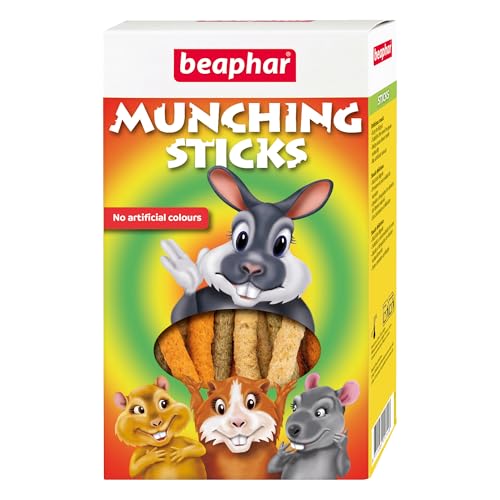
Beaphar Munching Sticks for Small Animals 150 g
Original price was: £2.75.£2.27Current price is: £2.27. *View On Amazon* - Guinea Pig Food
ZONGHUN 4 Pack Natural Timothy Grass Chew Balls for Small Pets
£12.99 *View On Amazon* - Guinea Pig Food
Small Pet Select Dried Nettle Forage Treat for Small Animals, 56 g
£9.99 *View On Amazon* - Guinea Pig Food
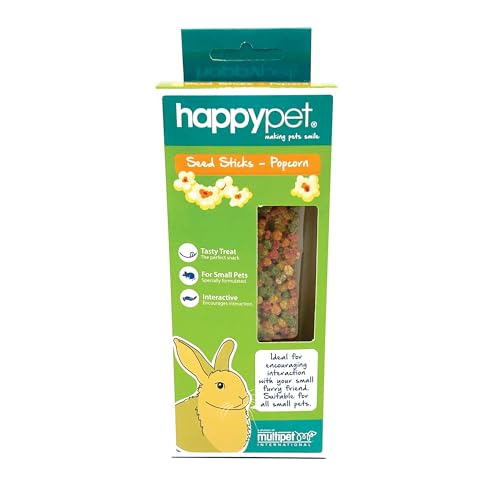
HAPPYPET Komodo Critter’s Choice Popcorn Flavoured Seed Sticks
£4.24 *View On Amazon* - Guinea Pig Food
200 g Apple Chew Sticks for Small Animals
Original price was: £7.99.£7.19Current price is: £7.19. *View On Amazon* - Guinea Pig Food
Critter’s Choice Tasty Sticks 75g Small Pet Treats
Original price was: £5.00.£2.09Current price is: £2.09. *View On Amazon* - Guinea Pig Food
Bunny Bistro Herb & Flower Salad 100g For Rabbits and Small Animals
£7.49 *View On Amazon* - Guinea Pig Food
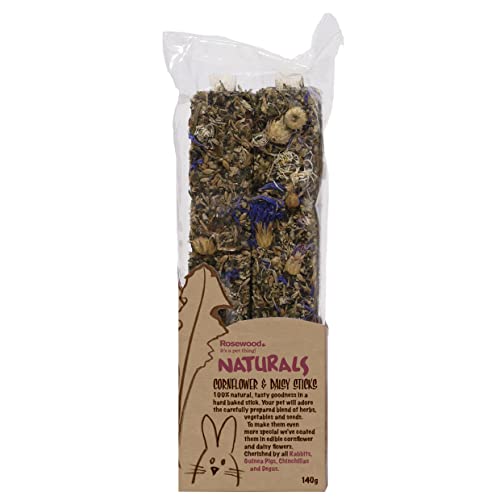
Rosewood Naturals Cornflower & Daisy Small Animal Treat Sticks 140g
Original price was: £3.50.£2.45Current price is: £2.45. *View On Amazon* - Guinea Pig Food
Small Pet Select Herbal Forage Tray for Rabbits and Small Pets
£5.39 *View On Amazon* - Guinea Pig Food
Rosewood Naturals Fields of Gold Salad for Small Animals 350 g
Original price was: £4.99.£4.47Current price is: £4.47. *View On Amazon*








What Is Guinea Pig Food?
Guinea pig food includes specially formulated products designed for guinea pigs. These foods are made to provide suitable nutrition alongside fresh hay, clean water and appropriate fresh vegetables as part of a balanced feeding routine.
Products in this category may include guinea pig nuggets, pellets, forage mixes, feeding hay, healthy treats, herb blends, vitamin enriched foods and feeding supplements where listed.
Unlike many other small pets, guinea pigs have specific dietary needs. They require a high fibre diet and need a regular source of vitamin C because they cannot produce enough of this vitamin naturally. For this reason, food should always be chosen specifically for guinea pigs.
What Is Guinea Pig Food Used For?
Guinea pig food is used to provide the nutrients needed for everyday health, energy and digestive function. A balanced diet helps support healthy teeth, normal digestion and general wellbeing when combined with suitable housing and regular care.
Complete foods can provide the main concentrate portion of the diet where appropriate, while hay should normally make up the largest part of daily feeding. Fresh vegetables and suitable treats may also be offered as part of a varied diet, following recognised guinea pig care guidance.
Choosing the correct food helps reduce selective feeding, encourages consistent nutrition and supports long term health.
How To Choose The Right Guinea Pig Food
Start by choosing food that is clearly intended for guinea pigs. Foods designed for rabbits, hamsters or other small animals may not provide the same nutritional balance or vitamin support.
Next, consider your guinea pig’s age. Young, growing, adult and senior guinea pigs may have different nutritional needs. Some foods are formulated for specific life stages, while others are intended for general adult maintenance where listed.
Think about feeding habits as well. Nugget style foods can help reduce selective feeding because each piece contains a similar nutritional balance. Muesli style mixes may allow some guinea pigs to pick out favourite ingredients, which can lead to an unbalanced diet.
Freshness is also important. Food should be stored correctly and used according to the product guidance so that quality and nutritional value are maintained.
Key Features To Compare
When comparing guinea pig food, look at species suitability, food type, fibre content where listed, vitamin C support, ingredient quality, pack size, feeding guidance, storage instructions and freshness.
High fibre content is one of the most important factors because guinea pigs rely on fibre for healthy digestion and normal tooth wear. Hay remains the primary source of fibre and should always be available.
Vitamin C is another key consideration. Many guinea pig foods include added vitamin C where listed, but owners should still follow recognised feeding guidance to ensure their guinea pig receives appropriate nutrition.
Pack size should match how many guinea pigs you have and how quickly the food will be used. Larger packs can offer value if stored correctly, but only if the food remains fresh throughout use.
Guinea Pig Nuggets Compared With Muesli Mixes And Forage
Guinea pig nuggets are complete foods where each piece is formulated to provide a similar nutritional balance. This may help reduce selective feeding because guinea pigs cannot easily pick out favourite ingredients.
Muesli mixes contain a variety of different ingredients. Some guinea pigs may choose only certain parts of the mix, leaving behind other important nutrients. This can lead to an unbalanced diet if feeding is not managed carefully.
Forage products are different again. They are often used to provide variety, enrichment and natural feeding behaviour where suitable. Forage should complement a balanced diet rather than replace complete food or hay.
Hay remains the most important everyday food. Nuggets, forage and treats should all be considered alongside unlimited access to suitable feeding hay.
Guidance For Young Adult And Senior Guinea Pigs
Young guinea pigs need nutrition that supports healthy growth while still providing plenty of fibre. Choose products that are suitable for their age and always introduce new foods gradually.
Adult guinea pigs usually benefit from a consistent feeding routine based around unlimited hay, measured complete food and fresh vegetables suitable for guinea pigs.
Senior guinea pigs may continue eating the same style of food if healthy, but changes in appetite, teeth or weight may require veterinary advice. Older guinea pigs should be monitored closely to ensure they continue eating normally.
If your guinea pig has a medical condition, dental problems or digestive concerns, seek advice from an experienced exotic vet before changing its diet.
Use Cases By Feeding Routine
For everyday feeding, complete nuggets combined with unlimited hay provide a simple and balanced routine where suitable. Fresh vegetables can add variety when offered appropriately.
For multiple guinea pigs, buying larger food packs may be practical if they can be stored correctly and used while fresh. Separate feeding stations may also help ensure each guinea pig gets access to food.
For indoor guinea pigs, storing food in airtight containers can help maintain freshness and protect it from moisture. Outdoor hutches should have food protected from damp conditions and pests.
For enrichment, forage blends and suitable healthy treats where listed can encourage natural feeding behaviour, but treats should only form a small part of the overall diet.
For travelling or temporary accommodation, keeping your guinea pig on its normal food can help avoid unnecessary dietary changes during an already stressful time.
Fit Compatibility And Feeding Practicality
Guinea pig food should be offered in suitable bowls, feeding dishes or hay racks depending on the product. Hay should always be clean, dry and freely available.
Introduce any new food gradually over several days to help avoid digestive upset. Sudden dietary changes can affect sensitive digestive systems.
Fresh vegetables should be introduced carefully and fed in suitable amounts according to recognised guinea pig care guidance. Remove uneaten fresh food before it spoils.
Always provide fresh, clean drinking water alongside food. Water bottles and bowls should be checked daily to make sure they are clean and working properly.
Nutrition Storage And Daily Care
Store guinea pig food according to the product instructions. Keep dry food sealed, cool and dry, away from damp conditions, direct sunlight and pests.
Hay should smell fresh and feel dry. Do not use hay or food that is mouldy, damp or contaminated.
Monitor your guinea pig’s eating habits every day. Guinea pigs should eat regularly, and reduced appetite can become serious quickly. If your guinea pig stops eating, eats significantly less or loses weight, seek veterinary advice as soon as possible.
Maintain a regular feeding routine and avoid overfeeding treats. A balanced diet, suitable housing, fresh water and regular health checks all work together to support long term wellbeing.
Safety Care And Feeding Hygiene
Wash food bowls and water containers regularly to prevent bacteria building up. Remove leftover vegetables before they spoil and replace hay whenever it becomes damp or soiled.
Avoid feeding foods that are unsuitable for guinea pigs. Always check product descriptions carefully and only offer foods specifically intended for guinea pigs where listed.
Keep food stored safely away from other household pets and children. Follow the manufacturer’s storage guidance to help maintain quality.
If introducing supplements or changing diet because of illness or pregnancy, seek advice from an experienced exotic vet to make sure the feeding plan remains suitable.
Useful Accessories To Consider
Useful accessories can include hay racks, food bowls, water bottles, forage feeders, storage containers, guinea pig treats, bedding, hideaways, chew toys and cleaning supplies where suitable.
Hay racks can help keep feeding hay cleaner, while airtight storage containers can help maintain food freshness. Suitable chew toys can also support normal tooth wear alongside a high fibre diet.
For larger enclosures, multiple feeding stations can reduce competition between guinea pigs and encourage more relaxed feeding behaviour.
Why Buy Guinea Pig Food From YPC?
At YPC, we understand the importance of choosing practical products that support everyday pet care. Guinea pig food can vary by ingredients, fibre content, vitamin support, feeding style, pack size and life stage suitability, so comparing the details helps you choose with confidence.
YPC helps you browse guinea pig feeding products with real pet care needs in mind, whether you are buying for young guinea pigs, adult pets, multiple guinea pigs or everyday feeding routines. Explore the Guinea Pig Food category to browse the available options and compare the features that matter most for your guinea pigs.
FAQs
What should guinea pigs eat every day?
Guinea pigs should have unlimited access to good quality feeding hay, fresh clean water and a suitable guinea pig food. Fresh vegetables may also be offered as part of a balanced diet following recognised care guidance.
Do guinea pigs need vitamin C?
Yes. Guinea pigs cannot produce enough vitamin C naturally, so they need a regular dietary source. Many guinea pig foods contain added vitamin C where listed, but overall diet remains important.
Are guinea pig nuggets better than muesli?
Complete nuggets may help reduce selective feeding because each nugget contains a similar nutritional balance. Some guinea pigs may pick out favourite ingredients from muesli mixes, leading to an unbalanced diet.
Can guinea pigs eat rabbit food?
No. Rabbit food is not designed to meet the specific nutritional needs of guinea pigs, particularly their requirement for vitamin C. Always choose food specifically made for guinea pigs.
How should guinea pig food be stored?
Store dry food in a cool, dry place in a sealed container where appropriate. Keep hay clean, dry and protected from moisture to help maintain freshness.
How often should I feed my guinea pig?
Hay should always be available. Complete food is usually offered daily in suitable amounts according to the product guidance, alongside fresh vegetables and constant access to clean water.
What treats are suitable for guinea pigs?
Treats specifically made for guinea pigs may be offered occasionally where suitable. Treats should only form a small part of the overall diet and should not replace hay or complete food.
What should I do if my guinea pig stops eating?
A guinea pig that stops eating needs prompt veterinary attention. Guinea pigs rely on continuous digestive movement, so reduced appetite or refusal to eat should never be ignored.
 Getting ready for Summer? View our Home and Garden Products

Heading outdoors this winter? Take a look at our Outdoor Clothing.