
Hamster Bowls and Feeders
Hamster Bowls and Feeders are the category for products used to serve a hamster’s food and water as part of everyday feeding routines.
This page is for you if you are looking for the equipment used at mealtimes rather than the food itself. It brings together the main bowl and feeder styles people compare when setting up a practical feeding area or replacing worn everyday items. The sections below explain how the category is structured so you can understand the main differences in size, material, and layout before comparing individual products.
- Hamster Bowls and Feeders
Niteangel Hamster Feeding & Water Bowls- Mount Fuji Series Glass Drinking Bowls for Dwarf Syrian Hamsters Gerbils Mice Rats or Other Similar-Sized Small Pets (White)
Original price was: £15.59.£14.81Current price is: £14.81. *View On Amazon* - Hamster Bowls and Feeders
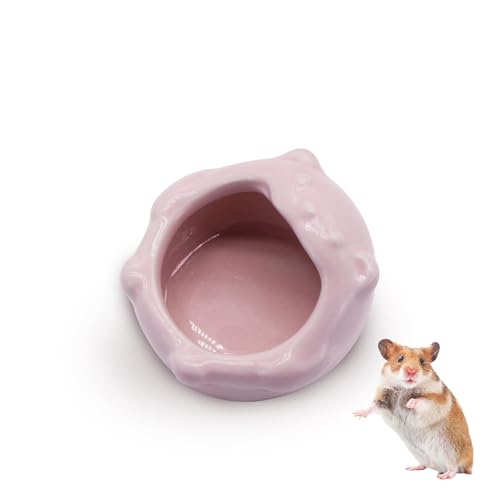
LuckyOpt Round Ceramic Hamster Bowl, Hamster Food Bowl with Cute Strawberry Pattern, Anti-Tipping Easy to Clean Hamsters Small Animal Food Water Bowls for Gerbils, Parrots, Guinea Pigs (Pink)
Original price was: £7.99.£6.79Current price is: £6.79. *View On Amazon* - Hamster Bowls and Feeders
VCEPJH Rat Foraging Toy Interactive Slow Feeder with Transparent Rotating Treat Dispenser Wheel for Enrichment Activities Pet Rat Cage Accessories Ideal for Syrian Hamster Gerbil Mice (White)
Original price was: £7.16.£5.99Current price is: £5.99. *View On Amazon* - Hamster Bowls and Feeders
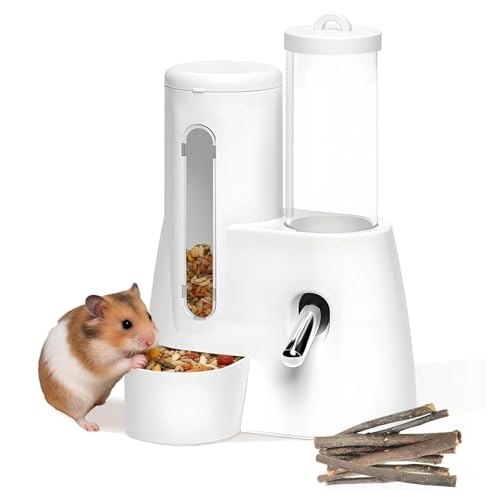
Tabanzhe Hamster Water Bottle with Stand,80ml Automatic Bottle Dispense with Food Container No Drip Leak-Proof Feeder Nozzle Water Auto Dispenser Stand for Small Animals Guinea Chinchillas Rat(Blue)
Original price was: £6.99.£6.79Current price is: £6.79. *View On Amazon* - Hamster Bowls and Feeders
Bucatstate Hamster Water Bottle with Stand, 120ml Small Animal Drinking Bottle Leak-Proof Nozzle, Hamster Accessories for Dwarf Syrian Hamsters, Guinea Pigs, Chinchillas, Rats, Mice (Green)
Original price was: £19.99.£16.99Current price is: £16.99. *View On Amazon* - Hamster Bowls and Feeders
Kelivi Hamster Water Bottle, Strawberry Ceramic Guineapig Stand Holder for Glass Tank, 80ML Water Bottle Holder with 2 No Drip Caps for Syrian Mice, Gerbil
Original price was: £20.59.£19.56Current price is: £19.56. *View On Amazon* - Hamster Bowls and Feeders
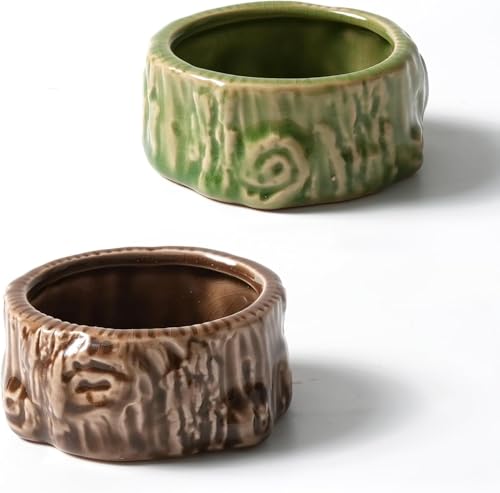
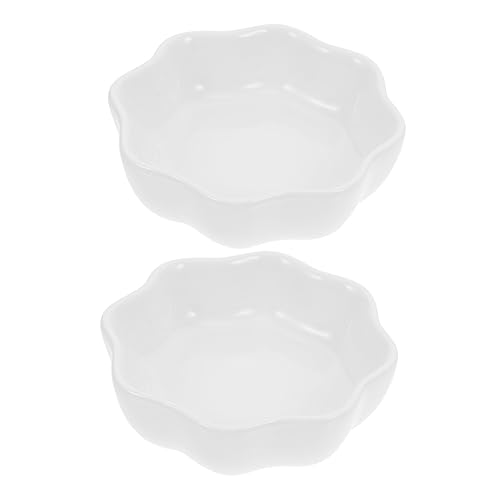
CVUTOVO 2Pcs Ceramic Hamster Bowls Wear-Resistant Small Animal Food Bowls for Hamsters and Chinchillas Easy to Clean Household Feeders 2.76X2.76X0.94In
Original price was: £11.99.£9.91Current price is: £9.91. *View On Amazon* - Hamster Bowls and Feeders
Trixie Ceramic Bowl with Rounded Pouring Rim for Hamster, 100 ml, 1 piece (Assorted Colors)
£2.99 *View On Amazon* - Hamster Bowls and Feeders
SUPVOX 2Pcs Ceramic Hamster Bowls 2.76In Wear-Resistant Non-Tip Small Animal Feeding Bowls for Hamsters Chinchillas Guinea Pigs Pet Feeding Dishes
Original price was: £11.99.£9.59Current price is: £9.59. *View On Amazon* - Hamster Bowls and Feeders
CLASSIC Crystal Deluxe 'Mini' – Small Animal Drinking Bottle 75ml
£1.50 *View On Amazon*







What This Category Includes
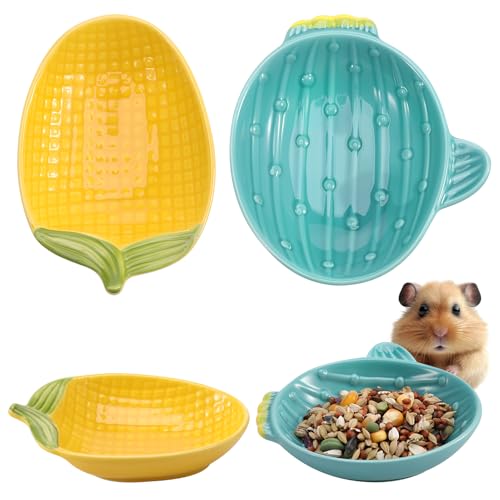
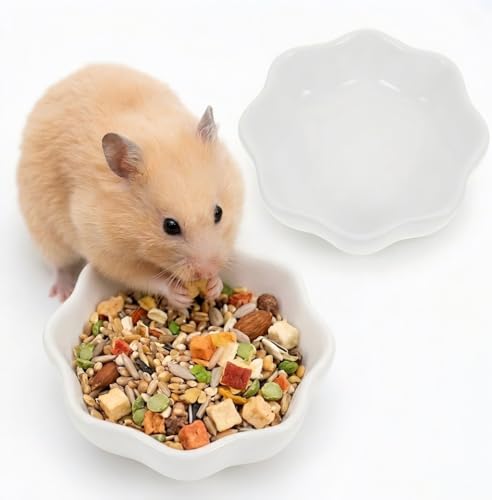
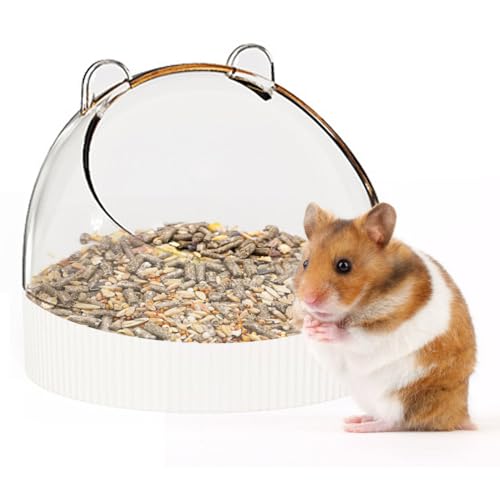
Hamster Bowls and Feeders includes products used to hold, present, and organise food and water for hamsters. That can include single bowls, feeder styles, and other feeding setups designed around different routines and enclosure layouts.
The main differences usually come down to capacity, material, shape, base style, and how the feeding setup is arranged. Some options are simple and compact, while others are chosen for a more fixed feeding area or a different serving style. Specifications vary — see individual product listings for details.
Key Functional Roles
The main role of this category is to group together the products that support everyday hamster feeding and drinking routines. These items provide the physical setup used for meals and water access, which makes them distinct from the food products themselves.
This category also helps organise the practical side of feeding. Choosing the right bowl or feeder often comes down to how food and water are presented, where the setup sits, and how easy it is to keep the area tidy and consistent.
Typical Use Scenarios
You might use this category when setting up a new feeding station, replacing an older bowl, or looking for a different mealtime arrangement that better suits your enclosure or routine. It is also useful when you want to compare basic bowls against more structured feeder styles before narrowing down.
Some people come here looking for a simple everyday bowl for food or water. Others are comparing layouts for a more organised feeding area or a bowl style that better suits the hamster setup and daily routine.
Buyer Considerations
A good place to start is by deciding whether you need a basic bowl, a water bowl, or a more structured feeder style. That simple first step usually narrows the category quickly and makes the rest of the comparison much easier.
It also helps to think about size, material, stability, and where the bowl or feeder will be used each day. Some setups prioritise a compact option that is easy to move and clean, while others suit a more fixed arrangement for regular feeding. Specifications vary — see individual product listings for details.
Safety, Suitability and Best Practices
Good practice starts with choosing products clearly intended for hamster feeding and drinking and checking the individual listing for the details that matter most. Capacity, dimensions, and material can all shape how suitable a bowl or feeder feels in everyday use.
It also helps to keep bowls and feeders clean and in good condition as part of a normal care routine. Regular cleaning, checking for wear, and reviewing whether the setup still suits your hamster’s needs can make this category easier to shop with confidence.
Category Boundaries
Hamster Bowls and Feeders is the category for feeding and water serving equipment. It is focused on the bowls, feeders, and related mealtime setup products rather than the food or treats placed in them.
That means meal products belong in Hamster Food, while reward and chew products belong in Hamster Treats and Chews. This category also sits separately from Hamster Bedding and Litter and Hamster Health and Hygiene, even if some households browse across those areas as part of a wider routine.
FAQs
What does the Hamster Bowls and Feeders category include?
This category covers the products used to serve food and water to hamsters. It includes bowls and feeder styles rather than the food itself.
How is this different from Hamster Food?
Hamster Food is the category for the meal products a hamster eats. Hamster Bowls and Feeders is the category for the equipment used to serve those meals and provide water.
What should I look at first when comparing bowls?
Start with the intended use, then look at size, material, and layout. That usually gives you the clearest first filter before you compare finer details.
Are feeders different from standard bowls?
They can be. Some feeder styles offer a more structured feeding setup, while standard bowls are often simpler and more direct in form. The exact difference depends on the product design.
Can I use this category for both food and water setups?
Yes. Many people use this category to compare options for both food serving and water access. The individual listing is the best place to confirm exact intended use and capacity.
Is this category only for home or enclosure feeding areas?
Routine enclosure use is a major part of the category, but product styles can vary depending on setup and preference. It helps to think about where the bowl or feeder will be used most often before narrowing the range.
Practical Insights and Real World Context
In practice, most people choose hamster bowls and feeders around routine and setup rather than novelty. What matters most is often how the feeding area fits into everyday care, how easy it is to keep clean, and whether it feels stable and practical where it will be used. That makes this a category where simple, realistic comparison points are more useful than overcomplicated detail.
A strong category page should therefore help you think in terms of feeding setup first. Once you know whether you want a straightforward bowl or a more structured feeder style, the differences in material, capacity, and layout become much easier to compare.
How This Category Fits Into Your Gear and Equipment
Within the wider Hamster Supplies structure, this category sits as the branch for the equipment used to serve meals and water as part of everyday hamster feeding routines.
 Getting ready for Summer? View our Home and Garden Products

Heading outdoors this winter? Take a look at our Outdoor Clothing.