
Hamster Food
Hamster food is designed to support the everyday feeding needs of pet hamsters, depending on their species, age, activity level and the product listed. It can include complete dry mixes, pellets, nuggets, seed blends, treats, forage products and complementary foods.
The right hamster food depends on the type of hamster you keep, the nutritional balance of the product, ingredient quality, portion guidance and how well it fits your pet’s normal routine. Food format, protein content where listed, seed variety, added ingredients, storage and suitability are all worth comparing before choosing.
- Hamster Food
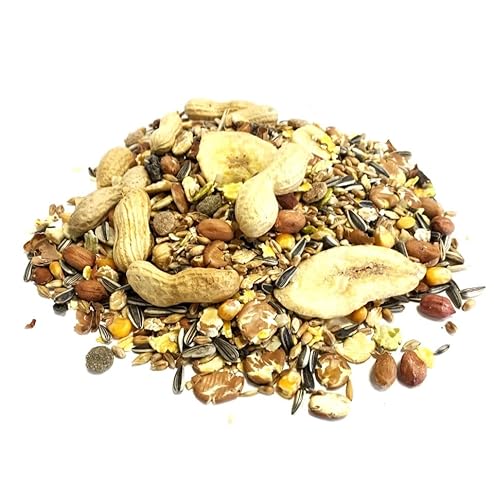
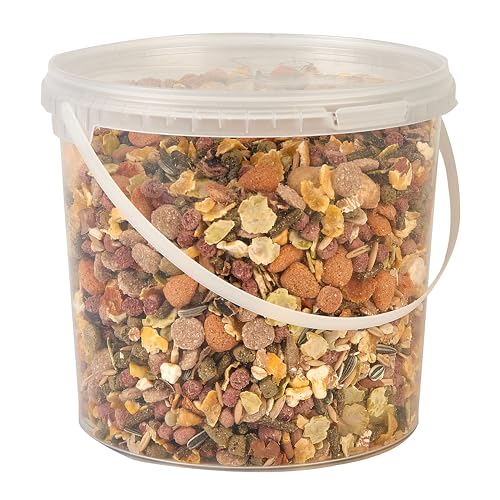
3 Litre Refill Bag Mixed Rat and Mouse Food Premium Quality Food 3l (approx weight 1.5kg) 3LW
Original price was: £8.99.£7.99Current price is: £7.99. *View On Amazon* - Hamster Food
Vitakraft Kracker Hamster Small Animal Food Honey-Spelt, Pack of 5
£16.95 *View On Amazon* - Hamster Food
Supreme Petfoods Tiny Friends Farm Harry Hamster Fruity Nutty Mix, Various (Pack of 2)
Original price was: £7.18.£4.74Current price is: £4.74. *View On Amazon* - Hamster Food
Hamster Chew Toys,ERKOON Timothy Hay Sticks Rabbit Chew Toy 25 Pcs Three Flavors Colorful Natural| Oatmeal | Beet | Boredom Breaker Treat for Rabbits, Gerbil, Chinchilla, Guinea Pigs
Original price was: £7.99.£6.99Current price is: £6.99. *View On Amazon* - Hamster Food
Johnsons Vet Hamster/Gerbil Harvest Feast Treat Multi
Original price was: £3.49.£2.95Current price is: £2.95. *View On Amazon* - Hamster Food
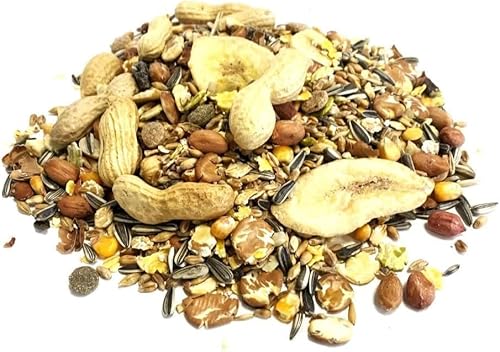
Mixed Gerbil and Hamster Food 1.5Kg Premium Quality XLW
Original price was: £8.99.£5.30Current price is: £5.30. *View On Amazon* - Hamster Food
Supreme Petfoods Science Selective Bathing Sand Yellow
Original price was: £5.70.£4.22Current price is: £4.22. *View On Amazon* - Hamster Food
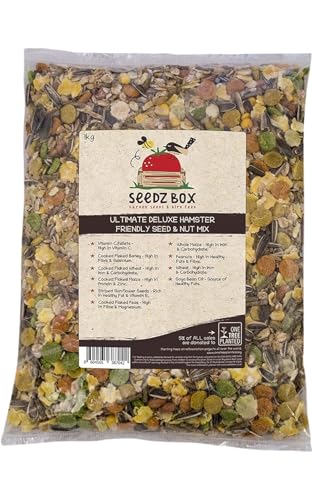
Mixed Gerbil and Hamster Food 1Kg Premium Quality LGW
Original price was: £7.50.£6.99Current price is: £6.99. *View On Amazon*






What Is Hamster Food?
Hamster food is food made specifically for hamsters. It is usually available as seed mixes, pellet style food, nuggets, dried ingredients, forage blends or specialist products where listed.
Some foods are described as complete, meaning they are intended to provide the main daily diet when fed according to the instructions. Others may be complementary foods, treats or toppers that should only be given alongside a suitable main diet.
Hamster food should not be confused with general small animal food. Hamsters have different feeding needs from guinea pigs, rabbits, rats and mice, so products should be chosen specifically for the animal being kept.
What Is Hamster Food Used For?
Hamster food is used to provide daily nutrition, energy and variety as part of a suitable care routine. It may support normal activity, coat condition, growth and general wellbeing where the product is appropriate and fed correctly.
Dry food is often placed in a bowl or scattered around the enclosure to encourage natural foraging. Some owners use a combination of bowl feeding and scatter feeding to make mealtimes more interesting.
Treats and forage items may be used occasionally for enrichment or bonding, but they should not replace the main diet.
How To Choose The Right Hamster Food
Start by checking which hamster species the food is suitable for. Syrian hamsters, dwarf hamsters and other species can have different needs, body sizes and feeding habits.
Next, check whether the food is complete or complementary. Complete food is intended to form the main diet where listed, while treats and complementary foods should usually be fed in smaller amounts.
Look at the ingredients and food format. Mixed foods may contain seeds, grains, dried vegetables and pellets, while nugget style foods provide a more consistent texture. Some hamsters may selectively eat favourite ingredients from mixed food, so portion control and bowl checks are important.
If your hamster has health concerns, weight changes, dental problems or unusual eating behaviour, seek advice from a qualified vet rather than changing food without guidance.
Key Features To Compare
When comparing hamster food, look at species suitability, complete or complementary wording, ingredients, food format, protein information where listed, pack size, feeding guidance and storage instructions.
Food format can affect how your hamster eats. Mixed foods offer variety, but selective feeding can occur if the hamster leaves certain ingredients. Nugget or pellet foods may reduce selective eating where suitable, although preference varies.
Pack size should match the number of hamsters and how quickly the food will be used. A larger bag may seem convenient, but food should remain fresh and dry after opening.
Treats should be compared carefully. Sugary, fatty or highly processed treats may not suit frequent use, and dwarf hamsters in particular may need careful dietary management depending on professional guidance.
Hamster Seed Mixes Compared With Pellets And Nuggets
Hamster seed mixes often contain a variety of grains, seeds, dried vegetables and other ingredients. They can encourage natural picking and foraging behaviour, but some hamsters may eat only their favourite parts.
Pellets and nuggets are usually more uniform. This can make it harder for a hamster to select only certain ingredients, but the product still needs to be suitable and nutritionally appropriate.
Some owners use a combination of complete food and carefully chosen forage products where suitable. The best option depends on the hamster, the product and how closely feeding is monitored.
No food format is automatically ideal for every hamster, so check the label and observe what your pet actually eats.
Guidance For Syrian Dwarf And Older Hamsters
Syrian hamsters are larger than most dwarf hamster species and may need different portion sizes and food piece sizes. Check the feeding guide and species suitability carefully.
Dwarf hamsters may need smaller food pieces and extra care with sweet treats or high sugar ingredients depending on the individual animal and veterinary guidance.
Young hamsters need food suitable for growth where listed. Older hamsters may prefer softer foods or easier to manage pieces if dental or mobility problems develop.
Any sudden change in appetite, weight, droppings or behaviour should be taken seriously. Hamsters can become unwell quickly, so veterinary advice may be needed.
Use Cases By Feeding Style And Routine
For everyday bowl feeding, use a clean, stable food dish and follow the portion guidance provided with the product. Remove spoiled fresh items promptly.
For scatter feeding, small amounts of suitable dry food can be placed around the enclosure to encourage searching and natural activity.
For enrichment, forage mixes or small amounts of suitable treats can be hidden in bedding, cardboard tubes or purpose made feeding toys where appropriate.
For multi hamster households, each animal should be monitored carefully. Many hamster species are solitary and should not be housed together, so feeding arrangements should match species welfare needs.
For travel or temporary care, pre measured portions can make feeding more consistent and reduce overfeeding.
Portion Control And Feeding Practicality
Hamsters are small animals, so portion sizes can be easy to overestimate. Follow the product feeding guidance and monitor body condition, food storage and leftovers.
Hamsters often hoard food in nests or hidden areas. This is natural behaviour, but stored fresh food can spoil and should be checked during cleaning.
Do not refill the bowl automatically if food is still hidden elsewhere. Check what has actually been eaten before adding more.
Fresh water should always be available in a suitable bottle or bowl where appropriate and checked daily.
Treats Fresh Foods And Complementary Feeding
Hamster treats should be used sparingly. They can help with taming, bonding and enrichment, but they still contribute to the overall diet.
Fresh foods may be offered in small amounts where suitable and safe, but they should be introduced carefully. Uneaten fresh food should be removed before it spoils.
Avoid feeding foods that are unsafe for hamsters. Human snacks, chocolate, sweets, salty foods and unsuitable ingredients should not be given.
If you are unsure whether a fresh food or treat is suitable, seek reliable veterinary or small animal care guidance before offering it.
Safety Hygiene And Sensible Feeding
Hamster food should be stored and served hygienically. Keep bowls, scoops and feeding areas clean, and remove damp, mouldy or contaminated food.
Do not feed food from damaged packaging or food that smells unusual, looks mouldy or contains pests.
Check hidden food stores regularly, especially if fresh ingredients are given. Avoid disturbing the nest more than necessary, but remove anything that may spoil.
If your hamster stops eating, loses weight, drinks much more or less than usual, develops diarrhoea or appears lethargic, contact a qualified vet promptly.
Care Maintenance And Storage
Store hamster food in a cool, dry place away from heat, damp and direct sunlight. Keep the packaging sealed or use a suitable airtight storage container.
Clean storage tubs before refilling them so old crumbs, oils and residue do not build up.
Check the use by date and inspect the food regularly for insects, mould or changes in smell.
Keep treats and food bags out of reach of other pets, children and the hamster itself, as packaging can be chewed.
Useful Accessories To Consider
Useful accessories can include food bowls, water bottles, feeding scoops, storage tubs, forage toys, chew toys, tunnels, hides, bedding and cleaning tools.
For scatter feeding, forage mats, cardboard tubes and safe enrichment products can make feeding more interesting.
For portion control, a small scoop or weighing scale may help where suitable. For travel, compact containers can keep measured food portions organised.
Why Buy Hamster Food From YPC?
At YPC, we understand the importance of practical pet care products that fit real everyday routines. Hamster food can vary by species suitability, food format, ingredients, pack size, feeding guidance and whether it is complete or complementary, so comparing the details helps you choose more carefully.
YPC helps you browse hamster food with real care needs in mind, whether you are feeding a Syrian hamster, dwarf hamster, young hamster, older hamster or a pet with particular dietary preferences. Explore the Hamster Food category to compare the available options and choose food suited to your hamster’s routine.
FAQs
What is hamster food made from?
Hamster food may contain seeds, grains, pellets, dried vegetables, herbs and other ingredients depending on the product. Always check the label and suitability before buying.
What does complete hamster food mean?
Complete hamster food is intended to provide the main daily diet when fed according to the product instructions. Complementary food and treats should usually be given alongside a suitable complete diet.
Are seed mixes good for hamsters?
Seed mixes can provide variety and encourage foraging, but some hamsters may selectively eat favourite ingredients. Monitor what is eaten and follow the feeding guidance carefully.
Are pellets better than mixed hamster food?
Pellets or nuggets can reduce selective feeding because the pieces are more uniform. Mixed food offers more variety. The better choice depends on your hamster and the nutritional quality of the product.
How much food should I give my hamster?
The right amount depends on the species, size, age and product. Follow the feeding instructions and check hidden food stores before adding more.
Can hamsters eat fresh food?
Some fresh foods may be suitable in small amounts, but they should be introduced carefully and removed before they spoil. Check reliable care guidance before offering anything new.
Can hamsters eat treats every day?
Treats should usually be given sparingly. Too many treats can affect diet balance and weight, especially if they are high in sugar or fat.
Do dwarf hamsters need different food?
Some foods are made specifically for dwarf hamsters where listed. Smaller pieces and careful management of sugary ingredients may be important depending on the animal.
Why does my hamster hide its food?
Food hoarding is natural hamster behaviour. Check hidden stores during cleaning and remove any fresh or damp food that could spoil.
How should hamster food be stored?
Store hamster food sealed in a cool, dry place away from damp, heat and pests. Clean storage containers before refilling them.
Can hamsters eat food made for rabbits or guinea pigs?
No. Rabbits, guinea pigs and hamsters have different dietary needs. Choose food made specifically for hamsters unless a vet advises otherwise.
When should I contact a vet about my hamster’s diet?
Contact a vet if your hamster stops eating, loses weight, develops diarrhoea, drinks unusually, struggles to chew or shows sudden changes in behaviour.
 Getting ready for Summer? View our Home and Garden Products

Heading outdoors this winter? Take a look at our Outdoor Clothing.