
Hamster Health and Hygiene
Hamster health and hygiene products help owners maintain a clean, comfortable environment while supporting good day to day care. This category may include grooming products, health care items, habitat cleaning supplies, hygiene accessories, sand baths, nail care products and other essentials, depending on the products available.
Keeping your hamster’s living area clean and monitoring its general condition are important parts of responsible ownership. Choosing suitable products for your hamster’s age, size and species can help make regular care simpler while supporting a comfortable living environment.
- Hamster Health and Hygiene
Bunny Brush, Bunny Grooming Comb – Hamster Ferret Brush,for Tiny Pet Ferret Indoor Home Coat Sensitive Skin Daily Care
£3.16 *View On Amazon* - Hamster Health and Hygiene
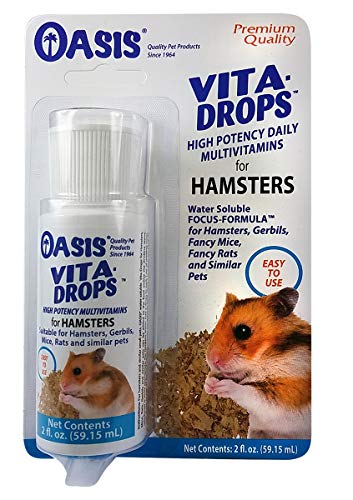
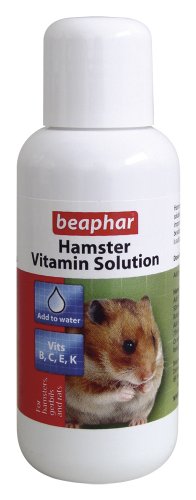
Beaphar – Hamster Vitamin Solution – Supports Optimum Health – Contains Vitamins B, C, E and K – Easy-to-use liquid, Add to Drinking Water or Food – Suitable for Hamsters, Gerbils and Rats – 75ml
Original price was: £7.99.£7.79Current price is: £7.79. *View On Amazon*





What Is Hamster Health and Hygiene?
Hamster health and hygiene covers the products used to keep your hamster, its habitat and its accessories clean and well maintained. Unlike food or housing, these products focus on cleanliness, routine care and supporting a healthy environment.
Depending on the product, this category may include cleaning sprays, disinfectants suitable for small pet habitats, grooming tools, bathing sand, ear and eye care products, nail care accessories, first aid essentials and hygiene supplies.
Every hamster has slightly different care needs, so always check that a product is suitable for your particular species before use.
What Are Hamster Health and Hygiene Products Used For?
Health and hygiene products help owners create a cleaner living space and establish a regular care routine. Cleaning products can help maintain cages, hideaways, wheels, bowls and accessories, while grooming items may help with coat or nail care where appropriate.
Bathing sand provides an opportunity for certain hamster species to clean their coat naturally. Cleaning accessories make it easier to remove waste, refresh bedding and maintain a more pleasant habitat.
Some products are designed to support general health monitoring or routine care, but they are not a substitute for professional veterinary advice when illness or injury is suspected.
How To Choose The Right Hamster Health and Hygiene Products
Start by choosing products designed specifically for hamsters or suitable small pets. Avoid household cleaning products unless they are clearly intended for use around small animal habitats.
Think about your hamster’s species. Syrian hamsters, dwarf hamsters and Roborovski hamsters may have different grooming habits and environmental needs, so always read the product description carefully.
Consider how often you clean the habitat and which products fit your usual routine. Some owners prefer ready to use cleaning sprays, while others may choose concentrates where suitable. Also compare pack size, ease of use and storage requirements.
Key Features To Compare
When comparing hamster health and hygiene products, look at intended use, species suitability, ingredients where listed, application method, cleaning instructions and compatibility with your hamster’s habitat.
For cleaning products, compare whether they are intended for cages, accessories, bowls or general habitat cleaning. For grooming items, check size, material and whether they are suitable for your hamster’s coat type.
For sand baths, compare the type of bathing sand supplied and ensure it is intended for small pets rather than decorative or building sand.
Cleaning Your Hamster’s Habitat
Regular habitat cleaning helps create a more pleasant environment for both you and your hamster. Spot cleaning should normally be carried out as needed, while deeper cleaning may take place less frequently depending on habitat size, bedding type and your hamster’s toilet habits.
When cleaning, remove soiled bedding, wipe suitable surfaces using compatible cleaning products and allow items to dry before replacing fresh bedding. Follow the product instructions carefully and avoid leaving strong cleaning residues behind.
Food bowls, water bottles and exercise accessories should also be cleaned regularly to help maintain good hygiene.
Grooming And Coat Care
Most healthy hamsters keep themselves clean through natural grooming. Long haired Syrian hamsters may occasionally benefit from gentle brushing where appropriate, but many short haired hamsters require very little direct grooming.
Never bathe a hamster in water unless specifically advised by a veterinary professional, as this can remove natural oils and cause unnecessary stress.
For suitable species, a sand bath can provide a natural way for hamsters to clean their coat. Always use bathing sand intended for small animals.
Sand Baths And Natural Cleaning
Sand baths allow many hamster species to roll and dig, helping remove excess oils and loose debris from their coat. They also provide useful enrichment by encouraging natural behaviours.
Choose a container that allows the hamster to move comfortably and use only suitable bathing sand recommended for small pets. Avoid dusty materials or unsuitable sand products that could affect breathing or coat condition.
Replace soiled bathing sand regularly to help maintain cleanliness.
Nail And General Health Checks
Hamsters generally keep their nails naturally worn through climbing and moving around suitable surfaces. However, regular visual checks can help you notice nails that appear excessively long or other changes in appearance.
While carrying out routine cleaning, take the opportunity to observe your hamster’s eyes, ears, nose, coat, movement and appetite. Changes in behaviour or appearance may indicate that professional veterinary advice should be sought.
Health products can support routine care, but they cannot diagnose or treat illness.
Guidance For First Time And Experienced Owners
First time hamster owners should begin with the essentials, including suitable habitat cleaning products, fresh bedding, a sand bath where appropriate and simple grooming accessories if required.
Experienced owners may wish to build a more complete care routine by adding spare cleaning supplies, replacement accessories and dedicated storage for hygiene products.
Whichever stage you are at, consistency is more important than buying large numbers of products. Regular observation and good cleaning habits usually form the foundation of effective hamster care.
Safety, Storage And Good Hygiene
Always follow the instructions provided with each product. Cleaning products should be stored safely away from children, pets and food.
Allow cleaned accessories to dry fully before returning them to the habitat where appropriate. Replace worn or damaged accessories that may become difficult to clean.
Wash your hands after handling your hamster or cleaning its enclosure, and keep cleaning equipment used for pets separate from household food preparation items.
Useful Accessories To Consider
Products that work well alongside hamster health and hygiene items include hamster bedding, litter, cages, hideaways, bowls, water bottles, exercise wheels, tunnels and food storage containers.
Keeping spare bedding, cleaning cloths and replacement accessories together can make regular maintenance quicker and easier.
Why Buy Hamster Health and Hygiene Products From YPC?
At YPC, we understand active lifestyles and the need for practical products that work in real use. Hamster health and hygiene products can vary by intended use, ingredients, compatibility and care routine, so comparing the details helps you choose with more confidence.
YPC helps you browse hamster care products with real pet ownership in mind, whether you are preparing for a new hamster or maintaining an established habitat. Explore the Hamster Health and Hygiene category to browse the available options and compare the products that best suit your hamster and its everyday care routine.
FAQs
How often should I clean my hamster’s cage?
Spot cleaning is usually carried out as needed, while a more thorough clean depends on the cage size, bedding type and your hamster’s habits. Avoid removing all familiar scents too frequently, as sudden changes can be stressful for some hamsters.
Do hamsters need baths?
Most hamsters do not need water baths. Many species keep themselves clean through grooming and may benefit from a suitable sand bath instead, where appropriate.
Can I use normal household disinfectant to clean a hamster cage?
It is generally better to use cleaning products intended for small pet habitats. Always follow the product instructions and ensure surfaces are dry before your hamster returns to the enclosure.
Do all hamsters need a sand bath?
Not every hamster species has identical care requirements. Many owners provide a sand bath for species that naturally enjoy rolling in sand, but always check current care guidance for your particular hamster.
How can I tell if my hamster is unwell?
Changes in eating, drinking, movement, breathing, coat condition or behaviour may indicate that something is wrong. If you are concerned about your hamster’s health, seek advice from a qualified veterinary professional.
How often should I replace hamster bedding?
Remove wet or soiled bedding as required and replace bedding according to your cleaning routine, habitat size and the type of bedding you use.
What should be included in a hamster health care routine?
A good routine includes regular habitat cleaning, fresh food and water, suitable bedding, routine health checks, appropriate grooming where needed and prompt veterinary attention if your hamster appears unwell.
 Getting ready for Summer? View our Home and Garden Products

Heading outdoors this winter? Take a look at our Outdoor Clothing.