
Hamster Treats and Chews
Hamster treats and chews provide small pets with enjoyable flavours, foraging opportunities and suitable outlets for natural gnawing behaviour. They can be used for occasional rewards, gentle handling practice, cage enrichment and adding variety alongside a balanced everyday hamster diet.
The right choice depends on the ingredients, product type, portion guidance and your hamster’s individual needs. Some products are edible treats, while others are longer lasting chew items designed mainly for gnawing. Comparing these differences helps you choose something safe, suitable and practical for your pet.
- Hamster Treats and Chews
Rosewood Naturals Raspberry 'n' Coconut Cone, Small Animal Treat for Rabbits, Guinea Pigs, Hamsters, Gerbils, Mice and Rats
Original price was: £4.00.£2.70Current price is: £2.70. *View On Amazon* - Hamster Treats and Chews
ASelected Apple Sticks Small Animals Molar for Guinea Pigs Rabbits Squirrel Hamster Bunny Pet Chew Toy(1 Kg)
£9.99 *View On Amazon* - Hamster Treats and Chews
CAMITER 31pcs Hamster Chew Toys Rabbit Accessories Natural Apple Wood Sticks Grass Teeth Care Molar Toy for Gerbil Rat Guinea Pig Chinchilla Gerbils Chewing or Playing
Original price was: £10.99.£8.99Current price is: £8.99. *View On Amazon* - Hamster Treats and Chews
RUIENGCOMM 6Pcs Toys Hamster Stone Rabbits Lava Blocks Small Pets Teeth Grinder Teeth Molar Toy Accessory for Parrot Rabbit Hamster Rat Chinchilla
Original price was: £3.99.£2.72Current price is: £2.72. *View On Amazon* - Hamster Treats and Chews
Critters Choice Chube Original Chewable Play Tube, Natural Vegetable Parchment, Small Breeds, Large
£5.29 *View On Amazon* - Hamster Treats and Chews
MBUYGYUO 4 Pcs Hamster & Rabbit Chew Toys – Teeth Grinding Stones for Parrot, Rat & Chinchilla
Original price was: £6.29.£5.99Current price is: £5.99. *View On Amazon* - Hamster Treats and Chews
Hamster Food and Treats bundle containing Hamster Food 700g, Hamsters Treats 120g x2 and Mixed Flavour Popcorn Jar
£15.99 *View On Amazon* - Hamster Treats and Chews
YcsRnn Guinea Pig Toys, Hamster Toys, Rabbit Chew Toys, Small Animal Teeth Grinding Sticks, 4-Pack Rodent Dental Care Accessories, 5×3 cm Pet Supplies for Cage Enrichment
Original price was: £7.79.£6.99Current price is: £6.99. *View On Amazon* - Hamster Treats and Chews
Small Pet Select Natural Dried Apple Treats for Rabbits, Guinea Pigs, Hamsters, Gerbils, Mice & Rats, 50g
Original price was: £7.99.£4.99Current price is: £4.99. *View On Amazon* - Hamster Treats and Chews
Quiko Mini Pop Corn Special 170g for rodents – natural corn cobs with valuable nutrients
£3.91 *View On Amazon* - Hamster Treats and Chews
BBjinronjy Hamster Chew Toys Set Small Animal Molar Toys Teeth Care Wooden Accessories for Guinea Pigs,Chinchillas,Gerbils,Mice,Rats,Mouse Rodents Toy Swing Seesaw Bridge
Original price was: £15.99.£13.45Current price is: £13.45. *View On Amazon* - Hamster Treats and Chews
Tiny Friends Farm Russel Twiggies with Apple & Blackberry
£4.80 *View On Amazon* - Hamster Treats and Chews
Oxbow Apple and Banana Simple Rewards Baked Treats, 60 g (Pack of 1)
Original price was: £5.99.£5.49Current price is: £5.49. *View On Amazon*
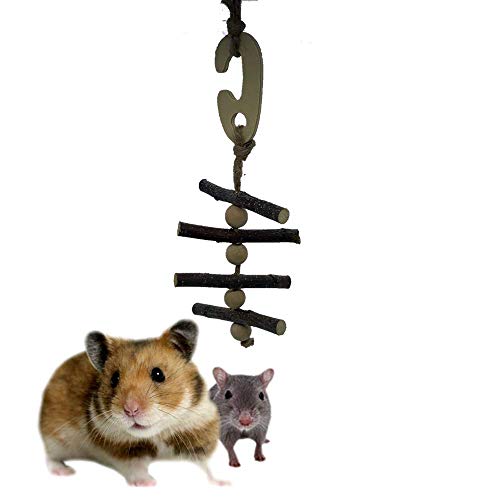


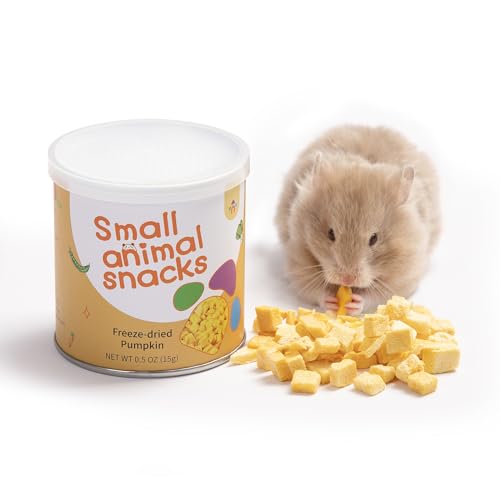


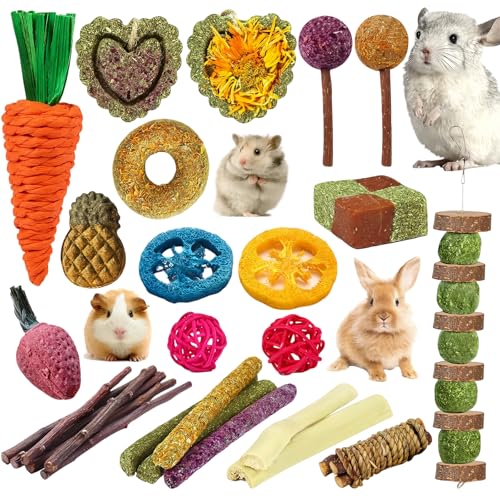


What Are Hamster Treats and Chews?
Hamster treats are supplementary foods given in small amounts alongside a hamster’s normal complete food. Depending on the product, they may include dried herbs, vegetables, seeds, grains, forage ingredients, baked snacks or other small animal suitable foods.
Hamster chews are products designed to give hamsters something appropriate to nibble and gnaw. They may include untreated wooden shapes, natural chew sticks, hanging chews or edible chew products where listed.
Some products combine both purposes. An edible chew may encourage gnawing while also offering a rewarding flavour, while a forage treat can encourage the hamster to search, carry and store small pieces.
What Are Hamster Treats and Chews Used For?
Hamster treats and chews can make a pet’s enclosure more interesting and support natural behaviours such as exploring, foraging, carrying food and gnawing. They can also help owners create positive associations during calm handling and routine care.
A tiny treat may be useful when encouraging a hamster to approach your hand or enter a safe carrier. Treats can also be hidden around the enclosure to create a simple foraging activity rather than always being placed in a bowl.
Chew products provide a more appropriate option than allowing a hamster to gnaw unsuitable household materials. However, chews are only one part of good hamster care and should be used alongside suitable housing, bedding, enrichment, food and veterinary support when needed.
How to Choose the Right Hamster Treat or Chew
Start by checking that the product is clearly intended for hamsters or suitable small animals. Products made for dogs, cats, rabbits or larger pets may use ingredients, sizes or textures that are not appropriate for a hamster.
Next, read the ingredients and feeding guidance. A simple ingredient list can make it easier to understand what you are offering. Treats containing sweeter or richer ingredients should be given particularly sparingly and should never replace the hamster’s normal food.
Consider the product size and texture as well. Large treats may need to be divided into smaller portions where suitable, while very hard or bulky items may not suit every hamster. Wooden chews should be made from pet suitable, untreated materials where stated.
Finally, think about how the product will be used. A loose forage mix suits scatter feeding, a small snack may work for bonding, and a fixed or hanging chew can provide longer lasting cage enrichment where compatible.
Key Features to Compare
When comparing hamster treats and chews, look at the ingredient list, recommended serving size, product texture, chew material, pack quantity and storage guidance. These details affect how suitable the product is and how easily it can be included in everyday care.
For edible treats, check whether the product is intended as an occasional snack, complementary food or part of a forage activity. Look at the size of each piece and whether it can be portioned without crumbling or creating sharp edges.
For wooden and non food chews, check the listed material, finish and attachment method. Avoid assuming that any piece of wood is safe simply because it looks natural. Products should be specifically suitable for small pets and free from unsuitable paint, varnish or treatment where stated.
Hanging products should be attached securely and positioned so they do not create a trapping risk or block access to food, water, nesting areas or exercise equipment.
Edible Treats Compared With Chew Toys and Main Food
Hamster treats, chew toys and complete hamster food serve different purposes. Complete food should form the main part of the diet because it is intended to provide everyday nutrition when fed according to the product guidance.
Edible treats are supplementary. They add variety and can be useful for bonding or enrichment, but giving too many may encourage selective eating or reduce interest in the main food.
Chew toys are mainly used to provide texture, activity and an appropriate object for gnawing. Some are edible, but many are not intended to provide meaningful nutrition.
For a balanced setup, use suitable complete food as the foundation, offer small treats in moderation and provide several forms of enrichment rather than relying on food rewards alone.
Guidance for New, Regular and Experienced Hamster Owners
New hamster owners should begin with simple products that have clear ingredients and feeding instructions. Introduce one new treat at a time and start with a very small portion. This makes it easier to notice whether the product suits your hamster.
Regular owners may want a mixture of options for different purposes. A small treat can support handling practice, a forage product can add interest at feeding time, and a suitable wooden chew can remain in the enclosure for gnawing.
Experienced owners may rotate enrichment while keeping the hamster’s routine consistent. Different textures, hiding places and safe chew shapes can prevent the enclosure from feeling repetitive, provided new products are introduced carefully.
Regardless of experience, treats should never be used to compensate for an unsuitable cage, limited bedding, lack of exercise or missing enrichment.
Treats and Chews for Different Uses
For bonding, choose a treat that can be offered in a very small piece and held safely between the fingers. Allow the hamster to approach rather than chasing or waking it to offer food.
For foraging, scatter a few suitable pieces through clean bedding or place them in safe cardboard tubes and forage toys. This encourages the hamster to search for food and can make feeding more engaging.
For gnawing, choose pet suitable wooden chews, sticks or textured products where listed. Providing more than one shape or texture can help you discover what your hamster prefers.
For cage setup changes, a familiar treat can be used to encourage exploration, but avoid introducing several unfamiliar foods and accessories at the same time.
For travel or carrier training, a small familiar treat may help create a positive routine. Treats should not replace secure handling, suitable ventilation or a properly prepared carrier.
Suitability, Ingredients and Portion Control
Hamsters are small, so even a treat that looks tiny to a person may represent a generous portion. Follow the feeding guidance provided and divide larger treats where appropriate.
Avoid using human sweets, chocolate, strongly seasoned foods or anything containing ingredients that are unsuitable for hamsters. Foods that are sticky, very sugary, heavily processed or difficult to portion are generally poor choices for routine treating.
Every hamster is different. Age, size, activity level and health needs can affect what is suitable. If your hamster has a medical condition, unusual weight change, digestive problem or prescribed diet, ask a vet before adding new treats.
Fresh drinking water should always be available, and treats should not be mixed into the water bottle or used as a substitute for normal hydration.
Safety, Care, Maintenance and Storage
Introduce new treats gradually and remove uneaten fresh or moisture rich food before it spoils. Hamsters may store food in their nest or another hidden area, so check for old food without unnecessarily disturbing the enclosure.
Inspect chew products regularly. Remove them if they become heavily soiled, damp, mouldy, splintered or damaged in a way that could make them unsafe. Replace attachment clips or hanging parts if they become loose.
Store edible treats in a cool, dry place according to the packaging guidance. Keep bags and tubs properly sealed to protect the contents from moisture and pests. Check the product before use and do not offer anything that smells unusual or shows signs of spoilage.
If your hamster stops eating, struggles to chew, drools, loses weight or shows a change in normal behaviour, contact a vet. Chew products provide enrichment, but they are not a treatment for dental or health problems.
Useful Hamster Accessories to Consider
Useful related products can include complete hamster food, food bowls, water bottles, forage toys, tunnels, hideaways, exercise wheels, suitable bedding and cage cleaning accessories. Cardboard tubes and safe shredding materials can also add simple enrichment where appropriate.
A secure carrier is useful for veterinary visits and enclosure cleaning. Small pet storage containers can help keep food and treats dry, organised and separate from household products.
When adding accessories, make sure your hamster still has enough open space, deep bedding and clear access to food, water and sleeping areas.
Why Buy Hamster Treats and Chews From YPC?
At YPC, we understand that small pets need practical products chosen with everyday care in mind. Hamster treats and chews can vary by ingredients, texture, size, purpose and feeding guidance, so comparing the details helps you make a more informed choice.
YPC makes it easier to browse products for rewards, foraging and natural gnawing based on your hamster’s routine. Explore the Hamster Treats and Chews category to compare the available options and find suitable additions to your pet’s feeding and enrichment setup.
FAQs
What treats can I give my hamster?
Choose treats clearly labelled as suitable for hamsters or compatible small animals. Check the ingredients and feeding guidance, then offer only a small portion alongside the hamster’s normal complete food.
How often should hamsters have treats?
Treat frequency depends on the product, ingredients and serving guidance. Treats should generally be offered sparingly and should not replace complete hamster food. Smaller portions are particularly important because hamsters are small animals.
Why do hamsters need chew products?
Chew products provide an appropriate outlet for natural gnawing behaviour and can add texture and interest to the enclosure. Choose products made from suitable, untreated materials and inspect them regularly for damage.
Do hamster chews stop teeth from becoming overgrown?
Chews can encourage natural gnawing, but they cannot guarantee that dental problems will not occur. If your hamster struggles to eat, drools, loses weight or has visibly unusual teeth, seek veterinary advice.
Can I give my hamster wood from the garden?
Garden wood may come from an unsuitable plant, contain chemicals or carry mould, pests and contamination. A product specifically prepared and sold as suitable for hamsters or small pets is the safer choice.
Are fruit treats suitable for hamsters?
Some fruit based treats may be suitable where listed, but they can be relatively sweet and should be offered in very small amounts. Check the ingredients and follow the product feeding guidance.
Can hamsters eat dog or rabbit treats?
Do not assume treats made for another animal are suitable for hamsters. Different pets have different dietary and chewing needs, so choose products specifically labelled for hamsters or compatible small animals.
How should I introduce a new hamster treat?
Introduce one new treat at a time and begin with a very small portion. Watch your hamster’s eating habits and general condition, and stop offering the product if you notice a concerning change.
Should I put treats in my hamster’s food bowl?
You can place a small treat in a bowl, but hiding or scattering suitable pieces can create a simple foraging activity. Check stored food regularly so uneaten items do not become damp or spoiled.
When should I replace a hamster chew?
Replace a chew when it becomes heavily soiled, damp, mouldy, badly splintered or damaged. Check hanging attachments regularly and remove any product that may create a trapping or injury risk.
 Getting ready for Summer? View our Home and Garden Products

Heading outdoors this winter? Take a look at our Outdoor Clothing.