
Rabbit Bedding and Litter
Rabbit bedding and litter help create a cleaner, more comfortable living area by absorbing moisture, supporting hygiene and giving rabbits suitable materials for resting, nesting and toileting. Products can include absorbent litter, paper bedding, wood based bedding, straw, hay based materials and cage liners, depending on the options listed.
The right choice depends on where the product will be used, how absorbent it is, how easy it is to clean and whether it is suitable for your rabbit. Bedding and litter perform different jobs, so many owners use a combination rather than relying on one product for the whole enclosure.
- Rabbit Bedding and Litter
Dihl 70 Litre, White, Super Absorbent Paper Bedding for Small Animals. Absorbs 6 Times its Weight in Liquid. Hamster, Mice, Rat, Rabbit, Guinea Pig Gerbil Cage Substrate – 70L
Original price was: £23.99.£22.99Current price is: £22.99. *View On Amazon* - Rabbit Bedding and Litter
carefresh 99% Dust-Free Tutti Frutti Natural Paper Small Pet Bedding with Odor Control, 10 L
£11.80 *View On Amazon* - Rabbit Bedding and Litter
BUCATSTATE Hamster Bedding 15L, 99% Dust-Free Guinea Pig Paper Bedding Odor Control Paper Bedding, Cozy Small Animal Bedding for Rabbit Rat Syrian Dwarf Hamsters Gerbils (Mint)
Original price was: £9.99.£8.49Current price is: £8.49. *View On Amazon* - Rabbit Bedding and Litter
1.5 Kg Pillow Wad Wood Shavings Kiln Dried, Dust Extracted Small Animal Bedding Premium Quality, Soft & Absorbent Pet Bedding for Rabbits, Guinea Pig, Hamster, Sawdust & Other Small Pets.
Original price was: £10.49.£8.99Current price is: £8.99. *View On Amazon* - Rabbit Bedding and Litter
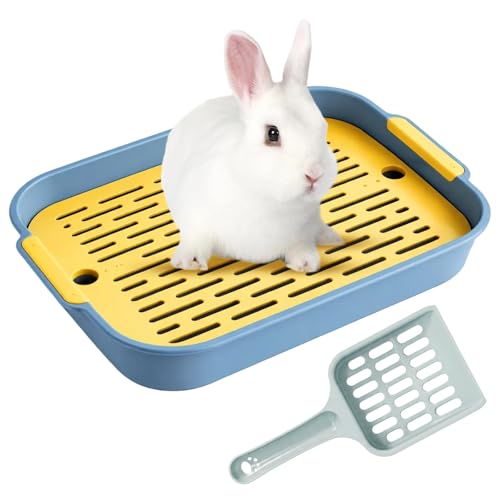
Rabbit Litter Tray, Small Litter Box for Rabbits Guinea Pigs and Kittens, Bunny Toilet with Easy Cleaning Design, 27 x 18.4 x 4 cm
Original price was: £7.99.£7.69Current price is: £7.69. *View On Amazon* - Rabbit Bedding and Litter
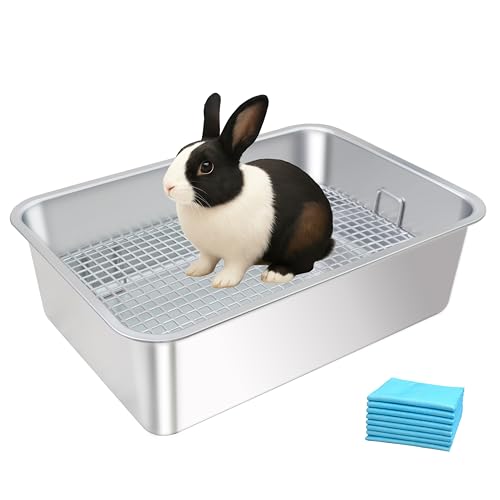
HUQIZOO Stainless Steel Rabbit Litter Box,Bunny Litter Pan with Grid,Toilet Tray,Deep Waste Storage
£47.27 *View On Amazon* - Rabbit Bedding and Litter
Rosewood Naturals Chill 'n' Snooze Bed, Small Animal Sleeper, Natural Materials Hand Woven for Rabbits, Guinea Pigs, Ferrets, Chinchillas, Degus and Rats, 33cm x 26cm
Original price was: £15.00.£11.29Current price is: £11.29. *View On Amazon* - Rabbit Bedding and Litter
Croci Wood Litter, 4 kg, For Small Animals, Pet Owners with Rabbits
£8.69 *View On Amazon* - Rabbit Bedding and Litter
3kg Pillow Wad Wood Shavings (1.5kg each) Kiln Dried, Dust Extracted Small Animal Bedding Premium Quality, Soft & Absorbent Pet Bedding for Rabbits, Guinea Pig, Hamster, Sawdust & Other Small Pets.
Original price was: £15.49.£13.99Current price is: £13.99. *View On Amazon* - Rabbit Bedding and Litter
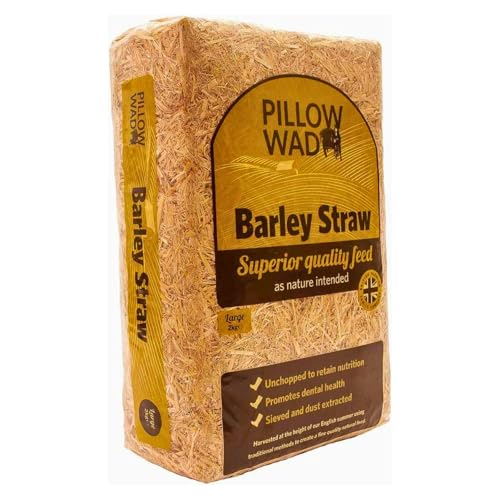
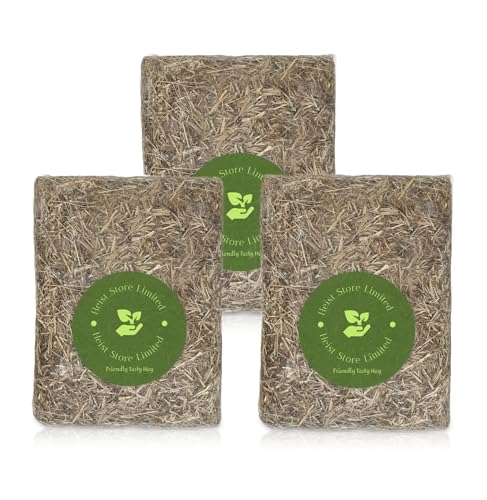
STORM TRADING GROUP Barley Straw Bedding Unchopped Soft Animal Bedding For Chickens, Rabbits & Tortoise (2KG (3 Bags))
£20.49 *View On Amazon*






What Are Rabbit Bedding and Litter?
Rabbit bedding is material placed in sleeping, resting or living areas to provide comfort, insulation and a softer surface. It may be used in hutches, indoor pens, shelters, hideaways and designated resting spaces.
Rabbit litter is placed mainly in a litter tray or toilet area to absorb urine and help contain smells. It should be absorbent, practical to replace and clearly suitable for rabbits or compatible small animals.
Some materials can be used for both bedding and litter where listed, but others are better suited to one purpose. A soft bedding product may feel comfortable but offer limited absorbency, while a highly absorbent litter may not be the most suitable material for covering an entire living area.
What Are Rabbit Bedding and Litter Used For?
Rabbit bedding is used to create comfortable resting and sleeping areas. It can help provide warmth in cooler conditions, although it should be combined with suitable shelter, housing and environmental care.
Rabbit litter is used to make toilet areas easier to manage. A well placed litter tray can help keep the rest of the enclosure cleaner and reduce the amount of bedding that needs replacing during routine maintenance.
These products can be used in indoor rabbit setups, outdoor hutches, exercise pens, rescue accommodation and temporary travel enclosures where suitable. They are also useful when creating separate eating, sleeping and toileting areas within a larger rabbit space.
How to Choose the Right Rabbit Bedding or Litter
Start by deciding whether you need bedding, litter or both. For a litter tray, absorbency and easy removal are usually the main priorities. For a sleeping area, softness, warmth and comfort may matter more.
Check that the product is clearly suitable for rabbits or compatible small animals. Avoid assuming that every cat litter, wood product or household material is safe for rabbits. Some products may create excessive dust, contain fragrances or use clumping ingredients that are not appropriate.
Think about your cleaning routine as well. Loose litter can be easy to scoop and replace, while liners may be simpler in some indoor enclosures. Deep bedding may provide comfort and insulation, but it can take longer to clean if the whole area becomes wet.
Finally, consider your rabbit’s habits. Some rabbits dig, scatter bedding, chew materials or move litter around the enclosure. A product that works well for one rabbit may be less practical for another.
Key Features to Compare
When comparing rabbit bedding and litter, look at absorbency, dust levels, material type, softness, odour control, pack size, ease of disposal and storage guidance. These details affect how practical the product is for everyday use.
Absorbency is especially important for litter trays. A more absorbent product may help keep the tray surface drier and reduce how often the full tray needs replacing, although soiled areas should still be removed regularly.
Dust levels matter because rabbits have sensitive respiratory systems. Look for low dust or dust extracted wording where listed, but still handle the product carefully and keep the enclosure well ventilated.
Fragrance should also be considered. Strongly scented products may be unpleasant or unsuitable for rabbits, so plain, pet suitable materials are generally the more cautious choice.
Texture affects comfort. Soft paper bedding may suit resting areas, while pellets or denser litter may be more useful in toilet trays. Some owners place hay over suitable litter in the tray because rabbits often eat while toileting, provided the setup is kept clean.
Bedding Compared With Litter
Rabbit bedding is mainly used for comfort, warmth and resting. It is often spread over sleeping areas or placed inside shelters and hideaways.
Rabbit litter is mainly used for absorbing urine and managing the toilet area. It is normally placed in a tray rather than throughout the entire enclosure.
Using bedding as litter can lead to more frequent replacement if it is not absorbent enough. Using dense litter across the whole enclosure may feel less comfortable and create unnecessary waste.
A practical setup often includes absorbent litter in the toilet tray and suitable bedding in the resting area. The exact combination depends on the enclosure, season, rabbit and products available.
Paper Bedding Compared With Wood Based and Natural Materials
Paper bedding is often lightweight, absorbent and soft, depending on the product. It can be useful in indoor enclosures and sleeping areas, although it may be scattered by active rabbits.
Wood based litter may include pellets or other processed forms where listed. It can offer good absorbency and may work well in litter trays, but it should be specifically suitable for rabbits and free from unsuitable additives or strong fragrances.
Straw can provide warmth and insulation, making it useful in sleeping areas, particularly in outdoor housing. However, straw is not the same as hay and should not replace the fresh feeding hay rabbits need every day.
Hay based products may be used for bedding or enrichment where suitable, but clean feeding hay should always remain available separately for eating.
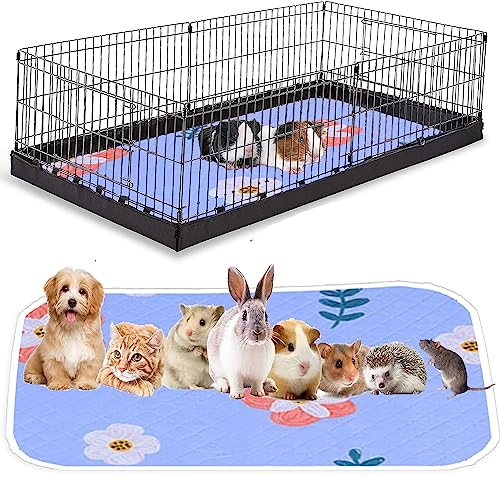
Cage liners and washable pads can be useful in some indoor setups. They may reduce loose bedding, but they need frequent washing and should be checked for chewing, damage and trapped moisture.
Guidance for New, Regular and Experienced Rabbit Owners
New rabbit owners should begin with a simple setup using an absorbent, rabbit suitable litter in a tray and comfortable bedding in the sleeping area. Avoid filling the whole enclosure with one material without considering its purpose.
Regular owners may want to compare absorbency, disposal, pack size and how much the product is scattered. A litter that suits the rabbit’s toilet habits can make routine cleaning much easier.
Experienced owners may use different materials in separate zones. For example, they may use liners in the main indoor pen, absorbent litter in trays and straw or paper bedding in resting areas depending on the season.
Whatever your experience level, the enclosure should remain dry, well ventilated and large enough for the rabbit to move, stretch, rest and exercise comfortably.
Choosing Bedding and Litter for Different Setups
For indoor rabbits, low dust materials, easy cleaning and odour management are often key priorities. Litter trays can be placed in the corners the rabbit naturally chooses to use.
For outdoor hutches, warmth and moisture control become especially important. Bedding must stay dry, and the sleeping area should be protected from rain, draughts and damp conditions.
For bonded rabbits, larger trays or multiple toilet areas may be needed depending on their habits. Make sure both rabbits can access the tray comfortably without crowding.
For older rabbits or rabbits with mobility difficulties, avoid steep tray sides and uncomfortable surfaces. Softer footing and easier access may be needed, with veterinary advice where appropriate.
For travel carriers or temporary pens, use a small amount of absorbent material that can be removed quickly if it becomes wet. Secure the setup so loose bedding does not block ventilation or water access.
Rabbit Litter Training and Tray Setup
Many rabbits naturally choose one or two areas for toileting, which can make litter training easier. Place the litter tray in the area your rabbit already uses rather than forcing it into a different corner.
Choose a tray large enough for the rabbit to sit and turn around comfortably. Larger rabbits and bonded pairs usually need more space than small rabbits living alone.
Add a suitable layer of litter and place fresh hay within reach where practical. Rabbits often eat while using the tray, which can help encourage regular use.
Do not punish accidents. Move soiled bedding or droppings into the tray and clean the surrounding area thoroughly. Consistent tray placement and regular cleaning are usually more effective than frequent changes.
Safety and Materials to Avoid
Choose products specifically labelled as suitable for rabbits or small animals. Avoid clumping cat litter, heavily fragranced litter and products that create excessive dust.
Do not use wet, mouldy or contaminated bedding. Check stored products for dampness, unusual smells, insects or visible spoilage before placing them in the enclosure.
Be cautious with wood shavings and aromatic materials. Product suitability can vary by wood type and processing, so only use them where they are clearly listed as suitable for rabbits.
Avoid using newspaper ink heavy materials, household cleaning wipes, fabric scraps with loose threads or any material your rabbit can easily swallow in harmful amounts.
If your rabbit develops sneezing, breathing changes, sore feet, skin irritation, reduced appetite or unusual toileting habits, remove the new product and seek veterinary advice.
Cleaning, Care and Disposal
Remove wet and heavily soiled areas every day. Litter trays should be emptied and cleaned regularly enough to prevent strong smells, dampness and ammonia build up.
Wash trays with a rabbit safe cleaning method and rinse them thoroughly before refilling. Avoid leaving strong cleaning residues or fragrances behind.
Replace bedding when it becomes damp, dirty or flattened. Outdoor sleeping areas may need more frequent checks during wet or cold weather.
Dispose of used bedding and litter according to local guidance. Some plant based materials may be suitable for composting where appropriate, but this depends on the product, local rules and what the material contains.
Store unopened and opened packs in a cool, dry place away from pests, moisture and household chemicals. Keep bags sealed where possible.
Useful Rabbit Accessories to Consider
Useful related products can include litter trays, hay racks, food bowls, water bottles, exercise pens, hideaways, grooming tools, cleaning supplies and storage containers.
A litter scoop can make daily spot cleaning easier, while a washable mat under the tray may help protect floors in indoor setups where suitable.
Hay feeders positioned near the litter tray can support natural feeding habits and help keep hay more organised, although rabbits should always be able to access it safely and comfortably.
Why Buy Rabbit Bedding and Litter From YPC?
At YPC, we understand that small pets need practical products chosen with real daily care in mind. Rabbit bedding and litter can vary by absorbency, material, softness, dust levels, pack size and intended use, so comparing the details helps you choose more confidently.
YPC makes it easier to browse options for toilet trays, sleeping areas, indoor enclosures and outdoor housing. Explore the Rabbit Bedding and Litter category to compare the available products and find suitable materials for a cleaner, drier and more comfortable rabbit setup.
FAQs
What is the best bedding for rabbits?
The right bedding depends on the enclosure and where it will be used. Look for a soft, low dust material that is clearly suitable for rabbits. Sleeping areas may need comfort and warmth, while toilet areas need greater absorbency.
What litter should I use for a rabbit litter tray?
Choose an absorbent, non clumping litter that is labelled as suitable for rabbits or small animals. Avoid strongly scented products and traditional clumping cat litter.
Can I use cat litter for rabbits?
Most cat litter should not automatically be used for rabbits. Clumping, fragranced and dusty cat litters may be unsuitable. Only use a product if it is clearly listed as safe for rabbits.
Is straw suitable for rabbit bedding?
Straw can be useful for warmth and insulation in sleeping areas, particularly in outdoor housing. It should be clean and dry, and it should not replace the fresh hay rabbits need for eating.
Is hay bedding or food?
Hay is primarily an essential food for rabbits and should be available at all times. It can also be placed in resting or litter areas, but clean feeding hay should remain easy to access and should be replaced if it becomes soiled.
How often should rabbit litter be changed?
Remove wet and heavily soiled areas daily. The full tray should be changed as often as needed to keep it dry and hygienic. Frequency depends on the litter, tray size and number of rabbits.
Can rabbits use wood pellet litter?
Some wood pellet litters may be suitable where specifically labelled for rabbits or small animals. Check the material, additives and product guidance before use.
Why does my rabbit throw litter out of the tray?
Rabbits may dig, rearrange bedding or scatter litter as part of natural behaviour. A larger tray, higher sides or a different litter texture may help, provided the tray remains easy to access.
Do indoor rabbits need bedding everywhere?
Not always. Some indoor setups use washable flooring or liners in the main area, with bedding in resting spaces and litter in trays. The flooring should be comfortable, dry and non slip.
How can I reduce smells from a rabbit litter tray?
Use a suitable absorbent litter, remove wet areas daily and clean the tray regularly. Good ventilation and a correctly sized tray also help. Avoid masking smells with strongly fragranced products.
 Getting ready for Summer? View our Home and Garden Products

Heading outdoors this winter? Take a look at our Outdoor Clothing.