
Rabbit Health and Hygiene
Rabbit Health and Hygiene are the category for routine rabbit care products used to support everyday cleanliness, upkeep, and general care as part of normal home routines.
This page is for you if you are looking for routine care and hygiene products rather than coat grooming tools or enclosure materials. It brings together the types of products people browse when they want to keep everyday rabbit care practical, consistent, and easier to manage at home. The sections below explain how the category is structured so you can understand the main types of product and narrow the range more confidently.
- Rabbit Health and Hygiene
Tniytru Rabbit Chew Toys, Five-Piece Set for Small Pets, Dental Health Maintenance and Boredom Relief, Suitable for Rabbits, Hamsters, Guinea Pigs, Chinchillas, 15 * 11 cm
Original price was: £7.99.£6.79Current price is: £6.79. *View On Amazon* - Rabbit Health and Hygiene
Rosewood Naturals Meadow Hay Cookies 1kg – Healthy Small Animal Treats for Rabbits, Guinea Pigs, Chinchillas & Degus – Natural Hay for Digestive and Dental Health
Original price was: £5.52.£4.64Current price is: £4.64. *View On Amazon* - Rabbit Health and Hygiene
VETIQ Nibblots Spinach for Small Animals, with Added Vitamins, Beneficial for Skin & Coat, Rabbits, Guinea Pigs Hamsters 30g Multipack of 4
Original price was: £7.96.£6.84Current price is: £6.84. *View On Amazon* - Rabbit Health and Hygiene
Protexin Veterinary Bio-Lapis for Rabbits, Probiotic and Prebiotic Powder With Electrolytes & Vitamins, Dandelion Flavour, 6 x 2g Sachets
Original price was: £12.56.£11.79Current price is: £11.79. *View On Amazon* - Rabbit Health and Hygiene
Oxbow Animal Health Western Timothy Hay – Rabbits, Guinea Pigs, Chinchilla and Small Pets- 425g
Original price was: £9.27.£8.49Current price is: £8.49. *View On Amazon* - Rabbit Health and Hygiene
Protexin Veterinary Fibreplex for Rabbits, Syringe – A Probiotic and Prebiotic Paste to Encourage Normal Digestive Function. Carrot Flavour Orange (Pack of 2)
Original price was: £28.12.£17.38Current price is: £17.38. *View On Amazon* - Rabbit Health and Hygiene
Selective Skin & Coat Care
Original price was: £6.99.£4.88Current price is: £4.88. *View On Amazon* - Rabbit Health and Hygiene
Rosewood Naturals Hemp Health Mini Sticks – Skin & Coat, Small Animal Treats for Rabbits, Guinea Pigs, Chinchillas, Degus, Hamsters, Gerbils, Mice and Rats 75g
Original price was: £6.45.£6.21Current price is: £6.21. *View On Amazon* - Rabbit Health and Hygiene
SELECTIVE CARE MIXED VARIETY SMALL ANIMAL RABBIT HEALTH TREATS SUPPLEMENTS 100G, CASE OF 4
£21.75 *View On Amazon* - Rabbit Health and Hygiene
Vetark Pro-C Probiotic 100g Powder – Prebiotic & Probiotic With Added Vitamins For Rabbits & Other Small Mammals
£6.25 *View On Amazon*








What This Category Includes
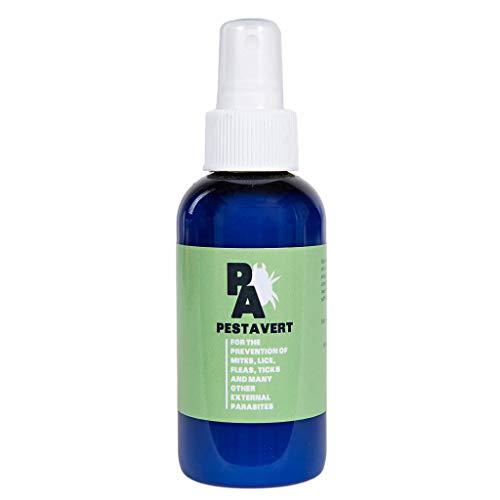
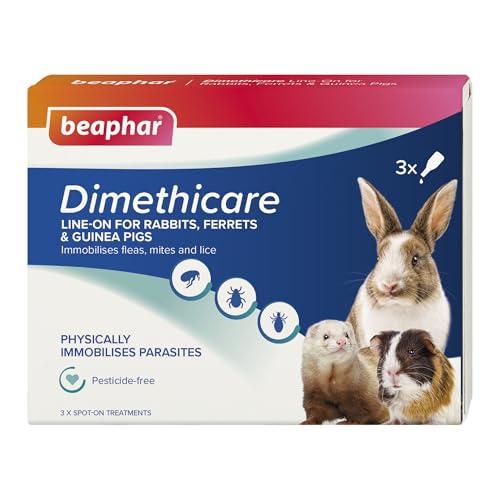
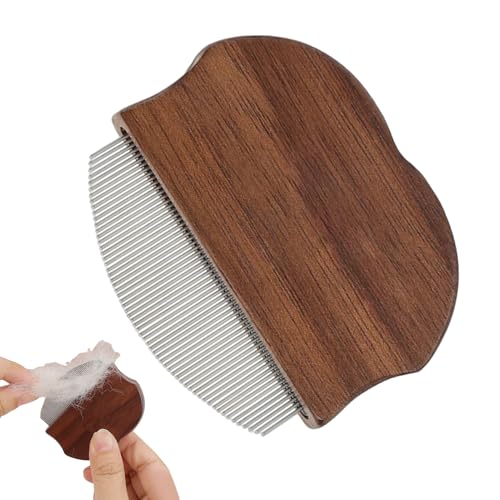
Rabbit Health and Hygiene includes a range of routine care products linked to everyday cleanliness and basic upkeep. That can include items for dental care, washing support, paw care, ear care, and other hygiene related routines used as part of normal rabbit care.
The main differences usually come down to purpose, format, application style, and how the product fits into a regular routine. Some products are used little and often, while others are more occasional parts of general upkeep. Specifications vary — see individual product listings for details.
Key Functional Roles
The main role of this category is to group together the products used to support regular care and cleanliness for rabbits. These items help organise the practical side of routine upkeep, making it easier to separate hygiene related products from feeding, bedding, toys, or housing equipment.
This category also gives you a clearer path when your goal is general care rather than appearance led grooming. That matters because hygiene shopping is usually based on the care task itself rather than coat styling, food, or enclosure setup.
Typical Use Scenarios
You might use this category when reviewing your normal rabbit care routine, replacing basic care essentials, or setting up a more complete home care kit. It is also useful when you know the care task you want to cover but have not yet decided which product form suits your routine best.
Some people come here looking for products linked to regular cleanliness and upkeep. Others are comparing options for more specific care areas, such as mouth care, paw care, or washing support, while keeping everything within a broader routine care category.
Buyer Considerations
A practical place to start is by identifying the main care task first. Are you looking for something linked to washing support, dental care, ears, paws, or a broader hygiene routine? That simple question usually narrows the category quickly and makes the next comparison much easier.
It also helps to think about how often the product is likely to be used, how simple it is to fit into your normal routine, and whether you want a more general care item or something aimed at one specific area. Specifications vary — see individual product listings for details.
Safety, Suitability and Best Practices
Good practice starts with choosing products clearly intended for rabbits and checking the individual listing for the details that matter most to the care task in hand. Product descriptions are the right place to confirm intended use, format, and suitability before making a choice.
It also helps to keep routine care calm, regular, and manageable. Replacing used items when needed, storing products appropriately, and reviewing whether your current care setup still suits your rabbit can all help make the category easier to shop with confidence.
Category Boundaries
Rabbit Health and Hygiene is the category for routine rabbit care and cleanliness products. It is focused on everyday upkeep and hygiene rather than coat grooming tools, feeding products, or enclosure materials.
That means brushing and coat maintenance tools belong in Rabbit Grooming, while enclosure layers belong in Rabbit Bedding and Litter. It also sits separately from Rabbit Food and Rabbit Treats and Chews, which serve a different routine purpose.
FAQs
What does Rabbit Health and Hygiene include?
This category covers routine rabbit care products linked to cleanliness and everyday upkeep. It is the main place for browsing hygiene focused care items rather than grooming tools or feeding products.
How is Rabbit Health and Hygiene different from Rabbit Grooming?
Rabbit Health and Hygiene is focused on routine care and cleanliness tasks. Rabbit Grooming is the separate category for coat care, brushing, and appearance related maintenance.
How do I narrow down the right product type?
Start with the care task you want to cover first. Washing support, dental care, paw care, and ear care are usually the clearest ways to filter the category before comparing individual listings.
Is this category for everyday care or occasional use?
It can be both. Some products fit into regular routine use, while others are used less often as part of broader upkeep. The individual listing will help clarify the intended use.
Does this category include enclosure cleaning products?
No. This category is focused on rabbit care and hygiene items themselves rather than bedding or enclosure materials. Product listings will show the exact intended use for each item.
What should I check first when comparing products?
Look at the intended use, product format, and how the item fits into your normal routine. That usually gives you the clearest starting point before you compare finer details.
Practical Insights and Real World Context
In real use, routine care categories work best when they help people think in simple care tasks rather than vague wellness language. Most people are not looking for broad claims. They are looking for a practical product that fits an everyday job and feels easy to keep using.
A strong category page should therefore keep the focus on routine, clarity, and manageability. Once the main care task is clear, the smaller differences in format and use become much easier to compare without drifting into grooming, feeding, or enclosure categories.
How This Category Fits Into Your Gear and Equipment
Within the wider Rabbit Supplies structure, this category sits as the branch for routine care and hygiene products used as part of everyday rabbit upkeep.
 Getting ready for Summer? View our Home and Garden Products

Heading outdoors this winter? Take a look at our Outdoor Clothing.