
Rabbit Hutches and Cages
Rabbit hutches and cages provide a secure base where pet rabbits can rest, eat, drink and feel protected. They can be used as part of an indoor or outdoor setup, depending on the product, but they should be chosen alongside suitable exercise space, enrichment and daily interaction.
The right rabbit housing should suit your rabbit’s size, number, living environment and routine. Floor space, height, ventilation, access, weather protection, security and ease of cleaning are all important when comparing options.
- Rabbit Hutches and Cages
PawHut Wooden Rabbit Hutch Bunny Cage Openable Roof for Outdoor 90 x 45 x 65 cm
£47.99 *View On Amazon* - Rabbit Hutches and Cages
FeelGoodUK BUNNY ARK – Hybrid – Double Tier Rabbit Hutch and Run Guinea Pig Hide House Cage Pen Home (RH10)
£139.99 *View On Amazon* - Rabbit Hutches and Cages
Rabbit Hutch Durable 210D Double Layer Thermal Cover for Hutch, Bunny Cage Cover with Pointed Window, Winter Protection – 71" L x 20" W x 34" H
Original price was: £33.96.£32.99Current price is: £32.99. *View On Amazon* - Rabbit Hutches and Cages
KCT 3ft Wooden Monza Rabbit Hutch with Run 2 Tier Double Decker Bunny House
£74.95 *View On Amazon* - Rabbit Hutches and Cages
PawHut Rabbit Hutch Outdoor with Run Guinea Pig Hutch 2-Tier Bunny Cage w/Wheels No-Leak Plastic Tray 157.4 x 53 x 99.5 cm – Yellow
Original price was: £153.99.£130.89Current price is: £130.89. *View On Amazon* - Rabbit Hutches and Cages
Bunny Business Hutch Cover for BF3,Black,36 x 36 x 4 cm
Original price was: £41.97.£40.34Current price is: £40.34. *View On Amazon* - Rabbit Hutches and Cages
BUNNY BUSINESS Rabbit/Guinea Pig Deluxe Hide House/Run Hutch, 60 × 40 × 40 cm (Red-Deluxe-Hide)
£36.99 *View On Amazon* - Rabbit Hutches and Cages
Kerbl Pet Gabbia Baldo Rabbit, Easy to Assemble, Safe, 100 x 53 x 46 cm, Dark Blue
Original price was: £64.99.£53.76Current price is: £53.76. *View On Amazon* - Rabbit Hutches and Cages
SONGMICS Small Animal Cage, Pet Cage, XL, with Top, Base, 2 Doors, Easy to Clean, 102 x 51 x 51 cm, Black LPI010B01
Original price was: £27.99.£22.07Current price is: £22.07. *View On Amazon* - Rabbit Hutches and Cages
PawHut 2-Tier Double Decker Rabbit/Guinea Pig Hutch Wooden Bunny Cages with Sliding Tray, Ramp and Wheel, Cover – (Grey)
£146.70 *View On Amazon* - Rabbit Hutches and Cages
BUNNY BUSINESS Fully Folding Sheltered Rabbit Run Hutch, 48-inch
£84.99 *View On Amazon* - Rabbit Hutches and Cages
pawhut Wood Rabbit Hutch Bunny Cage Shelter Outdoor Garden Guinea Pig Sliding Tray Elevated House
£52.84 *View On Amazon* - Rabbit Hutches and Cages
PawHut Rabbit Hutch Outdoor Guinea Pig Hutch 2 Tier Wooden Cage w/Ramp, Divider, Openable Roof, 125 x 48 x 100cm – Brown
£138.99 *View On Amazon* - Rabbit Hutches and Cages
Pawhut Wooden Rabbit Hutch Guinea Pig hutch House 2 Tier with Rabbit Run for Outdoor Garden Backyard, 85 x 24 x 57cm
Original price was: £82.64.£78.50Current price is: £78.50. *View On Amazon*


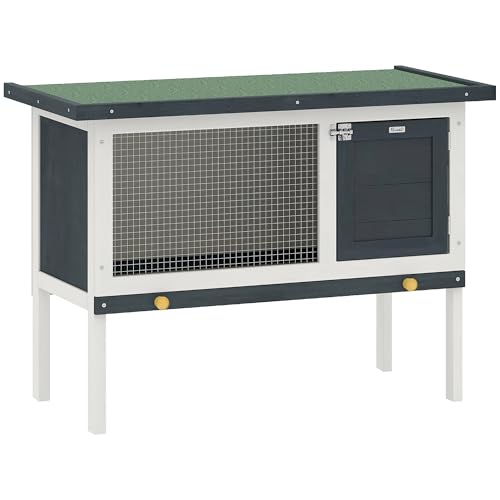


What Are Rabbit Hutches and Cages?
Rabbit hutches and cages are enclosed housing products designed to provide a defined living area for pet rabbits. Hutches are often associated with outdoor use, while cages are commonly used indoors, although product design and intended use can vary.
They may include sleeping compartments, mesh panels, doors, removable trays, ramps, enclosed sections, feeding areas or attached runs where listed. Some products are designed as a main resting area, while others are better used as part of a larger pen or exercise setup.
A hutch or cage should not be chosen by appearance alone. The most important question is whether it provides practical, comfortable and secure space for the rabbit using it.
What Are Rabbit Hutches and Cages Used For?
Rabbit hutches and cages are used to provide shelter, security and a consistent base for daily care. They can contain bedding, hay, food, water, litter trays and resting areas.
For indoor rabbits, a cage may help create a defined area within a room, especially when used with a larger exercise pen. For outdoor rabbits, a hutch may provide sleeping shelter and weather protection, but it should usually be combined with secure exercise space.
Housing can also help with feeding routines, toilet training and safe management when the rabbit cannot be supervised. It should still allow the rabbit to move naturally, stretch out, stand upright and access all essential resources.
How To Choose The Right Rabbit Hutch Or Cage
Start with the rabbit’s adult size. A product that appears spacious for a young rabbit may become unsuitable as it grows. Check the internal dimensions where listed and consider usable floor area rather than overall external measurements alone.
Think about whether one rabbit or a bonded pair will use the housing. Multiple rabbits need enough room to move, rest and access resources without crowding each other.
Next, consider the location. Outdoor hutches need suitable weather protection, secure construction and careful positioning. Indoor cages need good ventilation, floor protection and enough space around them for cleaning and exercise access.
Door size and placement matter too. You should be able to reach all areas for cleaning, feeding and checking the rabbit without struggling. Small doors can make daily care awkward and may make it harder to handle the rabbit safely.
Key Features To Compare
When comparing rabbit hutches and cages, look at internal space, height, number of levels, door access, ventilation, floor design, security, materials and cleaning features.
Internal space should allow the rabbit to move naturally, stretch fully and sit upright. A taller product may provide useful headroom, but floor space remains important.
Removable trays can make cleaning easier where included, although they should fit securely and not create sharp edges or gaps. Solid resting areas can be more comfortable than exposed wire flooring, which may not be suitable for prolonged use.
Mesh spacing should be checked carefully. Openings should not allow the rabbit to trap its head or limbs, and they should also help protect against outside animals where relevant.
Locks and fastenings are important, especially outdoors. Simple catches may be easy for predators or determined rabbits to disturb, depending on the design.
Rabbit Hutches Compared With Indoor Cages And Exercise Pens
Rabbit hutches are usually designed for outdoor or sheltered use. They often include an enclosed sleeping area and a more open mesh section. A hutch can provide shelter, but it should not be assumed to offer enough exercise space on its own.
Indoor rabbit cages are often easier to place inside the home and may include removable bases or trays. They can be useful as a resting or feeding area, but many rabbits benefit from an attached pen or access to a larger rabbit safe room.
Exercise pens provide more open movement space and can be used indoors or outdoors where suitable. They are often more flexible than fixed cages because panels can be arranged around the available area.
Runs are usually intended to provide secure exercise space, especially outdoors. A run may be separate or attached to a hutch depending on the product.
For many rabbits, the most practical setup combines a secure base with a much larger exercise area.
Guidance For New Regular And Experienced Rabbit Owners
New rabbit owners should focus on secure, spacious and easy to clean housing. Avoid choosing the smallest product simply because it is labelled for rabbits.
A simple single level setup may be easier to manage at first, especially if it includes a large door, solid base and clear space for a litter tray, hay and water.
Regular rabbit owners may prefer modular pens, larger enclosures or linked hutch and run systems. These can make it easier to create separate resting, feeding and exercise zones.
Experienced owners may use whole room setups, large custom pens or sheltered outdoor areas. More complicated housing still needs safe materials, clear access and regular inspection.
For bonded pairs, provide enough room and more than one hiding or resting option where suitable. Watch for competition around food, water and enclosed sleeping areas.
Indoor Rabbit Housing
Indoor rabbit housing should be positioned in a quiet, ventilated area away from direct heat, strong draughts and busy household hazards.
The floor should provide grip and comfort. Smooth plastic bases may be easy to clean but can feel slippery without suitable mats, bedding or other floor covering where appropriate.
Indoor cages work best when connected to or placed within a larger exercise area. Rabbits need regular movement, exploration and social interaction beyond a small enclosed base.
Protect nearby electrical cables, houseplants, furniture and gaps behind appliances. Rabbits may chew, dig and squeeze into surprisingly small spaces.
Consider how the housing fits with household routines. Doors should open without blocking walkways, and the setup should be easy to clean without moving heavy furniture.
Outdoor Rabbit Housing
Outdoor rabbit hutches need more than a roof and mesh door. They should provide protection from rain, wind, direct sun, damp, predators and changing temperatures.
Position the hutch on stable ground in a sheltered location. Avoid low areas where water collects and do not place it in full sun for long periods.
Check the roof, walls, floor and joins for gaps or water entry. Outdoor timber products may need maintenance according to the product guidance, but any treatment used should be suitable for pet housing.
A secure attached run can provide regular exercise access where the ground and enclosure are safe. The run should protect against escape, digging and outside animals.
Outdoor rabbits still need daily checks, interaction, cleaning and monitoring. Housing should not leave them isolated or exposed to unsuitable weather.
Size Space And Layout
Rabbit housing should offer enough usable space for natural movement. The rabbit should be able to take several hops, stretch out, turn around and stand upright without touching the roof.
Levels and ramps may add interest, but they do not replace floor space. Ramps should be stable, wide enough and not excessively steep.
Sleeping areas should provide privacy without being too cramped. Openings must be large enough for the rabbit to enter and leave comfortably.
Position hay, food, water and litter areas so the rabbit can reach them easily. Avoid placing bowls or bottles where they block doorways or movement routes.
For larger rabbits or bonded pairs, check the internal layout carefully. Dividers, ramps and furniture can reduce the usable area more than expected.
Safety And Security
Inspect all housing before use. Look for sharp wire ends, splintered wood, loose screws, exposed staples, cracked plastic and gaps where the rabbit could become trapped.
Door catches should close securely. Outdoor housing may need stronger locking arrangements than simple rotating clips, depending on the location and design.
Check floors and ramps for grip. Slippery surfaces can make movement awkward, while open wire floors may be uncomfortable and unsuitable as the main resting surface.
Avoid placing heavy accessories where they could fall. Bowls, hay racks and bottles should be stable or securely attached.
If the housing is outside, inspect regularly for chewing damage, weathering, digging and signs that another animal has tried to enter.
Cleaning Maintenance And Storage
Choose rabbit housing that you can clean properly. Large doors, removable trays and accessible corners make regular maintenance easier.
Remove wet bedding, spoiled hay and soiled litter promptly. Wipe or wash surfaces using suitable pet safe methods and rinse where required.
Allow cleaned areas to dry before adding fresh bedding or returning the rabbit. Damp enclosed spaces can become unpleasant and may affect materials.
Wooden hutches need regular checks for moisture, rot, splinters and chewing damage. Plastic cages should be checked for cracks, sharp edges and damaged clips.
Metal panels and mesh should be checked for rust, bent sections and loose joins. Replace or repair damaged parts before the rabbit uses the housing again.
If a cage or pen is stored between uses, clean and dry it first. Keep fixings, trays and panels together so nothing is missing when it is needed again.
Useful Accessories To Consider
Useful accessories can include rabbit runs, exercise pens, litter trays, bedding, hay racks, water bottles, bowls, hides, tunnels and chew toys.
Floor mats or washable liners may help with grip and cleaning in some indoor setups where suitable. Outdoor hutches may benefit from weather covers where compatible, although ventilation must not be blocked.
A carrier is also important for veterinary visits and emergencies. It should be stored nearby and kept ready to use.
For larger setups, storage containers can help keep bedding, hay, food and cleaning supplies organised.
Choose accessories that fit the available space without making the enclosure crowded. Rabbits need clear routes between sleeping, eating, drinking and toileting areas.
Why Buy Rabbit Hutches and Cages From YPC?
At YPC, we understand active lifestyles and the need for practical products that work in real use. Rabbit hutches and cages can vary by size, materials, security, access, weather suitability, cleaning features and internal layout, so comparing the details helps you choose with more confidence.
YPC helps you browse rabbit housing with real everyday care in mind, whether you need an indoor base, outdoor hutch, exercise cage or larger linked setup. Explore the Rabbit Hutches and Cages category to browse the available options and compare the features that matter most for your rabbit and home.
FAQs
How big should a rabbit hutch or cage be?
It should allow the rabbit to stretch out, stand upright, turn around and move comfortably. Larger rabbits and bonded pairs need more usable space, so check internal dimensions carefully.
Is a rabbit hutch enough on its own?
A hutch usually provides shelter and a resting area, but it may not provide enough space for regular exercise. Many rabbits need an attached run, pen or larger safe area.
Can rabbit cages be used indoors?
Yes, many rabbit cages are designed for indoor use where suitable. They often work best as a base connected to a larger exercise pen or rabbit safe room.
Are multi level rabbit cages suitable?
Multi level cages can provide extra interest where ramps and platforms are safe, but vertical levels do not replace sufficient floor space. Check ramp angle, grip and fall risk.
Should rabbit cages have wire floors?
A solid and comfortable resting surface is generally more practical than exposed wire flooring. Check the product design and add suitable flooring where needed.
Where should an outdoor rabbit hutch be placed?
Place it on stable ground in a sheltered area away from direct sun, strong wind, flooding and heavy rain. It should also be protected from predators and checked daily.
How often should a rabbit hutch be cleaned?
Remove wet bedding, spoiled hay and soiled litter frequently. Carry out more thorough cleaning as needed based on the number of rabbits, enclosure size and products used.
Are wooden or plastic rabbit hutches better?
Wooden hutches can provide a traditional sheltered design but need checks for damp, rot and chewing. Plastic products may be easier to wipe clean but still need inspection for cracks and ventilation.
Can two rabbits share the same cage?
Bonded rabbits can share suitable housing where there is enough space and access to food, water, litter areas and hiding places. A small cage is not suitable simply because the rabbits get along.
What accessories should go inside a rabbit hutch?
Useful items can include a litter tray, hay, water, a stable bowl, bedding, a hide and suitable chew items. Leave enough open space for comfortable movement.
 Getting ready for Summer? View our Home and Garden Products

Heading outdoors this winter? Take a look at our Outdoor Clothing.