
Rabbit Treats and Chews
Rabbit Treats and Chews are the category for reward based and chewable rabbit products used for snacks, chewing, enrichment, and routine variety.
This page is for you if you are looking for rabbit treats or chew products rather than everyday meal food. It covers the kinds of products people use for rewards, shorter snack moments, chewing time, and general enrichment as part of normal rabbit routines. The sections below explain how the category is structured so you can understand the main differences between treat and chew options before looking at individual products.
- Rabbit Treats and Chews
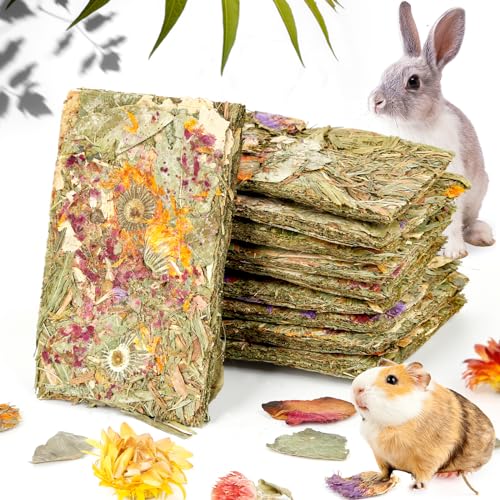
Rosewood Naturals I Love Hay Forage Cube, Small Animal Treat and Gnaw Toy for Rabbits, Guinea Pigs, Chinchillas, Degus, Hamsters, Gerbils, Mice and Rats – Large
Original price was: £10.00.£7.13Current price is: £7.13. *View On Amazon* - Rabbit Treats and Chews
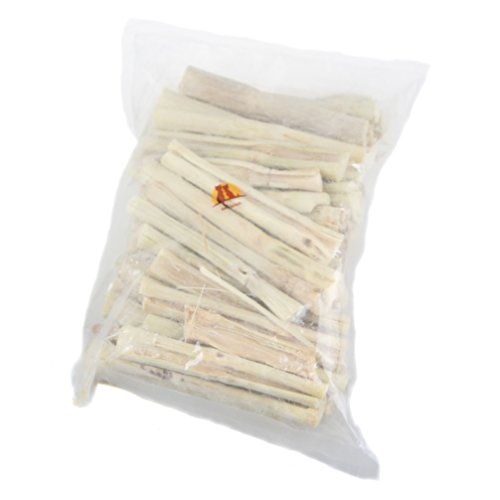
Express Pet Supplies Rabbit Sticks 100% Natural Dog Treat Chew (1kg)
£14.99 *View On Amazon* - Rabbit Treats and Chews
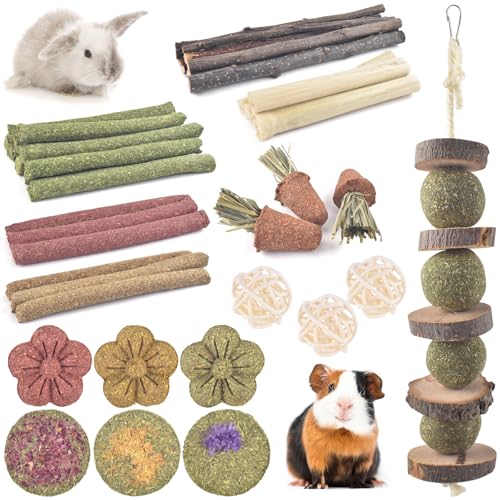
ERKOON Rabbit Treats Boredom Breaker, 34 Pcs Chew Treats for Rabbits,Rat,Chinchilla,Guinea Pig Teeth Grinding Toys Timothy Hay Sticks Apple Wood Stick Carrot Grass Cake Hanging Toy
Original price was: £9.49.£8.99Current price is: £8.99. *View On Amazon* - Rabbit Treats and Chews
Rosewood Naturals Alfalfa Ring, Small Animal Treat and Toy for Rabbits, Guinea Pigs, Chinchillas and Degus (Pack of 1)
Original price was: £7.15.£4.85Current price is: £4.85. *View On Amazon* - Rabbit Treats and Chews
Rosewood Naturals Willow Treat Basket, Small Animal Treat and Gnaw for Rabbits and Guinea Pigs, New and Improved
Original price was: £7.50.£6.98Current price is: £6.98. *View On Amazon* - Rabbit Treats and Chews
Rosewood Naturals Wellness Gnaw Stone, Small Animal Treat and Gnaw for Rabbits, Guinea Pigs, Chinchillas, Degus, Hamsters, Gerbils, Mice and Rats (Pack of 1)
Original price was: £2.95.£2.08Current price is: £2.08. *View On Amazon* - Rabbit Treats and Chews
Rosewood Boredom Breaker Treat 'N' Gnaw Bunny Buns, Rabbit Treats & Small Animal Treats, 150g
Original price was: £6.50.£5.24Current price is: £5.24. *View On Amazon* - Rabbit Treats and Chews
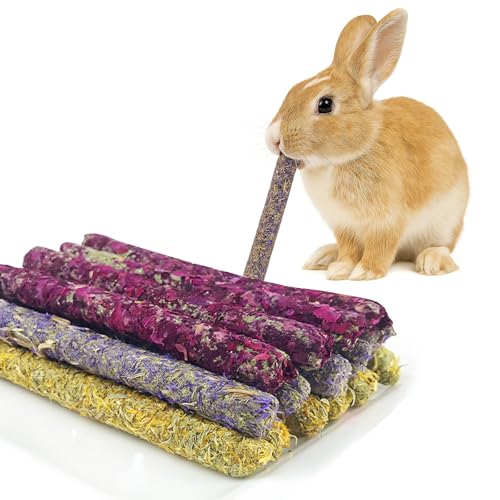
Rosewood Naturals Sunflower & Chamomile Sticks, Small Animal Treat for Rabbits, Guinea Pigs, Chinchillas, Degus, Hamsters, Gerbils, Mice and Rats, 140g
Original price was: £3.50.£1.79Current price is: £1.79. *View On Amazon* - Rabbit Treats and Chews
Rosewood Maze-a-Log Treat Challenge Toy for Small Animals – Cardboard Puzzle Feeder and Boredom Breaker, Hide Treats and Food, Safe-to-Chew, Enrichment Toy for Rabbits, Guinea Pigs, Hamsters, Rats
Original price was: £9.00.£3.81Current price is: £3.81. *View On Amazon*







What This Category Includes
Rabbit Treats and Chews includes a wide range of non meal products used for rewarding, chewing, and adding variety to a rabbit’s routine. That can include smaller treat formats, chew style products, and other snack based options designed for different situations.
Products in this category often vary by texture, size, intended use, ingredient style, and how they are usually given. Some are suited to short reward moments, while others are chosen more for chewing time or general enrichment. Specifications vary — see individual product listings for details.
Key Functional Roles
The main role of this category is to group together the products people use when they want something other than a rabbit’s regular meals. Treats are commonly chosen for rewards, while chews are often selected for longer interaction and routine variety.
This category also helps separate occasional and reward based products from main diet items. That makes it easier for you to browse the right part of the rabbit range without mixing up food for regular meals with products used in a different way.
Typical Use Scenarios
You might use this category when you want small rewards for everyday interaction, something chew based for quieter time, or a different kind of product to fit around feeding and enrichment routines. It is also a useful category when you are comparing textures and formats rather than searching for one exact item.
Some people arrive here looking for smaller, quicker reward options. Others are more focused on chew style products that last longer or provide a different kind of routine use. The category brings those related needs together while keeping them distinct from meal based feeding.
Buyer Considerations
A simple way to narrow the category is to start with the role you want the product to play. Are you looking for frequent small rewards, occasional snack style treats, or a chew product for a longer session? That question usually helps you reduce the range quickly.
It also helps to think about texture, size, and how the product fits into your normal routine. Some people prioritise convenience and portion style, while others focus more on chew duration or ingredient preferences. Specifications vary — see individual product listings for details.
Safety, Suitability and Best Practices
Good practice starts with choosing products clearly intended for rabbits and checking the listing for the details that matter to your household and routine. Product size, texture, and intended use can all affect which options feel more suitable for your rabbit.
It also helps to use treats and chews as part of a balanced routine rather than as a replacement for normal meals. Store products appropriately, keep an eye on freshness, and review suitability as habits or preferences change. Specifications vary — see individual product listings for details.
Category Boundaries
Rabbit Treats and Chews is the category for reward based and chewable rabbit products. It does not cover a rabbit’s regular meal food, feeding accessories, or wider care items.
That means main meal products belong in Rabbit Food, while bowls and feeders belong in Rabbit Bowls and Feeders. It also sits separately from Rabbit Toys and Rabbit Health and Hygiene, even though some people may browse across those areas for related routine needs.
FAQs
What is the difference between Rabbit Treats and Chews and Rabbit Food?
Rabbit Treats and Chews covers reward and chew products rather than a rabbit’s regular meals. Rabbit Food is the category for routine feeding and everyday diet products.
Are treats and chews the same thing?
They are related, but not always identical in use. Treats are often smaller reward products, while chews are often chosen for a longer chewing session or more extended engagement.
How do I choose between treats and chews?
Start with the purpose. If you want quick rewards, smaller treat formats may be more suitable. If you want something designed for a longer chewing period, chew style products are usually the clearer route.
Can I use this category for everyday rewards?
Yes. This category is often used for routine rewards and short positive interactions. It is also where many people look when they want products that sit outside main meal feeding.
Does this category include feeding products?
No. Feeding products such as routine meal food and feeding accessories belong in other categories. This page is focused on treats and chew products only.
What should I look at first when comparing options?
Begin with the intended use, then look at texture, size, and product style. That gives you a practical way to narrow the range before you compare individual listings.
Practical Insights and Real World Context
In everyday rabbit care, people usually choose treats and chews by moment and purpose rather than by long technical comparison. A quick reward, a small routine extra, or a chew product for longer interest all point to slightly different product types, and that is often the most useful way to think about the category.
A clear category page should therefore help you separate those simple use cases first. Once that is clear, the finer differences in texture, size, and product style are much easier to compare without drifting into the wrong part of the rabbit range.
How This Category Fits Into Your Gear and Equipment
Within the wider Rabbit Supplies structure, this category sits as the branch for reward based and chewable rabbit products used alongside broader day to day rabbit care.
 Getting ready for Summer? View our Home and Garden Products

Heading outdoors this winter? Take a look at our Outdoor Clothing.