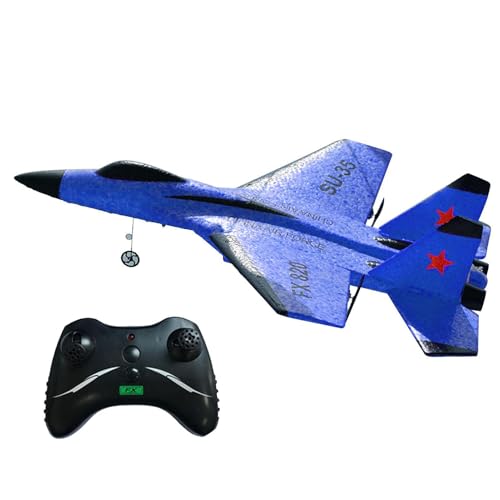





Quick Summary
This RC paper airplane kit is a DIY remote control plane with a gyro, 2.4GHz control and a motor module for powered flight. It is described as a paper airplane kit that uses folded paper planes plus a matched motor module, so the main buying check is whether you want this style of assembled flying toy.
The description also mentions altitude hold, headless mode, one-key take-off and landing, adjustable speed modes and both handheld remote controller operation and another control method. If those features matter to you, compare the selected offer carefully to make sure the exact version matches what you expect.
Key Details
| Detail | Verified information and buyer relevance |
|---|---|
| Product type | RC paper airplane kit for DIY folding and powered flight. |
| Control | 2.4GHz remote control system, with handheld remote controller operation mentioned. |
| Stability feature | Gyro stabiliser is mentioned, which is relevant if flight balance matters to you. |
| Flight functions | Altitude hold, headless mode, one-key take-off and landing, and adjustable speed modes are mentioned. |
| Assembly style | Users fold paper planes from common paper materials and install the motor module. |
What to Compare Before Buying
- Control method: Check that the controller setup suits how you want to fly the plane.
- Included parts: Confirm the kit contents so you know whether the motor module and controller are part of the offer.
- Flight functions: Compare the advertised modes if you want altitude hold, headless mode or one-key take-off and landing.
- Assembly: Make sure you are happy folding paper planes and fitting the motor module before choosing this type of kit.
Before You Decide
Confirm the control method, the exact kit contents and the flight functions that matter most to you. This is a paper-plane style RC kit, so it suits buyers who want a folding-and-assembly flying toy rather than a ready-made aircraft.
A Simple First Flight Project
One straightforward way to use the kit is to start with a simple folded paper plane shape, fit the motor module, and keep the first test flight brief while you get used to the controls. That approach keeps the focus on learning how the paper plane behaves with the motor rather than on a complex design.