
Remote Control Aeroplanes
Remote control aeroplanes are model aircraft controlled from the ground using a transmitter or radio controller. This category is ideal if you want to enjoy outdoor flying, learn model aircraft control, practise take offs and landings, or move from simple RC vehicles into a more skill based hobby.
The right remote control aeroplane depends on your experience level, flying space, weather conditions and how much setup you are comfortable with. A beginner trainer plane is usually much easier to learn with than a fast sport or aerobatic model.
Remote Control Aeroplanes Buyers Guide
A practical guide explaining how to compare remote control aeroplanes based on ease of control, durability, setup confidence, and typical flying environments.
- Remote Control Aeroplanes
m zimoon Transport Cargo Airplane Toy with Cars, Kids Playset with 4 Vehicles and Helicopter, DIY Friction Powered Educational Toy Gifts for Boys and Girls Age 3 to 6
Original price was: £19.99.£18.99Current price is: £18.99. *View On Amazon* - Remote Control Aeroplanes
MATHSLICE RC Airplane 2.4GHz 2 Channels RTF RC Aircraft with 3 Axis Gyro, Beginner Easy to Fly Glider Toy, White
Original price was: £39.99.£34.99Current price is: £34.99. *View On Amazon* - Remote Control Aeroplanes
WDKXCN RC Airplane 2.4GHz Remote Control Airplane with Cool Light Blue
£17.69 *View On Amazon* - Remote Control Aeroplanes
Doloowee 3 Pack Airplane Launcher Toys, 12.6 Inch LED Foam Glider Airplane Catapult, 2 Flight Modes, Outdoor Sports Flying Toys, Blue
Original price was: £19.99.£14.99Current price is: £14.99. *View On Amazon* - Remote Control Aeroplanes
RNPKZ Remote Control Plane, 2CH 2.4Ghz RC Plane Remote Control Wireless Airplane Toy, Ready To Fly, SU-35 Foam RC Plane with LED Light Strip, RC Glider Plane for Kids Beginners Adult, Red
Original price was: £19.89.£18.89Current price is: £18.89. *View On Amazon* - Remote Control Aeroplanes
yusvwkj RC Plane F22 Remote Control Plane with 3 Batteries, 2.4GHz Remote Control Airplane Fighter Toys RC Glider Easy to Fly for Kids Beginners Adults USB Charging Red
Original price was: £32.99.£30.99Current price is: £30.99. *View On Amazon* - Remote Control Aeroplanes
yusvwkj 2.4GHz 2 Channel Remote Control Airplane FX803 EPP RC Plane, Yellow
Original price was: £32.99.£31.34Current price is: £31.34. *View On Amazon* - Remote Control Aeroplanes
RC Jet Foam Remote Control Fighter Jet Airplane with 360° Flips and LED Lights 2.4GHz RC Stunt Plane Toy Blue
£13.99 *View On Amazon* - Remote Control Aeroplanes
HATFRYF RC Airplane Ready to Fly Remote Control Foam Fighter
£24.99 *View On Amazon* - Remote Control Aeroplanes
Vecktodisy Remote Control Airplane, Ready to Fly RC Plane with 2 Channels and 6 Axis Gyro
£72.89 *View On Amazon* - Remote Control Aeroplanes
LARNMERN Remote Control Plane, 360 Degree Rotatable with Light Foam Plane Airplane Toy for Adults, Children and Beginners
Original price was: £27.99.£26.99Current price is: £26.99. *View On Amazon* - Remote Control Aeroplanes
HOLYFUN Foam Fighter Jet Drone for Kids, RC Plane Easy to Fly Remote Control Airplane with Auto Hovering, 360° Flip and 2 Batteries
Original price was: £29.99.£24.99Current price is: £24.99. *View On Amazon* - Remote Control Aeroplanes
BEZGAR RC Airplane Remote Control Plane for Adults, Kids and Beginners, 2.4GHz 6 axis Gyro RC Aircraft Toy with 360 Degree Flip, Colourful LED Navigation Lights and 2 Batteries, Red
Original price was: £39.99.£29.99Current price is: £29.99. *View On Amazon* - Remote Control Aeroplanes
SiumPklay V32 RC Plane, 2.4GHz Remote Control Airplane with LED Light, 360° Flips and Gyro Stabiliser, 3 Speeds, 2 Batteries, Easy Fly for Beginners, Kids and Adults for 8 to 12 Year Old Boys
Original price was: £22.22.£19.99Current price is: £19.99. *View On Amazon* - Remote Control Aeroplanes
AtomDream Tech Electric Aeroplane Toy with Flashing LED Lights and Sounds, Bump and Go Airplane Toy for Kids Ages 3 to 8
Original price was: £14.24.£12.10Current price is: £12.10. *View On Amazon* - Remote Control Aeroplanes
Skyriders RC Jet Foam Screen Control Fighter Jet Airplane with 360° Flips and LED Lights
£15.99 *View On Amazon*


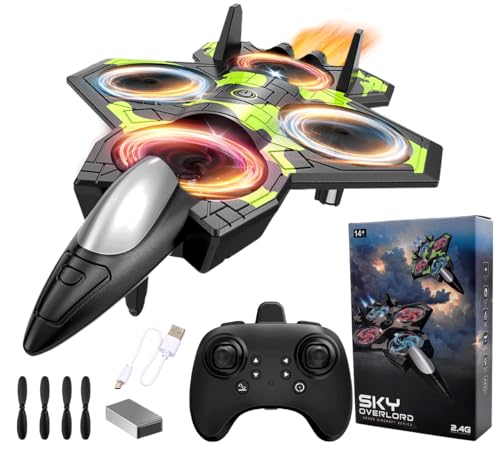


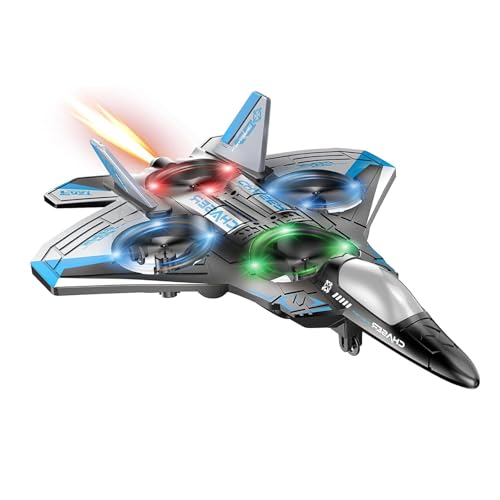


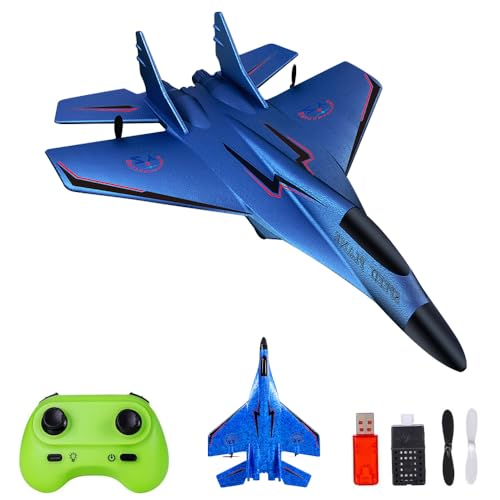


What Are Remote Control Aeroplanes?
Remote control aeroplanes are powered model aircraft designed to fly through the air while being controlled by the pilot on the ground. They can range from simple beginner models to more advanced planes built for speed, aerobatics, scale appearance or longer outdoor flying sessions.
Unlike RC cars or boats, RC aeroplanes need open space, calm weather and careful control. They also need more planning before use because poor flying conditions, low battery power or a small mistake can quickly lead to a crash.
How To Choose The Right Remote Control Aeroplane
Start with your flying experience. If you are new to RC flying, choose a stable beginner model rather than a fast or highly responsive aeroplane. Trainer style planes are usually easier to control because they are designed to fly more predictably.
Size is another key buying factor. Smaller planes may be easier to store and transport, but they can be more affected by wind. Larger planes may feel more stable in the air, but they need more space, more care and may be harder for beginners to manage.
Power type also matters. Electric remote control aeroplanes are usually the easiest option for most buyers because they are simpler to start, cleaner to use and easier to maintain. Fuel powered models may appeal to experienced hobbyists, but they involve more noise, more maintenance and a steeper learning curve.
Beginner Trainer Plane Or Sport Aeroplane?
A beginner trainer plane is usually the safest starting point for new pilots. These models are generally designed for steadier flight, slower handling and more forgiving control. They are useful for learning direction, throttle control, turning, landing and basic confidence.
A sport aeroplane is usually faster and more responsive. It may suit pilots who already understand model aircraft control and want sharper turns, more speed or aerobatic flying. The trade off is that it can be less forgiving and harder to recover if something goes wrong.
For most first time buyers, a trainer style RC aeroplane is the better choice. A sport model usually makes more sense once the basics feel natural.
RTF, BNF Or Kit Build?
An RTF remote control aeroplane means Ready To Fly. This is usually the simplest option for beginners because the model is supplied with more of the equipment needed to get started.
A BNF model means Bind And Fly. This can suit people who already own a compatible transmitter or radio system, but you must check compatibility before buying.
A kit build is usually better for enthusiasts who enjoy assembling, adjusting and understanding the model in more detail. The trade off is that it needs more time, tools and confidence before the plane is ready to fly.
Key Features To Compare
When comparing remote control aeroplanes, look at skill level, wingspan, weight, power type, battery life, controller type, flight stability, material, spare parts, assembly level and whether the model suits calm outdoor flying or more advanced use.
Durability is especially important for beginners because crashes and rough landings are part of learning. Lightweight foam models can be a practical choice for early flying because they are often easier to handle and repair than more delicate models.
Battery life and charging time also matter. Short flights can be frustrating when you are trying to learn, so spare batteries may be useful. Always check the battery type, charger requirements and whether extra batteries are available.
Flying Space And Weather Conditions
Remote control aeroplanes need suitable outdoor space. Open fields, model flying sites and approved flying areas are usually much safer than gardens, streets, parks with people nearby or small spaces with trees and buildings.
Wind is one of the biggest challenges for beginners. A light model may become difficult to control in gusty conditions, and even a stronger model can be harder to land safely when the weather changes. Calm, dry weather is usually best while learning.
Always think about recovery before take off. If the plane lands far away, hits long grass or loses power, you need to be able to retrieve it safely without entering private land or putting yourself at risk.
Using Remote Control Aeroplanes Responsibly In The UK
Remote control aeroplanes are model aircraft, so they should be flown safely, legally and with consideration for other people. Before flying outdoors in the UK, check the current CAA Drone and Model Aircraft Code.
Depending on the model’s weight and whether it has a camera, you may need a Flyer ID, Operator ID or both. You should also avoid flying near airports, restricted airspace, crowds, roads, buildings, animals or places where the aircraft could cause a nuisance or safety risk.
If you are new to the hobby, consider using a recognised model flying club or experienced pilot for guidance. Good habits at the start make RC flying safer, more enjoyable and less expensive in the long run.
Useful Remote Control Aeroplane Accessories To Consider
Useful accessories can include spare batteries, chargers, replacement propellers, spare wings, landing gear parts, glue, repair tape, tools, carry bags and compatible transmitters.
Spare propellers are especially useful because they can be damaged during rough landings. Extra batteries can extend flying sessions, while basic repair supplies can help get a beginner model back in the air after minor knocks.
Choose accessories around the model you own. Not all parts are universal, so check compatibility before ordering spares.
Why Buy Remote Control Aeroplanes From YPC?
At YPC, we have used a lot of outdoor equipment ourselves in real activity settings, so we understand why practical kit matters. A remote control aeroplane needs to be more than exciting on a product page. It needs to suit your skill level, flying space and confidence.
Browse the Remote Control Aeroplanes range, compare the options and choose the model aircraft that fits your experience, location and style of outdoor flying.
Remote Control Aeroplanes FAQs
What is a remote control aeroplane used for?
A remote control aeroplane is used for model flying, outdoor hobby use, learning aircraft control and enjoying radio controlled flight. Some models are made for beginners, while others suit sport flying or aerobatics.
Are remote control aeroplanes good for beginners?
Some remote control aeroplanes are good for beginners, especially trainer style models with stable flight and forgiving controls. Fast sport planes are usually harder to learn with.
What should I look for in a first RC aeroplane?
Look for stable flight, beginner suitability, simple controls, electric power, durable construction, spare parts availability, manageable size and a model that suits the space where you plan to fly.
What does RTF mean for remote control aeroplanes?
RTF means Ready To Fly. It usually means the aeroplane is supplied with more of the equipment needed to get started, although you should still check exactly what is included.
What does BNF mean for remote control aeroplanes?
BNF means Bind And Fly. It usually means the model needs to be bound to a compatible transmitter or radio system that you already own.
Are electric RC aeroplanes better than fuel powered models?
Electric RC aeroplanes are usually easier for beginners because they are cleaner, simpler and easier to maintain. Fuel powered models may appeal to experienced hobbyists who enjoy tuning and engine maintenance.
How much space do I need to fly a remote control aeroplane?
You need a clear, open and safe flying area with enough room for take off, turning, landing and recovery. Avoid roads, people, buildings, animals, trees and restricted airspace.
Can remote control aeroplanes fly in wind?
Some models handle wind better than others, but wind makes flying harder, especially for beginners. Calm conditions are usually best while learning.
Do I need a Flyer ID or Operator ID for an RC aeroplane in the UK?
You may need a Flyer ID, Operator ID or both, depending on the aircraft’s weight and whether it has a camera. Check the latest CAA rules before flying outdoors.
Are remote control aeroplanes the same as drones?
No. Remote control aeroplanes are fixed wing model aircraft, while drones usually use multiple rotors to hover. Both can fall under UK model aircraft and drone rules when flown outdoors.
What accessories are useful for remote control aeroplanes?
Useful accessories can include spare batteries, chargers, replacement propellers, repair tape, glue, tools, carry bags and compatible transmitters. Check that any spares fit your exact model.
 Getting ready for Summer? View our Home and Garden Products

Heading outdoors this winter? Take a look at our Outdoor Clothing.