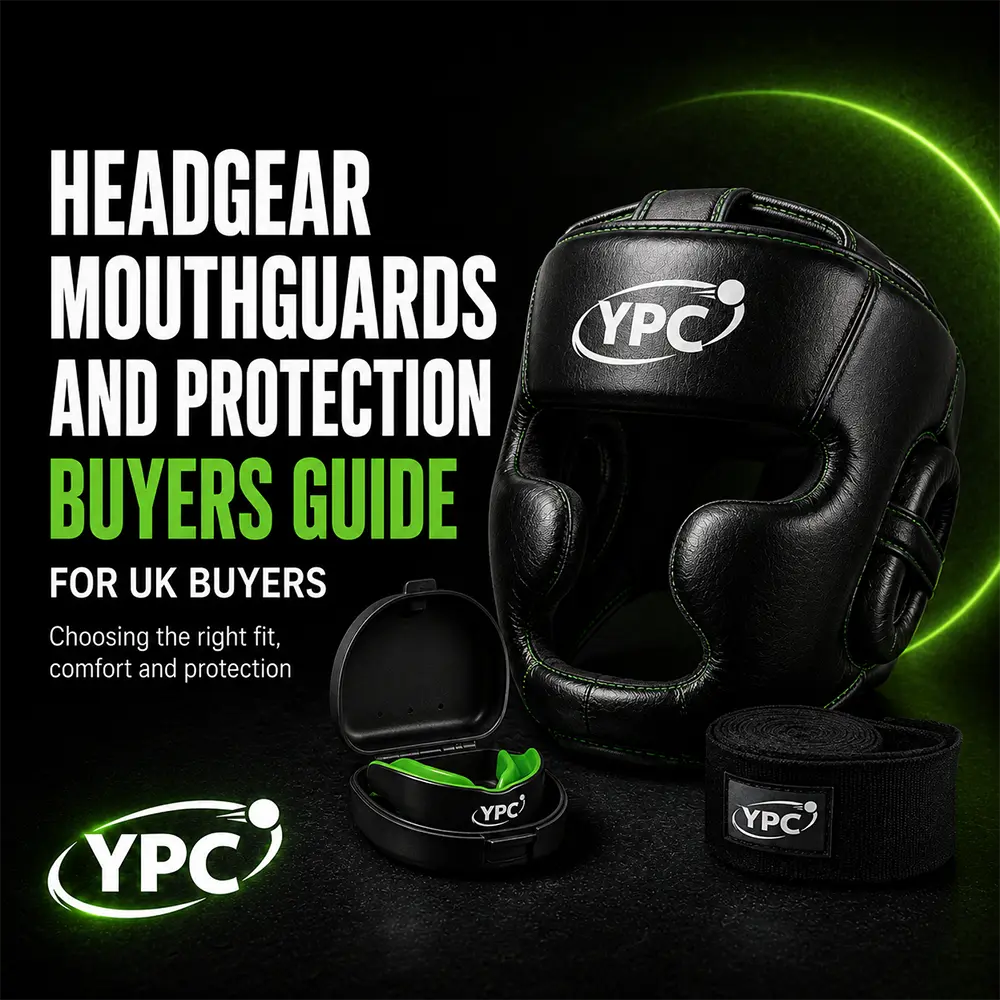
Headgear, mouthguards and protective equipment are wearable items used in boxing and other combat sports training environments. This Buyers Guide explains how different types of protective gear vary in coverage, fit, materials and intended training context. It is designed to help you compare options clearly while keeping safety, comfort and suitability at the forefront.
Quick Product Comparison Framework
| Feature area | How options differ |
|---|---|
| Protection type | Headgear, mouthguards, ear protection |
| Coverage area | Partial facial coverage to fuller head coverage |
| Fit system | Fixed shaping or adjustable strap systems |
| Padding style | Softer cushioning versus firmer padding |
| Materials | Synthetic, composite or layered constructions |
| Ventilation | Minimal openings to more breathable designs |
| Intended use | Training, sparring or general protective support |
Key Decision Criteria Explained
Coverage confidence
Different products provide different levels of physical coverage depending on design and purpose.
Fit stability
Secure fit helps equipment remain in place during movement. Adjustment systems vary by product type.
Comfort and wearability
Padding layout, lining materials and ventilation influence comfort during longer sessions.
Visibility and breathing comfort
Headgear designs differ in how open or enclosed they feel when worn.
Training context suitability
Some items are designed for structured partner work, while others suit lighter training routines.
Product Type Differentiation and Variants
Mouthguards
Worn inside the mouth to provide internal coverage during training routines.
Padded headgear
External head worn protection with varying coverage and padding layouts.
Ear protection styles
Designed to protect the ears during grappling or close contact sessions.
Hybrid protective items
Combine multiple coverage elements in a single wearable design.
Specifications vary — see individual product pages for details.
Suitability by Reader Type or Need
- Beginners often prioritise comfort, ease of adjustment and confidence in fit.
- Recreational users may focus on lightweight designs suitable for shorter sessions.
- Regular trainers often consider durability and ventilation for repeated use.
- Competitive participants may choose gear based on training structure and personal preference.
- Shared use environments often prioritise adjustability and hygiene considerations.
Common Mistakes and Misunderstandings
- Assuming one product type suits all training contexts.
- Over focusing on padding while overlooking fit stability.
- Expecting protective gear to eliminate injury risk.
- Ignoring comfort factors for longer sessions.
- Using shared equipment without considering hygiene requirements.
Safety and Suitability Caveats
Headgear, mouthguards and protective equipment are used in impact based training environments. Suitability depends on correct fit, comfort and intended use. No protective item prevents injury entirely. Always follow manufacturer guidance and training supervision requirements.
Maintenance Expectations and Lifespan Considerations
Wearable protective gear should be cleaned and aired after use. Lifespan depends on materials, construction quality and frequency of training. Padding compression, strap wear and material degradation may occur over time. Durability varies between products.
How to Compare Models Efficiently
Begin by identifying the type of protection required. Compare coverage and fit systems next. Then assess comfort, ventilation and material durability. This structured approach helps narrow options without focusing on a single feature in isolation.
Summary Buyer Decision Checklist
- Type of protection required
- Coverage confidence
- Fit and adjustability
- Comfort during movement
- Visibility and breathing comfort
- Hygiene and shared use considerations
- Frequency of training
- Budget alignment
Frequently Asked Questions
Is headgear required for all combat sports training?
Requirements vary by training environment. Always follow gym or coach guidance.
Are mouthguards available in different sizes or styles?
Yes. Designs vary in shaping and fit. Specifications vary — see individual product listings.
Does more padding mean more protection?
Padding feel varies by design. Suitability depends on intended training context.
Can protective gear be used at home?
Many people use it during home training, provided sessions are controlled and supervised appropriately.
How often should protective gear be replaced?
Replacement depends on wear, hygiene and usage frequency. Inspect regularly.
For products in this category, visit:
https://www.ypc.co.uk/product-category/diet-fitness-and-exercise-equipment/exercise-equipment/boxing-and-combat-sports/headgear-mouthguards-and-protection/