
Headgear Mouthguards and Protection
Headgear, mouthguards and protection products are designed to help support safer participation in sports, training and active routines where impact, contact or accidental knocks may occur. The right protective kit should fit correctly, suit the activity and match the level of protection listed for the product.
At YPC, you can browse headgear, mouthguards and protective equipment for martial arts, boxing, rugby, hockey, training sessions, gym work, sparring, school sport and general active use where suitable. This category helps you compare fit, size, coverage, materials, comfort, fastening, ventilation, care needs and listed protection features before choosing.
For guidance on comparing protective gear types, coverage options and suitability for different combat sports training environments, see our Headgear Mouthguards and Protection Buyers Guide.
- Headgear Mouthguards and Protection
Musivon Mouth Guard for Adults and Juniors, All Contact Sports Gum Shield
£12.99 *View On Amazon* - Headgear Mouthguards and Protection
SAWANS Boxing Headguard with Ear, Cheek and Forehead Protection
£26.99 *View On Amazon* - Headgear Mouthguards and Protection
GOTCHAKART Black Boxing Headguard, Size S
£22.99 *View On Amazon* - Headgear Mouthguards and Protection
Soft Padded Rugby Headguard for Youth Kids, Black
Original price was: £14.99.£13.49Current price is: £13.49. *View On Amazon* - Headgear Mouthguards and Protection
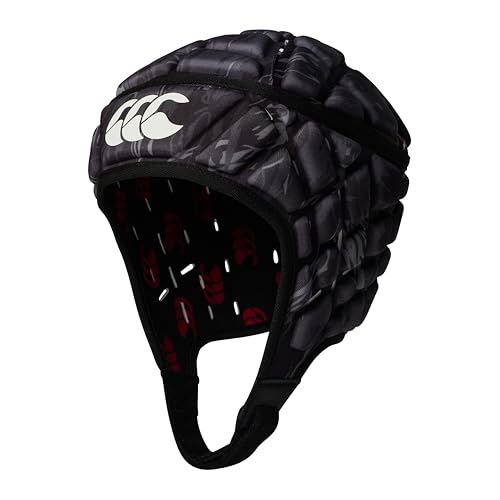
Canterbury Force Raze Adult Unisex Headguard, Black/Grey Camo, XXS
£28.85 *View On Amazon* - Headgear Mouthguards and Protection
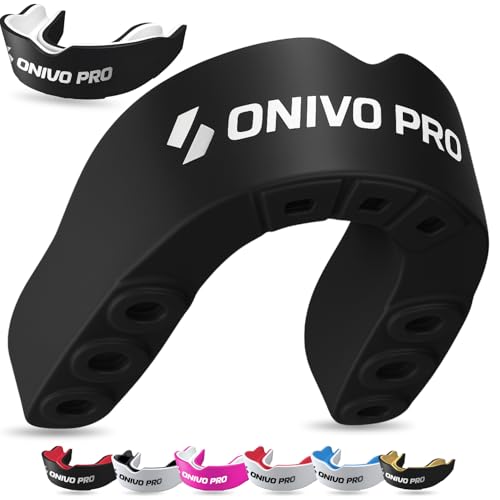
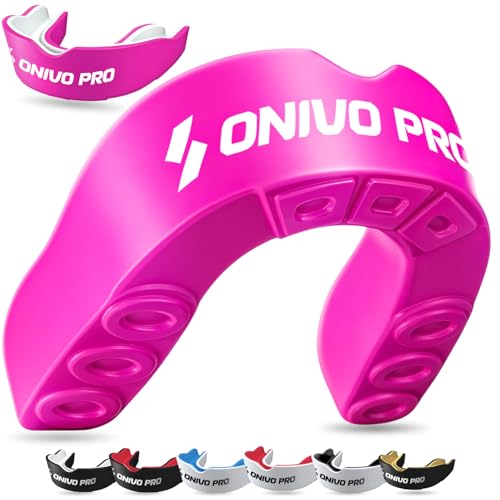
Dual Layer Sports Mouth Guard for Adults and Kids 11+ with Case
Original price was: £6.95.£6.05Current price is: £6.05. *View On Amazon* - Headgear Mouthguards and Protection
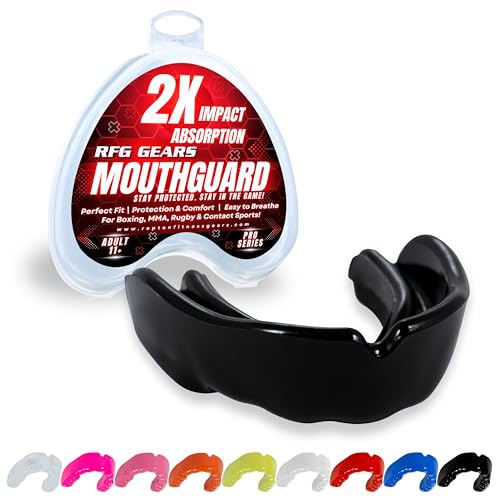
Dual Layer Sports Mouth Guard with Case for Adults and Kids 11+
Original price was: £7.25.£6.25Current price is: £6.25. *View On Amazon* - Headgear Mouthguards and Protection
Dual Layer Sports Mouth Guard with Case for Adults and Kids 11+
Original price was: £7.25.£5.99Current price is: £5.99. *View On Amazon* - Headgear Mouthguards and Protection
Topeter Protective Soft Shell Headgear with Reflective Strips
£23.99 *View On Amazon* - Headgear Mouthguards and Protection
OPRO Official UFC Fighter Collection Tom Aspinall Mouthguard
£34.99 *View On Amazon* - Headgear Mouthguards and Protection
Oxen Pro Adults Rugby Headguard, Red, Size L
£36.99 *View On Amazon* - Headgear Mouthguards and Protection
SAFEJAWZ Union Jack Adult Dual Layer Mouth Guard with Case
£14.99 *View On Amazon* - Headgear Mouthguards and Protection
WFX Boxing Headguard Adjustable MMA and Martial Arts Headgear Size L
£27.95 *View On Amazon* - Headgear Mouthguards and Protection
Mytra Fusion Boxing Headguard with Cheek and Ear Protection, Black
£29.99 *View On Amazon* - Headgear Mouthguards and Protection
Adult Sports Mouthguard with Case, Customisable Gum Shield
£6.99 *View On Amazon* - Headgear Mouthguards and Protection
Canterbury Raze Rugby Headguard, Bright White/Deep Mint, M
Original price was: £38.98.£36.48Current price is: £36.48. *View On Amazon* - Headgear Mouthguards and Protection
Canterbury Uglies Raze Headguards Green XL
Original price was: £45.00.£36.48Current price is: £36.48. *View On Amazon* - Headgear Mouthguards and Protection
Canterbury Force Raze Adult Unisex Headguard, Black-Grey Camo, S
£36.89 *View On Amazon* - Headgear Mouthguards and Protection
Rugby Scrum Cap Padded Headguard – Medium
£29.99 *View On Amazon* - Headgear Mouthguards and Protection
Canterbury Adult Unisex Raze Headguard, Flouro Pink/White, S
£36.89 *View On Amazon* - Headgear Mouthguards and Protection
Taekwondo Sparring Protective Gear Set, Red, Size M
£228.29 *View On Amazon* - Headgear Mouthguards and Protection
G-Boxing Cuban Face Saver Headgear, Silver/Black L/XL
£169.99 *View On Amazon* - Headgear Mouthguards and Protection
Adult and Junior Slim Fit Mouthguard with Case, Black
£5.99 *View On Amazon*




What Are Headgear Mouthguards And Protection Products?
Headgear, mouthguards and protection products are sports safety accessories designed to help protect vulnerable areas of the body during training or play. Depending on the products listed, this category may include head guards, gum shields, mouthguards, groin guards, chest protectors, shin guards, padded guards, hand protection and other protective accessories.
These products are commonly used in contact sports, combat sports, team sports, school sport and fitness training where additional protection is useful.
Because every product is designed differently, always check the individual listing for intended use, sizing, fit guidance, materials and care instructions before buying.
What Are Headgear Mouthguards And Protection Products Used For?
Headgear, mouthguards and protective equipment are used to help reduce the risk of some knocks, cuts, bruises, dental injuries and impact related discomfort depending on the product and activity.
Mouthguards are commonly used to help protect teeth, gums and the mouth during sports where contact or falls may happen. Headgear may help provide padding and coverage in suitable training settings where listed.
Other protective items may support areas such as the groin, chest, shins, hands or face depending on the product type. Protective kit should always be used alongside correct technique, rules, supervision and sensible training.
How To Choose The Right Protection
Start by identifying the sport or activity. Boxing, martial arts, rugby, hockey, football, cricket, school sport and gym training can all require different types of protection.
Next, check fit and size carefully. Protective equipment that is too loose may move during use, while equipment that is too tight can become uncomfortable or distracting.
Also check whether the product is suitable for training, competition, sparring, casual use or junior use where listed. Some sports and clubs may require specific approved equipment, so check rules before buying.
Key Features To Compare
When comparing headgear, mouthguards and protection, look at size, fit, coverage, padding, fastening style, material, ventilation, weight, comfort, adjustability, care instructions and listed safety information.
For headgear, coverage around the forehead, cheeks, ears, chin and back of the head may vary depending on the design. For mouthguards, shape, moulding method, thickness and breathing comfort can all matter.
For body protection, check where the product is designed to protect and whether it suits the sport, age group and training level.
Headgear Compared With Other Protective Equipment
Headgear is worn around the head and is usually chosen for activities where padding and coverage may be useful during training or contact. It may help reduce some surface impacts, rubbing or cuts where suitable, depending on the product.
Other protective equipment is designed for different body areas, such as mouthguards for teeth, shin guards for lower legs or groin guards for sensitive areas.
Headgear is only one part of a protective setup. It should not be treated as a complete safety solution or a replacement for correct coaching, rules and supervision.
Mouthguards Compared With Face Protection
Mouthguards, also called gum shields, are worn inside the mouth to help protect teeth, gums and soft tissue during suitable sports. They are often used in rugby, hockey, boxing, martial arts and other contact activities.
Face protection may include guards, cages or shields depending on the sport and product. These are designed to protect different areas and are not a replacement for a mouthguard unless clearly stated.
If dental protection is required, choose a mouthguard suitable for the activity and follow fitting instructions carefully.
Boil And Bite Mouthguards Compared With Ready Made Mouthguards
Boil and bite mouthguards are softened in hot water and then shaped around the teeth according to the product instructions. They can offer a more personal fit than some ready made options where fitted correctly.
Ready made mouthguards are designed to be worn without moulding. They may be quicker to use, but fit and comfort can vary depending on mouth shape and product design.
The right choice depends on comfort, fit and the activity. For regular sport, a secure fit is especially important.
Adult Protection Compared With Junior Protection
Adult protective equipment is usually sized for older users and larger body shapes. Junior protection is designed for children or younger players where listed.
It is important not to guess sizing only by age. Height, build, mouth size and sport requirements can all affect fit.
For children’s sport, check club, school or governing body requirements before buying. Protective kit should be comfortable enough that the child will wear it correctly.
Training Protection Compared With Competition Protection
Training protection is often used during practice, drills, sparring, gym work or coaching sessions. It may focus on comfort, repeated use and suitable padding where listed.
Competition protection may need to meet specific rules, colours, approvals or size requirements depending on the sport. Not every training product is suitable for official competition.
If you are buying for organised sport, check the rules before choosing. Product listings should also be checked carefully for intended use.
Contact Sport Protection Compared With General Fitness Protection
Contact sport protection is designed for activities where knocks, tackles, strikes or collisions may occur. Fit, coverage and sport suitability are important.
General fitness protection may include lighter padding, support accessories or protective items for gym routines where suitable. These may not be appropriate for full contact use.
Choose based on the actual activity rather than the product name alone. Protection for one sport may not suit another.
Beginner, Regular Player And Experienced Buyer Guidance
If you are buying protective kit for the first time, focus on correct fit, simple use and the rules of the sport. A basic but well fitting product is usually more useful than a complicated product that is uncomfortable.
Regular players may want to compare durability, hygiene, comfort, breathability, fastening security and how well the equipment stays in place during movement.
Experienced buyers may look more closely at padding layout, sport specific rules, replacement timing, fit adjustment, materials and how the item works with other kit.
Use Cases By Sport And Activity
For boxing and martial arts, headgear, mouthguards and groin protection may be useful depending on the training type and club requirements.
For rugby and hockey, mouthguards are commonly used where required or recommended by the sport setting. Headgear or body protection may also be used depending on position, preference and rules.
For cricket, face, head and body protection may be important depending on role and level. Always choose products intended for the sport.
For school sport, check the school or club guidance before buying protective equipment for children.
Fit, Sizing And Comfort
Fit is one of the most important parts of protective equipment. A mouthguard should stay in place comfortably and not make breathing or speaking unnecessarily difficult.
Headgear should sit securely without blocking vision, pressing painfully or moving around during activity. Straps should be adjusted according to the product instructions.
Body protection should cover the intended area without restricting movement. If protection is uncomfortable, it may be worn incorrectly or avoided, which reduces its usefulness.
Mouthguard Fit And Dental Protection
A mouthguard should fit securely around the teeth and gums according to the product design. It should not feel loose, sharp, bulky or difficult to keep in place.
Some mouthguards may be suitable for braces where clearly listed, but not all are. If braces, dental work or dental concerns are involved, seek advice from a dentist or suitable professional before use.
Mouthguards should be replaced if they become damaged, badly worn, misshapen or unhygienic.
Headgear Fit, Vision And Coverage
Headgear should provide the coverage listed by the product while allowing clear vision and natural movement. Poor visibility can affect safety and performance.
Check whether the headgear covers the cheeks, chin, ears, forehead or back of the head where listed. More coverage may feel more protective, but it may also feel warmer or bulkier depending on the product.
The best fit is secure and comfortable. It should not slide, twist or need constant adjustment during training.
Padding, Materials And Ventilation
Padding helps absorb some impact and improve comfort where suitable. The amount, placement and density of padding can vary between products.
Materials may include foam, synthetic leather, fabric, rubber, plastic, gel or mouldable materials depending on the product type. These affect comfort, durability, cleaning and feel.
Ventilation matters for headgear and body protection because protective kit can become warm during training. Breathable panels or open designs may improve comfort where listed.
Fastenings, Straps And Adjustability
Fastenings help keep protective equipment in place. Products may use hook and loop straps, buckles, elastic, laces, clips or moulded fits depending on the design.
Adjustability can help improve comfort, especially with headgear and body guards. However, straps should not be over tightened in a way that causes pain or restricts movement.
Check fastenings regularly. Worn straps, weak closures or damaged buckles can affect safety and fit.
Compatibility With Other Sports Kit
Protective equipment should work with the rest of your kit. Headgear may need to fit with gloves, guards, uniforms or sport specific clothing. Mouthguards need to feel comfortable with breathing and communication.
Body protection should not interfere with movement, footwear, shin guards, gloves or clothing. In some sports, kit must be worn in a particular way to meet rules.
If you use several protective items together, test the full setup before training or competition.
Hygiene, Cleaning And Personal Use
Mouthguards and protective kit should be cleaned and stored properly. Mouthguards are personal items and should not be shared.
Follow the care instructions shown on the product label or listing. Rinse and dry mouthguards as directed, and store them in a suitable case where included.
Headgear and body protection can collect sweat and odours. Wipe or air dry items after use where suitable and avoid storing damp kit in a closed bag for long periods.
Replacement And Wear Checks
Protective equipment does not last forever. Mouthguards can become worn, chewed, split or misshapen. Headgear can lose padding shape, stitching strength or strap security over time.
Check protection before each use. Look for cracks, tears, loose parts, damaged straps, compressed padding, sharp edges or poor fit.
Replace equipment when it is damaged, outgrown, uncomfortable or no longer fits correctly.
Safety And Practical Use Considerations
Protective equipment can help reduce some risks, but it cannot remove all risk of injury. It should never be used as a reason to train recklessly or ignore rules.
Headgear should not be relied on to prevent concussion or serious head injury. Mouthguards reduce the risk of some dental injuries, but they do not make contact sport risk free.
Use protective kit alongside coaching, supervision, suitable rules, warm ups, correct technique and safe training habits.
Sport Rules And Club Requirements
Many sports have rules about protective equipment, especially for competitions, clubs, schools and organised events. Requirements may include approved designs, colours, sizes or specific protection types.
Before buying for a club, league or school, check what is allowed and required. A product that is fine for training may not be accepted for competition.
If in doubt, ask the coach, club organiser or school before purchasing.
Protective Kit For Children And Young Players
Children’s protective equipment should fit properly and suit the sport. Oversized kit may move around, while undersized kit may be uncomfortable or provide poor coverage.
Young players should be shown how to wear and remove protective kit correctly. Adults should check fit regularly, especially as children grow.
For school or club sport, follow the organiser’s guidance and replace outgrown or damaged items promptly.
Protective Kit For Home Training
For home training, pull up bars, exercise equipment, punch bags or martial arts drills may still require appropriate protection where suitable.
Mouthguards and headgear may be relevant for partner drills or supervised training, but they should not encourage unsafe activity at home.
Make sure the training area is clear, the equipment is suitable and users understand safe technique.
Storage And Kit Organisation
Store headgear, mouthguards and protective equipment clean and dry. A dedicated kit bag, storage box or ventilated area can help keep items organised.
Mouthguards should be stored in a clean case where included or suitable. Avoid placing them loose in bags with dirty clothing, footwear or hard objects.
Keeping protection with other sport kit makes it easier to remember before training, matches or travel.
Useful Accessories To Consider
Headgear, mouthguards and protection work well with other sports and fitness accessories. Depending on the activity, useful items may include gloves, hand wraps, shin guards, groin guards, sports bags, towels, water bottles, exercise mats and cleaning sprays where suitable.
For mouthguards, a case can help with hygiene and storage. For headgear, a ventilated kit bag can help reduce damp storage after use.
Choose accessories based on the sport, rules and training routine rather than buying items that are not needed.
Why Buy From YPC?
At YPC, we understand active lifestyles and the need for practical products that work in real use. Headgear, mouthguards and protection should fit correctly, suit the activity and support safer training habits when used as directed.
This category helps you compare size, fit, coverage, padding, materials, fastenings, comfort, hygiene, sport suitability and listed safety guidance without overcomplicating the choice. Browse the headgear, mouthguards and protection at YPC, compare the available options and choose the protective kit that suits your sport, training routine or active lifestyle.
FAQs
What are headgear, mouthguards and protection used for?
They are used to help protect vulnerable areas during sport, training and contact activities. Products may include headgear, mouthguards, body guards and other protective equipment depending on the listing.
Do I need a mouthguard for contact sport?
Many contact sports require or strongly recommend mouthguards. Check your club, school or sport rules before buying and choose a product suitable for the activity.
How should a mouthguard fit?
A mouthguard should sit securely around the teeth and gums without feeling loose, sharp or uncomfortable. Follow the fitting instructions carefully, especially for boil and bite designs.
Does headgear prevent concussion?
Headgear should not be relied on to prevent concussion or serious injury. It may help with some surface impacts, cuts or padding needs where suitable, but safe technique and rules remain essential.
Can children use adult protective equipment?
Children should use correctly sized junior equipment where suitable. Adult protection may be too large, uncomfortable or unstable for younger users.
How do I clean a mouthguard?
Follow the product instructions. Many mouthguards should be rinsed after use, allowed to dry and stored in a clean case where included.
When should protective equipment be replaced?
Replace protective equipment if it is damaged, worn, misshapen, outgrown, unhygienic or no longer fits securely. Check straps, padding and mouthguards regularly.
Can I use the same protection for every sport?
Not always. Different sports may require different protection types and rules. Check the product listing and your sport requirements before using protective equipment.
 Getting ready for Summer? View our Home and Garden Products

Heading outdoors this winter? Take a look at our Outdoor Clothing.