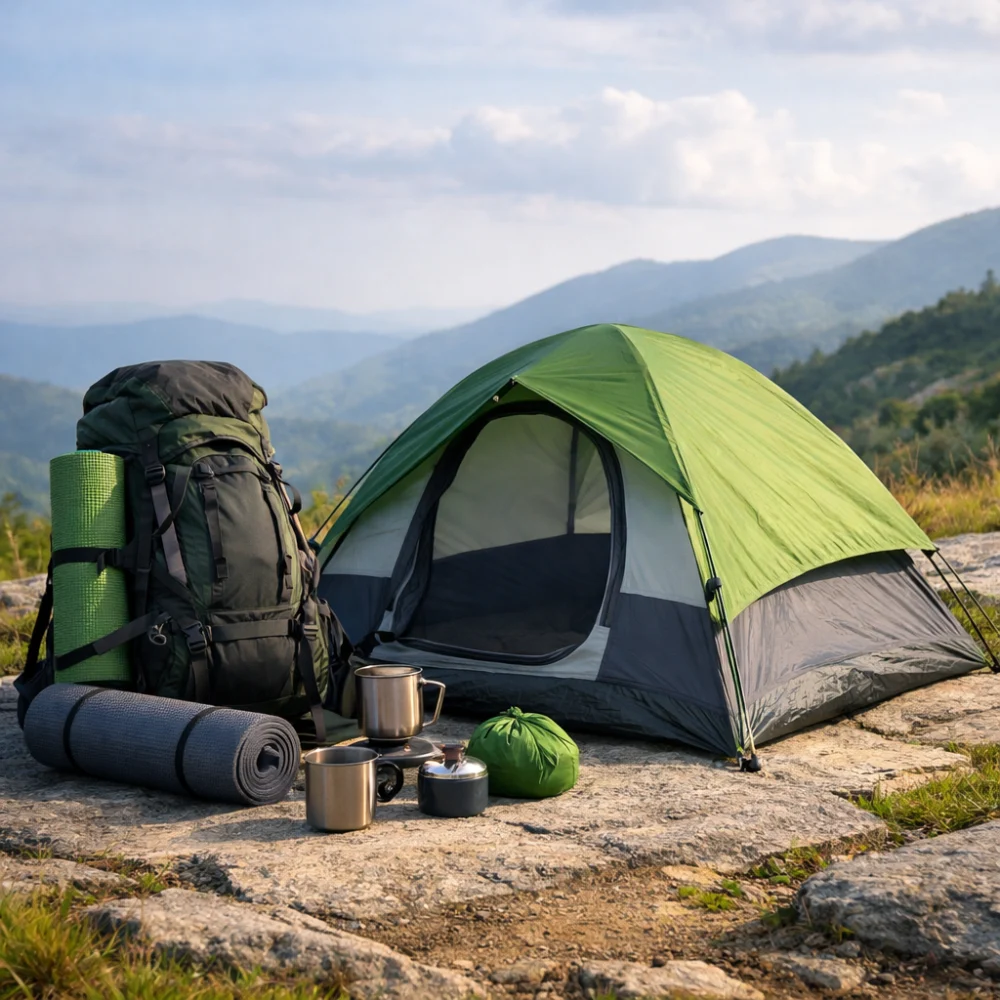
Choosing a hiking and backpacking tent is mostly about balancing carry weight, comfort and weather protection. The right tent for a short overnight walk may be very different from the right tent for a longer trip with changing conditions.
This guide is for buyers who want help narrowing down the options before opening product pages. It explains the main trade-offs in plain English and highlights what to check on each listing. Specifications vary by model, so always check the individual product page before buying.
It also helps separate hiking and backpacking tents from other tent types such as family tents, festival tents or vehicle tents, so you can focus on the style that suits your trip.
Quick Answer
Choose a hiking and backpacking tent by starting with how you will carry it, who will use it and what conditions you expect. Lightweight tents are easier to transport, but you may be trading away internal space or extra room for gear. Check the tent’s capacity, packed size, pitching style and any weather-related details on the product page, then decide whether comfort or carry weight matters more for your trips.
Quick Product Comparison Framework
| Feature | What It Means | Why It Matters | What To Check |
|---|---|---|---|
| Weight | How heavy the tent is to carry | Affects comfort on the move, especially on longer walks | Look for the listed weight and think about how far you will carry it |
| Packed size | How much space it takes in a rucksack | Important when pack space is limited | Check the packed dimensions and whether it will fit your bag |
| Capacity | How many people the tent is intended to sleep | Helps you judge sleeping space, but not all capacities feel equally roomy | Compare the stated capacity with how much space you prefer |
| Pitching style | How the tent is set up | A simpler pitch can be easier after a long day | Read the product description for the setup style |
| Weather suitability | How the tent is described for different conditions | Important if you expect wind, rain or cooler nights | Check the model description for season or weather guidance |
| Space for gear | Extra room for boots, bags or wet kit | Useful on longer trips and in poor weather | Look for vestibules, porch space or other storage areas if listed |
| Door and access layout | How you get in and out | Can affect convenience for couples or shared use | Check the number and placement of doors where stated |
| Materials and construction details | General build and fabric information | These influence overall suitability and durability expectations | Review the product page carefully, since details vary by model |
Key Decision Criteria Explained
Weight and carrying comfort
Weight is one of the main reasons people choose a hiking and backpacking tent over a bulkier camping tent. A lighter tent is usually easier to carry, especially if you are walking for several hours or covering multiple days. The trade-off is that lower weight can sometimes mean less internal space or fewer extras.
Check the listed weight against the type of trip you plan to do, and remember that a tent which feels light in a shop may feel different once it is in your pack with other gear.
Packed size
Packed size matters because it affects how neatly the tent fits into your backpack. A compact tent can be easier to organise around sleeping gear, food and clothing. If space is tight, this may matter just as much as the headline weight.
Look for packed dimensions or notes about how the tent stores, especially if you already know your rucksack has limited room.
Capacity and real sleeping space
Capacity tells you how many people the tent is intended for, but it does not always describe comfort on its own. Some buyers prefer a tent with room to spare, while others are happy to prioritise a smaller, lighter shelter.
If you are sharing, consider whether you also need space for bags inside the tent or in an external storage area.
Pole structure and pitching style
The way a tent is pitched affects how easy it is to use. Some buyers want a simple setup that feels manageable after a long walk, while others are happy to accept a slightly more involved pitch if it brings advantages elsewhere.
Specifications vary by model, so always check the individual product page before buying.
Weather and season suitability
Backpacking trips can involve changing conditions, so buyers often look for tents described as suitable for a range of weather. What matters most is how the tent is presented for the kind of use you expect, not just a headline label.
Check the individual product page for the manufacturer’s own description of conditions and features.
Space for gear and comfort
Extra storage space can make a tent much easier to live with, especially on longer trips or in wet weather. A small porch or vestibule can help keep bags, boots or damp items separate from sleeping space.
The trade-off is that more room can sometimes mean more weight or a larger packed size.
Product Type Differentiation and Variants
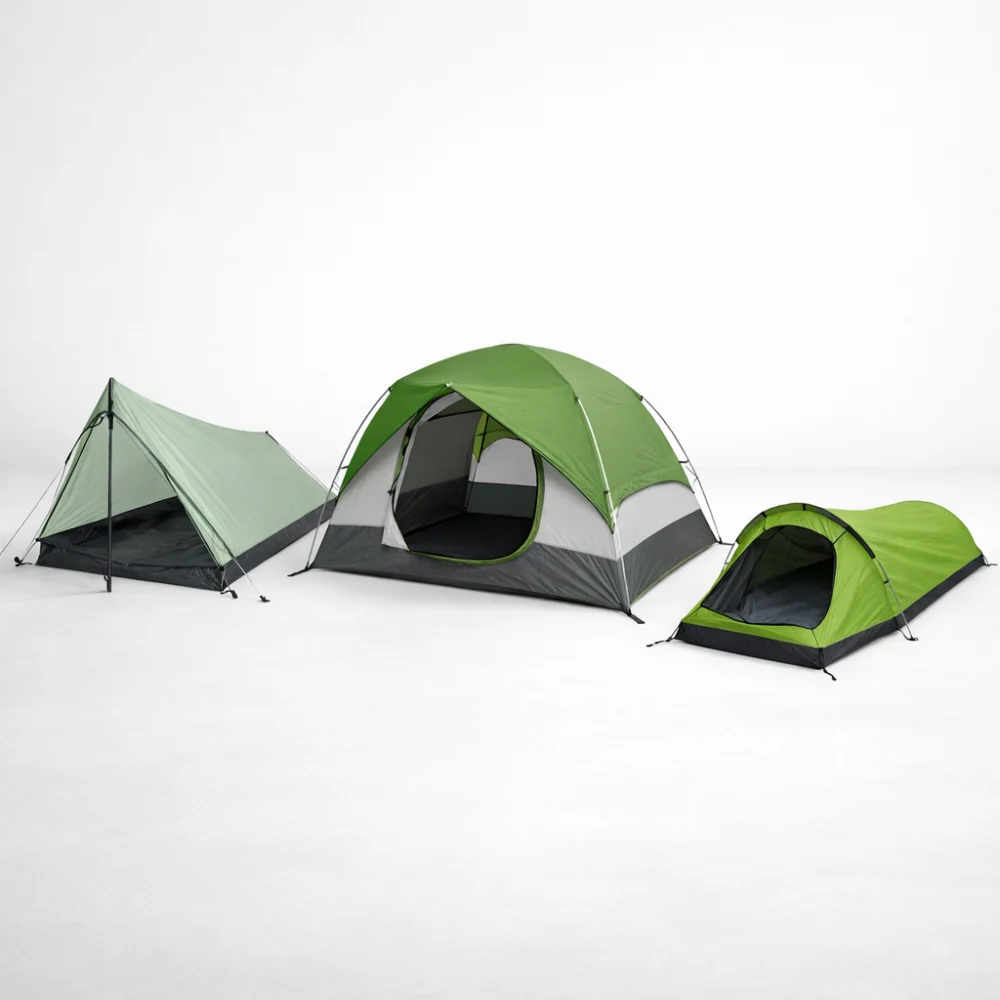
Hiking and backpacking tents are usually chosen for portability, but there can still be meaningful differences in how they feel to use. The best option depends on whether you want the lightest possible carry, more usable space, or a balance between the two.
Ultralight-style tents may suit buyers who value low carry weight above most other factors. The main limitation is that they can ask more of the buyer in terms of space, simplicity or comfort trade-offs.
One-person tents often suit solo walkers who want to keep weight and pack size down. The main limitation is that they may feel restrictive if you want room for kit inside the shelter.
Two-person tents are popular with couples or solo buyers who want more space. The main limitation is that a tent for two may be heavier or bulkier than a solo option.
Three-person and larger backpacking tents can suit buyers who want extra room or are sharing with more than one person. The main limitation is that they are less likely to be the lightest choice.
Specifications vary by model, so always check the individual product page before buying.
Suitability By Buyer Type Or Need
| Buyer type or need | What tends to matter most | What to lean towards |
|---|---|---|
| First-time buyer | Ease of understanding and straightforward use | A tent with clear product details, manageable setup and sensible packing size |
| Solo walker | Low weight and compact carry | A one-person or compact model if space needs are modest |
| Couple sharing a tent | Enough room without excessive bulk | A two-person model with enough space to feel comfortable |
| Buyer carrying gear in the tent area | Storage space and practical layout | Look for extra room or external storage areas if listed |
| Buyer focused on lighter packing | Weight and packed size | Prioritise portability, then check whether comfort is still acceptable |
| Buyer wanting easier evenings at camp | Simple pitching and practical access | Choose a tent with a setup style that suits your experience level |
Common Mistakes And Misunderstandings
Assuming the smallest tent is always the right choice. A very compact tent may be easier to carry, but it can also feel cramped. A slightly larger tent may be a better fit if you want comfort as well as portability.
Focusing only on capacity. A stated capacity does not always reflect how spacious the tent will feel once bags and wet gear are included. Check the full description rather than relying on the number alone.
Overlooking packed size. A tent can be light enough on paper but still awkward in a backpack. Make sure it fits the way you plan to travel.
Ignoring setup style. If a tent is awkward to pitch, it can become frustrating after a long day. Choose a style that matches your patience and experience.
Mixing up backpacking tents with other tent categories. Hiking and backpacking tents are chosen mainly for portability. Family tents, festival tents and vehicle tents serve different purposes and should not be treated as direct substitutes.
Safety And Suitability Caveats
Choose a tent that suits the people using it and the kind of trip you are planning. For shared or family use, think about space, ease of handling and whether everyone can use the tent comfortably.
Use the tent only as intended, and check the product page for model-specific guidance. If a tent will be used by children or beginners, make sure the size and setup are manageable for them. Also consider the space where you plan to pitch it, since comfort and practicality matter as much as weight.
Maintenance, Storage And Lifespan Considerations
General care can help a hiking and backpacking tent last longer. Storing it clean and dry, keeping poles and accessories together, and handling it with reasonable care all help reduce unnecessary wear.
Foam or fabric wear is not relevant here, but tent fabrics, seams and poles may all age differently depending on use. Rough handling, repeated packing and frequent exposure to difficult conditions can shorten lifespan. Specifications vary by model, so always check the individual product page before buying if care guidance is important to you.
How To Compare Models Efficiently
- Decide who will use the tent and how many people need space.
- Check the weight and packed size against how far you plan to carry it.
- Compare the stated capacity with the amount of comfort you want.
- Look at setup style and access layout to judge ease of use.
- Check whether there is extra space for gear if that matters to you.
- Read the individual product page carefully before buying, because specifications vary by model.
Summary Buyer Decision Checklist
- Does the weight suit your type of trip?
- Will the packed size fit your backpack?
- Is the capacity right for the number of users?
- Do you want extra space for gear?
- Does the setup style suit your experience level?
- Have you checked the product page for model-specific details?
- Is this a hiking and backpacking tent rather than a family, festival or vehicle tent?
Frequently Asked Questions
What type of hiking tent is best for a beginner?
A beginner usually benefits from a tent with clear product information, manageable setup and a sensible balance between weight and comfort. The easiest choice is often the one that feels straightforward to carry and live with, rather than the lightest possible option.
Are lighter tents always better?
Not necessarily. A lighter tent is easier to carry, but it may involve trade-offs in space, comfort or convenience. The best choice depends on how far you walk, how much kit you carry and how much room you want at camp.
Should I buy a one-person or two-person tent?
Choose based on how much room you want as well as how many people will use it. A one-person tent can be more compact, while a two-person tent may feel more comfortable if you want extra space for kit or a less enclosed feel.
Do I need to worry about packed size?
Yes, because packed size affects how easy the tent is to carry and store in your bag. A tent that is too bulky can be inconvenient even if the weight seems acceptable.
What matters more, weight or space?
That depends on your trip. If you are covering long distances, weight may matter more. If you want a more comfortable base for nights away, space may be the better priority.
How do I know if a tent will suit my trip?
Start with the basics: who will use it, how long you will carry it and what conditions you expect. Then check the product page for the tent’s listed capacity, packed size and any model-specific notes.
Are backpacking tents the same as family tents?
No. Backpacking tents are chosen mainly for portability and compact carry, while family tents are usually designed with different priorities. They can both be useful, but they are not direct substitutes.
What should I check before buying online?
Check the weight, packed size, capacity, setup style and any details that affect comfort or weather suitability. If a specification matters to your decision, confirm it on the individual product page before you buy.
For products in this category, visit: Hiking and Backpacking Tents