Quick Answer
Choose a pop up tent if you want fast setup, straightforward use and a shelter that is easy to carry for short trips or casual outdoor days. The main decision is not just size, but how you will use it: beach shade, light camping, children’s play, changing, privacy or simple weather cover. Look closely at the intended use, packed size, shelter shape and any product page details that affect comfort and convenience. Specifications vary by model, so always check the individual product page before buying.
Quick Product Comparison Framework
| Feature | What It Means | Why It Matters | What To Check |
|---|---|---|---|
| Intended use | What the tent is designed to do | A beach shelter and a camping tent may feel very different in use | Whether it is for beach shade, camping, privacy, children, or general outdoor cover |
| Size and space | How much usable room the tent offers | Affects comfort, headroom and whether people or kit fit inside | Stated dimensions and whether the layout suits one person, a couple or a family |
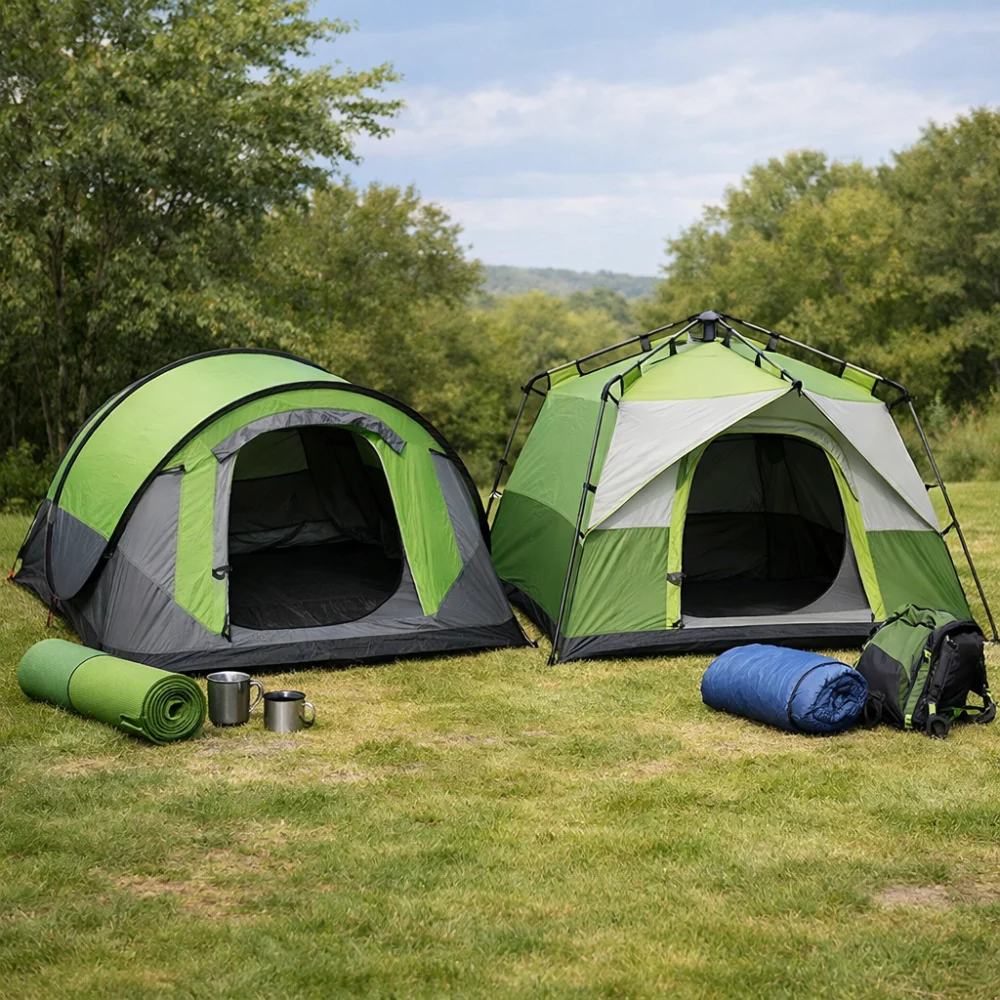
| Setup style | How the tent opens and takes shape | Pop up tents are chosen for convenience, but ease can vary | Whether it is instant, fast pitch or self unfolding, based on the product page description |
| Portability | How easy it is to carry and pack away | Important for day trips, festivals and family outings | Packed size, carry bag mention and whether you will transport it by hand or in a car |
| Weather focus | The kind of outdoor conditions it is meant to handle | Different models suit sun shade, light rain shelter or mixed use | Product page wording about water resistance, shade, wind or UV protection where stated |
| Ventilation | How much air can move through the tent | Helps with comfort in warmer conditions | Windows, mesh panels, openings or other ventilation details listed for the model |
| Privacy and coverage | How enclosed the tent feels | Useful for changing, resting or using the tent as a screen | Door style, panel layout and whether the design is open, semi-open or enclosed |
| Setup and pack down ease | How simple it is to put away again | Some buyers focus on opening the tent and overlook packing it back down | Any notes about folding method, carry bag and user guidance on the product page |
| Accessories | Extra items supplied with the tent | Can affect convenience but should not be assumed | Whether pegs, guy lines, carry case or other items are included, if listed |
Key Decision Criteria Explained
Size and usable space
Size is often the first thing buyers look at, but it is worth thinking about how the space will actually be used. A tent that sounds large on paper may still feel snug once bags, shoes or a changing area are included. If you want extra comfort, choose a design with a little more room than your minimum need.
Setup convenience
Pop up tents are bought for speed and simplicity, but not every model behaves the same way. Some are aimed at instant use, while others are better described as fast pitch or self unfolding. If you value a low-effort start to the day, check how the product page describes setup and pack down.
Portability and packed size
Many buyers underestimate how often they will carry the tent rather than use it. A tent that is easy to open but awkward to transport may not suit beach days, festivals or family outings. If you plan to move it often, check the packed size and whether a carry bag is included.
Weather and shelter purpose
Some pop up tents are mainly for shade and light cover, while others are better suited to broader camping use or privacy. The most useful choice depends on what you want the shelter to do most often. Read the product page carefully so you do not assume a beach shelter will behave like a full camping tent.
Ventilation and comfort
Ventilation matters when the tent will be used in warmer conditions or for longer periods. Open panels can help comfort, but they may reduce privacy or shelter from the elements. Buyers usually need to balance airflow against how enclosed they want the tent to feel.
Privacy, changing and family use
If you want a changing tent, toilet tent or a more private space, look for a design that is clearly described that way. Some pop up tents are open and airy, while others are more enclosed. The right choice depends on whether privacy or convenience matters more.
Product Type Differentiation and Variants
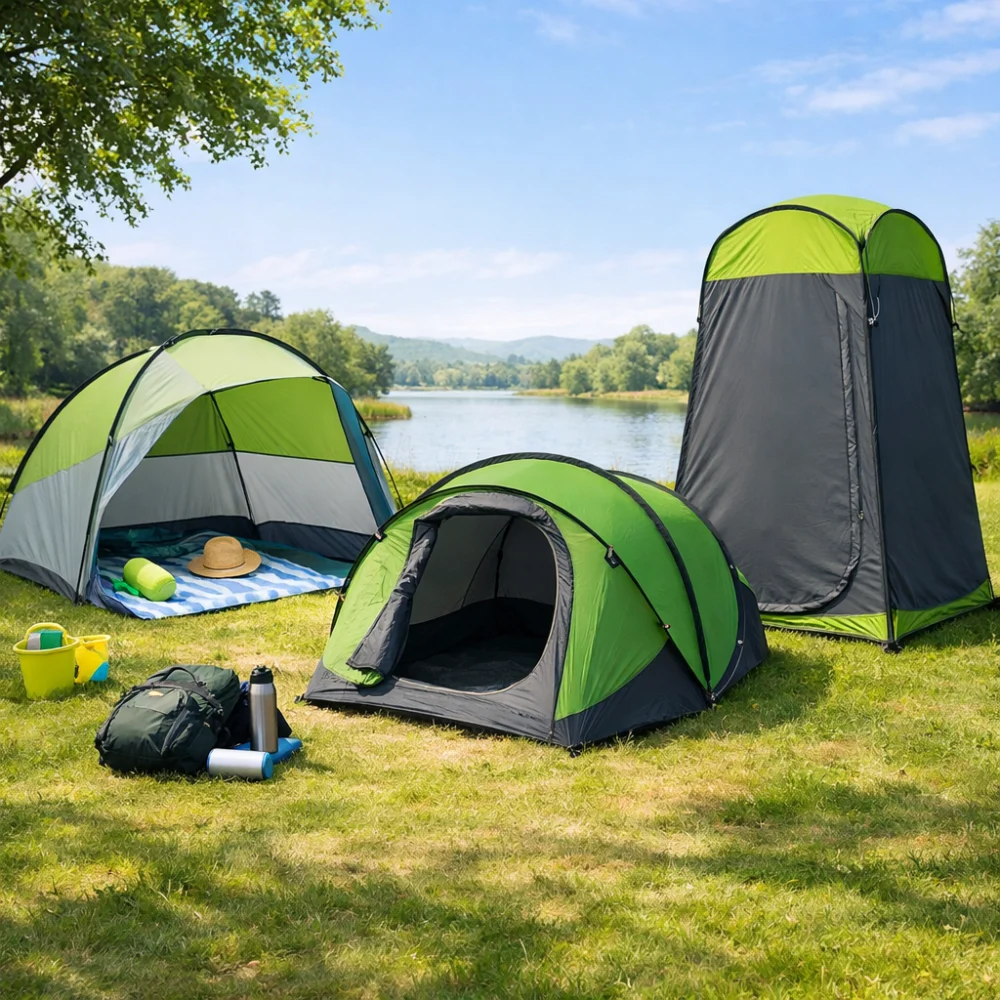
Pop up tents are used in a few different ways, and that is the main thing to compare.
Beach shelters
These are usually chosen for shade, wind protection and relaxed day use. They may suit buyers who want a simple shelter for the seaside or picnic use. The limitation is that they are not always intended to replace a full camping tent.
Light camping pop up tents
These are aimed at people who want quick setup for short camping trips or occasional overnight use. They may suit buyers who value convenience over a more involved tent structure. The trade off is that the easy pitch format may come with less space or fewer camping-focused features than other tent types.
Family and group shelters
These are designed to give more room and a more social layout. They may suit families, shared outings or people who want extra space for kit. The limitation is that larger shelters can be less compact when packed away.
Changing or privacy tents
These are intended for short-term private use rather than sleeping comfort. They may suit beach trips, festivals or outdoor events where a simple private space is helpful. The main limitation is that they are specialist shelters, not general camping tents.
Children’s pop up tents
These are often chosen for play, shade or family convenience. They may suit buyers who want a simple, low-fuss shelter for younger users. The key point is to match the product to the child’s use and the space available, rather than assuming all pop up tents work the same way.
Specifications vary by model, so always check the individual product page before buying.
Suitability By Buyer Type Or Need
| Buyer type or need | What to look for | Main reason |
|---|---|---|
| First time buyer | Simple setup, clear intended use, easy packing | Reduces the chance of buying a tent that is more awkward than expected |
| Beach day user | Shade-focused design, portability, ventilation | Comfort and ease of carrying matter more than heavy camping features |
| Family shopper | More usable space, privacy, easy access | Families often need room for people and belongings |
| Festival buyer | Quick setup, compact carry, practical cover | Convenience and transport are often the main priorities |
| Buyer needing privacy | More enclosed design, clear privacy use | A changing or screening tent should feel different from an open shelter |
| Short-stay camper | Simple pitch, comfort, suitable shelter type | Useful for trips where convenience matters as much as shelter |
| Buying for children | Easy handling, appropriate size, simple design | Helps make the tent practical for the intended user |
Common Mistakes And Misunderstandings
Assuming all pop up tents do the same job. Some are for shade, some for camping, and some are mainly for privacy. The fix is to start with the use case before comparing features.
Choosing by size alone. A bigger tent may sound safer, but it may also be harder to carry or store. Check whether the packed size and weight suit your plans as well as the sleeping or sitting space.
Forgetting about ventilation. A more enclosed tent can feel less comfortable in warm weather. Look for ventilation details if the tent will be used for longer periods or in summer.
Overlooking pack-down ease. Buyers often focus on the quick opening feature and forget that folding it away matters too. Make sure the product page gives you confidence that storage will be manageable.
Confusing privacy shelters with camping tents. A changing tent or beach screen is useful, but it is not the same as a full camping shelter. Check the category and product description so expectations stay realistic.
Safety And Suitability Caveats
Use the tent only as intended and choose a model that suits the people who will use it. If children will be involved, think about handling suitability and whether adult help may be needed for setup or pack away. Also consider where the tent will be used, since some spaces suit open shelters better than enclosed ones. Always check the individual product page before buying so you know what the model is meant for.
Maintenance, Storage And Lifespan Considerations
Pop up tents generally last longer when they are stored neatly and kept free from unnecessary wear. Foam is not relevant here, but fabrics and frames can still be affected by rough handling, repeated folding and storage in poor conditions. If a model uses accessories such as pegs or a carry bag, keeping them together makes the tent easier to use next time. Specifications vary by model, so always check the individual product page before buying, especially where materials or included items are concerned.
How To Compare Models Efficiently
- Decide what the tent is mainly for: shade, camping, privacy, play or general outdoor cover.
- Check the size against the people and items it needs to fit.
- Compare how easy it should be to carry, open and pack away.
- Look at ventilation and how enclosed the tent feels.
- Check the product page for any listed accessories or included extras.
- Read the individual product page before buying, especially because specifications vary by model.
Summary Buyer Decision Checklist
- Have I chosen the right tent type for the main use?
- Is the size suitable for the people and kit I need to fit inside?
- Will the packed size and carry method suit how I travel?
- Do I want more shade, more privacy, or more general shelter?
- Have I checked ventilation and how enclosed it feels?
- Have I read the product page for model-specific details and included items?
Frequently Asked Questions
What is a pop up tent best for?
A pop up tent is best for buyers who want a shelter that is quick to use and easy to take on short trips or casual outdoor days. It is often chosen for beach cover, light camping, privacy or simple family use. The best choice depends on the main job you want it to do.
Are pop up tents good for camping?
Some are suitable for light camping, while others are better as day shelters or beach tents. It depends on how the product is described and what level of shelter it is designed to provide. Check the product page carefully rather than assuming all pop up tents suit overnight use.
How do I know what size pop up tent to buy?
Think about how many people will use it and whether you need space for bags, changing or sleeping. It is usually sensible to allow a little extra room rather than choosing the tightest fit. Product dimensions and layout details on the page will help you judge that more accurately.
Do I need a beach shelter or a camping pop up tent?
If you mainly want shade and a simple day-use shelter, a beach-style model may be enough. If you want something for overnight use or more enclosed cover, look at camping-focused options instead. The right choice depends on the main setting, not just the shape.
What should parents check before buying a pop up tent?
Parents should check size, how easy it is to use, and whether the design suits the child or family situation. It is also worth checking whether the tent is more open or enclosed, depending on the intended use. If younger children will be involved, adult help may be appropriate for setup and pack away.
Are pop up tents hard to put away?
They are usually bought for convenience, but pack away can still vary from model to model. A quick-opening tent is not always equally quick to fold. If that matters to you, look for clearer product page details about storage and carrying.
What features matter most in a pop up tent?
The most important features are usually intended use, size, portability, ventilation and how enclosed the tent feels. Accessories and special claims matter less if they do not match your actual plans. A simple, well-matched tent is often more useful than one with extra features you will not use.
Can one pop up tent suit every trip?
Not usually. A beach shelter, privacy tent and camping tent can all be pop up styles, but they are not the same kind of purchase. It is better to choose the version that fits the trip you take most often.
For products in this category, visit: Pop Up Tents