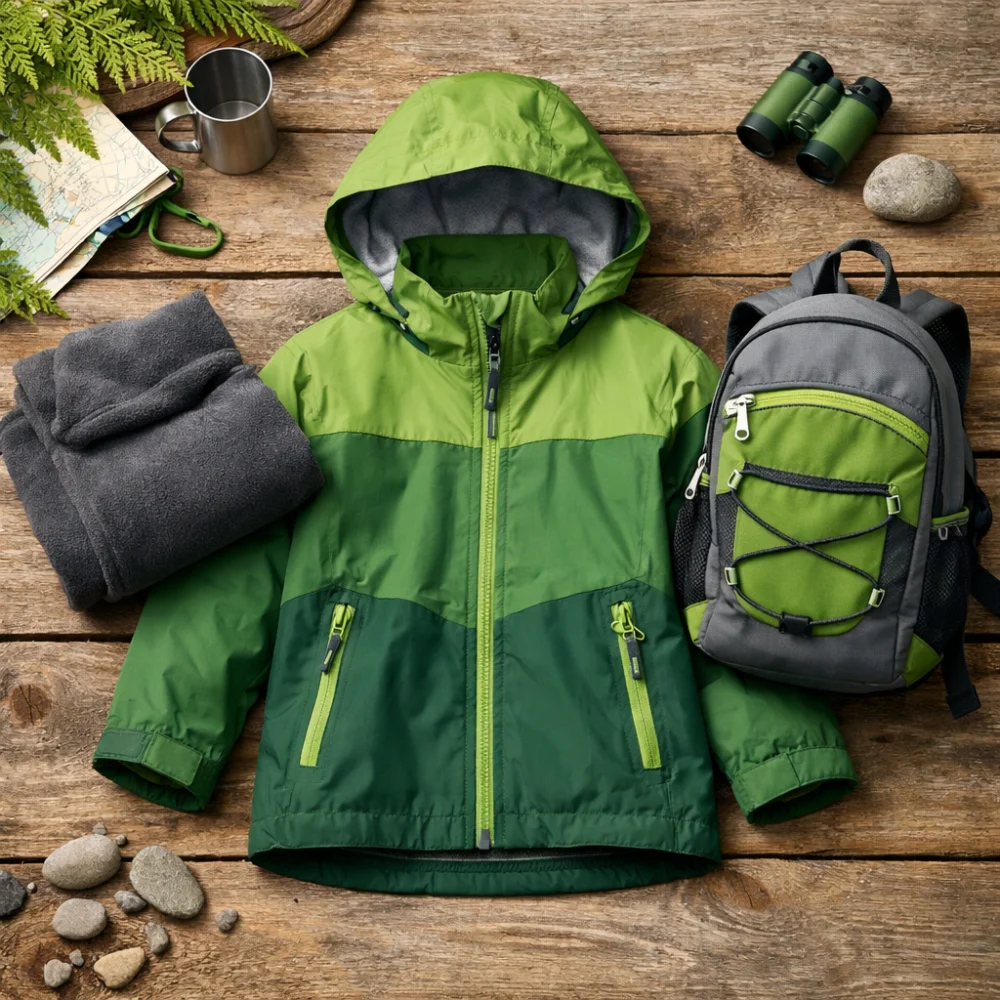
Kid’s breathable jackets are aimed at active days outdoors when a child needs some protection from wind and light rain without feeling overly hot and sweaty. They can be a sensible choice for walking, school runs, play and hill days where movement matters as much as weather cover.
The main decision is usually not just how much weather protection a jacket offers, but how well it balances comfort, airflow and packability. A jacket that feels fine when standing still may feel very different once a child starts climbing, running or carrying a rucksack.
This guide helps you compare the features that matter most, so you can choose a jacket that suits the weather, the activity and the child wearing it.
What should you look for in a kid’s breathable jacket?
The best starting point is the intended use. For active walking and mixed weather, look for a jacket that is comfortable in motion, easy to layer and suited to the level of rain or wind the child is likely to face. Breathability is useful, but it does not replace weather protection if conditions are changeable.
Specifications vary by model, so always check the individual product page before buying.
| Feature | What it means | Why it matters | What to check |
|---|---|---|---|
| Breathability | How well moisture vapour can escape during activity | Helps reduce clamminess when children are moving a lot | Look for the level of breathability described on the product page and match it to how active the wearer will be |
| Weather resistance | How much wind or rain the jacket is designed to handle | A more breathable jacket may not be the right choice for persistent heavy rain | Check whether the jacket is described as water-resistant, waterproof or mainly wind-resistant |
| Insulation | Whether the jacket adds warmth as well as cover | Important if the jacket will be worn in colder months or at slower pace | Decide whether the jacket is a shell layer or a warmer option |
| Fit and layering room | How the jacket sits over base layers or jumpers | A poor fit can reduce comfort and limit movement | Check size guidance, cut and whether there is room for layering without feeling bulky |
| Packability | How easy it is to carry when not being worn | Useful for variable weather or trips where layers come on and off | Look for lightweight designs if the jacket may need to fit in a bag |
| Practical details | Features such as hood design, cuffs and pockets | These affect everyday convenience more than headline performance | Check which details are included and whether they suit the child’s routine |
Key decision criteria
Breathability versus protection
Breathability helps a jacket feel comfortable during active use, but higher airflow often means a trade-off in warmth or weather resistance. If a child mainly needs a jacket for brisk walks and energetic play, comfort in motion may matter more than heavy-duty coverage. If the jacket is for sitting still outdoors for long periods, weather protection may be more important than airflow.
Layering and season
Think about when the jacket will be worn. A lighter breathable shell can work well over a fleece in milder conditions, while a warmer jacket may be more suitable for colder days. If the child grows quickly or will wear the jacket across several seasons, a little room for layering can be helpful, but too much extra space can make the jacket less comfortable.
Fit, mobility and wearability
Children are more likely to wear a jacket willingly if it is easy to move in and not awkward to put on. Pay attention to the cut through the shoulders, sleeves and hem, especially if the wearer will climb, cycle or carry a school bag. A jacket that feels technically impressive but restrictive may not get used as often.
Practical details that make a difference
Small features can matter more than buyers expect. A hood that stays in place, cuffs that help keep draughts out and pockets that are easy for a child to use can all improve everyday usefulness. These details are worth checking alongside the main fabric description, because they affect comfort and convenience day to day.
Common types and variants
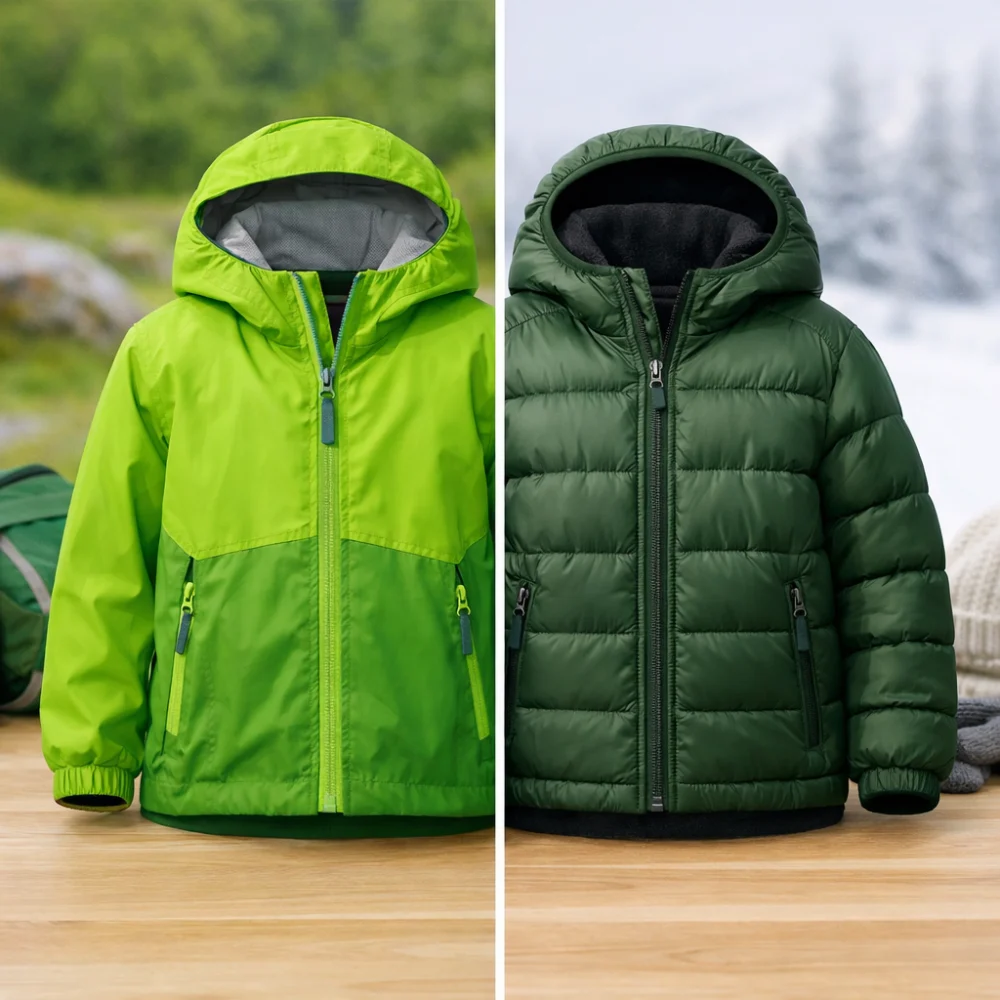
Within this category, products are often best thought of by how much cover they provide rather than by one fixed design. Some are lighter shells for active use, while others are warmer and more structured for colder conditions. Specifications vary by model, so always check the individual product page before buying.
- Lightweight breathable shells: suited to walking, training or unsettled weather when airflow and easy layering are priorities.
- Warmer breathable jackets: better if the child needs more insulation as well as comfort during outdoor use.
- Packable styles: useful when the jacket may live in a bag and only come out when the weather changes.
Which jacket suits which buyer?
| Buyer need | What to prioritise | Likely trade-off |
|---|---|---|
| Active walking and hiking | Breathability, mobility and layering room | May give less warmth than a heavier jacket |
| Changeable British weather | Wind resistance and some rain protection | Very airy designs may offer less cover in wet conditions |
| Everyday school or weekend wear | Easy fit, comfort and practical details | Technical features may be less important than simplicity |
| Trips where space is limited | Lightweight or packable construction | May sacrifice insulation or structure |
Common mistakes to avoid
- Choosing on breathability alone: airflow is useful, but the jacket still needs to suit the weather and activity.
- Ignoring layering needs: a jacket that works over a T-shirt may feel too tight over a fleece.
- Overlooking cut and comfort: a child who cannot move easily is less likely to wear the jacket happily.
- Assuming all weather jackets do the same job: different designs balance rain protection, warmth and airflow in different ways.
Safety and suitability caveats
Choose a jacket that suits the activity and the expected weather, and do not assume a breathable jacket is enough for prolonged heavy rain unless the product page clearly says so. For children, comfort, visibility and ease of movement are practical concerns as well as style choices. If the jacket will be used for a specific outdoor activity, check the individual product information carefully before buying.
Maintenance and storage
General care needs vary, but breathable jackets often last better when they are cleaned and stored according to the care label. Dirt, mud and worn finishes can affect comfort and how the jacket performs over time. If the jacket is likely to be packed away between uses, check that it can be stored easily without taking up too much space.
How to compare options efficiently
- Decide where the jacket will be worn most often: school, walking, hiking or general outdoor play.
- Choose the right balance of airflow, weather resistance and warmth for that use.
- Check fit and layering room so the child can move comfortably.
- Review the practical details that matter most, such as hood, cuffs and pockets.
- Compare the individual product page information rather than relying on the category name alone.
Summary buyer decision checklist
- Is the jacket for active use, everyday wear or both?
- Does it offer the right balance of breathability and weather protection?
- Will it layer comfortably over the clothes your child usually wears?
- Is the fit likely to allow easy movement?
- Do the practical features suit how the jacket will be used?
- Have you checked the individual product page for the model-specific details?
Frequently asked questions
What does breathable mean in a children’s jacket?
It means the jacket is designed to let moisture vapour escape more easily than a less breathable layer. That can help a child feel less clammy during active use. The exact level of breathability varies by model, so it is worth checking the product details.
Is a breathable jacket the same as a waterproof jacket?
Not necessarily. Some jackets offer both breathability and waterproofing, while others are mainly intended to be comfortable and weather-friendly without full rain protection. If wet-weather use matters, check the product page carefully rather than relying on the category name alone.
Do children need a warm jacket or a lighter shell?
That depends on the weather and how active they will be. A lighter shell is often better for energetic walking or layering, while a warmer jacket may suit colder, slower-paced outings. Think about the main use rather than choosing for every possible condition.
Should I buy a bigger size for layering?
Sometimes a little extra room is useful if the jacket will be worn over fleeces or jumpers. Too much extra space can make the jacket feel bulky or awkward to move in. Check the fit guidance and think about the clothing it needs to go over.
Are packable jackets suitable for daily wear?
They can be, but their main advantage is easy storage and carrying. If the jacket needs to be worn often for long periods, comfort, fit and weather protection may matter more than packability alone. Consider whether you want convenience or more all-round coverage.
What features are most useful for younger children?
Simple fastenings, a comfortable hood, easy-to-use pockets and a fit that does not restrict movement are often the most practical details. Younger children usually benefit from jackets that are easy to put on and tolerant of rough everyday use. The right choice is the one they will actually wear comfortably.