

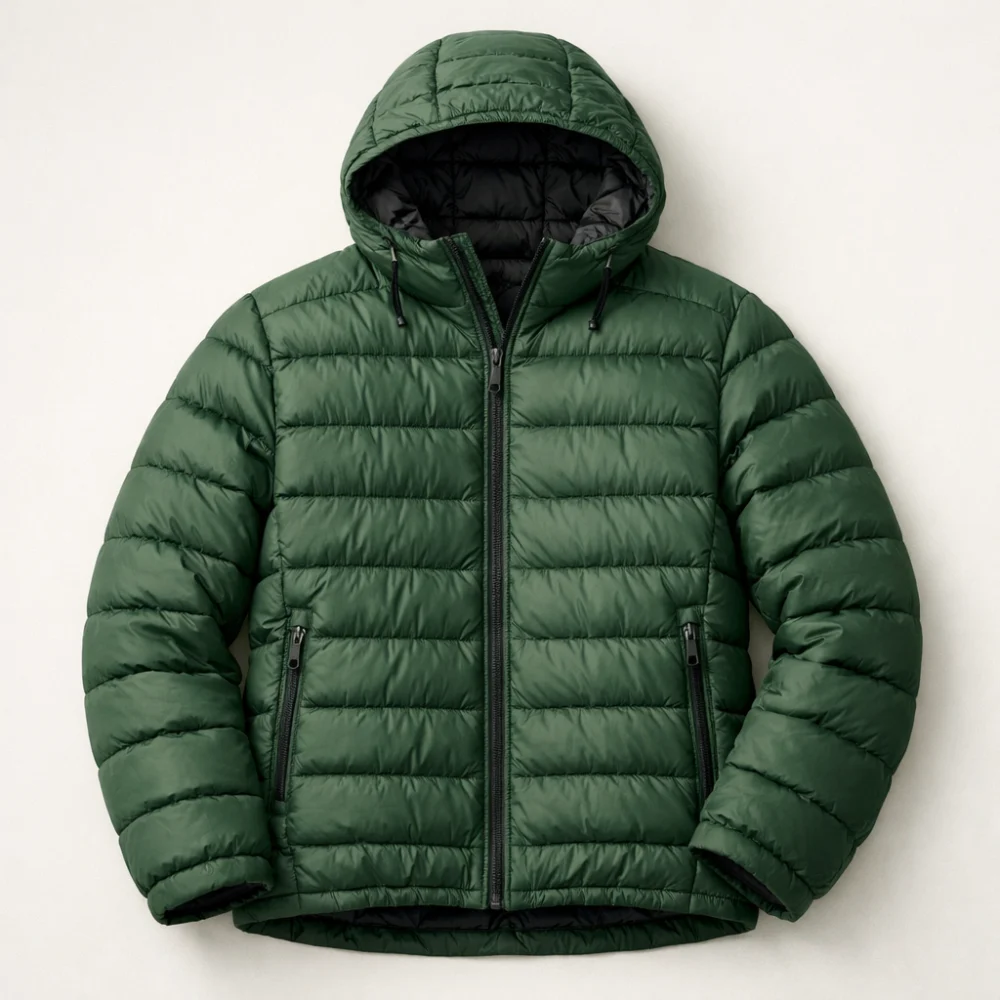

Men’s insulated jackets are a practical choice when you want reliable warmth without wearing a heavy outer layer all day. They suit walkers, commuters and anyone who spends time outdoors in cool conditions and wants something easy to throw on.
The main buying decision is not just how warm a jacket feels, but how that warmth is delivered. Some jackets prioritise low bulk and easy packing, while others focus on more noticeable insulation and a roomier feel.
This guide helps you compare those trade-offs so you can choose a jacket that fits your weather, activity level and layering habits.
Compare Men's Insulated Jackets


As an Amazon Associate we earn from qualifying purchases.
What should you look for in a men’s insulated jacket?
Start with the level of warmth you actually need, then consider weight, bulk, weather protection and how you will use the jacket day to day. If you walk briskly, you may prefer a lighter insulated layer that avoids overheating; if you feel the cold more easily or stand around outside, a warmer and slightly bulkier option may suit you better. Specifications vary by model, so always check the individual product page before buying.
The most useful choice is often the jacket that balances insulation with comfort and movement. A good-looking jacket can still be a poor match if it is too warm for active use or too light for slower outings.
| Feature | What it means | Why it matters | What to check |
|---|---|---|---|
| Insulation level | How much warmth the jacket is designed to provide | Determines whether the jacket suits active walking or colder, slower use | Check the product description for the intended warmth level and likely season of use |
| Bulk and packability | How easy the jacket is to wear, store and carry | Matters if you want a layer that stows easily or works for travel | Look for notes on packability, compressibility and overall loft |
| Weather protection | How well the outer fabric handles wind and light precipitation | Important if you want one jacket for changeable conditions | Check whether it is mainly insulated, water-resistant or intended to be paired with a waterproof shell |
| Fit and layering room | How the jacket sits over base layers or a mid-layer | Affects comfort, movement and whether the jacket feels restrictive | Review the fit description and consider what you will wear underneath |
| Hood and collar design | Extra coverage around the head and neck | Can improve comfort in cold or breezy conditions | See whether the jacket has a hood, a high collar or both |
| Fabric feel and durability | The outer fabric’s texture, robustness and everyday practicality | Helps you judge whether it suits regular outdoor use or lighter wear | Check material descriptions and look for reinforced areas if you need durability |
Which features matter most?
Warmth versus breathability
Insulated jackets are designed to hold in warmth, but not every user wants the same amount of insulation. If you walk fast, climb hills or run warm, a lighter option may be more comfortable because it reduces the chance of overheating. If you spend more time standing still, watching, travelling or walking at a gentler pace, extra insulation may be more useful than lower weight.
Bulk versus convenience
Some insulated jackets feel streamlined and easy to wear under a shell or over a mid-layer, while others feel more substantial and cosy. Lower bulk can make a jacket easier to pack and layer, but a more substantial build may feel better when you want a single outer layer for colder days. Think about whether you want the jacket as a portable spare layer or as your main cold-weather jacket.
Outer fabric and weather use
Many buyers expect insulation to equal weatherproofing, but warmth and rain protection are different things. An insulated jacket may cope well with chill and wind without being a substitute for a waterproof shell. If you need one jacket for mixed conditions, check whether the product is intended for light showers, wind resistance or layering under waterproof outerwear.
Hooded or non-hooded
A hood adds coverage and can make a jacket feel more versatile in cold weather. A non-hooded style may feel simpler, lighter and easier to layer. Choose based on whether you value extra coverage or prefer a cleaner, less bulky design.
Types and variants within the category
Men’s insulated jackets are not all the same, even when they share a similar look. The main differences are usually in insulation type, overall weight and whether the jacket is cut for active use or general everyday wear.
- Lightly insulated jackets: Usually better for milder conditions, layered outfits or people who generate a lot of body heat.
- Warmer padded jackets: Better when you want more noticeable insulation for colder days or slower-paced use.
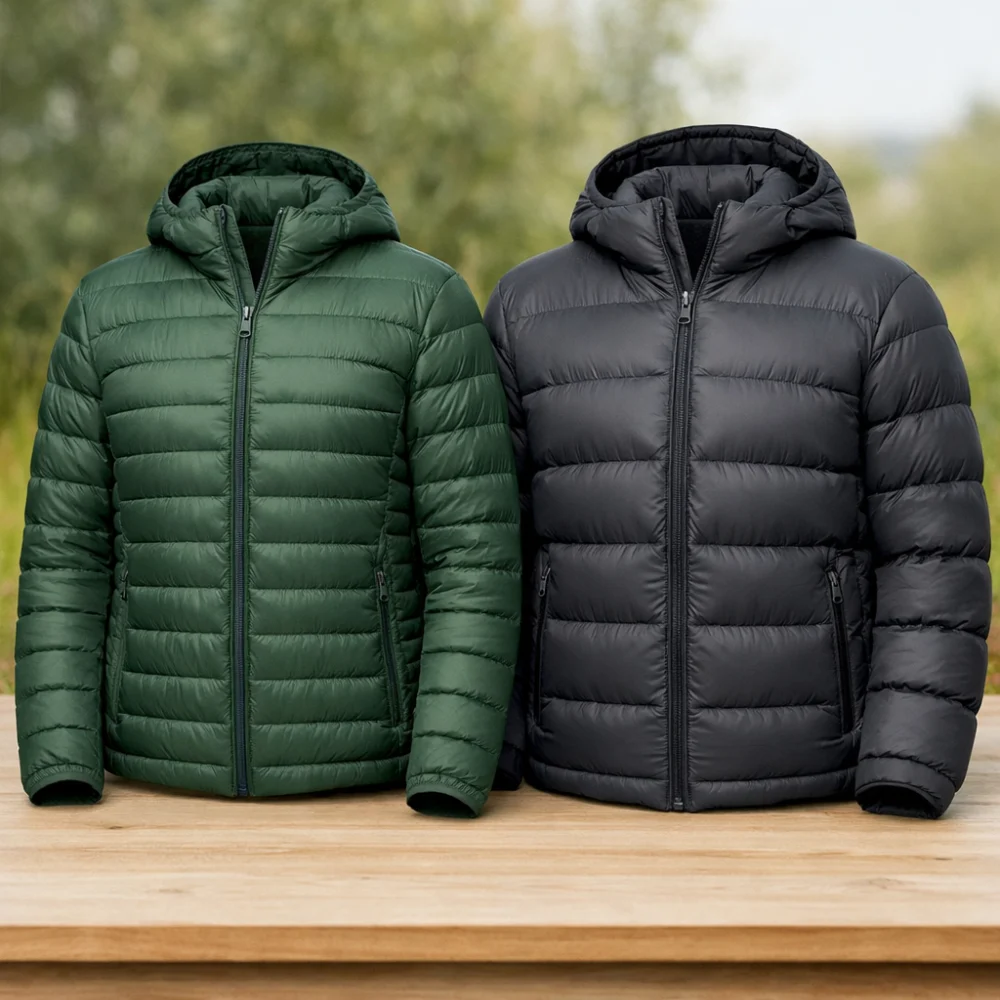
- Hooded insulated jackets: Useful if you like extra coverage and a more all-round cold-weather feel.
- Non-hooded insulated jackets: Often appeal to buyers who want simpler layering and less bulk around the head and neck.
The right variant depends less on style alone and more on how often you will wear it, what else you will layer underneath and whether you need a jacket for active movement or standing around in the cold.
Who should choose which kind of jacket?
| Buyer need | What to prioritise | Why |
|---|---|---|
| Everyday walking and commuting | Comfort, easy layering and sensible bulk | You are likely to wear it often and want a jacket that feels practical rather than specialised |
| Cold, slow-paced use | More insulation and a snug, protective feel | Warmth matters more than minimal weight |
| Active hill walking | Lighter insulation and better breathability | You may build heat quickly and need less bulk |
| Travel or backup layering | Packability and low weight | A jacket that stows easily is more convenient |
| Changeable weather | Wind resistance and compatibility with a waterproof outer layer | You may need flexibility rather than one highly specialised jacket |
Common mistakes to avoid
- Choosing warmth without thinking about activity. A very warm jacket can be uncomfortable if you move quickly or wear it indoors often.
- Assuming insulated means waterproof. Warmth helps in cold weather, but rain protection depends on the outer fabric and construction.
- Ignoring layering space. If you want to wear a thick mid-layer underneath, check the cut rather than assuming all insulated jackets fit the same way.
- Overlooking packability. Some jackets are designed for everyday wear rather than easy storage in a bag.
- Buying for appearance alone. Style matters, but the practical details usually decide whether you wear the jacket regularly.
Safety and suitability caveats
Choose a jacket for the conditions you expect to face, not for the most extreme weather you might imagine. If you need protection from heavy rain, use a proper waterproof layer as well rather than relying on insulation alone. If you are unsure about fit, warmth or weather suitability, check the individual product page carefully before ordering.
Maintenance, storage and lifespan considerations
Most insulated jackets are easiest to own when you store them clean, dry and loosely packed between uses. If the jacket has a hood, soft insulation or compressible fill, how you store it can affect how it feels over time. Also think about care requirements: some jackets are simpler to look after than others, and the product page may note any special cleaning advice. A jacket that suits your routine is more likely to stay useful for longer.
How to compare options efficiently
- Decide when you will wear the jacket most often: walking, commuting, travel or general cold-weather use.
- Choose the amount of warmth you need, based on how active you are and how cold you feel.
- Compare bulk, weight and whether you want a hood or a simpler shape.
- Check whether the jacket is meant to stand alone or work as part of a layered system.
- Read the individual product page for fit notes, fabric details and any care information.
Summary buyer decision checklist
- Have I chosen the right warmth level for my activity?
- Do I want a hood or a simpler, lower-bulk design?
- Will I wear it alone or under a waterproof shell?
- Is packability important for travel or carrying in a bag?
- Does the fit leave enough room for the layers I actually wear?
- Have I checked the product page for weather protection and care details?
Frequently asked questions
Are insulated jackets good for walking?
Yes, provided the warmth level matches how active you are. Many walkers prefer a jacket that keeps them warm without becoming too bulky, especially on cool but dry days. If you walk quickly or generate a lot of heat, a lighter insulated option is often more comfortable.
Is an insulated jacket enough in wet weather?
Not always. Insulation helps with warmth, but rain protection depends on the jacket’s outer fabric and construction. For persistent rain, many buyers prefer to use an insulated layer with a separate waterproof shell.
Should I choose a hooded jacket?
Choose a hood if you value extra coverage in cold or breezy conditions. If you prefer a simpler shape or want less bulk, a non-hooded jacket can be a better fit. The right choice usually depends on how often you wear hats or other headwear.
What is the main difference between a padded jacket and a lighter insulated jacket?
A padded jacket usually feels warmer and more substantial, while a lighter insulated jacket tends to be easier to layer and carry. The better choice depends on whether you prioritise comfort in colder conditions or convenience for mixed use.
Can I wear an insulated jacket indoors or in the car?
You can, but warmer jackets may feel too hot if you stay inside for long periods. If you plan to wear it for short trips, a lighter insulated style is often more versatile. Think about how long you will keep it on during the day.
How do I know if the fit will work over my layers?
Check the fit description and think about the layers you normally wear. If you want to wear a fleece or thick mid-layer underneath, a slightly roomier cut may be more comfortable. Specifications vary by model, so always check the individual product page before buying.
Down or synthetic insulation?
The insulation type can affect how a jacket feels to carry and how it performs in damp conditions. Down is often valued for warmth relative to weight and compressibility, while synthetic insulation commonly offers a more forgiving option when it gets damp. These are general tendencies rather than guarantees, so check the individual jacket’s description.
Down can lose much of its insulating loft when wet, and treated versions may handle moisture differently; synthetic fill can be bulkier for a similar level of warmth. Neither type makes a jacket waterproof. Consider your likely weather, how easily you can keep the jacket dry and whether low weight or damp-weather practicality matters more to you.
More Men's Insulated Jackets
See all 558 Men's Insulated Jackets →


As an Amazon Associate we earn from qualifying purchases.


