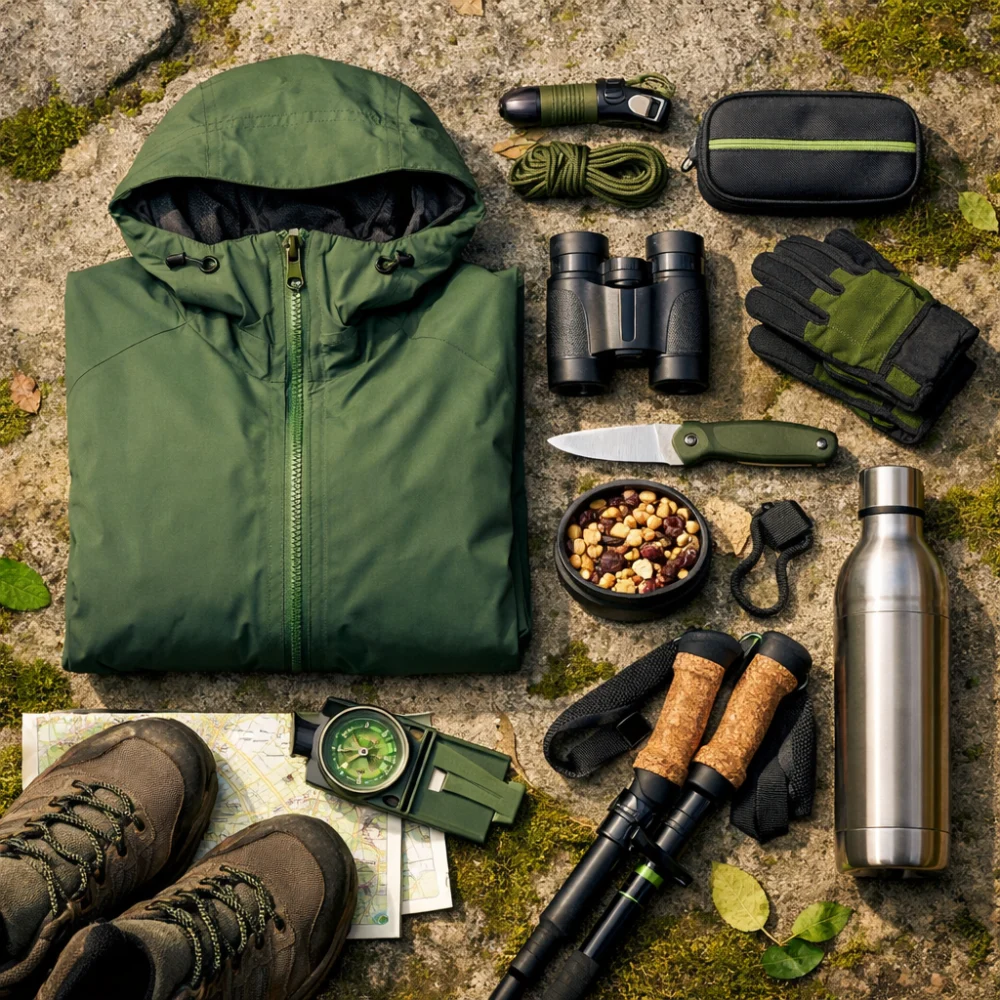

Men’s waterproof jackets are a straightforward category on the surface, but the right choice depends on how, where and how often you will wear one. A jacket for short dog walks in steady rain can be very different from one you want for hill walking, commuting or all-day changeable weather.
This guide focuses on the buying decisions that matter most: waterproofing, breathability, hood design, fit, packability and comfort. It also helps you separate the features that are genuinely useful from those that are easy to overvalue.
If you are comparing jackets for walking and outdoor use, the key is to match the jacket to your likely conditions rather than chasing the longest list of features.
Compare Men's Waterproof Jackets


As an Amazon Associate we earn from qualifying purchases.
What should you look for in a men’s waterproof jacket?
Start with the balance between weather protection and comfort. A jacket that keeps out rain but feels stuffy may be fine for short journeys, while a more breathable design is often better for active walking. Fit matters too: you want enough room for layers without the jacket feeling bulky or restricting movement. Specifications vary by model, so always check the individual product page before buying.
| Feature | What it means | Why it matters | What to check |
|---|---|---|---|
| Waterproof protection | How well the jacket is designed to resist rain | Determines how suitable it is for showers, prolonged rain and exposed conditions | Product description, fabric details and any stated waterproof construction |
| Breathability | How well moisture can escape from inside the jacket | Helps reduce clamminess during hill walking or brisk activity | Whether the product is described as breathable and any ventilation features |
| Hood design | How the hood fits and adjusts around the head | A secure hood can make a big difference in wind and rain | Adjustability, peak shape and whether the hood is fixed or detachable |
| Fit and layering room | How the jacket sits over base layers or warmer clothing | Too tight limits movement; too loose can feel awkward and let in draughts | Size guide, cut description and the clothes you expect to wear underneath |
| Weight and packability | How easy the jacket is to carry when not worn | Useful for travel, day walks and changeable weather | Whether it folds compactly and suits your carrying needs |
| Pockets and closures | Storage and fastening details | Affects everyday practicality and how well items stay protected | Number, position and closure type of pockets, zip and cuffs |
Key decision criteria explained
Water resistance and real-world weather use
The main job of a waterproof jacket is to keep rain off, but not every user needs the same level of protection. If you are mostly avoiding brief showers, a lighter jacket may be enough. If you expect longer walks in persistent rain, prioritise stronger wet-weather protection and construction details that support it.
Breathability versus full weather shielding
Breathability matters most when you are active, climbing hills or carrying a pack. A jacket that blocks rain well but traps too much heat can become uncomfortable quickly. For slower, shorter wear, you may care more about staying dry than about ventilation.
Hood, cuffs and hem
These small details often make the biggest difference in comfort. An adjustable hood can help keep rain out without blocking vision, while cuffs and hem adjustments can improve the feel in wind. If those features matter to you, check how they are described rather than assuming they are included.
Fit, layering and movement
Think about what you will wear under the jacket. A walking jacket often needs room for a fleece or other mid-layer, especially in cooler months. A close fit can feel neater, but if it is too tight it may reduce comfort when you raise your arms or carry a rucksack.
Weight and convenience
Some buyers want a jacket that can live in a bag or car boot and come out when needed. Others want a sturdier jacket for regular use. Lighter and more packable designs are convenient, but they may not feel the same as a more substantial jacket when worn for longer periods.
Common types and variants
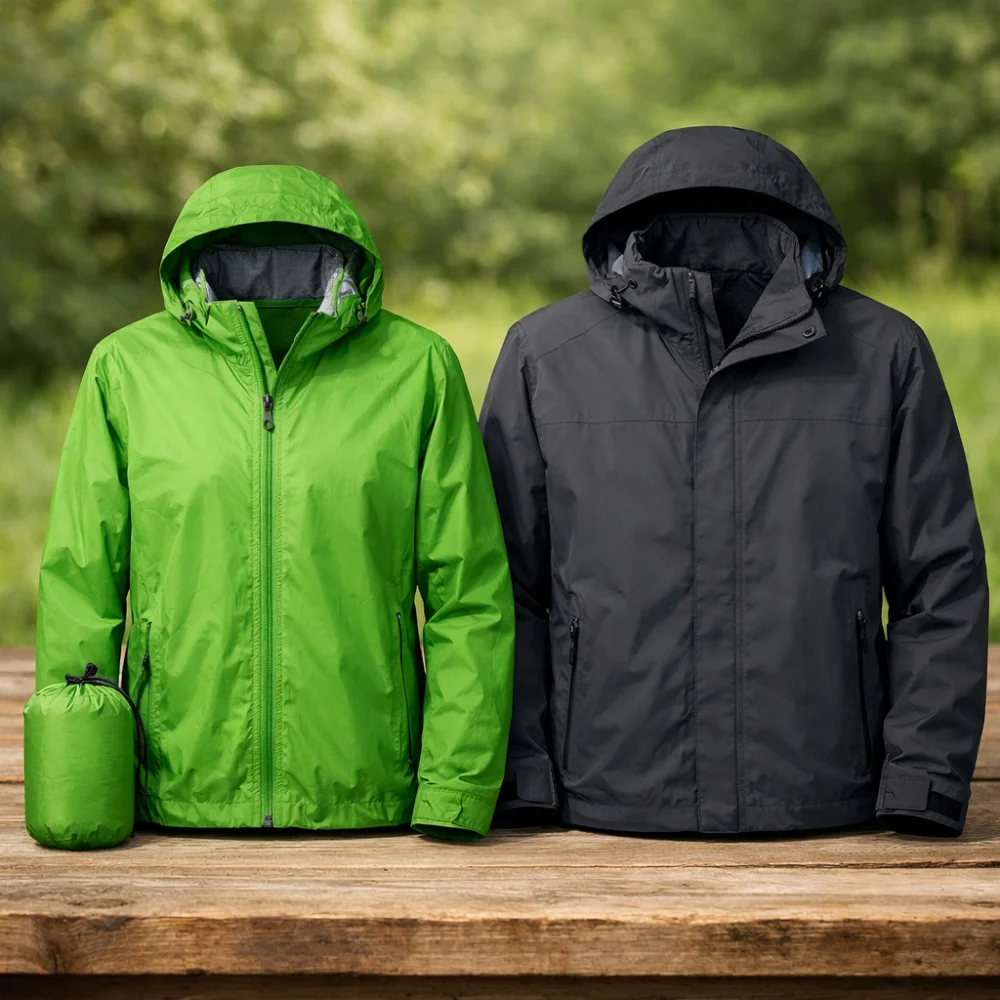
Within this category, jackets usually differ more in purpose than in appearance. Some are aimed at everyday rain protection, while others are more suited to active walking and hiking. You may also see jackets described as lightweight, packable, breathable or shell-style, each suggesting a slightly different balance of protection, comfort and carry convenience.
A lighter jacket may suit commuters and casual walkers who want something easy to store. A more robust walking jacket may suit people who spend longer outdoors and want a better balance of weather resistance and comfort. The main limitation of any variant is that improving one area often means accepting a trade-off somewhere else.
Which jacket suits which kind of buyer?
| Buyer need | Helpful characteristics | Why |
|---|---|---|
| Occasional everyday rain | Simple waterproof protection, easy packing, comfortable fit | Convenience matters more than technical detail |
| Regular walking and hiking | Breathability, adjustable hood, movement-friendly fit | Comfort during activity is as important as keeping dry |
| Travel or backup use | Light weight, packability, quick to put on and carry | The jacket may spend more time stored than worn |
| Longer wet-weather outings | Better weather protection, practical hood, layering room | Exposure time makes comfort and shielding more important |
| Cooler conditions with layers underneath | Roomy enough cut, sensible cuff and hem adjustment | You need the jacket to work over other clothing |
Common mistakes to avoid
- Choosing on waterproofing alone. A jacket can keep rain out but still feel uncomfortable if it is too warm or not breathable enough for your activity.
- Ignoring the hood. A poorly considered hood can make a jacket feel less useful in real rain than the product description suggests.
- Buying too small for layering. If you expect to wear a fleece underneath, make sure the fit allows that without restricting movement.
- Assuming all waterproof jackets feel the same. Weight, fabric feel and cut can change how practical a jacket is for your routine.
- Overlooking storage needs. If you want a jacket for travel or a day bag, packability may matter as much as weather protection.
Safety and suitability caveats
Choose a jacket that suits the conditions you expect to face, but avoid assuming that any specific product is suitable for all weather or all outdoor activity. Check the product page for the details that matter most to you, especially if you need a jacket for active walking, layered wear or frequent use in heavy rain.
If you are buying for a child, for work, or for a situation with specific safety requirements, make sure the jacket matches that context rather than relying on the category name alone.
Maintenance, storage and lifespan
Waterproof jackets generally last better when they are kept clean, dried properly and stored without being crushed for long periods. If a jacket has a finish or membrane that depends on careful care, the product page or care label should tell you more. Some jackets are easier to maintain than others, so it is sensible to consider care effort before buying if you expect heavy use.
Also think about what happens when the jacket is wet after use. A jacket that dries reasonably easily and stores neatly is often more convenient for frequent walking or commuting.
How to compare options efficiently
- Decide where and how often you will use the jacket.
- Choose the main balance you need: maximum weather protection, better breathability, or easier packability.
- Check the hood, fit and layering room against your normal clothing.
- Compare practical details such as pockets, cuffs, hem adjustment and weight.
- Read the individual product page carefully before making a final choice.
Buyer checklist
- Is this jacket for walking, everyday rain or more active outdoor use?
- Will you need room for layers underneath?
- Is the hood likely to be important in your usual weather?
- Do you care more about packability or a more substantial feel?
- Have you checked the product page for the features that matter most to you?
Frequently asked questions
What is the difference between waterproof and water-resistant?
Waterproof jackets are made to offer a higher level of rain protection than water-resistant ones. Water-resistant clothing may cope with light drizzle or short exposure, but it is usually less suitable for prolonged wet weather. Always check the wording on the individual product page rather than assuming the terms are interchangeable.
Do I need a breathable jacket for walking?
Not always, but it is often helpful if you walk briskly, go uphill or wear your jacket for longer periods. Breathability can make a jacket feel more comfortable by helping reduce trapped moisture inside. If your use is more occasional and low effort, it may matter less than simple rain protection.
Should I buy a lightweight packable jacket or a sturdier one?
That depends on how you will use it. A lightweight packable jacket is convenient for travel or backup use, while a sturdier jacket may feel better for frequent wear in less predictable weather. The trade-off is usually between convenience and a more substantial feel.
How important is the hood on a waterproof jacket?
Very important if you expect to wear the jacket in proper rain or wind. A hood that adjusts well can improve comfort and help the jacket feel more usable outdoors. If you rarely wear the hood, you may still want it to fit neatly when stored or folded back.
Can I wear a waterproof jacket over a fleece?
Often yes, provided the jacket has enough room for layering. Fit is the key issue: a jacket that is too close may limit movement or feel tight at the shoulders. Check the size guide and think about your normal mid-layers before choosing.
What features are most useful for everyday use?
For everyday use, many buyers value a comfortable fit, straightforward fastening, sensible pockets and a hood that is easy to use. If the jacket will live by the door or in a car, packability may matter less than quick comfort and convenience. Specifications vary by model, so always check the individual product page before buying.
Rain protection and warmth are separate choices
A waterproof jacket is not necessarily a warm jacket. A shell-style design can suit changing activity levels because you can adjust warmth with the layers underneath; a lined or insulated design adds warmth but may feel too warm during brisk walking. Consider the temperatures and effort you expect, and check the product details for lining or insulation rather than inferring warmth from the waterproof label.
More Men's Waterproof Jackets
See all 817 Men's Waterproof Jackets →


As an Amazon Associate we earn from qualifying purchases.