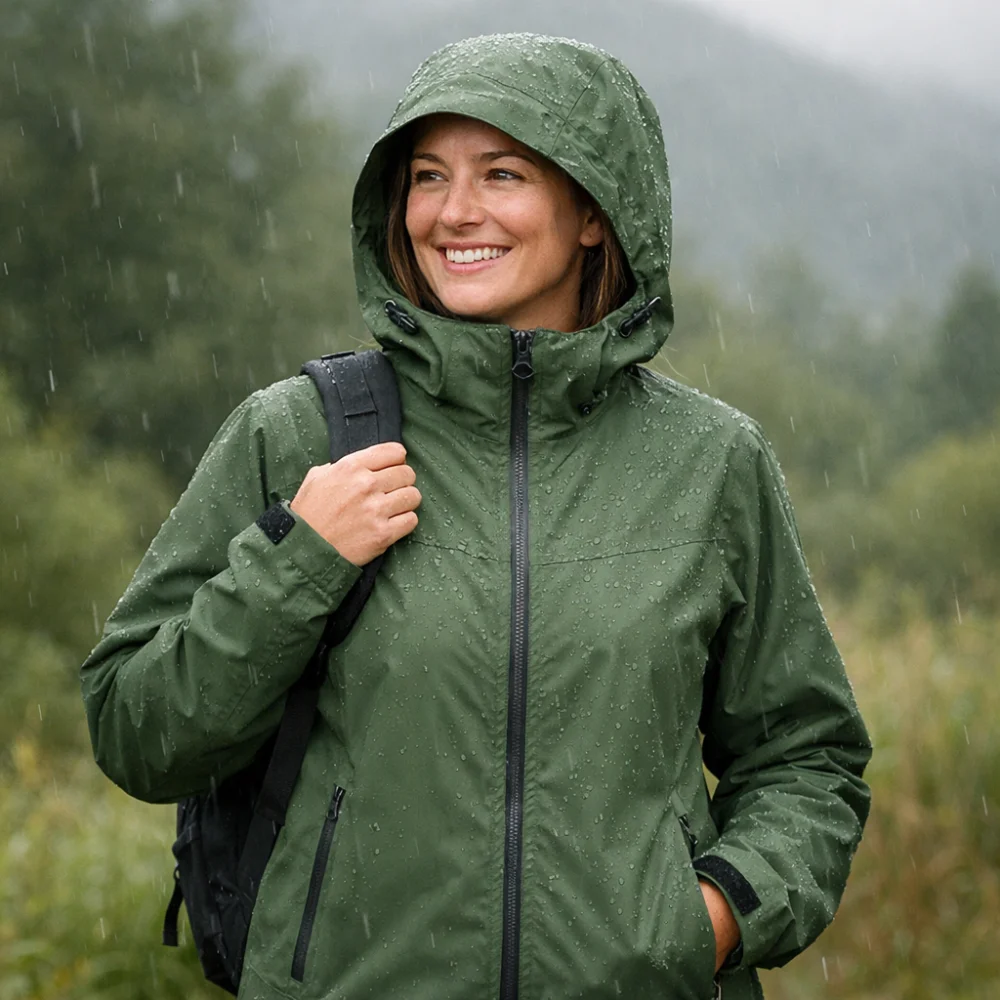
Women’s waterproof jackets are built for wet weather, but the right choice depends on when and how you plan to wear one. A jacket for walking the dog in drizzle may feel very different from one chosen for hill walks, commuting or all-day rain.
This guide helps you compare the features that matter most: waterproof protection, breathability, fit, hood design, length and layering space. It also explains the trade-offs that are easy to miss, so you can narrow down the options with more confidence.
Specifications vary by model, so always check the individual product page before buying.
Compare Women's Waterproof Jackets


As an Amazon Associate we earn from qualifying purchases.
What should you look for in a women’s waterproof jacket?
The best starting point is to match the jacket to your usual weather and activity. If you mainly need cover for short bursts of rain, a lighter packable style may be enough; if you expect longer periods outdoors, you may prefer more coverage, a more substantial feel and a better balance between waterproofing and breathability. The main trade-off is simple: more weather protection often means less packability or a slightly heavier feel.
| Feature | What It Means | Why It Matters | What To Check |
|---|---|---|---|
| Waterproof protection | How well the jacket is intended to keep rain out | Affects comfort in showers, steady rain and exposed conditions | Look for the product description, construction details and any stated waterproof level or finish |
| Breathability | How readily moisture from inside the jacket can escape | Helps reduce clamminess when walking or working harder | Check whether the jacket is described as breathable and consider how active you will be |
| Fit and layering space | How the jacket sits on the body and whether it fits over other layers | Affects comfort, movement and seasonal versatility | Review sizing notes, cut and whether you need room for a fleece or mid-layer |
| Hood design | How the hood is shaped and adjusted | Important for keeping rain off your face and improving visibility | Check whether it is adjustable, removable or designed to stay in place in wind |
| Length and coverage | Whether the jacket is short, hip length or longer | More coverage can help in heavy rain, but may feel less airy | Think about where water tends to hit first and how much freedom of movement you want |
| Pockets and fastenings | Storage and the way the jacket closes | Useful for carrying small items and helping seal out weather | Look at pocket placement, zip style and whether the front closure is protected |
Key decision criteria explained
Weather exposure
Start with the conditions you actually face. A commuter jacket for light, regular rain can be different from a hillwalking jacket that needs to cope with longer exposure and changing weather. If you are often in wind as well as rain, think about how well the jacket closes at the cuffs, hem and hood, not just the outer fabric.
Breathability versus protection
Waterproof jackets vary in how airy they feel during movement. If you walk quickly, cycle or carry a bag, trapped moisture can become as noticeable as rain coming in from outside. A jacket that feels fully sealed may be right for lower activity or very wet weather, while a more breathable option can be better for energetic use.
Length and coverage
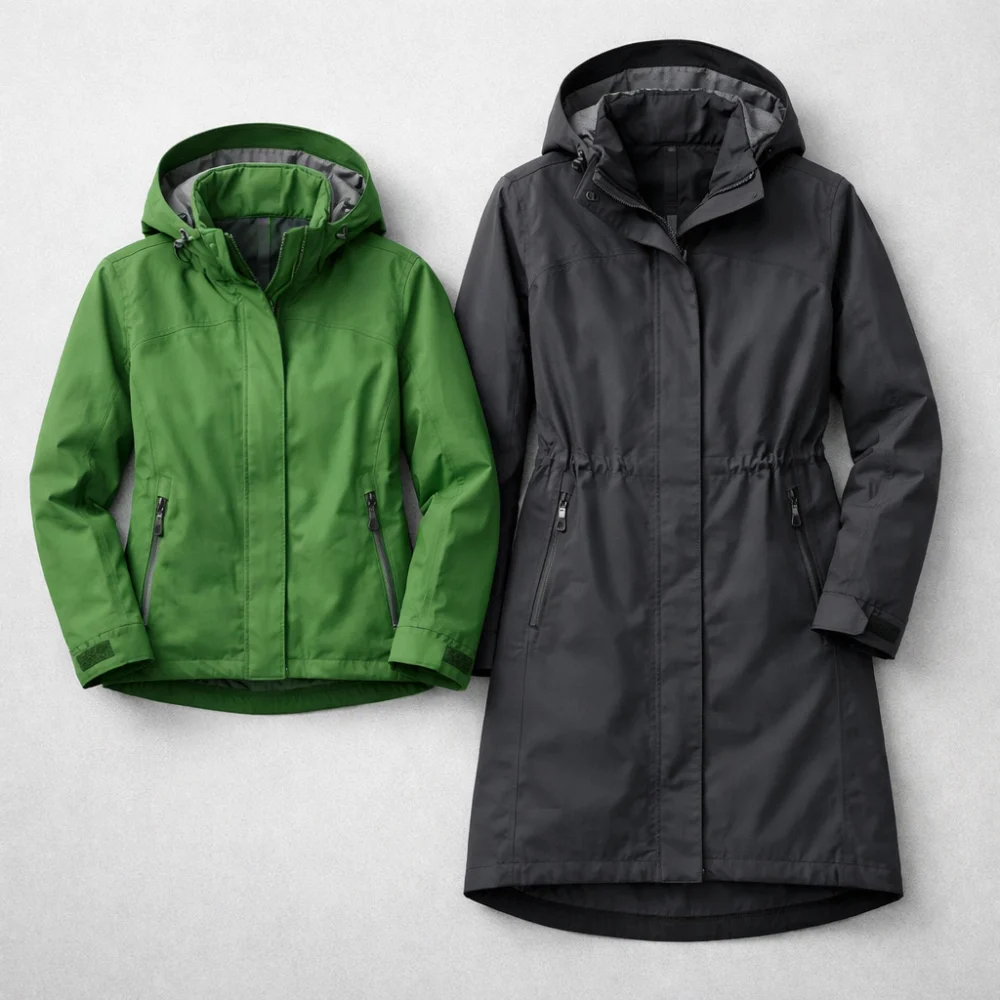
Shorter jackets are often easier to move in and may suit everyday wear. Longer styles can give more coverage over the hips and upper legs, which is useful if you spend more time standing still in the rain. Think about the balance between coverage, mobility and how the jacket layers with trousers, backpacks or crossbody bags.
Packability and weight
Some waterproof jackets are easy to stow in a bag or keep in the car, while others are designed more for regular wear and weather protection than for compact storage. If you want a jacket for travel or backup use, packability may matter more than a slightly more substantial feel.
Fit, sleeves and layering
The right fit is not just about size. Check whether the cut leaves room for a jumper or fleece, whether the sleeves are long enough for reach and whether the hem stays comfortable when you move. A good fit should let you layer without feeling bulky.
Common types and variants
Within women’s waterproof jackets, the main differences are usually about construction and use rather than fashion alone.
- Lightweight rain jackets: useful for everyday carry and sudden showers. They are often easier to pack, but may feel less substantial in prolonged bad weather.
- Longer-length waterproof jackets: useful when you want more coverage over the hips and seat. The trade-off is often less compactness and sometimes less freedom around the legs.
- More active waterproof jackets: better suited to walking and other movement-heavy use where breathability and comfort matter. They may be a better choice if you expect to keep the jacket on for longer periods.
- Everyday casual waterproof jackets: useful for general wear and commuting. These often prioritise style and convenience, but performance details still matter if you rely on them in sustained rain.
Which jacket suits which kind of buyer?
| Buyer need | More suitable features | Why |
|---|---|---|
| Daily commuting | Good hood, reliable closure, practical pockets, easy layering | Helps with short, repeated exposure to changing weather |
| Walking and outdoor use | Breathability, adjustable hood, comfortable sleeves, room for layers | Improves comfort when you are moving or out for longer periods |
| Travel or backup rainwear | Packable design, lighter feel, simple storage | Easy to keep in a bag without taking up much space |
| More coverage in wet weather | Longer length, secure hood, weather-aware fit | Provides extra protection where splashes and rain are most noticeable |
| Layering over knitwear or fleece | Relaxed cut, enough room in shoulders and sleeves | Reduces restriction and improves comfort in cooler conditions |
Common mistakes and misunderstandings
- Assuming all waterproof jackets feel the same: some are built more for packability, others for regular weather protection. Decide which priority matters most.
- Focusing only on waterproofing: if you will be active, breathability and comfort can matter just as much.
- Ignoring fit over layers: a jacket that works over a T-shirt may feel too snug once you add a fleece.
- Choosing coverage without considering movement: longer styles can be helpful, but they may not suit every activity.
- Overlooking the hood: a well-shaped, adjustable hood can make a bigger difference to comfort than many buyers expect.
Safety and suitability caveats
A waterproof jacket is only as suitable as its intended use. Check the product page for any limits on fit, care or weather performance, and do not assume a jacket made for casual wear will suit prolonged exposure or high-activity use. If you need a jacket for very wet or demanding conditions, compare the details carefully rather than relying on the name alone.
Care, storage and everyday use
General care affects how a waterproof jacket performs over time. Keep it clean according to the garment instructions, avoid storing it damp and check whether the jacket needs any special treatment to maintain its water resistance. If you plan to pack it often, think about how easily it folds or stuffs into a bag and whether that suits your routine.
How to compare options efficiently
- Decide where you will wear the jacket most often.
- Choose the right style for that use, such as lightweight, longer or more active.
- Compare waterproof protection, breathability, fit and hood design.
- Check layering space, pocket layout and how the jacket closes at the front.
- Read the individual product page for any model-specific details before you buy.
Summary buyer decision checklist
- Will the jacket suit your usual weather and activity?
- Do you want something lightweight and packable, or more substantial?
- Is the fit right for wearing over mid-layers?
- Does the hood, length and closure suit the conditions you face?
- Have you checked the individual product page for the details that matter most?
Frequently asked questions
What is the difference between a waterproof jacket and a water-resistant jacket?
A waterproof jacket is designed to cope better with rain, while a water-resistant jacket usually offers more limited protection. The practical difference is how long you can expect it to help in wet conditions. If you are likely to be out in steady rain, waterproof is generally the safer starting point.
Should I size up in a women’s waterproof jacket?
Not always. If you plan to layer a fleece or knitwear underneath, a little extra room can help, but sizing up too far can affect comfort and movement. Check the fit notes on the product page and think about the layers you will actually wear.
Are longer waterproof jackets always better?
Not necessarily. Longer jackets can provide more coverage, but they may feel less convenient for active use or regular packing. The better choice depends on whether you value coverage, mobility or compact storage more.
Is breathability important if I only wear the jacket in the rain?
It can still matter, especially if you walk quickly or wear the jacket for more than a few minutes. Even in cool weather, a jacket that traps too much moisture inside can feel uncomfortable. For short, low-activity use, it may be less important than for walking or commuting.
What features matter most for commuting?
For commuting, many buyers prioritise a reliable hood, easy fastening, practical pockets and a fit that works over everyday clothes. If you carry a bag or cycle, comfort around the shoulders and sleeves also becomes important. The right mix depends on how exposed you are to rain on the way.
How do I tell if a jacket will layer well?
Look for sizing guidance, the jacket’s cut and whether the product description suggests room for other layers. A jacket that feels fine on its own may still be awkward over a mid-layer if the shoulders or sleeves are close-fitting.
Do I need a packable jacket?
Only if you want to keep it in a bag, car or suitcase for occasional use. Packable jackets are convenient, but they are not always the most substantial option for regular outdoor wear. Choose based on how often you will carry it rather than assuming lighter is always better.
How to interpret waterproof construction details
A waterproof label is a useful starting point, but construction details can help you compare jackets more carefully. Check whether the product information explains how seams are protected and how the front fastening is covered; these details may affect where rain can enter. If a waterproof rating or test is stated, consider it alongside the intended use and other construction information rather than treating a single figure as a guarantee for every condition.
A water-repellent surface treatment and the jacket’s waterproof construction are not necessarily the same thing. Look for care instructions, including whether the garment needs particular treatment to maintain its water repellency, and follow the product guidance.
More Women's Waterproof Jackets
See all 455 Women's Waterproof Jackets →


As an Amazon Associate we earn from qualifying purchases.