

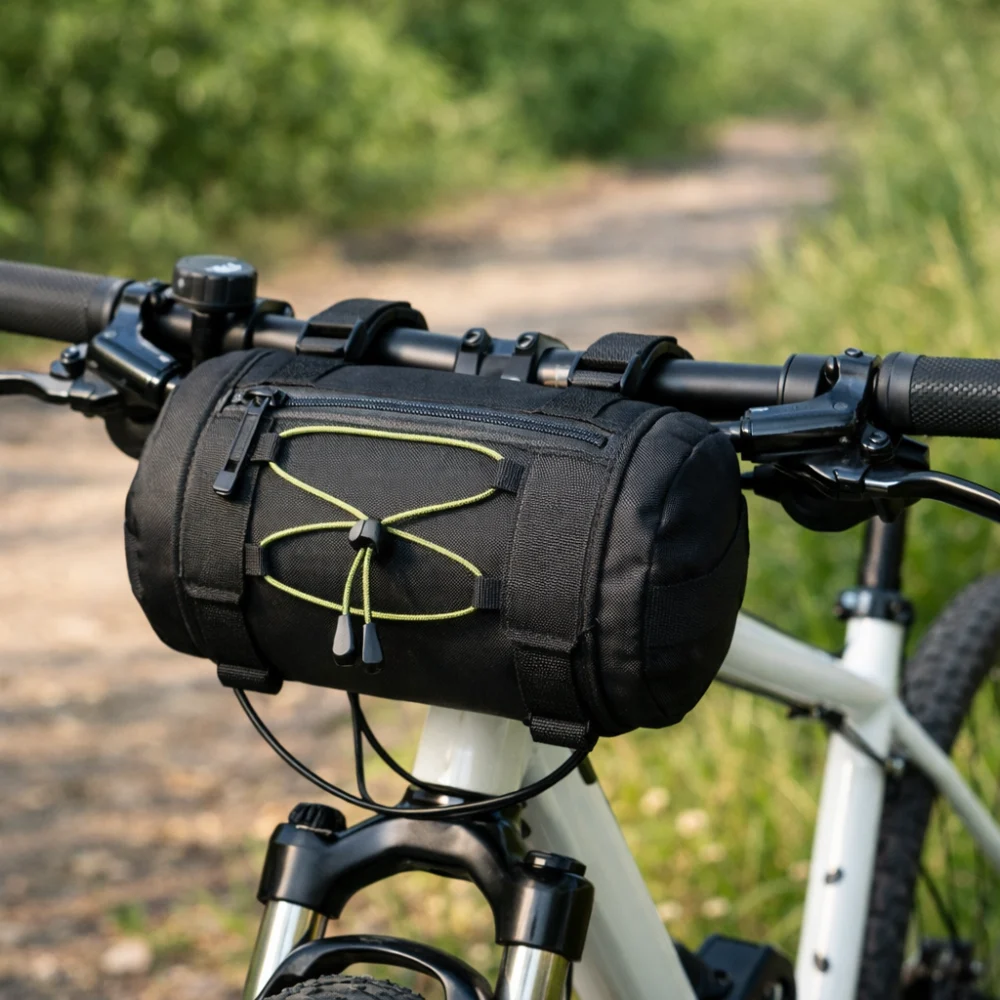

Cycling bar bags are a practical way to keep everyday items close to hand while riding. They are often chosen for commuting, leisure rides, touring and short trips where easy access matters more than large carrying capacity.
The right choice depends on how you ride, how much you want to carry and how much handlebar space you have available. Some buyers want a simple front bag for snacks and essentials, while others need a more structured bag for repeated use.
This guide helps you compare the main options without getting lost in product listings. It focuses on fit, access, weather protection and handling so you can narrow the choice quickly.
Compare Cycling Bar Bags


As an Amazon Associate we earn from qualifying purchases.
What should I look for in a cycling bar bag?
Start with fit and access. A bar bag should suit your handlebar setup, leave enough space for controls and allow you to reach the contents easily when you stop or ride slowly. Then think about the size you actually need, because a larger bag can be more awkward on compact bikes or in busy riding conditions.
The main trade-off is usually between convenience and bulk. A small bag is easier to live with but may not hold everything you want, while a larger bag can carry more but may affect front-end handling, cable routing or clearance. Specifications vary by model, so always check the individual product page before buying.
| Feature | What it means | Why it matters | What to check |
|---|---|---|---|
| Size and capacity | How much the bag can hold | Decides whether it suits essentials, snacks or bulkier items | Bag volume, shape and whether the opening is easy to use |
| Mounting style | How the bag attaches to the bars or bike | Affects stability, ease of fitting and how removable it is | Straps, clips or other attachment method and the space needed |
| Access | How quickly you can get to the contents | Important for frequent stops and small items | Zip placement, opening width and whether one-handed access is realistic |
| Weather resistance | How well the bag copes with rain and spray | Helps protect contents in changeable conditions | Material description, closure style and whether a separate cover is included |
| Bike clearance | How the bag sits around lights, cables and controls | Prevents interference with steering or accessories | Handlebar space, brake and gear cable routing, and head tube clearance |
Key decision criteria
Fit on your bike
Not every bar bag suits every bike. Compact handlebars, integrated cables, front lights and GPS mounts can reduce the space available, so the bag needs to fit both the bars and the riding position. A bag that looks manageable in a photo may still feel intrusive if it sits too high or blocks your view of the front wheel.
Check the dimensions and mounting method on the product page, then think about where your hands naturally rest on the bars.
Capacity and shape
Capacity is only part of the story. A narrow, long bag and a short, boxy bag may hold a similar amount but feel very different on the bike. If you mainly carry a phone, keys, snacks or a small repair kit, a smaller bag may be enough. If you want space for extra layers or day-ride items, you may need something more substantial.
Try to match the bag shape to the items you carry most often rather than choosing the biggest option available.
Security of the contents
Some buyers care most about quick access, while others want items to stay put over rough surfaces. Look at how securely the bag closes and whether the shape helps prevent contents from shifting around. A bag with multiple pockets can help organise small items, but only if the layout matches what you actually carry.
If you want to store anything delicate, consider whether the bag has enough structure to protect it from being squeezed by other items.
Weather and everyday durability
Many shoppers want a bag that copes with damp roads and light rain, but different products handle that in different ways. Materials, seams and closures all affect how much protection the bag gives in real use. For regular all-weather riding, it is sensible to look carefully at the product description rather than assuming all bar bags perform the same way.
For frequent use, also think about how the fabric, zip and mounting points may wear over time.
Common types of cycling bar bag
Small essentials bags
These are suited to riders who only need room for a few items and prefer a compact setup. They are often easier to place on crowded handlebars and can be a good choice for short rides or commuting essentials. Their main limitation is simple capacity.
Structured front bags
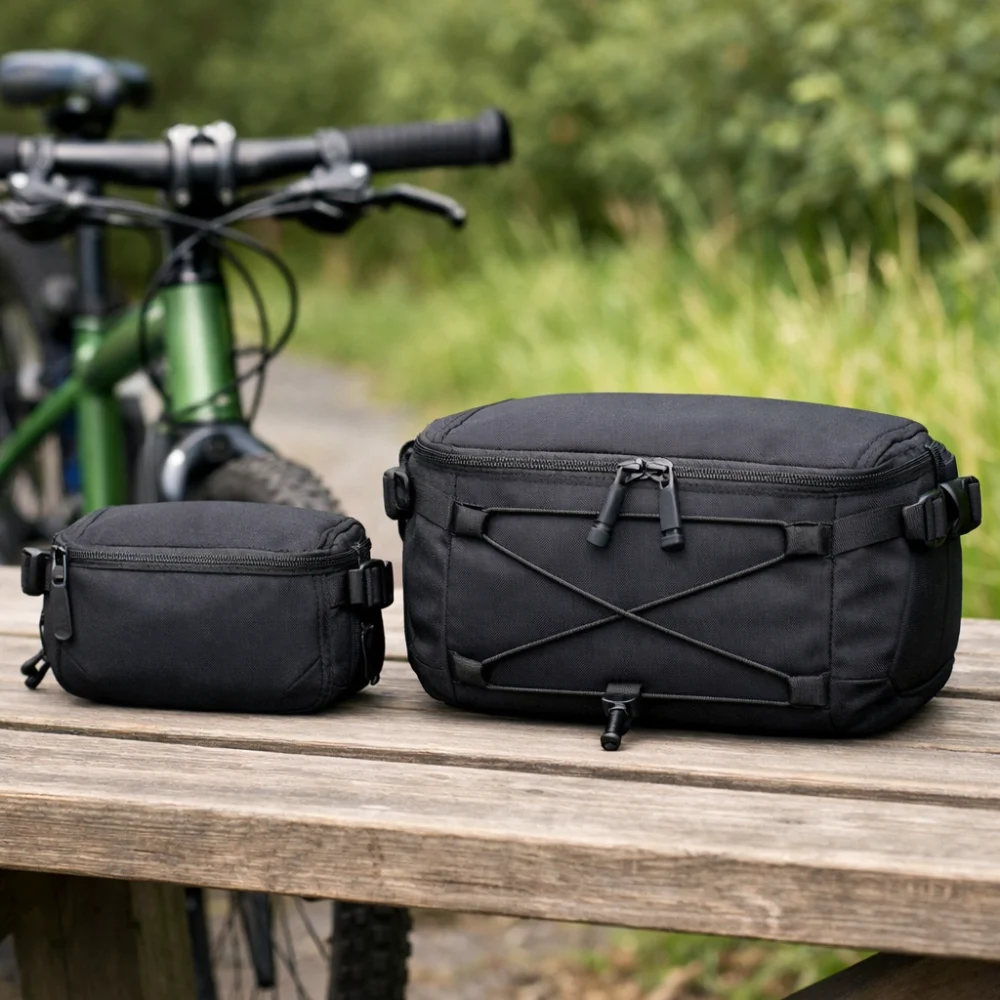
These tend to offer a more organised shape and are often chosen by riders who want a defined storage space at the front of the bike. They can be convenient for repeated use, but they may take up more room and feel more noticeable while riding.
Water-resistant or weather-focused bags
These are aimed at riders who expect mixed weather or want extra protection for contents. They can be a sensible choice for regular use, though the level of protection still depends on the design details. A weather-focused bag is useful, but it is not the same thing as a completely sealed container.
Which bar bag suits which rider?
| Buyer need | Likely priority | Helpful features | Possible compromise |
|---|---|---|---|
| Commuting | Easy access and reliable everyday use | Simple opening, secure fit, practical organisation | May need to accept less capacity if the front of the bike is crowded |
| Leisure riding | Space for small essentials without fuss | Compact size, comfortable fit, straightforward closure | Less room for bulkier items |
| Longer day rides | More capacity and better organisation | Roomy layout, secure mounting, sensible pockets | Can add bulk and be more noticeable on the bars |
| All-weather use | Protection from rain and spray | More weather-resistant materials and closures | May be less quick to open or slightly heavier |
Common mistakes to avoid
- Choosing by size alone. A bag that sounds large enough may still be awkward if the shape does not suit your bike.
- Ignoring handlebar clearance. A bag that fits on paper can still interfere with cables, lights or hand position.
- Overpacking a small bag. If you regularly carry more than the bag is designed for, it will be harder to use and may sit poorly on the bike.
- Assuming all weather resistance is equal. Check the product details rather than relying on a general description.
Suitability and practical caveats
A cycling bar bag should suit the way you ride, not just the amount you want to carry. Some bikes have limited space at the front, and some riding positions make larger bags less comfortable to use. If you are unsure, compare the bag shape and fixing method with your own handlebar setup before ordering.
It is also worth thinking about what else is already fitted to the front of the bike. Lights, bells, phone mounts and cable runs can all affect whether a bag is a tidy fit or an awkward one.
Care, storage and everyday use
Most bar bags are easier to keep in good condition if you empty them regularly, brush off dirt and let them dry before storing. If a bag is used in wet weather, it may need a little more attention than a dry-ride accessory. Zips, straps and seams are the areas most likely to show wear first, so it is sensible to inspect them as part of routine care.
Simple storage also helps. If you do not need the bag for a while, keeping it clean and dry can make it easier to use next time.
How to compare options efficiently
- Decide what you will carry most often.
- Check whether your handlebars have enough room for the bag and any existing accessories.
- Compare the bag shape, opening and mounting method.
- Think about weather exposure and how much organisation you need.
- Read the individual product page carefully before buying.
Summary buyer decision checklist
- Does the bag suit your bike’s handlebar space?
- Is the capacity enough for what you actually carry?
- Will the mounting method be stable and convenient for your use?
- Does the shape work with your riding position and accessories?
- Is the level of weather protection suitable for your rides?
- Will the bag be easy enough to access in everyday use?
Frequently asked questions
What is a cycling bar bag used for?
It is used to carry small items at the front of the bike where they are easy to reach. Riders often use them for snacks, keys, a phone, tools or other everyday essentials.
Will a bar bag fit any bike?
Not necessarily. Fit depends on handlebar space, cable routing, front accessories and the size of the bag itself. Always compare the product details with your bike before buying.
Is a bar bag better than a pannier bag?
They serve different needs. A bar bag is usually better for quick access and lighter loads, while a pannier bag is generally chosen for larger carrying capacity. The better option depends on how much you want to take and how you ride.
Are cycling bar bags waterproof?
Some are more weather-resistant than others, but not every bag offers the same level of protection. Check the product page for the material and closure details rather than assuming weatherproof performance.
Do bar bags affect handling?
They can, especially if they are large or heavily loaded. A compact, well-fitted bag is usually less noticeable than a bulky one.
What should I carry in a bar bag?
Many riders use them for small, frequently needed items such as snacks, a phone, tools or keys. The best contents are usually things you want easy access to without stopping for long.
Should I choose the biggest bag available?
Not always. Bigger bags may carry more, but they can also be harder to fit neatly and may interfere with other accessories. The right size is the one that suits your bike and your usual load.
More Cycling Bar Bags
See all 217 Cycling Bar Bags →


As an Amazon Associate we earn from qualifying purchases.


