

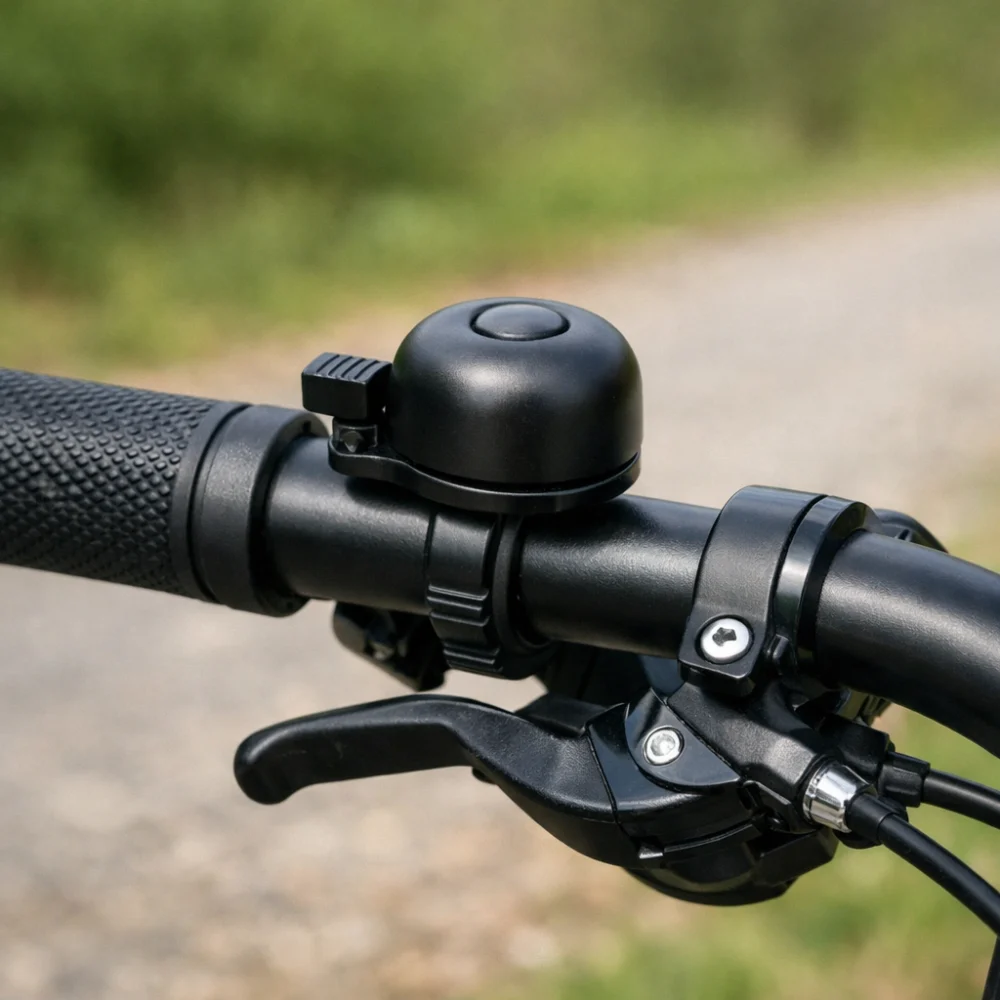

Cycling bells are a simple accessory, but choosing the right one is still worth a little thought. The main questions are usually where it will fit, how easy it is to use while riding, and whether the sound is clear enough for the setting you ride in.
For many buyers, the best choice is the one that feels natural on the bars and is easy to ring without taking your hand far from the controls. If you are replacing a worn bell, buying for a child’s bike, or fitting a bike used on shared paths, the details that matter are often different.
This guide focuses on practical buying choices rather than the category page itself. It should help you compare bells quickly and avoid paying for features you do not need.
Compare Cycling Bells




As an Amazon Associate we earn from qualifying purchases.
What should you look for in a cycling bell?
The best starting point is fit and ease of use. A bell should suit your handlebar layout, be reachable from your riding position, and produce a signal that feels appropriate for where you ride. A compact bell may be enough for casual path use, while a more prominent design may suit riders who want a stronger or more noticeable alert.
Specifications vary by model, so always check the individual product page before buying.
| Feature | What it means | Why it matters | What to check |
|---|---|---|---|
| Mounting fit | How the bell attaches to the handlebar | It affects whether the bell will sit securely and be easy to position | Handlebar diameter guidance, clamp style and space on the bars |
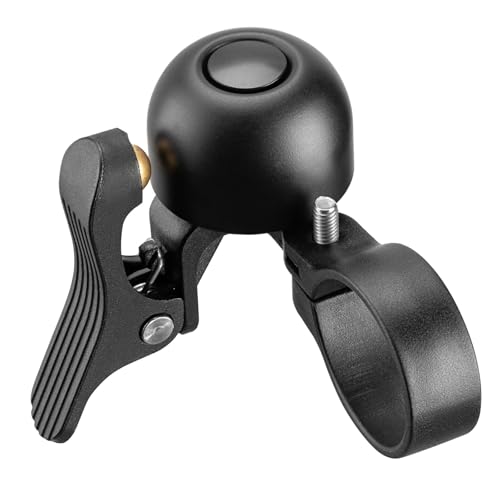
| Actuation style | How you ring the bell | Some are easier to use quickly or with gloves | Lever, thumb or switch placement and how natural it feels from the grip position |
| Sound character | The type of ring or alert it makes | Different sounds suit different riding environments and preferences | Whether the product page describes a clear ring, louder alert or another sound style |
| Size and profile | How much space the bell takes on the bars | Compact bells are less intrusive on crowded handlebars | Overall shape, clearance around grips and any nearby accessories |
| Material and finish | The outer body and surface treatment | Can affect appearance, feel and how well it stands up to regular use | Material description and whether the finish suits outdoor use and your bike style |
| Visibility of controls | How easy it is to find and use the bell while riding | A well-placed bell is more likely to be used when needed | Control position relative to brake levers, shifters and grips |
Key decision criteria explained
1) Handlebar fit and space
Fit is usually the first thing to check because it determines whether the bell can be mounted neatly. Bars may already be busy with grips, shifters, lights, computers or mirrors, so a bell that looks small in a photo can still feel awkward in practice. Leave enough room so the bell does not crowd the controls or force your hand into an uncomfortable position.
2) Ease of use while riding
A bell is most useful when it can be operated quickly without disrupting control of the bike. Think about whether the action can be reached from your normal hand position and whether it still feels easy with gloves or in wet weather. A bell that is technically compatible but awkward to use may get ignored.
3) Sound style and how noticeable it feels
Some buyers want a gentle, traditional ring, while others want a more attention-grabbing alert. The right choice depends on where you ride and how you prefer to signal your presence. A louder sound is not automatically better; it is more important that the bell sounds clear and suits the environment.
4) Size, shape and visual style
Compact bells can be easier to fit on crowded bars, while larger bells may be easier to find and use. A low-profile bell may suit a tidy commuter build, whereas a more visible design may feel better on a family or leisure bike. The trade-off is usually between neatness and ease of access.
5) Materials and finish
Bell bodies vary in appearance and feel, but the main buying question is whether the finish and construction suit regular outdoor use. If the bell will live on a bike parked outside or used in poor weather, it is sensible to look for a product that appears robust and straightforward to maintain.
Common cycling bell types and variants
There is not a huge amount of complexity in this category, but a few broad styles are worth distinguishing.
- Compact bells: Small, neat and usually best when handlebar space is limited.
- Classic-style bells: Often chosen for a more traditional look and a straightforward ring.
- Electric or powered alerts: These may suit riders who want a different kind of signal, but they add another thing to check, such as how they are powered and mounted.
- Child-friendly or brightly styled bells: These can be helpful on smaller bikes or where a more visible accessory is preferred, but the practical checks are still fit and ease of use.
Whatever style you choose, the same buying logic applies: check fit, check reach and decide whether the sound and size suit the bike.
Which bell suits which rider?
| Buyer need | What to prioritise | Why |
|---|---|---|
| Commuter or utility rider | Easy reach, tidy fit, clear sound | The bell should be simple to use in traffic and not interfere with other controls |
| Leisure rider | Comfort, neat appearance, straightforward operation | Ease of use often matters more than extra features |
| Family bike or child’s bike | Simple control and appropriate size | The bell needs to be easy to operate and suitable for the bike’s handlebar space |
| Bike with crowded handlebars | Compact mounting and minimal profile | Space is often the limiting factor |
| Replacement buyer | Mounting compatibility and familiar operation | The simplest replacement is usually the one that matches the existing setup closely |
Common mistakes to avoid
- Choosing on appearance alone: A bell can look neat but still be awkward to reach. Check the fit and control position first.
- Ignoring handlebar clutter: Lights, computers, mirrors and bags can limit space more than expected. Measure the available room mentally before you buy.
- Assuming louder is always better: The right sound depends on where you ride. Clear and suitable is usually more useful than simply attention-grabbing.
- Overlooking how it feels with gloves: A bell that is easy to operate bare-handed may be less convenient in colder weather.
- Buying a replacement without checking the mount: Similar-looking bells can attach differently. Confirm the mounting style before assuming it will swap straight over.
Safety and suitability caveats
A bell is a helpful courtesy and awareness aid, but it is not a substitute for riding considerately or choosing the right line on the road or path. It should be selected as part of a sensible setup for your bike and riding environment, not as a promise that others will always hear or react in a particular way.
If you ride in shared spaces, think about how the bell sounds to other path users and whether it is practical for the pace and conditions you usually encounter. The most suitable choice is the one that supports safe, predictable communication without being inconvenient to use.
Maintenance, storage and lifespan considerations
Cycling bells are usually low-maintenance, but they still benefit from occasional checking. Make sure the mount stays secure and that the moving part, if there is one, still feels smooth rather than sticky. If the bike is stored outside, look for a bell that appears suited to regular weather exposure and check it from time to time like any other handlebar accessory.
Over time, wear can show up in the ring mechanism, the clamp or the finish. For that reason, it is sensible to think about ease of access and replacement as well as first impressions when you buy.
How to compare cycling bells efficiently
- Decide where the bell will be used most often and what kind of riding it supports.
- Check how much room you have on the handlebars and whether the bell can sit comfortably there.
- Compare the control style, sound style and overall size.
- Look at any material or finish details that matter for your storage conditions and usage pattern.
- Read the individual product page carefully before making a final choice.
Summary buyer decision checklist
- Does the bell fit the available handlebar space?
- Is it easy to reach from your normal riding position?
- Does the sound suit where you ride?
- Will it work with the other accessories already on the bars?
- Is the style suitable for a child’s bike, commuter bike or leisure bike?
- Have you checked the individual product page for the exact mounting details?
Frequently asked questions
Do I need a cycling bell if I already have a voice or another signal?
A bell gives you a quick, consistent way to alert others without having to raise your voice. It is often more practical in everyday riding because it is immediate and predictable. Many buyers choose one simply because it is easy to use and takes up little space.
What matters more: a louder bell or a clearer bell?
Clarity is usually more useful than chasing the loudest possible sound. A bell that is easy to recognise and pleasant to use may be more effective in normal riding situations. The best choice depends on where and how you ride.
Can a bell fit any bike?
Not automatically. Fit depends on handlebar space, clamp style and the position of other accessories. Check the individual product page carefully and think about the real space available on your bike.
Are compact bells a compromise?
Sometimes, but not always. A compact bell can be the better choice if your handlebars are crowded or you want a tidier setup. The main question is whether it remains easy to use and clear enough for your needs.
Is a bell for a child’s bike different from an adult one?
The principles are the same, but size and ease of use matter even more on smaller bikes. A child-friendly bell should be simple to operate and not overwhelm the handlebar area. As always, check the exact product details before buying.
How should I choose a replacement bell?
Start by looking at the existing mounting position and how the current bell is used. If you already know what worked and what did not, aim for a replacement with a similar fit and a more comfortable control position. That usually makes the swap simpler and more satisfying.
Do I need to worry about weather?
It is sensible to think about it, especially if the bike is stored outdoors. Bells are exposed to rain, grime and regular handling, so a straightforward design with a secure mount is usually the easiest to live with. Check the product page for any details that suggest how the bell is intended to be used.
Mounting format and powered bells
Most bells attach around the handlebar, but some use a different position, such as the end of the bar. If considering an alternative mounting format, check the stated fit and whether it would occupy space used by a grip or another fitting; do not assume it will suit your bike because it is described as a cycling bell.
Electronic bells can offer a different kind of alert from a conventional mechanical ring, but add power and control checks to the decision. Look for how the unit is powered, whether a power source is included if that matters to you, and whether its switch can be reached comfortably from your usual hand position.
More Cycling Bells
See all 269 Cycling Bells →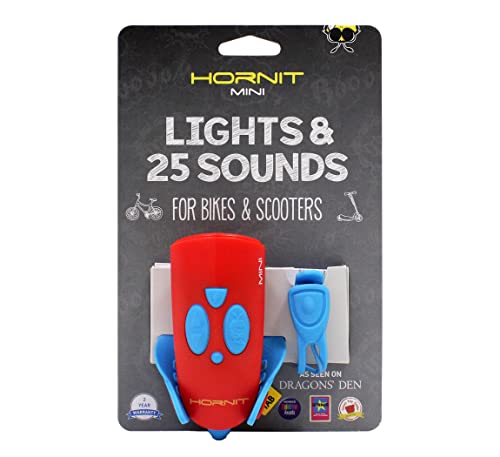


As an Amazon Associate we earn from qualifying purchases.


