

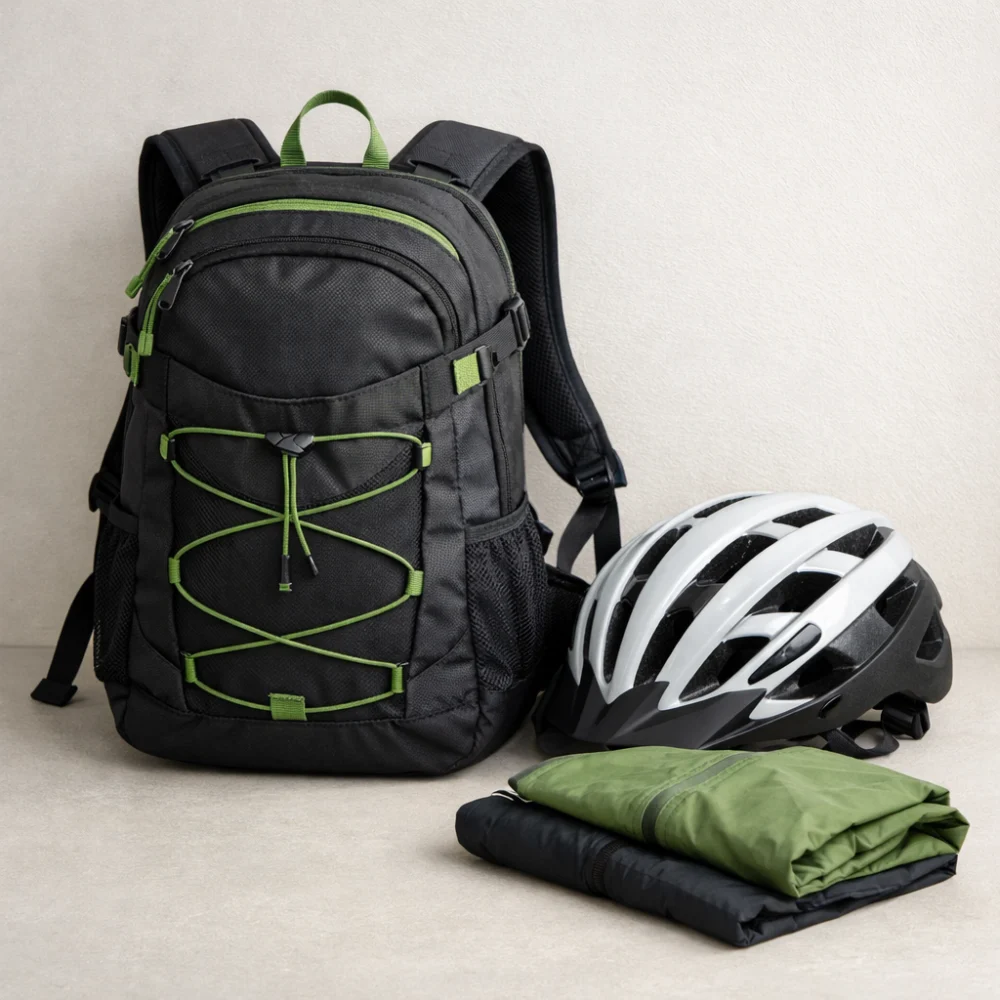

Choosing a cycling rucksack is mostly about balancing comfort, stability and the amount you need to carry. The right bag for a short commute may be very different from one you would use for longer rides, mixed weather or carrying extra layers and tools.
This guide helps you compare the main options without getting lost in marketing terms. It focuses on the practical differences that affect how a rucksack feels on the bike and how easy it is to live with day to day.
Because cycling rucksacks overlap with daypacks, hydration packs and lightweight commuter bags, it helps to start with your actual use case rather than the label on the product page.
Compare Cycling Rucksacks


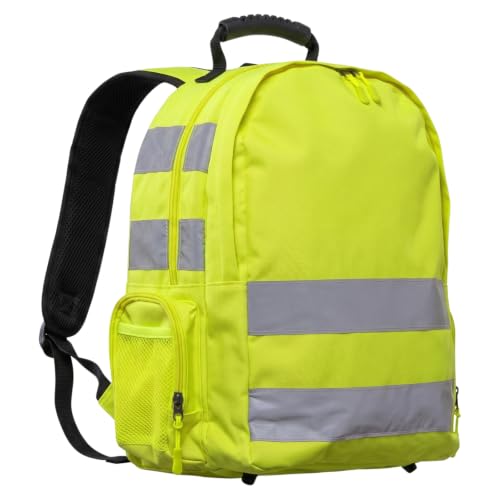
As an Amazon Associate we earn from qualifying purchases.
What should you look for in a cycling rucksack?
The best starting point is to match the bag to how far you ride and what you need to carry. For many buyers, comfort on the bike matters more than pure capacity, especially if the rucksack will be worn for regular commuting or longer rides. A smaller, better-fitting bag can often feel more manageable than a larger one that shifts around.
The main trade-off is usually between space and stability. More room can be useful, but extra size can make the bag warmer, heavier and less settled when you move. Specifications vary by model, so always check the individual product page before buying.
| Feature | What it means | Why it matters | What to check |
|---|---|---|---|
| Capacity | How much the rucksack can carry | Helps you judge whether it suits commuting, short rides or longer trips | Think about the items you carry most often rather than choosing the biggest option |
| Fit and harness | How the straps and back panel sit on your body | Affects comfort, movement and how securely the bag stays in place | Look for adjustable straps and a shape that matches your torso and riding position |
| Ventilation | How the back panel manages heat and airflow | Can make a noticeable difference on warmer days or harder efforts | Check whether the design is meant to reduce contact and sweating |
| Weather resistance | How well the bag deals with rain and road spray | Important if you commute or ride in changeable weather | See whether water resistance, a cover or a dry-bag style design is mentioned |
| Organisation | Pockets, compartments and carry options | Helps separate tools, food, electronics and wet items | Check the internal layout and whether it suits the gear you actually carry |
| Hydration support | Whether the pack is designed for a water bladder or bottle storage | Useful for longer rides where easy drinking matters | Confirm the bag is set up for hydration if that is a priority |
Key decision criteria
Capacity and carrying needs
Capacity is one of the easiest ways to narrow the choice, but it should not be the only factor. A bag that is large enough for work items, layers or lunch may be useful, but if you rarely fill it, a smaller bag may ride more comfortably. Consider the shape of your usual load as well as the volume.
If you carry bulky but light items, such as a jacket, the shape of the main compartment may matter more than the headline size. If you carry dense items such as tools or a lock, a bag with better internal organisation can help keep weight balanced.
Comfort and stability
For cycling, how a rucksack moves is often as important as how much it holds. Look for straps that can be adjusted securely and a design that feels close to the body without pinching. A bag that bounces or pulls to one side can become tiring over time.
The riding position matters too. An upright commuter posture and a more forward-leaning riding position may suit different back shapes and strap layouts. What feels fine when standing may feel different once you are on the bike, so think about the fit in riding position rather than just in the shop.
Ventilation and warmth
Any rucksack adds some contact and heat, so back ventilation is worth considering if you ride in mild or warm conditions. Some designs aim to reduce the area touching your back, while others prioritise a simpler, lighter build. The better choice depends on whether you value airflow more than a close, compact fit.
Weather protection
If you ride in the UK through changing weather, it is sensible to check how the bag handles moisture. Some models focus on water resistance, while others may rely on a separate cover or a roll-top style closure. A water-resistant bag can still need extra protection for valuables in prolonged rain.
Organisation and access
Think about how often you need to reach items while out. A simple single-compartment design can be fine if you want minimal weight and fuss, but it may be less convenient if you carry small essentials. Separate pockets can help with organisation, although too many compartments can make a bag harder to pack efficiently.
Common cycling rucksack types
There is a lot of overlap between product descriptions, but a few broad types are useful when comparing options.
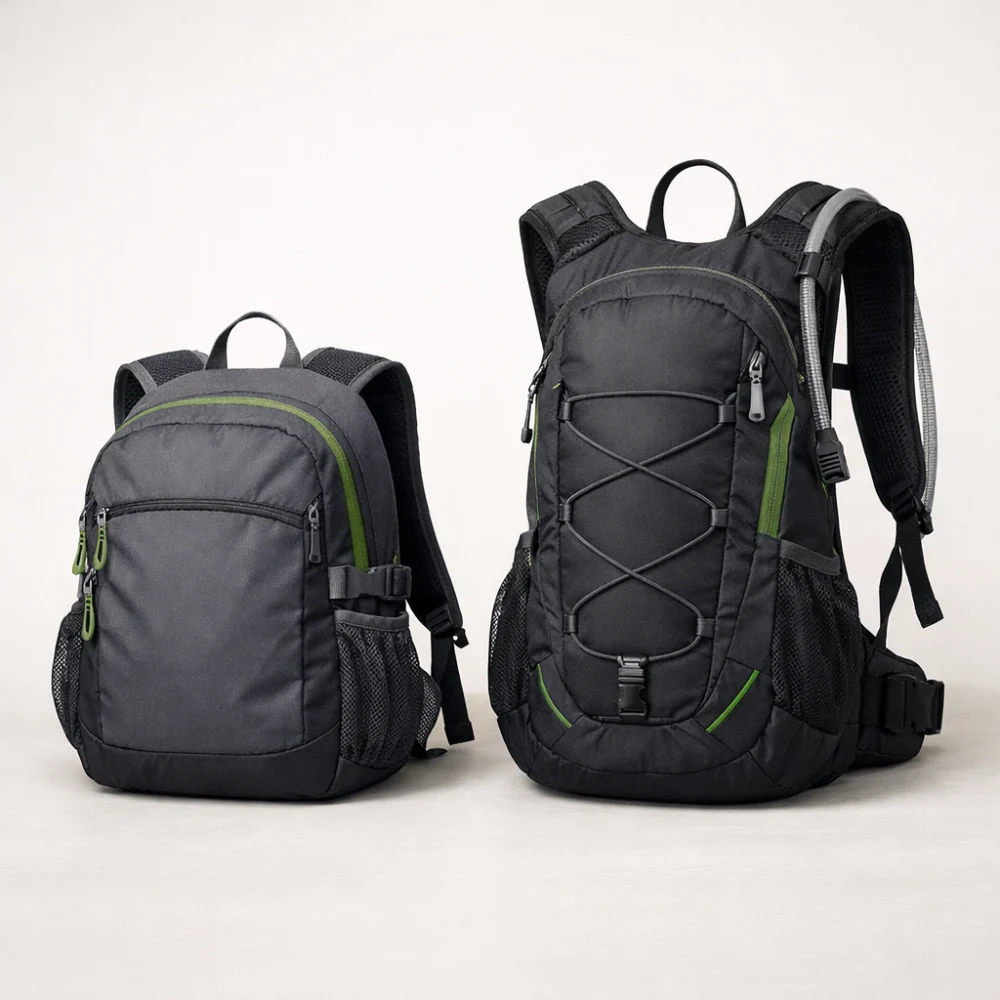
- Compact commuter packs: suited to short rides and everyday essentials. Their main advantage is ease of carrying, while the limitation is reduced space for extra layers or shopping.
- Hydration-focused packs: designed with drinking on the move in mind. They can suit longer rides, but may offer less room for other items than a general-purpose bag.
- Water-resistant or weather-focused packs: helpful for riders who face rain or road spray. The trade-off is that weather protection can add weight or reduce packing flexibility.
- Lightweight daypacks: useful if you want a simple bag that also works off the bike. They may be versatile, but not always as secure or ventilation-led as a cycling-specific design.
Which rucksack suits which rider?
| Buyer need | What to prioritise | What to avoid overlooking |
|---|---|---|
| Daily commuting | Comfort, weather resistance and enough organisation for work essentials | Whether the bag feels stable when riding with a full load |
| Longer leisure rides | Fit, ventilation and hydration options | How much extra weight you are willing to carry |
| Minimal carry | Compact size and light construction | Whether the bag still has space for a spare layer or basic tools |
| Mixed use off the bike | Simple design and versatile storage | Whether the cycling fit is still comfortable enough for riding |
| Weather-prone routes | Water resistance and secure closures | Protection for electronics or other sensitive items inside the bag |
Common mistakes to avoid
- Choosing size before purpose: a bigger bag is not always a better one if it encourages you to carry more than you need.
- Ignoring fit: comfort depends on how the rucksack sits while riding, not just how it feels for a moment when empty.
- Assuming all weather protection is the same: some bags cope better with drizzle than prolonged wet conditions.
- Overlooking access: if you regularly need snacks, a lock, keys or a phone, pocket layout matters.
- Forgetting the ride position: a bag that seems fine standing still may feel different on a bike with a more bent-over posture.
Safety and suitability notes
A cycling rucksack should support your ride, not interfere with it. Make sure the bag does not restrict movement, feel unstable or distract you when you are on the bike. If you plan to carry electronics, paper documents or other sensitive items, check whether the bag offers enough protection for the conditions you expect.
It is also worth being realistic about load. Even a well-designed rucksack can feel awkward if overfilled or packed unevenly, so consider what you normally carry rather than what you might carry once in a while.
Maintenance, storage and everyday use
Most cycling rucksacks are easier to look after if you keep them clean and dry after wet rides. Dirt, sweat and road spray can build up over time, so a simple care routine helps the bag stay pleasant to use. If the bag includes hydration-related features or removable inserts, check how those parts are meant to be cleaned separately.
Storage also matters. A rucksack that is crushed or stored damp may lose shape or develop odours, so let it air out when needed. If you use the bag year-round, it can be worth checking how easy it is to empty, wipe down and pack away.
How to compare options efficiently
- Start with your main use: commuting, fitness rides, longer rides or mixed use.
- Decide how much you usually need to carry, including any jacket, tools or drinks.
- Compare fit, ventilation and weather resistance before looking at extra features.
- Check the pocket layout and access points against the items you use most often.
- Read the individual product page carefully for the details that vary from model to model.
Summary buyer decision checklist
- Does the bag suit the type of riding you do most often?
- Is the capacity enough without being larger than you need?
- Will the fit feel secure and comfortable on the bike?
- Does the bag offer the weather protection you expect?
- Is the pocket layout practical for your everyday items?
- Do you need hydration support or a simpler general-purpose design?
- Have you checked the individual product page for the exact specifications?
Frequently asked questions
How big should a cycling rucksack be?
That depends on what you carry on a normal ride. For light essentials, a compact bag may be enough, while commuting or longer outings may call for more room. It is usually better to size for your regular load rather than occasional one-off items.
Are cycling rucksacks different from ordinary daypacks?
They can be. Cycling-focused designs often place more emphasis on stability, fit, ventilation or weather handling, whereas a general daypack may focus more on everyday versatility. The difference is not always dramatic, so it is still worth checking the details on the product page.
Do I need a waterproof cycling rucksack?
Not necessarily, but weather resistance is worth considering if you ride often or carry items that should stay dry. Some riders are happy with a water-resistant bag and a cautious packing approach, while others prefer stronger protection for regular wet-weather use.
What matters most: ventilation or weather protection?
That depends on your local conditions and how hard you ride. If you ride in warm weather or climb a lot, ventilation may matter more. If you commute year-round or face frequent rain, weather resistance may be the bigger priority.
Can I use a cycling rucksack for walking or travel too?
Yes, many buyers want a bag that works in more than one setting. The main thing to check is whether the cycling fit still feels comfortable enough on the bike, since a versatile bag is only useful if it performs well for your main use.
Is a hydration pack worth it for cycling?
It can be useful if you ride for longer periods and want easy access to water. If you mainly do short rides, a simpler pack may be easier to carry and organise.
Check hydration-system details
If you want to carry a hydration bladder, check whether one is included or needs to be bought separately, and whether the rucksack is designed to accommodate it. Do not assume that a hydration pocket means a particular bladder will fit; check the product information for any stated size or compatibility details.
More Cycling Rucksacks
See all 190 Cycling Rucksacks →


As an Amazon Associate we earn from qualifying purchases.


