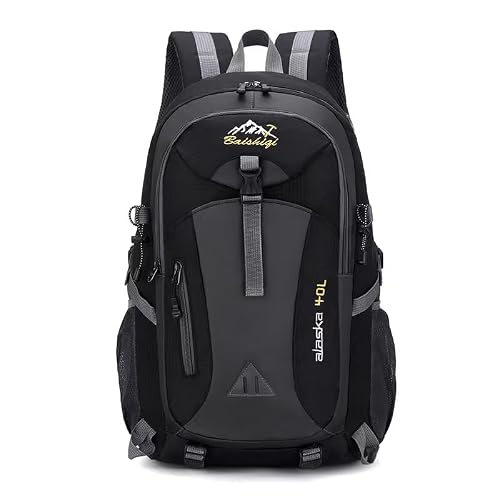
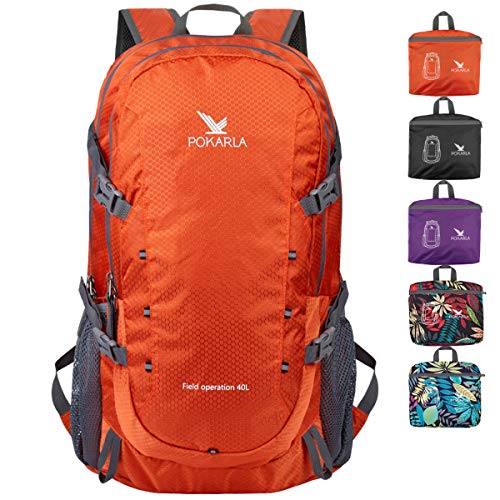
Cycling Rucksacks
Cycling rucksacks are designed to help riders carry daily essentials, spare layers, tools, food, work items or ride kit without needing a pannier or frame bag. The right cycling rucksack should feel secure, comfortable and practical while you are riding.
At YPC, you can browse cycling rucksacks for commuting, mountain biking, leisure rides, fitness cycling and longer days out. Whether you need a small pack for keys and a jacket or a larger rucksack for work gear and extra clothing, this category helps you compare the details that matter.
What Are Cycling Rucksacks?
Cycling rucksacks are backpacks made or chosen with cycling in mind. They are worn on the rider’s back and are useful when you want to carry items without attaching bags to the bike.
Depending on the product, cycling rucksacks may include features such as padded shoulder straps, chest straps, waist straps, breathable back panels, internal compartments, hydration compatibility, reflective details or rain covers where listed.
They are different from ordinary everyday backpacks because cycling rucksacks usually focus more on stability, comfort, movement and access while riding.
What Are Cycling Rucksacks Used For?
Cycling rucksacks are used for carrying personal items and ride essentials. They can be useful for commuting to work, riding to school or college, cycling to the gym, trail riding, weekend routes and general outdoor use.
A cycling rucksack can carry items such as a phone, wallet, keys, waterproof layer, snacks, spare tube, mini pump, multitool, lock, lights or a change of clothing, depending on its size and layout.
Some riders prefer rucksacks because they are simple, removable and do not need pannier racks or bike mounted luggage. This makes them especially useful for riders who use more than one bike.
How To Choose The Right Cycling Rucksack
Start by thinking about what you need to carry. A small cycling rucksack may be enough for short rides, light commuting or fitness cycling. A larger rucksack may be better for work items, extra layers or longer days away from home.
Comfort is just as important as capacity. A rucksack that feels fine while standing can feel very different once you are leaning forward on a bike. Look for adjustable straps, a secure fit and a shape that suits your riding position.
You should also think about weather, visibility and organisation. If you ride in changeable conditions, water resistant materials or a rain cover may be useful where listed. If you ride in traffic or low light, reflective details may help as part of your wider visibility setup.
Key Features To Compare
When comparing cycling rucksacks, look at capacity, fit, strap design, back ventilation, compartments, material, water protection and ease of access.
Capacity is usually shown in litres where listed. Smaller packs suit light essentials, while larger packs can carry clothing, food or work items. A bigger bag is not always better, as extra space can encourage overpacking and may feel bulky on the bike.
Compartments can make a big difference. Separate pockets for tools, keys, bottles, laptops or wet clothing may be useful depending on the product. For commuting, a padded laptop section may be helpful where listed. For trail riding, a hydration bladder pocket may be more useful where compatible.
Cycling Rucksacks Compared With Pannier Bags
Cycling rucksacks are simple and flexible because they move with the rider and do not need a rack. They are easy to carry off the bike and can be used across different bikes.
Pannier bags attach to a pannier rack and take weight off your back. They can be useful for heavier loads, shopping, touring or longer commutes. The trade off is that they usually need a compatible rack and may not suit every bike.
If you carry light to medium items and want a bag you can use on and off the bike, a cycling rucksack may be the practical choice. If you regularly carry heavy loads, pannier bags may be more comfortable over distance.
Cycling Rucksacks Compared With Frame Bags And Bar Bags
Frame bags and bar bags attach directly to the bike. They keep weight off your body and can be useful for tools, snacks, phones and compact items.
A cycling rucksack gives more flexible storage and can usually carry bulkier items such as clothing or work gear. It is also easier to take with you when you leave the bike.
The trade off is that a rucksack adds weight to your shoulders and back. For short rides this may not matter, but for longer rides or hot weather, ventilation and fit become more important.
Beginner, Regular Rider And Experienced Cyclist Guidance
Beginners should look for a comfortable, easy to adjust cycling rucksack with enough space for essentials. A simple design with a secure fit is often more useful than a complicated pack with features you may not use.
Regular riders may want to compare organisation, weather protection and how the rucksack feels over repeated rides. If you commute or cycle several times a week, strap comfort and back ventilation can make a noticeable difference.
Experienced riders may look more closely at pack stability, weight, hydration compatibility, access points and how the rucksack works with helmets, jackets and cycling clothing. For longer or faster rides, a stable pack is especially important.
Use Cases By Rider Type And Activity
For commuters, cycling rucksacks are useful for carrying work essentials, lunch, waterproof clothing and personal items. A neat internal layout can help keep everyday items organised.
For mountain biking, a compact and secure rucksack can carry tools, snacks, spare layers and hydration equipment where compatible. Stability matters because off road riding involves more movement.
For leisure riders, a small or medium rucksack can be useful for family rides, days out and local routes. For fitness cyclists, a lightweight pack may be enough for a jacket, phone and basic repair kit.
For longer rides, comfort, ventilation and sensible packing become more important. Carrying only what you need can help reduce fatigue.
Fit, Comfort And Stability
A cycling rucksack should sit securely on your back without swinging from side to side. Adjustable shoulder straps help position the bag, while chest and waist straps can improve stability where included.
The back panel can affect comfort, especially in warm weather. Breathable or raised back designs may help airflow where listed, although no rucksack will feel completely cool during hard riding.
The shape of the bag also matters. A slim profile can feel better in a cycling position, while a wide or bulky bag may get in the way. Check product images and details carefully before choosing.
Compatibility With Your Bike And Riding Kit
Cycling rucksacks are generally compatible with most bikes because they are worn by the rider rather than fitted to the frame. This makes them useful for road bikes, mountain bikes, hybrid bikes, electric bikes and folding bikes.
You should still think about how the rucksack works with your clothing and equipment. Thick winter jackets, helmets, hydration tubes, lights and reflective clothing can all affect how comfortable the bag feels.
If the rucksack includes loops or attachment points, only use them as described in the product listing. Avoid adding loose items that could swing, catch or distract you while riding.
Safety And Visibility Considerations
A cycling rucksack should not block your movement, balance or view over your shoulder. It should sit securely and should not interfere with steering, braking or riding position.
Reflective details can be useful where listed, especially for commuting or low light rides. However, they should not replace proper bike lights, visible clothing and safe road positioning.
Avoid overloading the rucksack. A heavy or poorly balanced bag can make riding less comfortable and may affect handling, especially when climbing, braking or riding out of the saddle.
Care, Maintenance And Storage
Follow the care instructions shown on the product listing or label. Most cycling rucksacks benefit from regular cleaning, especially after wet rides, muddy trails or sweaty commutes.
Empty the bag after use and allow it to dry properly before storage. This is especially important if you carry damp clothing, food containers or wet accessories.
Check straps, zips, buckles and seams regularly. If the rucksack includes a rain cover or hydration compartment, make sure these are clean, dry and stored correctly when not in use.
Useful Accessories To Consider
Cycling rucksacks work well with other practical cycling accessories. A compact pump, puncture repair kit, multitool, spare tube and tyre levers can be useful for many riders.
For commuting, lights, reflective clothing, waterproof trousers and a bike lock may also be worth considering. For longer rides, a drink bottle, hydration bladder where compatible, snacks and a lightweight waterproof layer can help you stay prepared.
Choose accessories based on your route, bike and riding habits. A well packed rucksack should support your ride, not feel like unnecessary weight.
Why Buy From YPC?
At YPC, we understand active lifestyles and the need for practical products that work in real use. Cycling rucksacks should be comfortable, secure and suited to the way you ride, whether that means commuting, trail riding or casual weekend cycling.
This category helps you compare capacity, fit, compartments, weather protection and riding comfort without overcomplicating the choice. Browse the cycling rucksacks at YPC, compare the available options and choose the pack that fits your ride and your everyday routine.
FAQs
What size cycling rucksack do I need?
The right size depends on what you carry. A small rucksack may suit short rides and essentials, while a larger rucksack may be better for commuting, spare clothing or longer days out. Check the listed capacity and compartments before buying.
Are cycling rucksacks better than normal backpacks?
Cycling rucksacks are usually better for riding because they focus on stability, comfort and movement. A normal backpack may work for short trips, but it may shift around, feel hot or sit awkwardly in a cycling position.
Can I use a cycling rucksack for commuting?
Yes, cycling rucksacks are a popular choice for commuting. Look for suitable capacity, organised compartments, comfortable straps and water protection where listed.
Are cycling rucksacks waterproof?
Some cycling rucksacks may be waterproof or water resistant where listed, while others may include a rain cover. Always check the individual product details, as water protection can vary.
Do cycling rucksacks work with hydration bladders?
Some cycling rucksacks are hydration compatible where listed. Check whether the product has a bladder pocket, tube routing and suitable capacity before buying a hydration bladder.
Are cycling rucksacks suitable for mountain biking?
Yes, many riders use cycling rucksacks for mountain biking. A compact, stable pack can carry tools, snacks, spare layers and hydration equipment where compatible.
Will a cycling rucksack make my back hot?
Any rucksack can make your back feel warmer during riding. Breathable back panels and lighter packing may help, depending on the product and conditions.
What should I carry in a cycling rucksack?
Common items include keys, phone, wallet, waterproof layer, snacks, pump, spare tube, multitool, tyre levers and lights. What you carry should match your route, ride length and weather.
Getting ready for Summer? View our Home and Garden Products
Heading outdoors this winter? Take a look at our Outdoor Clothing.