

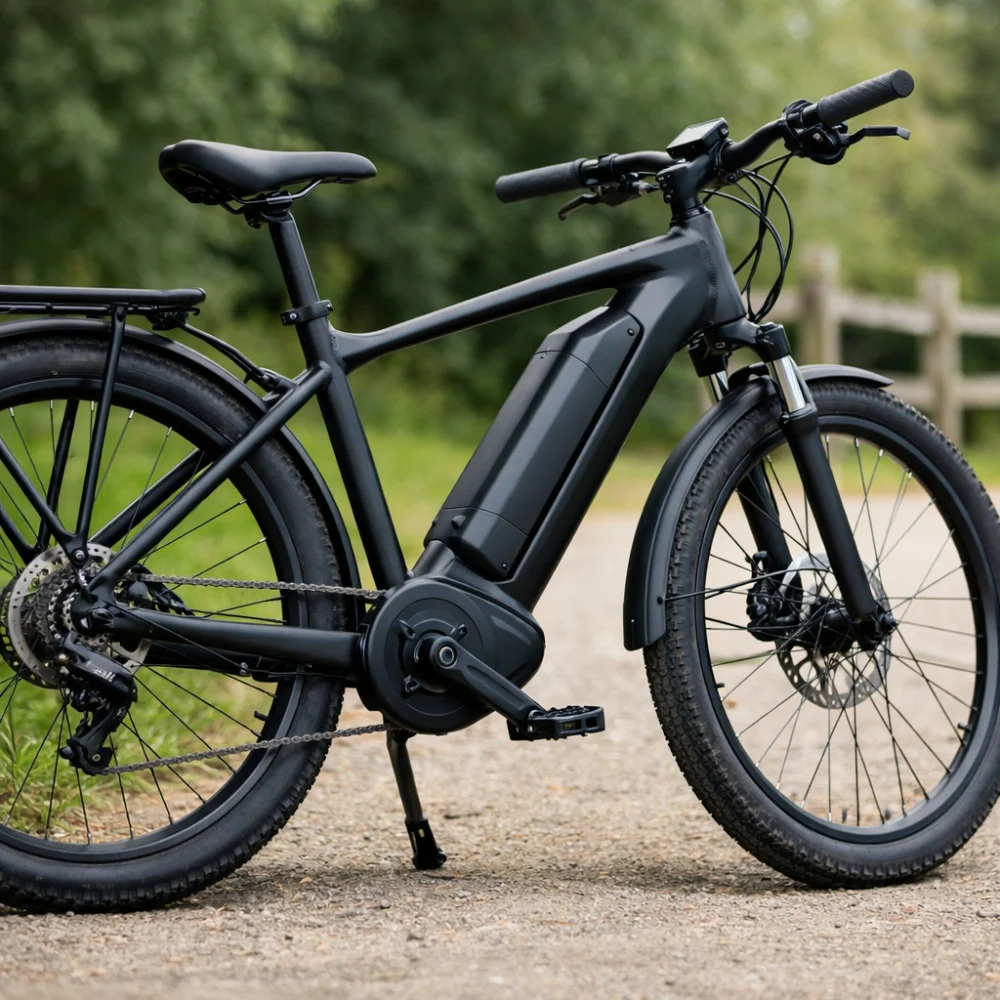
Electric bikes can make commuting, leisure rides and everyday errands feel more manageable, but there is still plenty to compare before you choose one. The right option depends on where you ride, how often you will use it and whether you want a more upright city setup, a folding bike for storage or something that feels closer to a traditional bicycle.
This guide focuses on the buying questions that matter most at category level. It helps you compare assistance, battery expectations, riding position, portability and practical ownership considerations without assuming that every model is built for the same job.
Specifications vary by model, so always check the individual product page before buying.
Compare Electric Bikes



As an Amazon Associate we earn from qualifying purchases.
What should you look for when buying an electric bike?
Start with the way you plan to use the bike, then compare the features that affect comfort, practicality and range. A lighter, more compact bike may suit short urban trips, while a more substantial frame or wider-tyre style may feel better if you want extra stability or a more versatile ride. The most useful trade-off is usually between portability, comfort and battery capacity. Specifications vary by model, so always check the individual product page before buying.
| Feature | What it means | Why it matters | What to check |
|---|---|---|---|
| Intended use | Whether the bike is aimed at commuting, leisure, mixed-surface riding or carrying loads | Different uses favour different frame styles and riding positions | Look for the style and layout that match your usual journeys |
| Battery and assistance | How much support the motor and battery are intended to provide | Affects how far you can ride and how much effort is needed | Check the listed battery details and any stated range on the product page |
| Frame style | Traditional, folding or more specialist designs | Influences storage, transport and mounting convenience | Consider whether you need easier storage, a compact shape or a standard ride feel |
| Tyre and riding style | The type of tyres and the kind of terrain the bike is meant to suit | Changes comfort, grip and how the bike feels on different surfaces | Match the tyre style to roads, paths or mixed terrain you expect to use |
| Brakes and controls | The stopping system and how the assistance is managed | Affects confidence, control and ease of use | Check that the control layout and braking setup suit your preferences |
| Weight and handling | How easy the bike is to move, lift and store | Important if you need to carry it upstairs or store it in a small space | Review the stated weight and think about where you will keep it |
Key decision criteria explained
Where will you ride?
Your regular route matters more than any single feature. City riding usually favours easy mounting, predictable handling and a practical riding position, while mixed routes may call for a bike that feels steadier on rougher surfaces. If you mainly ride for commuting, convenience and storage can be as important as assistance.
How much help do you want from the motor?
Some buyers want a bike that simply makes hills and starts easier, while others want to rely on assistance more often. That choice affects how natural the bike feels to pedal and how far you may be able to ride before recharging. Think about whether you want occasional support or a ride that is designed around assisted travel.
How important is portability?
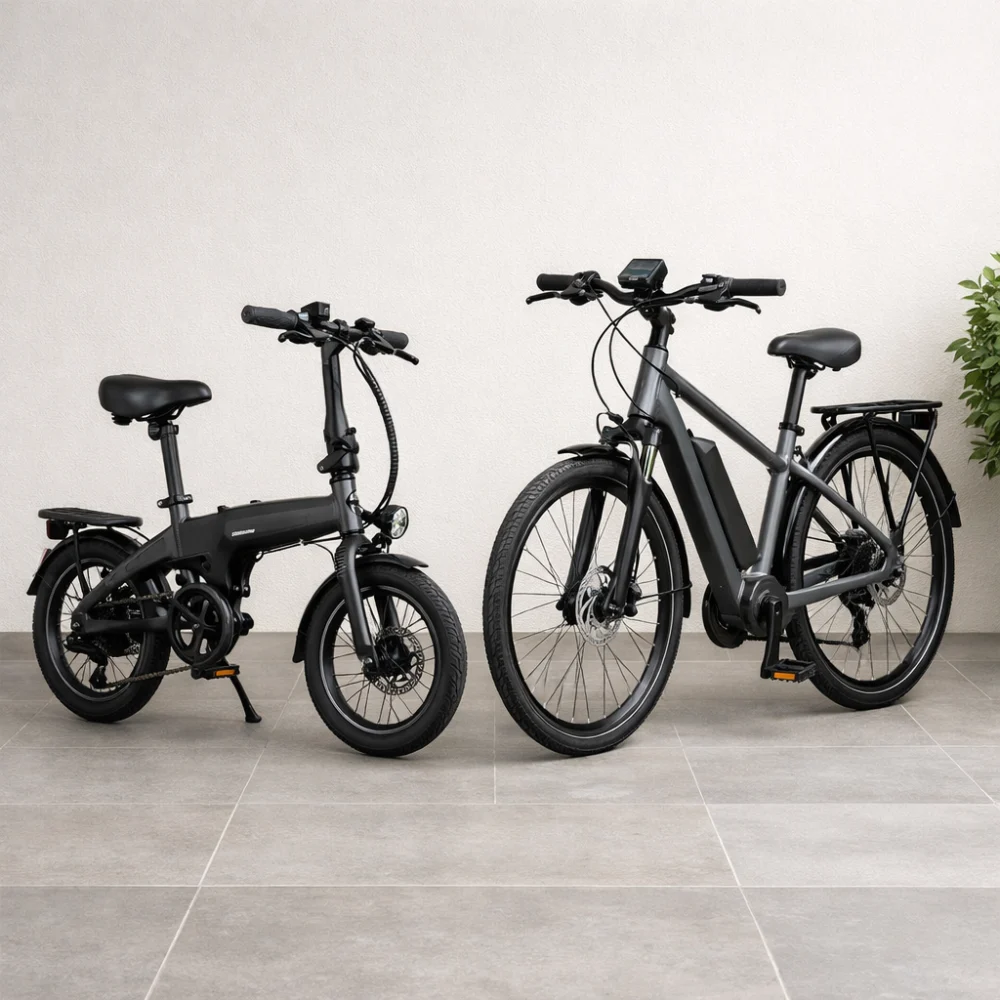
If you need to carry the bike indoors, store it in a flat or fit it in a car boot, portability can matter a great deal. Folding models are often considered for this reason, but the folding mechanism is only one part of the decision; the bike still needs to feel practical when ridden and manageable when lifted. Weight, folded size and ease of handling all deserve attention.
What riding position feels comfortable?
Riding position affects both comfort and confidence. An upright position can be easier for city use and visibility, while a more stretched posture may suit riders who prefer a sportier feel. Try to match the frame shape and handlebar position to how you naturally like to sit on a bike.
Common electric bike types and variants
Electric bikes are not all aimed at the same rider. Understanding the main styles makes it easier to narrow the choice.
- City or commuter styles are generally chosen for everyday journeys, errands and straightforward urban riding.
- Folding electric bikes may suit buyers who need easier storage or mixed transport, though they can involve a compromise on ride feel or carrying convenience.
- More robust or wider-tyre styles may appeal to riders who want a steadier feel or more versatility on uneven surfaces.
- Cargo-leaning or tricycle-style options may suit people who value stability or practical carrying ability over a lightweight ride.
The right variant depends on whether you care most about compact storage, comfort, stability or everyday practicality. Do not assume that one style is more suitable just because it looks more technical.
Which electric bike suits which buyer?
| Buyer need | What to prioritise | Why it helps | Trade-off to accept |
|---|---|---|---|
| Daily commuting | Convenient size, comfortable position and easy controls | Makes repeated trips simpler and less tiring | You may give up some off-road capability or specialist features |
| Small-space storage | Compact frame or folding design | Helps with flats, sheds and mixed transport | May involve more effort when lifting or unfolding |
| Leisure riding | Comfort, ride feel and enough assistance for relaxed outings | Makes longer recreational rides more enjoyable | Heavier or less compact bikes can be harder to store |
| Stability-first use | Steady handling and a design that feels secure at low speed | Useful when confidence matters more than speed | May be less nimble than a lighter conventional bike |
| Mixed terrain | Tyres and frame style suited to varied surfaces | Helps the bike feel more adaptable | Could be less efficient on smooth roads |
Common mistakes and misunderstandings
- Choosing on range alone. Range claims can be helpful, but they do not tell the full story. Comfort, weight and how the bike feels in real use may matter just as much.
- Ignoring storage needs. A bike that is fine on the road may be awkward to keep at home or work. Check whether the size and weight fit your routine.
- Overlooking the riding position. A bike can look suitable on paper and still feel wrong if the frame shape does not suit your posture.
- Assuming folding means lightweight. Folding bikes are chosen for convenience, not automatically for easy carrying. Always check the practical handling details on the product page.
Safety and suitability caveats
Make sure the bike suits the rider, the route and the storage space before you buy. If you are choosing for a commuter, a less experienced rider or someone with access needs, the easiest option is not always the most suitable one. Also remember that specifications vary by model, so always check the individual product page before buying.
Maintenance, storage and ownership considerations
Electric bikes usually need the same basic care as other bicycles, plus attention to charging and battery storage. It is sensible to think about where the bike will live between rides, how easy it is to bring indoors and whether the charging routine fits your habits. If a bike is used often, practical details like cleaning, tyre care and keeping the battery charged in a sensible way can affect long-term satisfaction.
How to compare electric bike options efficiently
- Decide where you will ride most often.
- Choose the bike style that suits storage, comfort and handling.
- Compare battery and assistance details against your expected use.
- Check weight, riding position and any foldability or loading needs.
- Read the individual product page carefully before making a final choice.
Summary buyer decision checklist
- Does the bike suit your main type of riding?
- Is the riding position comfortable for you?
- Do the battery and assistance details match your expected journeys?
- Will the size and weight work in your home, workplace or car?
- Is the style practical for your route and storage needs?
- Have you checked the individual product page for the exact model details?
Frequently asked questions
Are electric bikes only for commuting?
No. Many buyers use them for commuting, but they can also suit leisure rides, errands and mixed-purpose travel. The key is to choose a style that matches how and where you will actually ride.
Is a folding electric bike always the most practical option?
Not always. Folding bikes can help with storage and transport, but they are not automatically the easiest to carry or the most comfortable to ride. Compare the folded size, weight and general handling before deciding.
How important is battery range?
It matters, but only as part of the wider decision. Your route, how much assistance you use and how often you can recharge all affect whether a claimed range feels realistic for your needs.
What makes one electric bike more comfortable than another?
Riding position, frame style, controls and tyre choice all influence comfort. A bike that suits your posture and usual surface is often more comfortable than one that simply looks more advanced.
Can I use an electric bike for mixed surfaces?
Some bikes are better suited to mixed surfaces than others, but the right choice depends on the actual design of the bike. Check the frame, tyres and overall intended use rather than assuming all electric bikes handle the same conditions.
What should I compare first if I am unsure?
Start with use case, storage and riding position. Once those are clear, compare battery and assistance details, then review the product page for the exact model information.
More Electric Bikes
See all 484 Electric Bikes →


As an Amazon Associate we earn from qualifying purchases.


