

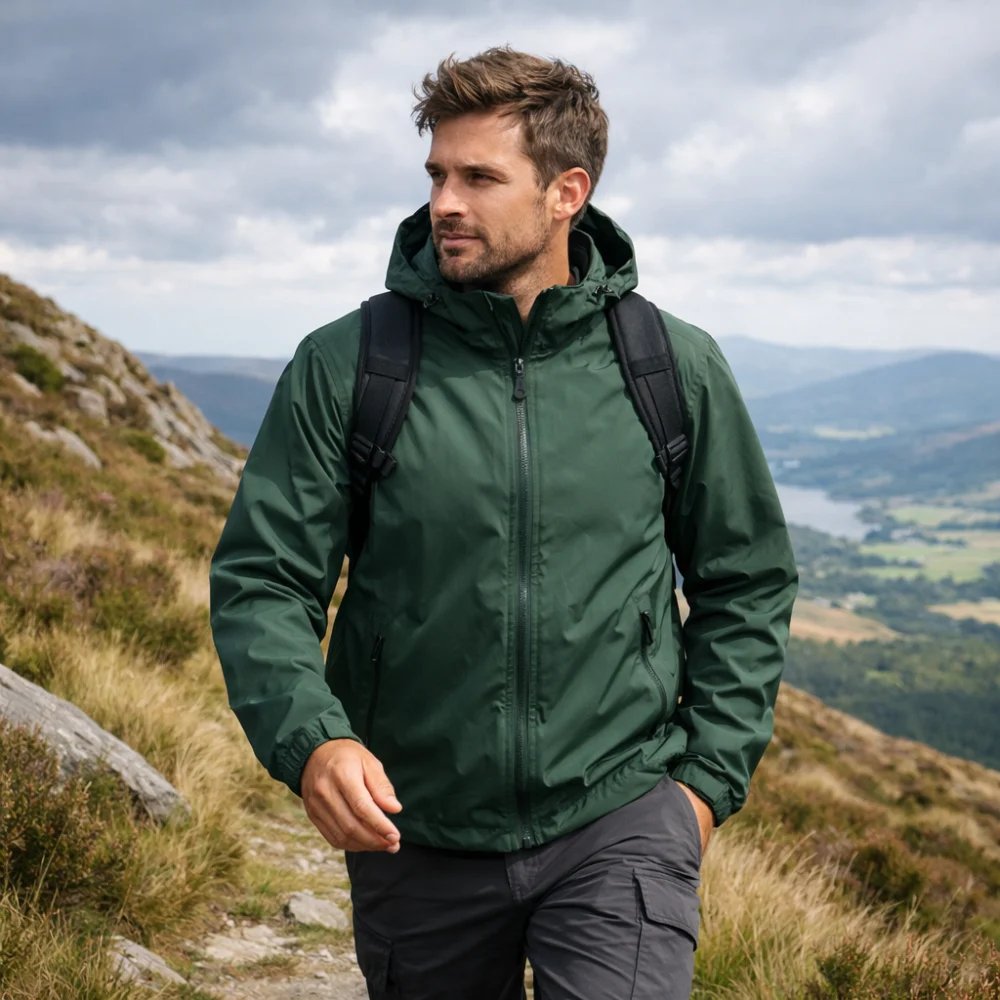
Men’s windproof jackets are a useful choice when you want to cut the chill from exposed paths, breezy hills and changeable days outdoors. They sit between lightweight layers and more weatherproof shells, so the main decision is usually how much wind protection you need versus how much breathability and packability you want.
This guide focuses on practical buying choices for walking and hiking. It helps you compare the features that matter, avoid common misunderstandings and narrow down the right type of jacket for your planned use.
Compare Men's Windproof Jackets


As an Amazon Associate we earn from qualifying purchases.
What should you look for in a men’s windproof jacket?
The best starting point is how you plan to wear it. If you want a jacket for brisk walks, hill paths or layering over a fleece, look first at wind resistance, fit and breathability rather than heavy insulation. If you expect occasional drizzle as well as wind, check whether the jacket offers any water resistance, but do not assume a windproof jacket will replace a waterproof shell. Specifications vary by model, so always check the individual product page before buying.
In practice, the main trade-off is simple: the more protective and structured a jacket feels, the less airy or compact it may be. A lighter jacket is often easier to carry and wear over a range of temperatures, while a more substantial one may feel better in stronger wind or on colder outings.
| Feature | What it means | Why it matters | What to check |
|---|---|---|---|
| Wind resistance | How well the jacket helps block moving air | Reduces chill on exposed walks and higher ground | Look for the product description’s intended use and any windproof wording |
| Breathability | How easily heat and moisture can escape | Helps you stay comfortable when walking hard or wearing layers | Check whether the jacket is described as breathable, ventilated or suited to active use |
| Fit and layering room | How the jacket sits over a base layer or fleece | Affects comfort, movement and whether the jacket works across seasons | Read fit notes carefully and consider what you will wear underneath |
| Packability | How easy it is to stow in a bag or carry | Useful for variable weather and backup layers | Look for packable design details if you want a jacket to keep with you |
| Weather resistance | Any added help against light rain or damp conditions | Can be useful in mixed conditions, but varies widely | Check the product page rather than assuming windproof means waterproof |
| Hood and cuffs | Features that help seal out draughts | Can improve comfort in exposed weather | See whether the hood is fixed, adjustable or absent, and how the cuffs close |
Key decision criteria explained
Wind protection
Windproof jackets are designed to reduce the effect of moving air on your body, which can make a big difference when you stop for a break or walk in open conditions. The question is not whether you need wind protection at all, but how much exposure you expect and how warm you tend to run. A jacket that is enough for a sheltered towpath may feel too light on a ridge or a coastal walk.
Breathability and comfort in motion
If you walk at a steady pace, breathability is often just as important as wind resistance. A jacket that traps too much heat can feel uncomfortable even if it blocks the breeze well. Think about whether you want something for active walking, cooler everyday use or occasional overlayering, then check the product wording for clues about ventilation and comfort.
Fit, mobility and layering
Fit affects how useful the jacket is in real life. A close fit may feel neat and efficient, but it can restrict room for a fleece or base layer. A roomier cut is often easier to layer, though it may catch more air. Check the fit description, sleeve length and hem coverage if you want a jacket for regular outdoor use.
Pack size and portability
Some buyers want a jacket that lives in a rucksack until needed, while others want one they wear all day. If portability matters, focus on lightweight construction and any packable design notes. If you are mainly looking for comfort on windy walks, a slightly bulkier jacket may still be the better choice.
Extra weather protection
Many shoppers are tempted to treat windproof, water-resistant and waterproof as interchangeable, but they serve different purposes. A windproof jacket can be ideal in dry, breezy weather or as a mid-layer shield, yet it may not be enough in persistent rain. If you expect mixed weather, decide whether you need a separate waterproof jacket instead.
Common windproof jacket types and how they differ
Within this category, the main differences are usually about construction rather than dramatic style changes.
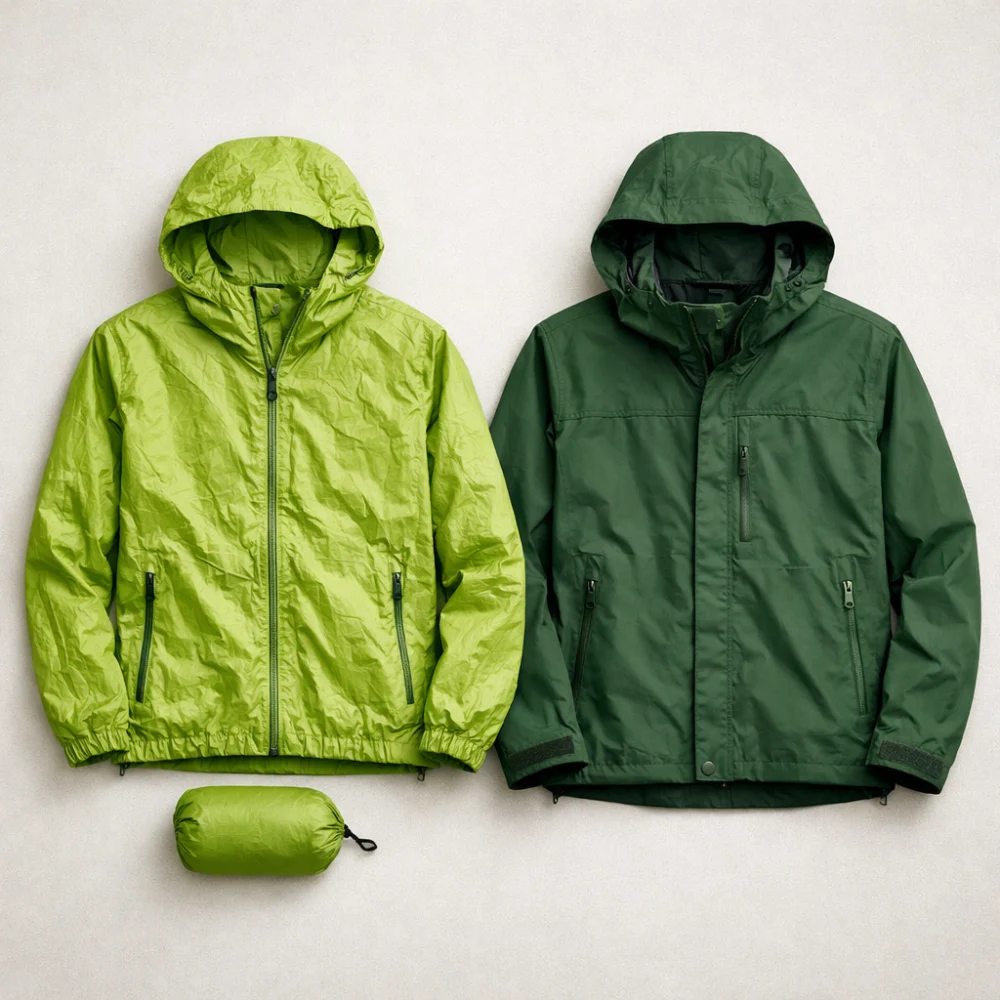
- Lightweight windproof jackets are suited to walkers who want low bulk and easy layering. Their limitation is that they may offer less warmth or structure.
- More substantial windproof jackets can feel better in exposed conditions and cooler weather. Their limitation is that they may be less easy to pack or wear on warmer days.
- Windproof jackets with added weather resistance can be handy for mixed conditions. Their limitation is that they still need checking carefully, because the level of protection can vary a lot.
- Packable designs suit people who want a backup layer in a bag. Their limitation is that packability may come with a simpler feature set.
Which jacket suits which buyer?
| Buyer need | What to prioritise | Why |
|---|---|---|
| Regular hill walking | Reliable wind protection, good mobility, space for layering | Comfort matters when weather and effort change during the day |
| General walking in variable conditions | Balanced breathability, moderate packability, simple features | Versatility is often more useful than a specialist build |
| Travel or bag carry | Lightweight feel and compactness | Easy carrying makes it more likely you will take the jacket with you |
| Colder, exposed outings | Better coverage, room for insulating layers, closer attention to cuffs and hood | Wind exposure has a stronger effect when the temperature drops |
| Mixed dry and damp weather | Check for any added water resistance as well as windproofing | Windproof alone may not be enough if showers are likely |
Common mistakes and misunderstandings
- Assuming all windproof jackets feel the same. In practice, cut, lining and fabric feel can change comfort a lot.
- Confusing windproof with waterproof. A jacket that blocks wind may still let in rain unless it is designed for water resistance.
- Ignoring layering needs. A jacket that looks right on its own may be too snug over a fleece.
- Choosing only on pack size. A very packable jacket is useful, but it still needs to suit how warm and protected you want to feel.
- Overlooking breathability. For active walking, comfort while moving can matter more than the jacket’s outer appearance.
Safety and suitability caveats
Choose the jacket for the conditions you actually expect, not for the most demanding weather you can imagine. If you walk in persistent rain, strong cold or very exposed places, a windproof jacket may need to be paired with other layers or replaced by a more weatherproof option. Always check the individual product page for the jacket’s intended use and any details that affect suitability for your activities.
Maintenance, storage and lifespan considerations
Most jackets last better when they are cleaned and stored according to the care guidance on the product page or care label. If a jacket has coatings, lining or weather-resistant treatment, those details may affect how it should be washed and dried. For buyers, the useful question is not only how the jacket performs on day one, but whether its care needs suit how often you plan to use it.
How to compare options efficiently
- Start with your main use: walking pace, expected wind exposure and whether you need it mainly as a shell or a layer.
- Shortlist the type that fits that use: lightweight, more protective, packable or with extra weather resistance.
- Compare fit, breathability and layering room before looking at secondary features.
- Check the product page for any details that change suitability, especially water resistance and hood design.
- Choose the jacket that best matches your own trade-off between warmth, mobility and portability.
Summary buyer decision checklist
- Will I wear it mainly for active walking, casual use or as a backup layer?
- Do I need strong wind protection, or only a light barrier?
- Will I layer it over a fleece or base layer?
- Is breathability important for longer or faster walks?
- Do I need packability for carrying in a bag?
- Do I also need any water resistance?
- Have I checked the individual product page for fit and care details?
Frequently asked questions
Is a windproof jacket enough for hiking?
It can be enough for dry, breezy conditions and for use as part of a layering system. If you expect persistent rain or very cold exposure, you may need a more weatherproof jacket or additional layers. The right choice depends on where and how you walk.
What is the difference between windproof and waterproof?
Windproof is about reducing airflow through the fabric, while waterproof is about resisting rain penetration. Some jackets may offer both to a degree, but they are not the same thing. Check the product page rather than assuming one means the other.
Should I size up for layering?
That depends on how the jacket is cut and what you plan to wear underneath. If you often layer over a fleece, a little extra room can improve comfort and movement. Always compare the fit guidance on the individual product page.
Are lighter jackets always better?
Not necessarily. Lightweight jackets are convenient to carry, but a slightly more substantial jacket may suit exposed routes or cooler conditions better. Choose based on how you will actually use it, not only on weight or pack size.
Do I need a hood?
A hood can be useful in wind, especially on exposed walks, but some buyers prefer a simpler collar for less bulk. The right answer depends on your comfort preferences and whether you often walk in open weather. Check whether the hood is fixed, adjustable or absent.
How do I know if a jacket will feel breathable enough?
Look at the product description for clues such as breathable design, ventilation or active use. If you walk briskly or generate a lot of heat, breathability becomes more important. When in doubt, balance it against the level of wind protection you need.
Can I use a windproof jacket all year round?
Some buyers do, especially for layering in changeable weather. It may feel ideal in spring, autumn and cooler summer days, but too warm or too light depending on the season and conditions. Think in terms of layering rather than one jacket solving every situation.
More Men's Windproof Jackets
See all 143 Men's Windproof Jackets →


As an Amazon Associate we earn from qualifying purchases.


