

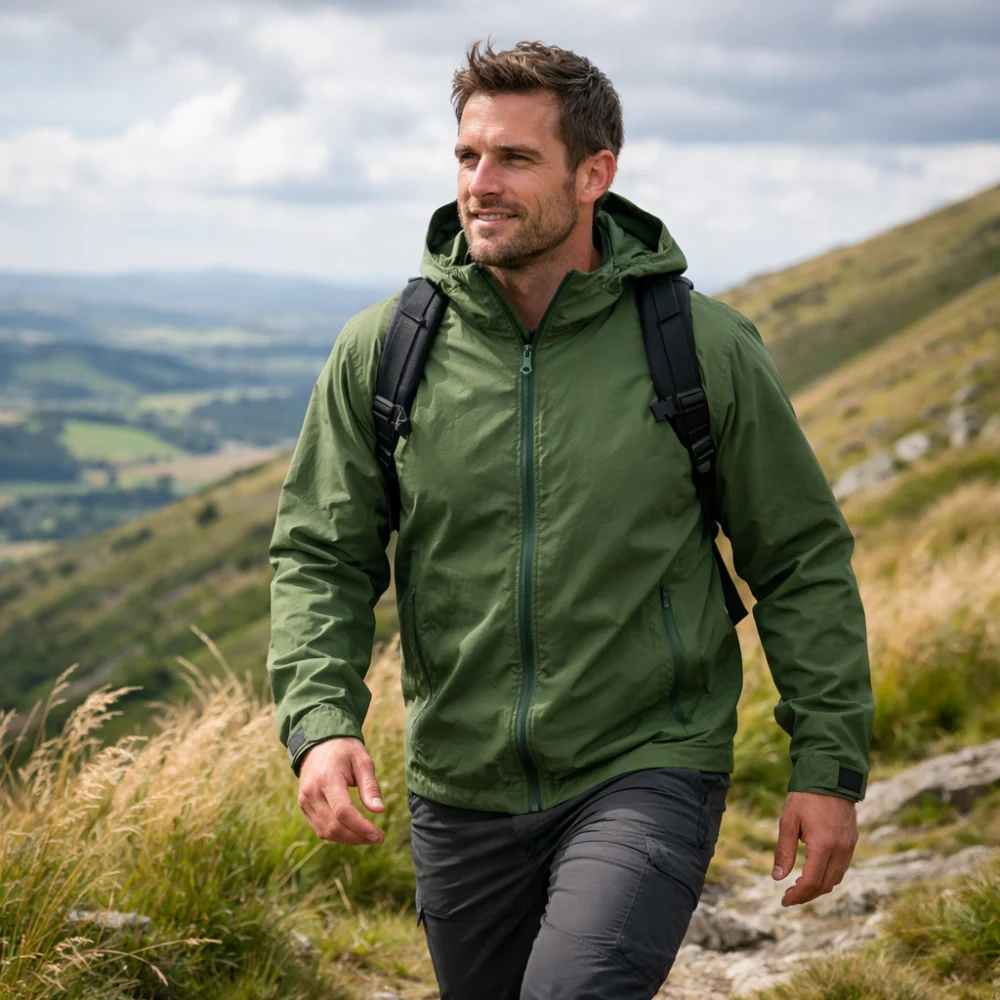

Breathable jackets are a popular choice for walking and hiking because they are designed to help comfort during active use, rather than simply block the weather. They can be a sensible option when you expect to move a lot, build up heat, or want a jacket that feels less clammy than a heavier outer layer.
The tricky part is that “breathable” can mean different things across models. Some jackets are built mainly for fast-moving, changeable days; others are better as light shells you can carry and put on when needed. This guide helps you decide which balance of protection, airflow and comfort matters most for your use.
Specifications vary by model, so always check the individual product page before buying.
Compare Men's Breathable Jackets


As an Amazon Associate we earn from qualifying purchases.
What should you look for in a breathable jacket?
The best starting point is to match the jacket to how hard you will be walking and how wet, windy or cool your usual conditions are. If you over-prioritise breathability, you may end up with less weather protection than you expected; if you focus only on protection, the jacket may feel too warm for active use.
Think in terms of balance: comfort while moving, enough protection for likely conditions, and a fit that works over your walking layers.
| Feature | What it means | Why it matters | What to check |
|---|---|---|---|
| Breathability | How readily the jacket lets moisture vapour escape | Helps reduce overheating and dampness during active walking | Look for the product description, construction notes and any stated ventilation features |
| Weather protection | How much wind and light rain the jacket is intended to handle | Affects how useful it is in changeable outdoor conditions | Check whether it is described as a shell, waterproof, windproof or water-resistant jacket |
| Fit and layering space | How the jacket sits over base layers or mid-layers | Affects comfort, movement and how versatile it feels across seasons | Check the fit description and whether you need room for extra layers underneath |
| Packability | How easy it is to carry when not worn | Useful if the weather changes or you want a jacket for occasional use | Look for lightweight designs, packable features or a supplied stuff sack if listed |
| Ventilation details | Features that help release heat, such as mesh panels or zips | Can improve comfort on climbs, warmer days or higher-effort walks | Check which ventilation features are mentioned for the individual model |
| Pockets and practicality | How useful the jacket is in day-to-day walking | Impacts convenience for maps, keys, snacks or small essentials | Review pocket placement, closure type and whether pockets are usable with a rucksack |
Key decision criteria explained
Breathability versus protection
Breathability helps a jacket feel comfortable when you are moving, but it does not automatically mean strong weather resistance. A jacket that excels at airflow may be ideal for active days in mixed conditions, while a more protective shell may suit wetter or windier outings better. The key is to decide whether your priority is staying drier from the outside, feeling cooler from the inside, or finding a compromise between the two.
Fabric and construction
Some breathable jackets are simple lightweight shells, while others use fabrics or panels intended to improve airflow. The construction affects how the jacket feels in use, how much warmth it traps and how practical it is in a range of conditions. Check the individual description for clues about whether the jacket is aimed at active movement, light weather protection or broader all-round use.
Fit, mobility and layering
A breathable jacket should let you move your arms comfortably and still work over a base layer or fleece if needed. If it is too close-fitting, you may lose comfort when wearing more underneath; if it is too loose, it may feel less efficient in wind or movement. Try to judge fit by how you will actually use it, not just by your usual casual jacket size.
Weight and packability
If you want a jacket you can carry in a daypack, lighter and more compact designs can be easier to live with. That convenience may come with trade-offs in robustness, pocket space or weather protection. If you expect to wear the jacket most of the day, carry comfort matters less than fit, ventilation and overall comfort in motion.
Practical details
Small details can make a jacket easier to use on the hill or trail. Hood adjustability, cuff design, pocket position and zip handling all affect how convenient the jacket feels once you are moving. Those features are worth checking because they can matter more in daily use than the headline fabric description.
Types of breathable jackets
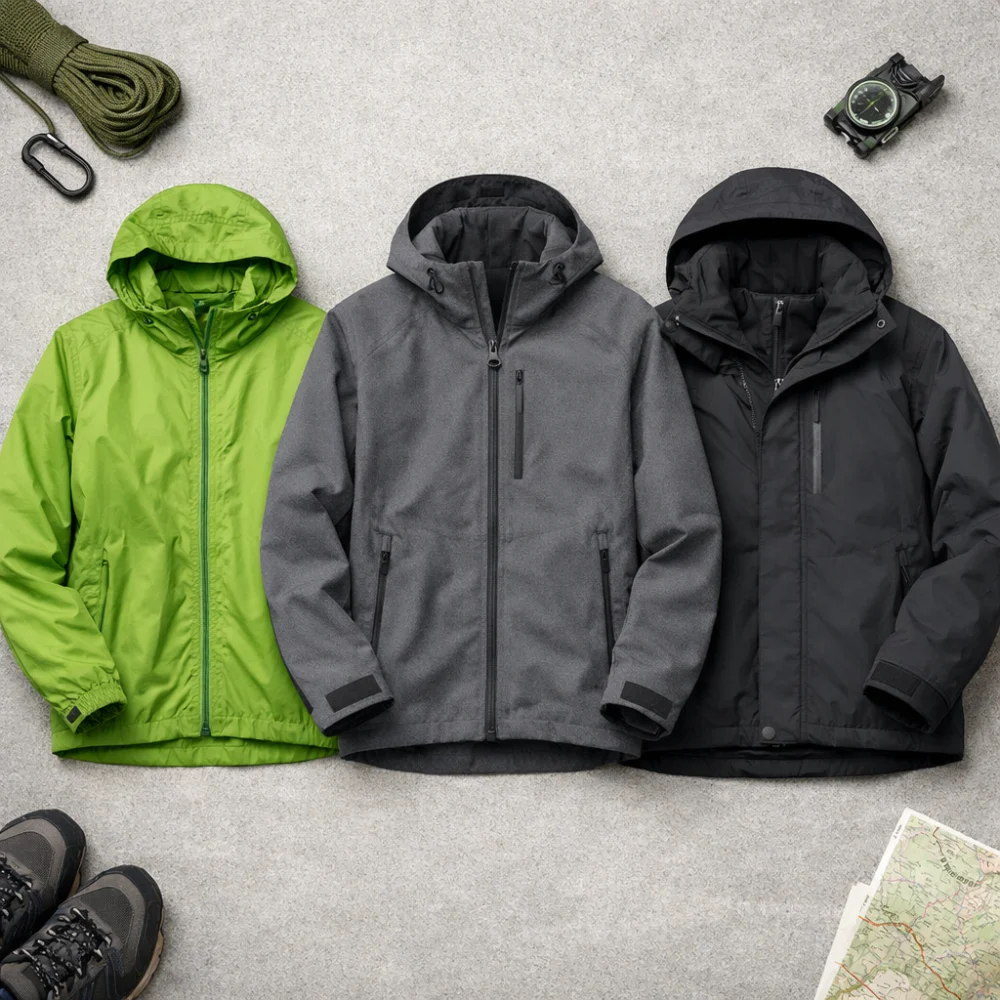
Within this category, shoppers usually compare lightweight shell-style jackets, packable walking jackets and more protective options that still aim to manage moisture during activity.
- Lightweight shells: suitable if you want a simple outer layer that is easy to wear and can help with wind and light showers, but may offer less warmth.
- Packable jackets: useful if you want something easy to stow in a bag or bring along “just in case”, though they may feel less substantial than heavier options.
- More protective breathable jackets: better if you want a jacket that leans towards weather resistance while still aiming to reduce clamminess during movement.
The right type depends on whether you walk in unsettled weather, carry a rucksack often, or mostly want an extra outer layer for active days.
How to match the jacket to your needs
| Your need | What to prioritise | Why |
|---|---|---|
| Everyday walking in mixed weather | Balanced breathability and weather protection | Helps the jacket stay comfortable across changing conditions |
| Fast-paced or hill walking | Airflow, mobility and low bulk | Comfort matters more when effort levels rise |
| Occasional carry-about jacket | Packability and light weight | Makes it easier to bring the jacket without thinking about it |
| Use with layers underneath | Roomy but controlled fit | Helps avoid restriction while keeping the jacket practical in cooler weather |
| Frequent damp or windy conditions | Better outer protection with breathable construction | Helps avoid choosing a jacket that feels too open for the weather |
Common mistakes to avoid
- Assuming breathable means waterproof: the two are related but not the same, so check the actual weather protection described for the jacket.
- Choosing only by weight: a very light jacket can be convenient, but it may not feel suitable if you need more protection or durability.
- Ignoring fit over layers: a jacket that feels fine over a T-shirt may be awkward once you add a fleece.
- Overlooking ventilation details: some jackets manage heat better than others, which can affect comfort more than the marketing name suggests.
Safety and suitability caveats
Choose the jacket for the conditions you expect rather than assuming one breathable design will cover every outing. If you walk in persistent rain, strong wind or colder weather, check whether the product is intended to provide enough protection on its own or whether it is better used as part of a layering system. Specifications vary by model, so always check the individual product page before buying.
Maintenance, storage and lifespan considerations
Breathable jackets generally last better when you keep them clean and store them dry, but the exact care depends on the fabric and finish. Some jackets may be easy to wipe down or wash, while others can need more careful treatment to preserve performance features. If you expect regular use, it is worth checking whether the jacket has any care notes that fit your routine.
Think about how often you will wear it, whether it will live in a rucksack, and whether you want a jacket that is easy to keep ready for spontaneous walks. A jacket that is simple to look after is often the better buy if you plan to use it frequently.
How to compare options efficiently
- Decide when you will wear it most often: active hill walking, everyday walks, or as a spare outer layer.
- Choose the balance you need between breathability and weather protection.
- Check fit, layering space and mobility at the shoulders and arms.
- Compare practical details such as ventilation, pockets, hood design and packability.
- Read the individual product page carefully for the exact model description before you buy.
Summary buyer decision checklist
- Will this jacket suit the weather you actually walk in?
- Does it offer the right balance of airflow and protection?
- Will it fit comfortably over your usual layers?
- Is it light or compact enough for the way you want to carry it?
- Do the hood, pockets and cuffs suit your walking routine?
- Have you checked the individual product page for model-specific details?
Frequently asked questions
Are breathable jackets good for hiking?
They can be a very practical choice for hiking because they are designed to feel more comfortable during movement. The main question is whether the jacket also offers enough protection for your usual conditions. A breathable jacket that is too light for the weather may be comfortable at first but less useful once conditions change.
Is a breathable jacket the same as a waterproof jacket?
No. Some jackets may be breathable and waterproof, but many breathable jackets are not primarily designed as full waterproof shells. Always check the product description so you understand whether you are buying a weather shell, a wind-focused layer or a lighter active jacket.
What does packable mean in this category?
Usually it means the jacket is designed to fold or stow easily so it can be carried in a bag or daypack. That is useful for changeable weather or occasional use, but packability alone does not tell you how protective the jacket is. Check the rest of the description as well.
How should a breathable walking jacket fit?
It should allow free arm movement and enough space for the layers you plan to wear underneath. A fit that is slightly roomier than a casual jacket can be practical for walking, especially in cooler weather. Too much excess room, though, may reduce comfort in wind or movement.
Do I need ventilation features if the jacket is breathable?
Not always, but they can make a noticeable difference if you walk at a higher pace or in milder weather. Features such as mesh lining, zipped vents or breathable panels can improve comfort. Whether they matter depends on how hard you tend to walk and how warm you run.
Can I use one jacket for all seasons?
Sometimes, but only if the fit and weather protection suit a wide range of conditions. A lighter breathable jacket may work well in spring, summer and early autumn, while cooler or wetter periods may call for a different outer layer or more insulation underneath. The best all-round choice is usually the one that matches most of your real use, not every possible scenario.
How jacket construction affects breathability
“Breathable” does not describe one construction. Some softshell-style jackets prioritise air exchange and ease of movement, while membrane shells are generally designed to combine moisture-vapour transfer with greater resistance to wind or rain. These are broad tendencies, not guarantees for every jacket.
For high-effort walks in milder conditions, prioritising airflow may feel more comfortable; for exposed routes or unsettled weather, check whether the jacket is intended to provide the level of weather protection you need. Look for the product’s stated construction and intended use rather than relying on the word “breathable” alone.
More Men's Breathable Jackets
See all 126 Men's Breathable Jackets →


As an Amazon Associate we earn from qualifying purchases.


