

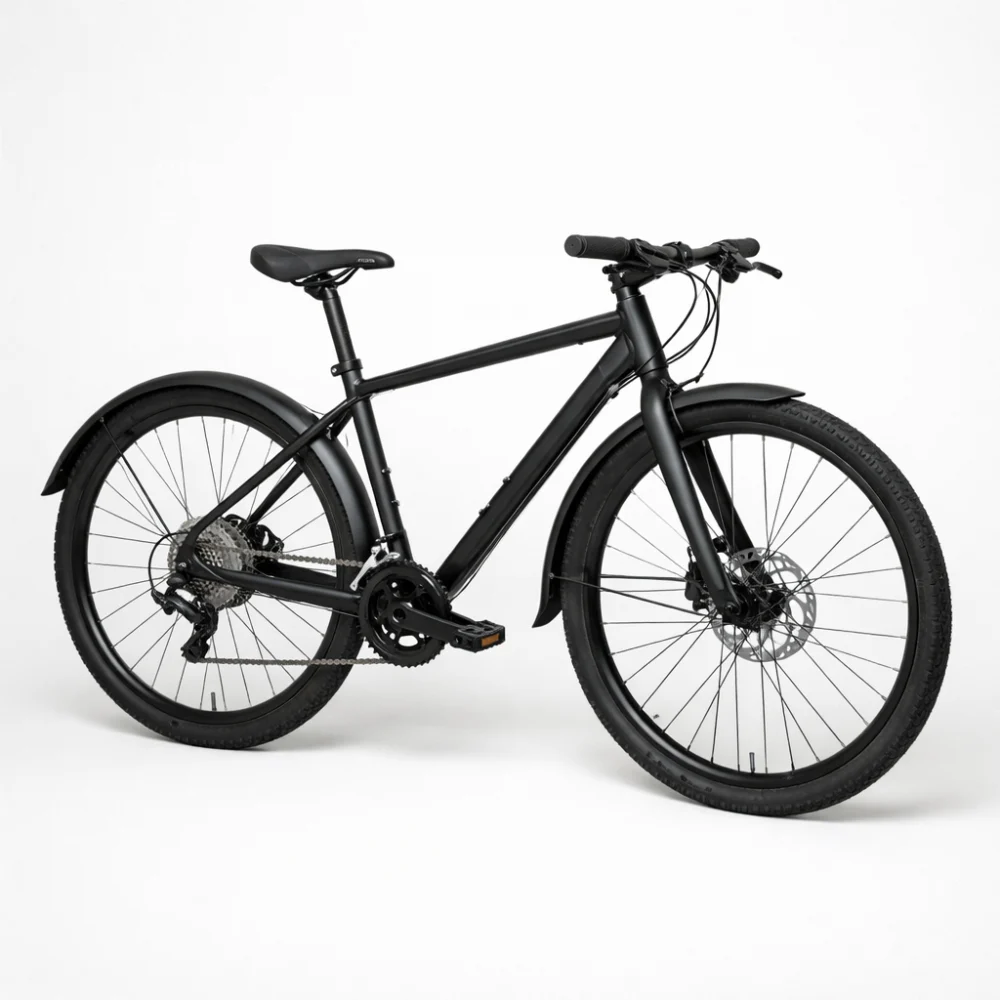

Cycling mudguards are a simple accessory, but choosing the right pair depends on how and where you ride. The main decision is usually between more coverage for wetter conditions and a lighter, less intrusive setup for everyday use.
They are worth considering if you want to keep spray off your clothes, reduce dirt on the bike, or make commuting and family rides cleaner in mixed weather. The challenge is that mudguards vary a lot in mounting style, coverage and compatibility, so it helps to narrow down the fit before looking at details.
Compare Cycling Mudguards


As an Amazon Associate we earn from qualifying purchases.
What should you look for in cycling mudguards?
Start with your bike, then decide how much protection you want. A good mudguard choice balances coverage, fit and ease of fitting, without interfering with tyres, brakes or accessories. Specifications vary by model, so always check the individual product page before buying.
| Feature | What it means | Why it matters | What to check |
|---|---|---|---|
| Fit to bike type | Whether the mudguard is suited to your frame, fork and wheel size | Poor fit can reduce coverage or make installation awkward | Wheel size, frame clearance and any stated bike-type suitability |
| Coverage | How much of the wheel is shielded from spray | More coverage usually means better protection in wet conditions | Front and rear length, width and whether the guard extends low enough |
| Mounting style | How the mudguard attaches to the bike | It affects stability, ease of fitting and how permanent the setup feels | Fixing points, strap style or frame-mounted design if listed |
| Tyre clearance | The space between the mudguard and the tyre | Too little clearance can cause rubbing or make fitting impossible | Stated tyre size range and the space available on your bike |
| Use case | Whether the guard is aimed at commuting, leisure, mountain biking or mixed riding | Different riding styles need different trade-offs between protection and simplicity | Intended rider type and any notes about road, hybrid or mountain use |
Which details matter most when choosing?
Bike and wheel compatibility
Compatibility is the first check because mudguards are only useful if they fit securely. Look for the wheel size or bike type the product is intended for, and make sure there is enough room around the tyre, frame and fork. If your bike has unusual geometry, accessories or limited clearance, a quick check on the product page matters more than general advice.
Coverage versus minimal bulk
Longer mudguards generally offer better spray protection, especially for commuting and wet-road riding. Shorter or compact guards may feel less noticeable and suit riders who only want to reduce the worst of the spray. The trade-off is simple: more coverage usually means more protection, while less coverage usually means a lighter and less intrusive setup.
Mounting and stability
Some mudguards are designed to stay in place for regular use, while others are easier to add or remove. Think about how often you ride in wet conditions and whether you want a semi-permanent setup or something more flexible. A stable mount matters because a guard that shifts or rattles quickly becomes annoying.
Tyre size and clearance
Tyre width and frame clearance can be as important as wheel size. A guard that looks suitable on paper may still be a poor match if the tyre sits too close to the frame or fork. If you already run wide tyres, check the stated size range carefully and compare it with your bike rather than relying on the product name alone.
Common types of cycling mudguards
There are a few broad styles to consider, even when the exact product names differ. Full-length mudguards suit riders who want the most consistent coverage and are often the more practical choice for regular wet-weather riding. Compact or clip-on styles are usually simpler to fit and remove, which can suit occasional use or bikes with limited mounting points. Adjustable sets can be helpful when you want to fine-tune the position, but they still need enough frame and tyre clearance to work well.
What suits different riders?
| Buyer need | What to prioritise | Typical trade-off |
|---|---|---|
| Daily commuting | Reliable coverage, secure mounting and good splash protection | More coverage may add bulk and need more careful fitting |
| Weekend leisure riding | Simple fit and enough protection for occasional wet rides | Less coverage may mean more spray on longer rides |
| Mountain or mixed-surface use | Clearance, stability and suitability for the bike’s shape | Fits can be more model-specific and coverage may be less extensive |
| Family or child bikes | Practical fit, straightforward attachment and proportionate coverage | Smaller bikes can have tighter space and fewer mounting options |
Common mistakes and misunderstandings
- Choosing by wheel size alone: wheel size matters, but clearance and mounting style matter too.
- Assuming all mudguards are universal: bikes vary widely, so a product that fits one setup may not suit another.
- Overlooking tyre width: a guard may fit the wheel but still be too tight around a wider tyre.
- Expecting full dryness in heavy rain: mudguards reduce spray, but they do not make wet rides completely dry.
- Ignoring the riding position: a guard that works for commuting may not be ideal for more aggressive off-road use.
Safety and suitability caveats
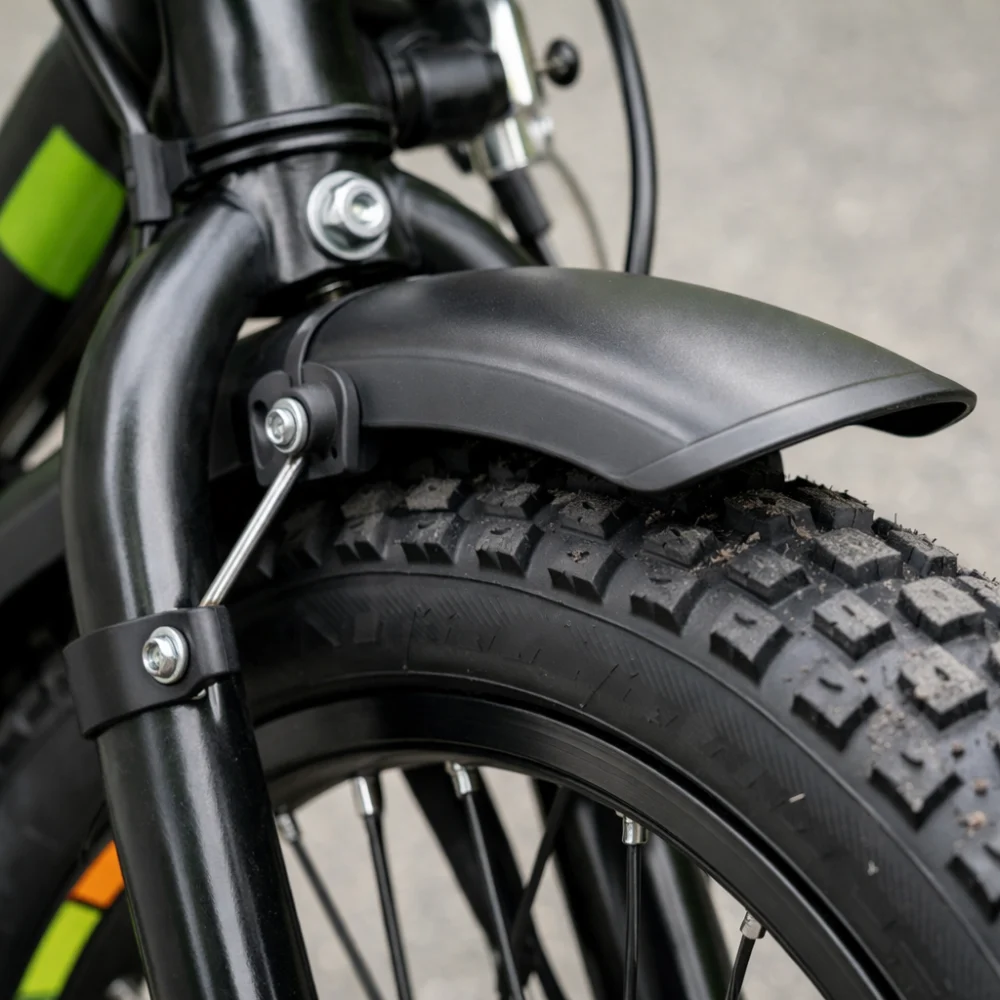
Mudguards should fit securely and should not interfere with wheel rotation, braking or steering. If a product page does not clearly support your bike type, tyre size or mounting setup, treat that as a sign to check carefully before buying. For bikes with limited frame space or unusual parts, suitability is more important than appearance.
Maintenance, storage and lifespan considerations
Most mudguards need little care beyond occasional cleaning and checking that fixings remain secure. If you ride in mud, grit or salted winter conditions, simple wiping and inspection can help them stay presentable and functional for longer. When not in use, store removable guards where they will not be bent or cracked, especially if they are made from lighter materials.
How to compare options efficiently
- Decide how much spray protection you actually need.
- Check whether your bike has the clearance and fixing points for the mudguard style.
- Compare coverage, mounting style and tyre-size suitability.
- Look for any notes about intended bike type or riding style.
- Read the individual product page carefully before deciding.
Summary buyer decision checklist
- Does the mudguard suit your bike type and wheel size?
- Is there enough tyre and frame clearance?
- Do you want full coverage or a simpler, lighter setup?
- Is the mounting style practical for how often you ride in wet weather?
- Will it work with your tyres and any nearby accessories?
- Have you checked the individual product page for any model-specific notes?
Frequently asked questions
Do I need mudguards for every bike?
No, but they are especially useful if you ride often in wet conditions or want to reduce spray on clothing and bags. Some riders only need them for commuting or winter use, while others prefer them all year. The right choice depends on how much mess you want to avoid and how much fitting effort you are comfortable with.
Are full mudguards better than short ones?
Full mudguards usually offer better coverage, especially for road spray and wet commuting. Shorter guards can be easier to fit and less noticeable, which may suit occasional use. The better option depends on whether protection or simplicity matters more to you.
Will any mudguard fit my bike?
No. Fit depends on wheel size, tyre width, frame space and the way the guard attaches. Always compare the product details with your bike before buying, rather than assuming a standard fit.
Can mudguards be removed easily?
Some can, while others are meant to stay on the bike more permanently. If you only need protection in certain seasons, look for a style that suits more flexible use. If you ride in wet weather often, a more stable setup may be more convenient.
Do mudguards change how a bike rides?
They can, but usually only slightly. The main effect is added bulk and a little extra weight, depending on the design. For most buyers, the practical benefit of less spray is more important than any small change in feel.
What should I check on the product page before ordering?
Check wheel size suitability, tyre clearance, mounting style and any notes about bike type. If the description mentions specific limitations, those are worth treating seriously. That final check can prevent most compatibility problems.
Choose front, rear or paired coverage
Decide whether you need a front guard, a rear guard or coverage at both ends. Product descriptions can refer to a single guard or a set, so check which guards and fitting parts are included rather than relying on the product name or image. If you are considering just one, prioritise the area where spray is most bothersome on your usual rides.
More Cycling Mudguards
See all 265 Cycling Mudguards →


As an Amazon Associate we earn from qualifying purchases.


