

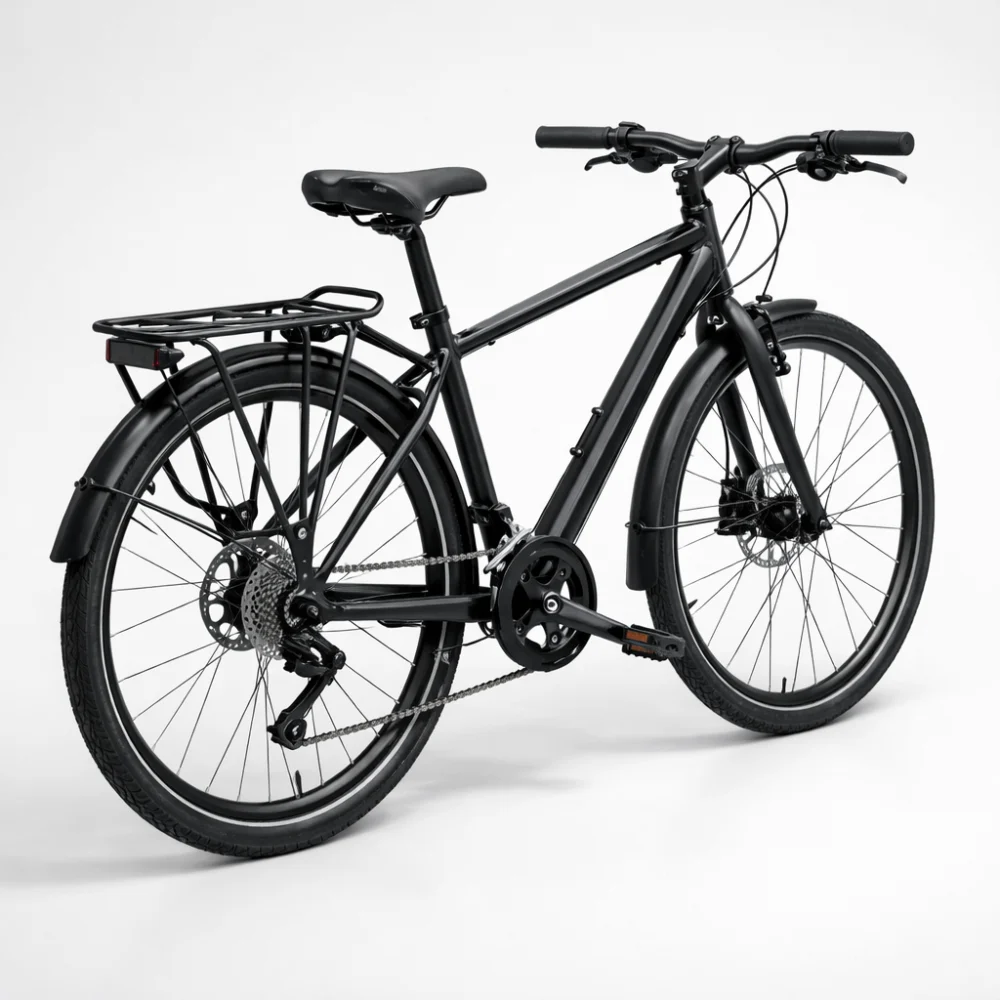

Cycling pannier racks are a practical way to carry shopping, commuting gear, touring luggage or everyday essentials without loading your back. The right rack depends less on brand name and more on fit, mounting style and the kind of load you want to carry.
Because frames, wheels and brake setups vary, it is worth checking compatibility carefully before you buy. A rack that looks straightforward can still be a poor match if the frame size, mounting points or intended load do not suit your bike.
This guide helps you compare the main choices so you can narrow down the right rack for commuting, leisure rides or longer trips.
Compare Cycling Pannier Racks


As an Amazon Associate we earn from qualifying purchases.
What should you look for in a cycling pannier rack?
The best starting point is fit: the rack has to suit your bike before any other feature matters. After that, think about how much you want to carry, whether you need front or rear mounting, and how easy the rack is to install and adjust. Specifications vary by model, so always check the individual product page before buying.
| Feature | What it means | Why it matters | What to check |
|---|---|---|---|
| Fit and compatibility | Whether the rack suits your frame, wheel size and mounting points | A rack that does not match the bike may be awkward or unusable | Frame type, wheel size guidance, brake clearance and fitting points |
| Mounting position | Rear rack or front rack | The position affects handling, available space and what type of bag load feels practical | Where the rack is intended to mount and how that suits your riding |
| Load use | The kind of carrying you expect to do | Commuting, shopping and touring all place different demands on the rack | Intended luggage type and any stated load guidance on the product page |
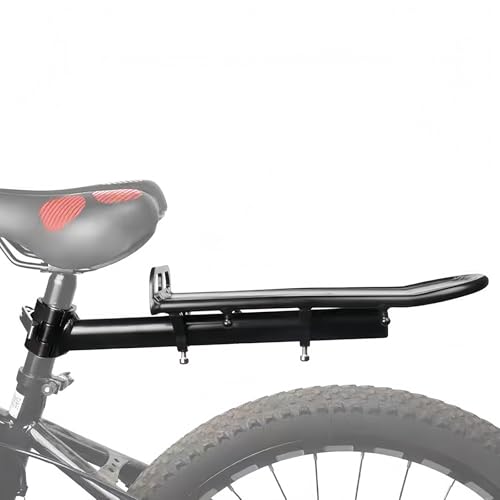
| Adjustability | How much the rack can be positioned or adapted | More adjustability can help with fit, but may add complexity | Extending arms, fitting range and whether the design suits your frame |
| Attachment style | How the rack secures to the bike | Mounting method affects convenience, stability and installation effort | Quick-release, bolt-on or other fitting style, plus any tools needed |
How do the main buying factors affect the choice?
Fit and frame compatibility
Compatibility is the most important filter because pannier racks are not equally suitable for every bike. Things such as wheel size, frame shape, rear triangle clearance and brake layout can affect whether a rack fits neatly. If you are unsure, compare the rack’s stated fitting range with your bike’s frame and wheel details before you go further.
Rear rack or front rack
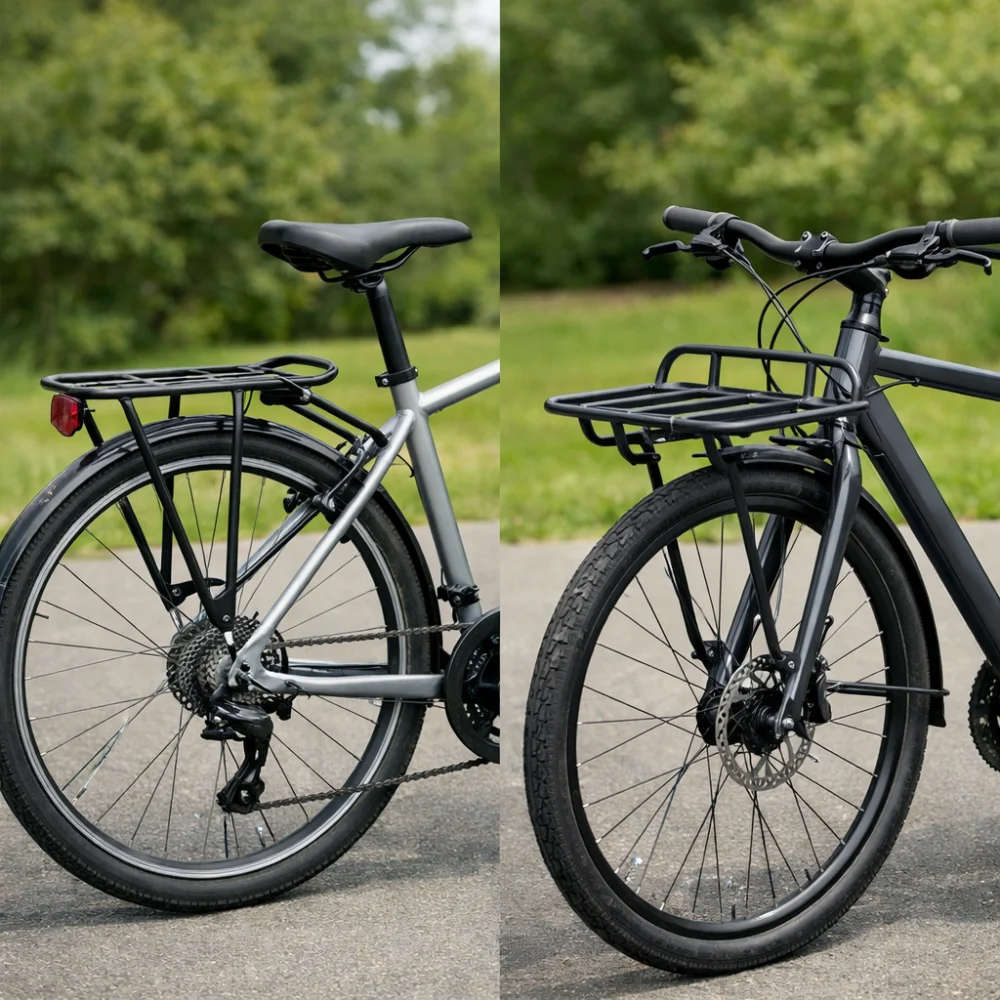
Rear racks are the more familiar choice for everyday carrying and are often used for pannier bags, shopping and commuting loads. Front racks can suit riders who want to spread cargo across the bike or who prefer a different loading setup. The trade-off is that front and rear racks can feel different on the bike and may need different clearances or fittings.
Load, stability and everyday use
Think about what you actually plan to carry. A rack for light everyday items does not need the same approach as one intended for regular touring or heavier commuting loads. It is better to choose a design that comfortably suits your real use than to assume a higher stated capacity automatically makes a better choice.
Adjustability and installation
Some racks are more adjustable than others, which can help when fitting to a bike with unusual geometry or limited mounting space. That flexibility is useful, but it can also mean a more involved setup. If you prefer a simpler install, look for a rack whose fitting range already matches your bike closely.
Which rack type may suit different riders?
Most buyers are choosing between a few practical variants rather than a long list of fundamentally different products. The best option depends on where you want the weight carried and how straightforward the rack needs to be to fit.
- Rear pannier racks suit commuting, shopping and general utility use. They are a common starting point, but you still need to check frame and wheel compatibility.
- Front pannier racks may suit riders who want additional carrying space or a different load distribution. They are usually more dependent on the bike’s front-end clearance and intended mounting points.
- Adjustable racks can help when the bike size or frame shape is less standard. The main limitation is that adjustment does not solve every compatibility issue.
How do buyer needs change the best choice?
| Buyer need | What to prioritise | Why |
|---|---|---|
| Daily commuting | Reliable fit, easy loading and practical rear mounting | You want a rack that is simple to use regularly and works with pannier bags or everyday cargo |
| Shopping and errands | Stable support and sensible load handling | Stop-start urban use benefits from a rack that feels secure when carrying mixed loads |
| Touring and longer rides | Compatibility, adjustability and a setup that suits your luggage system | Comfort and fit matter because the rack may be used for extended periods and varied loads |
| Occasional leisure use | Straightforward installation and enough carrying space for the job | You may value ease of fitting more than advanced adjustability |
Common mistakes to avoid
- Choosing only by load figure. Load guidance matters, but fit and mounting style are just as important.
- Assuming one rack fits all bikes. Frame shape, wheel size and brake layout can change what will work.
- Buying before checking the bag system. Make sure the rack suits the pannier bags or luggage you plan to use.
- Overlooking installation details. Some racks need specific mounting points or more adjustment than expected.
Safety and suitability checks
A pannier rack should be appropriate for the bike and for the way you plan to ride. Check that the rack does not interfere with wheels, brakes, lights or heel clearance, and make sure it is intended for the type of frame you have. If you carry heavier loads, be realistic about how that may affect handling and stopping distance.
Maintenance, storage and lifespan
Pannier racks are usually simple products, but they still benefit from occasional checks. Look for signs of loosening, wear around mounting points or corrosion where the rack is exposed to weather. If you take the bike apart for transport or seasonal storage, a rack with straightforward fitting can be easier to remove and refit.
How to compare options efficiently
- Confirm your bike details first: frame type, wheel size and mounting points.
- Decide whether you need a rear rack, a front rack or a more flexible setup.
- Compare the rack’s fit range, adjustability and attachment style.
- Check whether the design suits your usual load and pannier bags.
- Read the individual product page carefully for any model-specific limitations.
Summary buyer decision checklist
- Does the rack suit your bike’s frame, wheel size and clearance?
- Is it intended for front or rear use?
- Does the mounting style match your preference for simplicity or adjustability?
- Will it suit the pannier bags or cargo you plan to carry?
- Have you checked any model-specific fitting notes on the product page?
Frequently asked questions
Do I need a rear pannier rack or a front pannier rack?
Most riders start with a rear rack because it is the most common choice for everyday carrying. A front rack can make sense if you want to spread weight differently or your setup is better suited to the front of the bike. The right answer depends on the bike, the luggage and how you prefer the bike to feel when loaded.
Will any pannier rack fit any bike?
No. Fit depends on frame shape, wheel size, brake clearance and available mounting points. Even racks that look similar can differ in the bikes they suit, so the product page details matter.
What is the difference between adjustable and fixed racks?
Adjustable racks give you more room to adapt the fit to the bike, which can be useful if your frame is less standard. Fixed designs can be simpler to understand and install, but they rely on the bike matching the rack more closely. Neither type is automatically better.
Can I use a pannier rack for everyday commuting?
Yes, that is one of the most common uses. For commuting, ease of fitting, practical loading and compatibility with your pannier bags are usually more important than chasing the highest load figure. A stable, well-fitted rack is often the most useful choice.
Do pannier racks affect how the bike handles?
They can, especially when loaded. More weight on the bike changes how it feels when steering, starting and stopping, so it is worth choosing a rack that suits the amount and type of cargo you expect to carry.
What should I check on the product page before buying?
Check the mounting style, intended position, compatibility notes and any fitting guidance that relates to your bike. It is also worth confirming whether the rack is better suited to commuting, touring or lighter everyday use.
Check how the rack and pannier bags attach
Before choosing a rack, check where it is designed to attach to the bike and compare that with the mounting points your frame provides. If your bike does not have the fittings a rack requires, do not assume an adjustable design will solve the mismatch; check the product’s fitting guidance and your bike manufacturer’s recommendations. Alternative attachment styles may suit some bikes, but their suitability and load guidance depend on the individual design.
Also check how your pannier bags connect to the rack. A bag needs suitable rails or attachment points, and its position should leave room for your heels while pedalling. If you plan to carry a bag on the rack’s top platform as well as panniers at the sides, confirm that the rack layout and bag attachments allow that combination.
More Cycling Pannier Racks
See all 110 Cycling Pannier Racks →


As an Amazon Associate we earn from qualifying purchases.


