

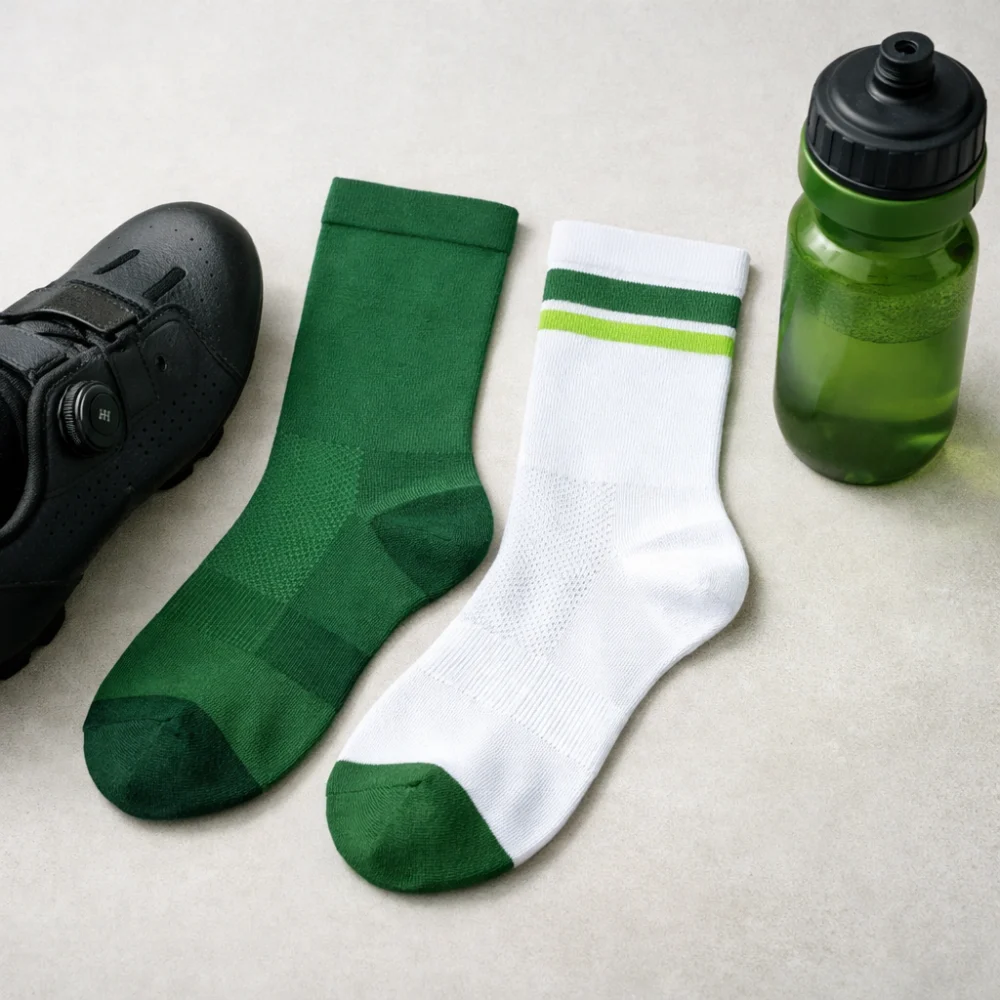
Cycling socks may seem like a small part of your kit, but the right pair can make a noticeable difference to comfort inside cycling shoes. This guide is for riders who want to choose between different materials, heights and construction styles without getting lost in marketing language.
If you are replacing worn socks, buying for a specific season or picking a gift, the main job is to match the sock to the ride rather than the label. The most useful checks are fit, breathability, padding level and how the sock sits with your shoes and ankle coverage preferences.
Compare Cycling Socks


As an Amazon Associate we earn from qualifying purchases.
What should you look for in cycling socks?
The best starting point is usually fit and fabric, then length and any comfort features. A sock that stays in place, manages moisture well and feels right inside your shoes will usually be more useful than one that looks technical but does not suit your riding. Specifications vary by model, so always check the individual product page before buying.
| Feature | What it means | Why it matters | What to check |
|---|---|---|---|
| Fabric | The fibre blend used to make the sock | Affects breathability, softness, warmth and drying time | Look at whether the sock is designed for warmer, cooler or all-round use |
| Length | How high the sock sits on the leg | Changes coverage, feel and how the sock works with shorts or tights | Check ankle, crew or longer styles to suit your preference |
| Fit and stretch | How securely the sock stays on the foot and calf | Reduces slipping, bunching and pressure points | Look for size guidance and whether the sock is unisex or made for a narrower fit profile |
| Cushioning | Extra material in key areas | Can improve comfort, but may add bulk | Decide whether you want a close, minimal feel or a slightly softer ride feel |
| Seams and construction | How the sock is put together | Helps reduce rubbing inside cycling shoes | Check for seamless or low-seam design if comfort is a priority |
| Weather focus | Whether the sock is aimed at summer, winter or wet conditions | Helps match the sock to temperature and ride length | Read the product details carefully rather than assuming all cycling socks are all-season |
Key decision criteria
Material
Material is one of the biggest comfort choices. Lighter, more breathable socks are often preferred for warmer rides, while wool-rich or insulated styles may suit cooler conditions or riders who value a warmer feel. The trade-off is that warmer socks can feel thicker, and thinner socks may feel less cushioned even when they are very practical.
Length and coverage
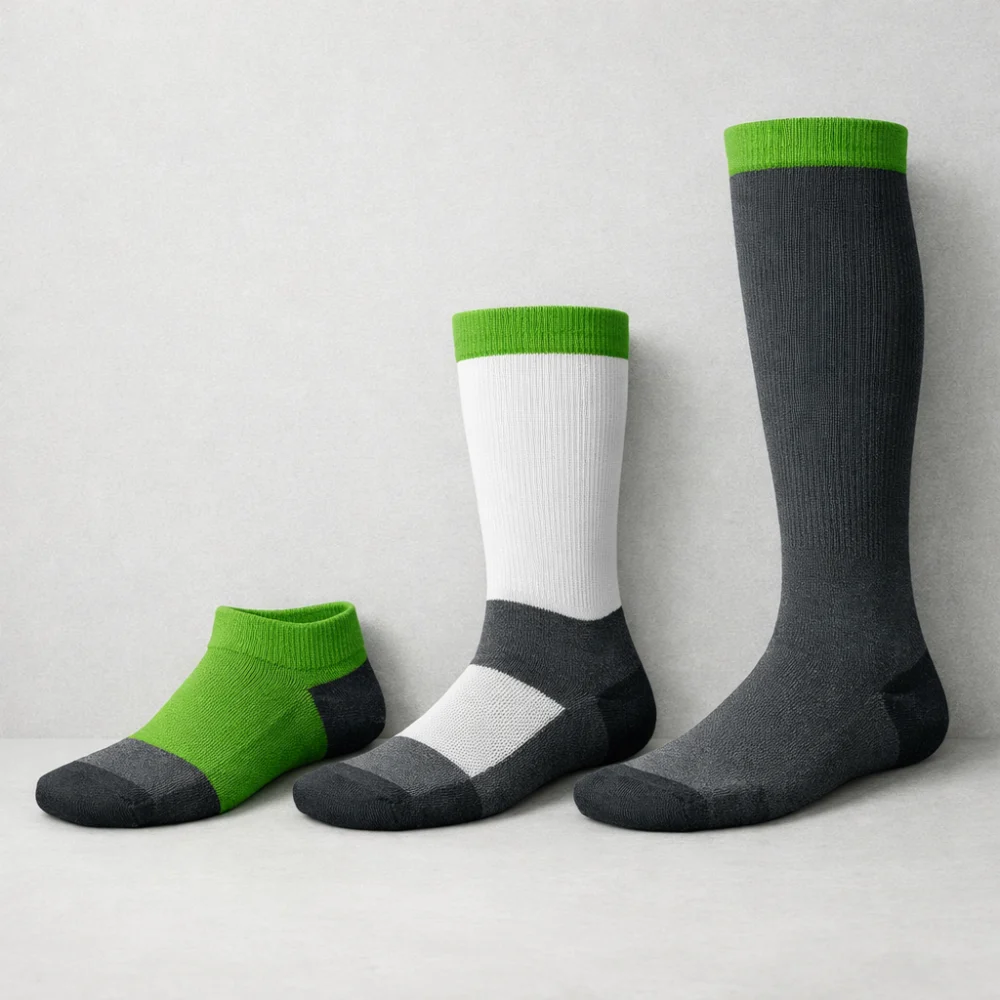
Cycling socks come in different heights, and the right one is partly about preference. Shorter socks can feel minimal and easy to wear, while longer socks offer more coverage and can feel more secure for some riders. The main point is to check that the length works with your shoes, trousers or shorts and the look you want.
Fit and support
A cycling sock should sit close to the foot without folding or pinching. Too loose and it can crease; too tight and it may feel restrictive, especially around the cuff. Look for clear size guidance and avoid assuming that one size or unisex options will feel the same on every foot shape.
Cushioning versus low bulk
Some riders like a slightly cushioned feel, especially if they spend long periods in the saddle. Others prefer a thinner sock because it gives more room in the shoe and a closer connection to the foot. The trade-off is simple: more cushioning can add comfort for some, but too much bulk may affect shoe feel.
Type of ride
Road riders, commuters and mountain bikers often have different comfort priorities, even when they all buy cycling socks. A road rider may prefer a lighter feel, while a commuter may care more about everyday comfort and practicality. A winter rider may want warmer construction, but that same sock may feel too warm in summer.
Types and variants within cycling socks
There is usually less variation here than in many other cycling categories, but a few broad styles are worth comparing.
- Lightweight summer socks: Often chosen for warmer weather and higher breathability. They suit riders who want a cool, close fit, but may feel too light for colder conditions.
- Merino or wool-blend socks: Often selected for comfort in cooler weather or mixed conditions. They can feel more temperature-friendly, but the right weight still depends on the specific model.
- Padded or cushioned socks: Useful when a softer underfoot feel is a priority. The limitation is extra bulk, which may not suit every shoe fit.
- Waterproof or weather-resistant socks: Chosen for wet or cold rides where extra protection matters. They can be useful in the right conditions, but may be less breathable than lighter alternatives.
- Novelty and casual styles: These may be bought as gifts or for everyday wear, but they should still be checked for sizing and comfort if they will be used for riding.
Which cycling sock suits which buyer?
| Buyer need | Likely priority | Good fit to look for | Main trade-off |
|---|---|---|---|
| Warm-weather rider | Breathability and a light feel | Thinner, moisture-managing socks | Less insulation in cooler weather |
| Cold-weather rider | Warmth and comfort | Merino or heavier construction | More bulk and less cooling |
| Commuter | All-round comfort and practicality | Durable, easy-care socks with a secure fit | May need to compromise between warmth and breathability |
| Gift buyer | Broad appeal and easy sizing | Simple, versatile styles with clear size guidance | Harder to personalise without knowing the rider’s preferences |
| Long-distance rider | Comfort over time | Secure fit, low rubbing and appropriate cushioning | More comfort features can mean less minimal feel |
Common mistakes and misunderstandings
- Choosing only by appearance: Cycling socks can look similar at a glance, but fabric and fit often matter more than the pattern or colour.
- Assuming thicker means better: Extra thickness is not automatically more comfortable. In a close-fitting cycling shoe, too much bulk can be a downside.
- Ignoring shoe fit: If your shoes are already snug, a thicker sock may change how the shoe feels. It is worth checking that the sock thickness matches your footwear.
- Overlooking the season: A sock that feels great in summer may feel too light in winter, and a warmer sock may be too much on hot days.
- Assuming one size will suit every foot: Socks are more forgiving than shoes, but fit still matters. Size information and cuff shape are worth checking.
Safety and suitability caveats
Cycling socks are a comfort item rather than a performance guarantee, so it is best to treat them as part of the overall kit rather than a solution on their own. If you are buying for wet weather, colder conditions or long rides, make sure the product description actually matches the use you have in mind.
If you have sensitive skin or prefer certain materials, check the fibre content and construction notes carefully. For weather-specific or waterproof styles, the exact level of comfort, breathability and coverage can vary a lot between products.
Maintenance, storage and lifespan considerations
Cycling socks are usually easy to care for, but the exact washing and drying guidance depends on the material blend. Lighter technical socks may need a little more care than basic everyday socks, while wool-rich styles can have their own cleaning considerations.
It is also worth thinking about how many pairs you need in rotation. If you ride often, having more than one pair helps with drying time and reduces the pressure on a single favourite pair. Over time, elastic, cushioning and fit can change, so it makes sense to replace them when they no longer stay in place comfortably.
How to compare options efficiently
- Decide when you will wear them most often: warm weather, cold weather, commuting or mixed use.
- Choose the length and feel you prefer before comparing colours or novelty details.
- Check the fibre blend, fit guidance and any cushioning or seam information.
- Think about shoe fit, since thickness can change how the shoe feels.
- Read the individual product page carefully and compare the details that matter most to your riding.
Summary buyer decision checklist
- Does the sock suit the season you will ride in most often?
- Is the length comfortable with your shoes and clothing?
- Does the fabric match your preference for warmth, breathability or softness?
- Will the fit stay secure without feeling tight?
- Is the cushioning level right for your shoe fit and comfort needs?
- Have you checked the material and care guidance before buying?
Frequently asked questions
Are cycling socks different from normal socks?
They can be. Cycling socks are often designed to feel closer fitting, reduce rubbing and manage moisture better inside cycling shoes. That does not mean every cycling sock is superior for every rider, but the shape and materials are usually chosen with riding comfort in mind.
Do I need padded cycling socks?
Not necessarily. Padding can help some riders feel more comfortable, but others prefer a thinner sock because it feels less bulky inside the shoe. The right choice depends on your shoes, your ride length and how much cushioning you personally like.
Which length is most practical?
There is no single correct length. Shorter socks feel minimal and suit riders who want less coverage, while longer socks offer more leg coverage and a different look. The most practical option is the one that works with your clothing, weather and comfort preference.
Are merino cycling socks worth considering?
They can be, especially if you want a softer feel or more comfort in cooler conditions. Merino or wool-blend socks are often chosen for temperature balance, but the exact feel depends on the product. Check the blend and intended use rather than assuming all wool-rich socks behave the same way.
Can I use cycling socks for walking or everyday wear?
Yes, many people do. The main thing is that the fit and material should still suit your needs away from the bike. If you want a sock mainly for riding, it is worth prioritising shoe comfort and the right amount of breathability first.
What should I check before buying as a gift?
Size guidance, length and the likely weather use are the most helpful checks. A simple, versatile pair is usually easier to gift than something highly specialised, unless you already know the rider’s preference.
More Cycling Socks
See all 303 Cycling Socks →


As an Amazon Associate we earn from qualifying purchases.


