

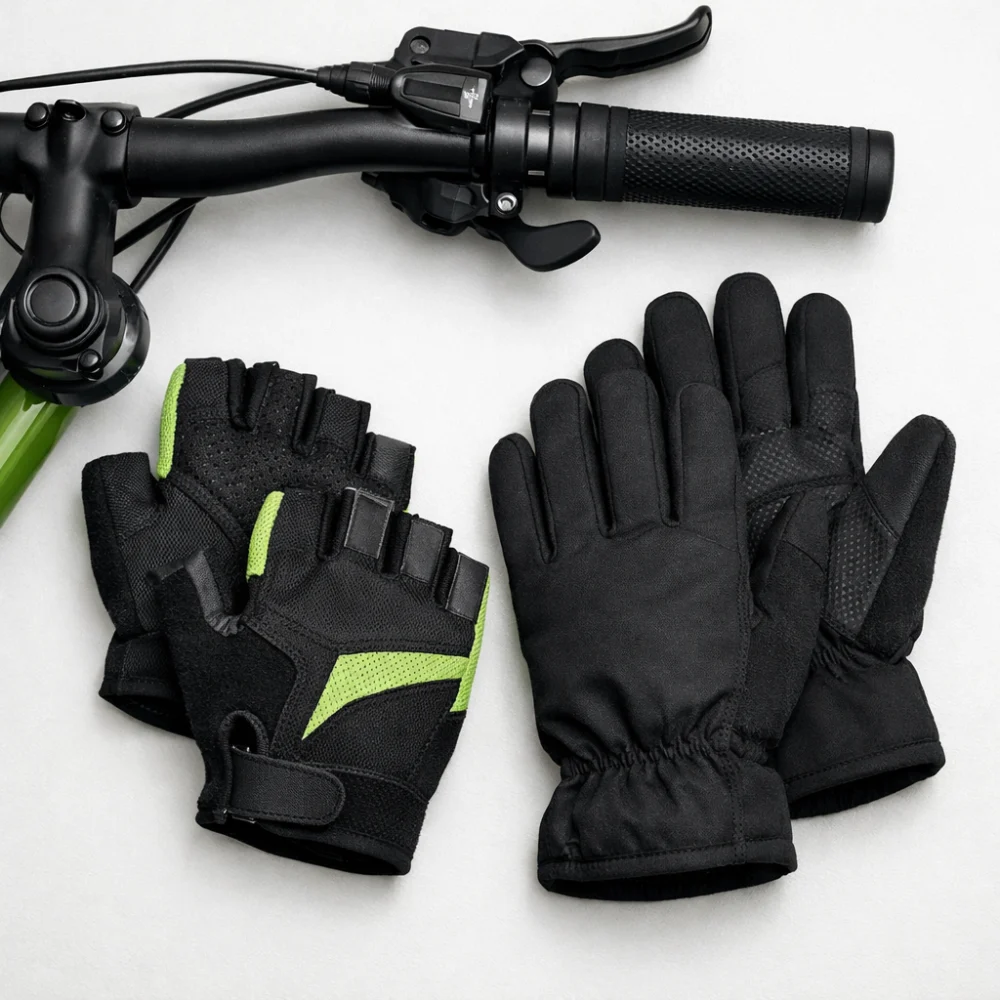

Cycling gloves are a simple part of kit, but they can make a noticeable difference to comfort and control. The right pair depends on how you ride, the weather you expect and how much dexterity you want at the bars, brakes and gears.
This guide helps you compare the main choices without getting lost in product names or marketing claims. It focuses on fit, protection, grip and practicality, so you can narrow the options quickly and choose something suited to your riding.
Compare Cycling Gloves



As an Amazon Associate we earn from qualifying purchases.
What should you look for when choosing cycling gloves?
The best starting point is the kind of riding you do and the conditions you usually face. For short summer rides, lighter gloves may be enough; for colder or wetter rides, insulation and weather resistance become more important. The main trade-off is usually between warmth, feel and ventilation, so it helps to decide which matters most for your use.
Specifications vary by model, so always check the individual product page before buying.
| Feature | What it means | Why it matters | What to check |
|---|---|---|---|
| Finger coverage | Fingerless or full-finger styles | Affects dexterity, warmth and coverage | Match the style to the season and the amount of feel you want |
| Padding | Extra material in the palm | Can change comfort on longer rides or rough roads | Look for enough cushioning without making the palm feel bulky |
| Fit | How closely the glove follows your hand | Impacts grip, movement and comfort | Check size guidance, finger length and how snug the cuff feels |
| Grip | Palm texture and surface design | Helps you hold the bars securely | Look for a palm that supports control without feeling slippery or stiff |
| Weather protection | Warmth, wind resistance or water resistance | Important for cold, wet or exposed rides | Check whether the glove is designed for mild, cool or winter conditions |
| Breathability | How well the glove releases heat and moisture | Helps reduce sweaty hands on harder rides | Choose lighter materials if overheating is more of a problem than cold |
Key decision criteria explained
Fit and sizing
Gloves should feel secure without pinching or restricting movement. A close fit usually improves bar feel and reduces bunching, but a glove that is too tight can be uncomfortable on longer rides. Check the sizing information carefully and consider finger length as well as hand width.
Padding and comfort
Padding can help reduce pressure on the palm, especially on longer rides or rougher surfaces. More padding is not always better, though, because too much can make the glove feel bulky or reduce handlebar feedback. Choose based on where you feel pressure rather than assuming the thickest option will be the most comfortable.
Weather suitability
Some gloves are aimed at warm-weather riding, while others are built for colder or wetter conditions. A lighter glove may breathe well but offer limited protection in wind or rain, while a warmer glove may feel less precise in mild weather. Think about the most common conditions you ride in, not just the worst case.
Grip and control
Good grip helps with confidence on the bars, especially if your hands get damp or you ride for longer periods. Look for a palm that supports control without making it hard to move your fingers naturally. If you use touchscreen controls or need frequent stop-start access, convenience features may matter, but they should not come at the expense of fit.
Materials and feel
Different materials affect stretch, breathability and warmth. Softer, more flexible gloves can feel easier to wear, while more structured designs may offer better protection or weather resistance. The useful question is not which material sounds more technical, but which one suits your riding pattern and comfort preferences.
Common cycling glove types
Fingerless gloves are often chosen for milder weather and for riders who want maximum finger dexterity. Full-finger gloves usually suit cooler conditions or riders who prefer more coverage. Within those broad types, you may also see lighter summer styles, warmer winter styles and gloves with added water resistance.
The main limitation is that each style is a compromise. Lighter gloves usually feel more breathable but give less protection from cold, while winter gloves improve warmth but may reduce dexterity. Choosing the right type is usually more important than focusing on small feature differences.
Which glove suits which rider?
| Buyer need | More suitable choice | Why |
|---|---|---|
| Warm-weather leisure riding | Lightweight gloves | They support grip and comfort without adding unnecessary heat |
| Cold commutes | Full-finger, warmer gloves | They offer more coverage and help reduce the chill on exposed hands |
| Longer rides | Comfort-focused gloves with sensible padding | They can reduce pressure without becoming too bulky |
| Technical control and handlebar feel | Close-fitting gloves with less bulk | They preserve dexterity and responsiveness |
| Wet or changeable weather | Gloves with weather protection | They are better suited to mixed conditions, provided the fit still feels natural |
Common mistakes to avoid
- Choosing by season name alone. A glove described as winter or summer wear can still feel too warm or too light depending on your riding style.
- Overvaluing padding. More cushioning is not automatically more comfortable if it changes grip or makes the glove feel awkward.
- Ignoring fit details. A glove can look suitable on paper but still feel wrong if the fingers are too short or the palm is too tight.
- Assuming one glove will suit every ride. Many cyclists find that a lighter pair and a warmer pair make more sense than forcing one compromise.
Safety and suitability checks
Cycling gloves are mainly a comfort and control choice, but they still need to suit the rider and the conditions. If you ride in wet, cold or high-exposure conditions, check that the glove is intended for that use rather than assuming any padded glove will do the same job. For children or very small hands, make sure sizing and fit are appropriate before buying.
Care, storage and lifespan considerations
Gloves often last longer when they are kept clean, dried properly after use and stored away from prolonged damp. If you ride often, it helps to think about how quickly they will need washing and whether you want a pair that dries relatively quickly between rides. Wear tends to show first in the palms, seams and fastening areas, so those are useful places to inspect when comparing options.
How to compare options efficiently
- Decide whether you need fingerless, full-finger or weather-focused gloves.
- Check the main riding conditions you want them to cover.
- Compare fit, padding, grip and breathability before looking at extras.
- Think about the trade-off you care about most: warmth, feel, protection or ventilation.
- Read the individual product details carefully before you buy.
Summary buyer decision checklist
- Does the glove suit the season and weather you ride in most often?
- Is the fit likely to be secure without feeling restrictive?
- Does the padding level match your comfort needs?
- Will you prefer more grip, more breathability or more coverage?
- Have you checked the product page for the specific model details?
Frequently asked questions
Should I buy fingerless or full-finger cycling gloves?
That depends mainly on temperature and how much feel you want at the bars. Fingerless gloves usually suit warmer weather and riders who like more dexterity, while full-finger gloves are often better when you want more coverage or cooler-weather comfort.
How important is padding in cycling gloves?
Padding can improve comfort, especially on longer rides or rougher roads, but it is not essential for every rider. Too much padding can reduce handlebar feel, so it is worth judging comfort and control together rather than chasing the thickest palm.
Do cycling gloves need to be tight?
They should fit close enough to stay in place and avoid bunching, but not so tight that they restrict movement. A glove that is slightly too small can become uncomfortable quickly, especially on longer rides.
Are waterproof gloves always the best choice for wet weather?
Not necessarily. Waterproofing can help in persistent rain, but it may also make the glove feel warmer or less breathable. For mixed conditions, balance water resistance against comfort and ventilation.
Can I use running or general sports gloves for cycling?
Sometimes, but cycling gloves are shaped and designed around handlebar grip and pressure points. If you ride regularly, purpose-made cycling gloves are usually a more reliable choice for comfort and control.
How do I choose cycling gloves as a gift?
Fit matters a lot, so a gift buyer should pay close attention to sizing guidance and the recipient’s usual riding conditions. If you are unsure, a versatile style in the correct size range is often safer than a very specialised option.
What should I check on the product page before ordering?
Check the style, sizing information, intended weather use and any features that affect grip or comfort. Specifications vary by model, so always check the individual product page before buying.
More Cycling Gloves
See all 625 Cycling Gloves →


As an Amazon Associate we earn from qualifying purchases.


