

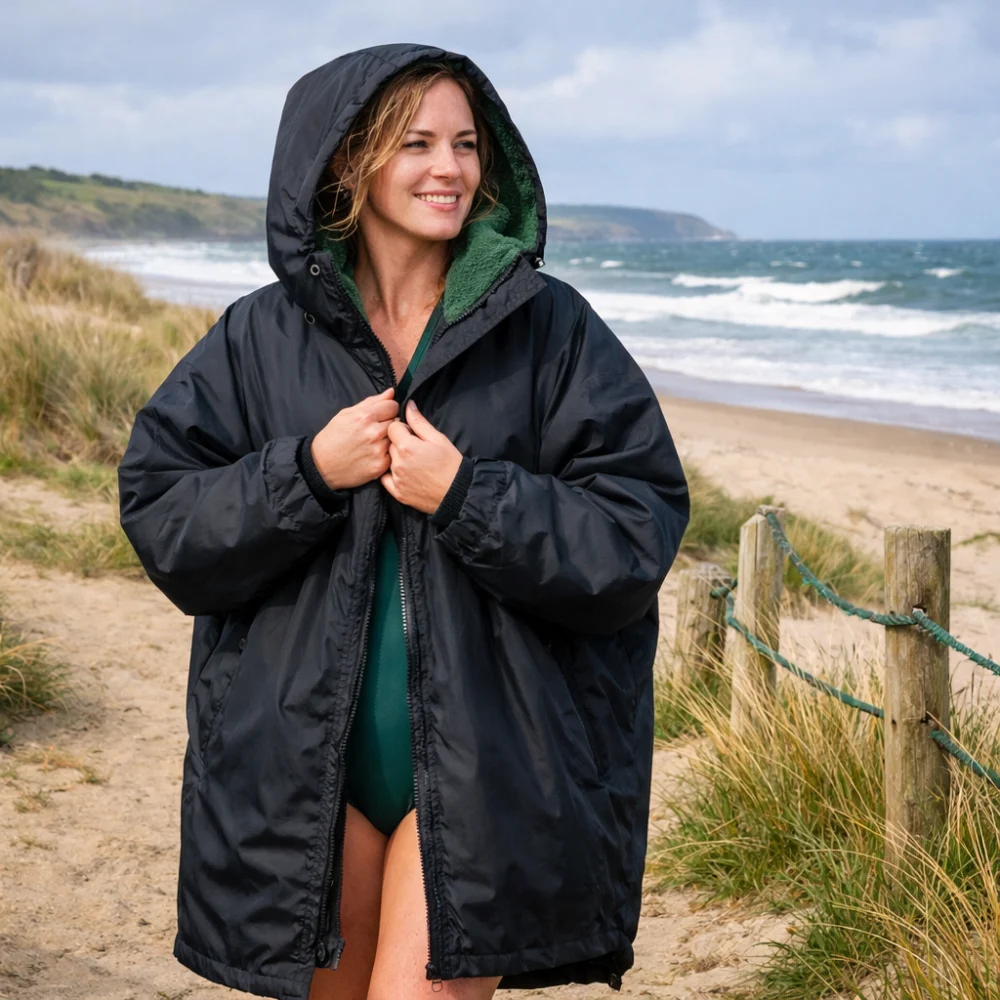
Women’s dry robes are designed to make changing and getting warm outdoors easier, especially after swimming, watersports, beach visits or muddy days out. They are typically chosen for coverage, comfort and convenience rather than fitted styling.
Because products in this category can vary in cut, lining, length and weather protection, it helps to decide what you need the robe to do before comparing options. A good choice is usually the one that matches your typical activity, layering needs and the kind of weather you expect to face.
Some buyers want a simple outer layer for changing under, while others want something warmer for standing around after getting wet. The right balance depends on how much room you want, how easy the robe is to put on and how much protection you need from wind, rain and spray.
Compare Women's Dry Robes


As an Amazon Associate we earn from qualifying purchases.
What should you look for in a women’s dry robe?
Start with the job the robe needs to do. If you mainly need privacy and quick coverage for changing, generous sizing and easy access matter most. If you want to stay warm after swimming or on the beach, look more closely at lining, coverage and how much wind protection the robe is meant to provide.
The main trade-off is usually between coverage and bulk. A roomier robe can be easier to change in and layer over wet clothing, but it may feel heavier or less compact to carry. Specifications vary by model, so always check the individual product page before buying.
| Feature | What it means | Why it matters | What to check |
|---|---|---|---|
| Fit and roominess | How much space the robe allows for changing and layering | Affects comfort, privacy and ease of movement | Look for the intended fit, sleeve shape and whether the robe is meant to be oversized |
| Length and coverage | How much of the body the robe covers | More coverage can help in windy or exposed places | Check the stated length and how low it sits when worn |
| Lining and warmth | Whether the robe is lightly lined, fleece-lined or otherwise designed for insulation | Impacts how cosy it feels after cold-water activities | Read the product description for lining details and intended season or use |
| Weather protection | How much resistance it offers to wind and moisture | Important if you change outdoors or wait around in poor weather | Check the fabric description and whether the robe is described as waterproof, water-resistant or windproof |
| Fastening and opening | How the robe closes and how easy it is to get in and out of | Convenience matters if you are changing often or in a hurry | Look for zip, popper or pull-on details and the position of the opening |
| Pockets and storage | Extra space for hands or small items | Useful for keeping essentials close or warming your hands | Check pocket placement, pocket type and whether the robe has any secure storage |
Key decision criteria explained
Fit, sizing and change room
Dry robes are often deliberately loose so they can go over swimwear or wet clothing. That makes sizing different from a regular jacket, because you may want extra room rather than a close fit. If you prefer easier changing, more space can be helpful; if you want a neater everyday layer, too much volume may feel cumbersome.
Fabric and weather resistance
Some robes are aimed at keeping wind off you after a swim, while others are built to cope better with drizzle or sea spray. The fabric description matters more than the name alone, because terms can be used differently across products. Check what the robe is designed to resist and whether that matches your usual conditions.
Warmth and lining
Warmth comes from more than thickness. A robe with a soft inner lining may feel much more comfortable after cold water use, but it may also be bulkier and slower to pack away. If you mainly need a changing layer for warmer months, a lighter option may be easier to live with.
Ease of use
Think about how often you will put it on and take it off. A design that opens easily and gives enough room at the shoulders and arms can be far more practical than one that feels restrictive. Useful features are the ones that make changing quicker and less awkward, especially when you are wet or windy conditions are not ideal.
Common types and variants
Within women’s dry robes, the most useful differences are usually about how they feel to wear rather than radically different product categories.
- Oversized changing robes are designed to give maximum room for changing underneath. They suit frequent swimmers and people who want privacy, but they can feel bulky.
- Warmer lined robes focus more on comfort after activity. They suit colder days, but the added warmth may mean more weight and less packability.
- Lighter protective robes prioritise convenience and easier carrying. They can be a better fit for milder weather, though they may offer less cosy comfort.
Which features suit different buyers?
| Buyer need | Features that usually help | Main trade-off |
|---|---|---|
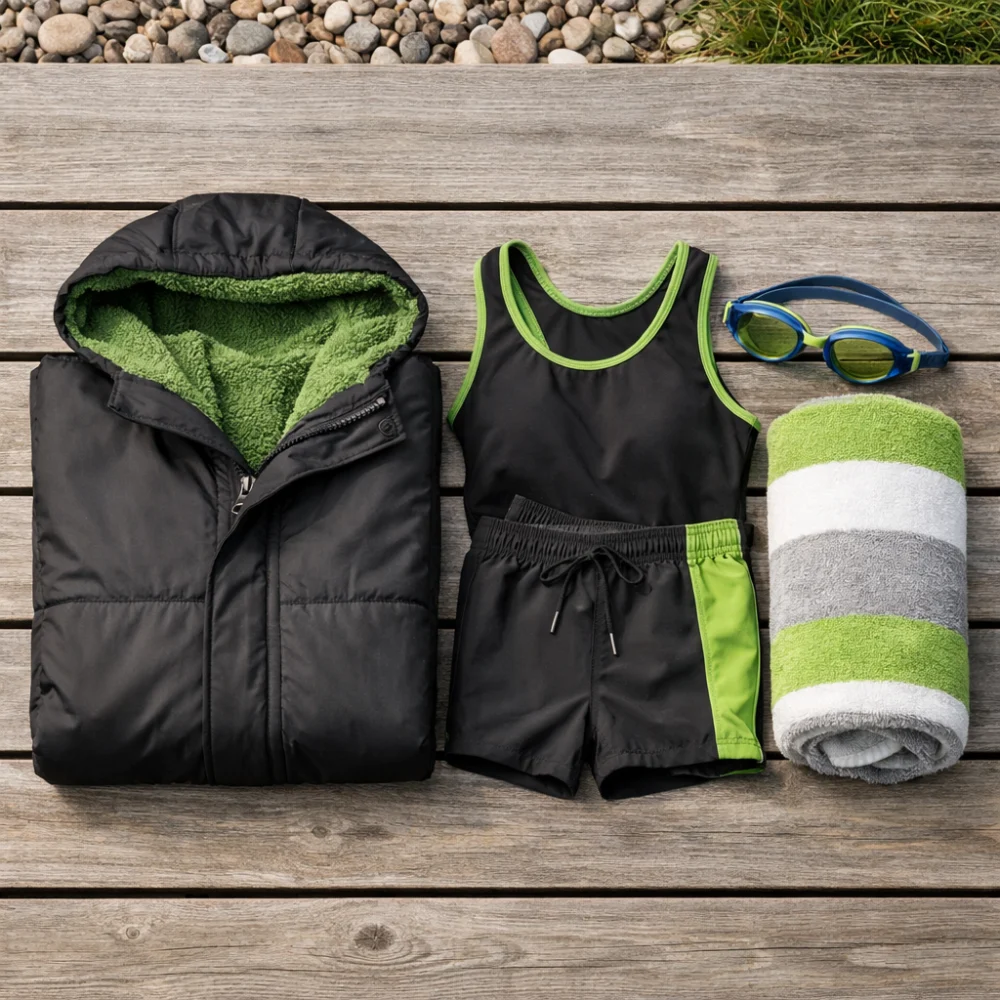
| Beach or pool changing | Loose fit, easy opening, enough length for coverage | More room can mean more bulk |
| Cold-water swimming | Warmer lining, wind protection, good coverage | Extra warmth can reduce packability |
| Travel or days out | Lighter construction, manageable size, useful pockets | Less substantial feel in poor weather |
| Occasional use | Simple design, straightforward sizing, easy care | May not have the most specialised features |
Common mistakes and misunderstandings
- Choosing based on appearance alone. A robe that looks right may not have enough room, warmth or coverage for your actual use.
- Assuming all dry robes feel the same. Some are built mainly for changing, while others are more about warmth and weather protection.
- Ignoring fit over layers. If you plan to wear it over wet swimwear or thicker clothing, a close cut may feel restrictive.
- Overlooking packing and carrying. A cosy robe may be less convenient if you need to take it everywhere.
Safety and suitability caveats
A dry robe is a comfort and changing layer, not a substitute for proper safety planning in cold or wet conditions. Check that it suits the activity, the weather and the amount of time you expect to spend outdoors. If you will use it near water, make sure it is practical for your routine and easy to manage when damp.
Maintenance, storage and everyday care
Care needs vary by material and lining, so it is worth checking the washing instructions before you buy. If you expect frequent use after wet outdoor activities, think about how easy the robe is to dry, store and keep ready for the next outing. A robe that is simpler to look after may be the better choice if it will be used often.
How to compare options efficiently
- Decide whether you need a changing robe, a warmer robe or a lighter outer layer.
- Check fit, especially if you want room for layering or easy changing.
- Compare coverage, lining and weather protection against your usual conditions.
- Look at convenience features such as openings, pockets and how easy it is to handle when damp.
- Read the product page closely for the details that matter most to your use.
Summary buyer decision checklist
- Will I use it mainly for changing, warmth, or both?
- Do I want a loose fit or a less bulky shape?
- Is the length and coverage suitable for where I will wear it?
- Does the lining or fabric match the weather I expect?
- Are the fastening, pockets and opening style practical for me?
- Have I checked the individual product page for the exact details?
Frequently asked questions
What is a women’s dry robe for?
It is mainly used to help you change outdoors and stay more comfortable after swimming, watersports or other wet activities. Many buyers also use one as a practical outer layer when they want more coverage in windy or cool conditions.
Should I buy a dry robe in a loose fit?
Usually, yes if you want to change underneath it or wear it over wet clothing. A looser fit is often more practical for that purpose, although some people prefer a neater shape for casual wear.
Is a dry robe the same as a regular coat?
No. Dry robes are usually designed around changing, coverage and comfort after outdoor activity rather than everyday fitted styling. They may overlap with coat-like use, but their main purpose is different.
Do I need a lined dry robe?
Not always. A lined robe can feel more comfortable in colder weather, but a lighter option may be easier to carry and better suited to milder conditions. Think about when and where you will use it most.
What should I check if I plan to use it after swimming?
Focus on roominess, ease of putting on, coverage and how well the robe suits damp conditions. It is also worth checking the fabric and lining description so you know whether it is aimed more at changing, warmth or weather resistance.
How important are pockets?
That depends on how you use the robe. Pockets can be useful for warming hands or carrying small items, but they are less important if your main priority is simple changing and coverage.
How to judge sizing before buying
A women’s label does not by itself tell you how a dry robe will fit, particularly when a style is described as oversized or may be designed for more than one gender. Compare the stated size guide with your own measurements, and look for garment measurements where provided. Consider the extra room needed for the clothing you expect to wear underneath, as well as sleeve and body length; a roomy body can still feel restrictive if the arms or shoulders are too narrow. If you are between sizes, use the product’s own guidance rather than assuming that sizing up will improve the fit.
More Women's Dry Robes
See all 290 Women's Dry Robes →


As an Amazon Associate we earn from qualifying purchases.


